

Liquid chlorophyll has emerged as a popular wellness supplement, gaining attention for its vibrant green color and impressive array of potential health benefits. This plant-derived compound, known for giving plants their green pigmentation and facilitating photosynthesis, has now found its way into the health routines of wellness enthusiasts worldwide. From social media trends to scientific research, liquid chlorophyll continues to generate interest for its purported abilities to improve skin health, aid in detoxification, boost energy levels, and even assist with weight management. This comprehensive guide explores everything you need to know about liquid chlorophyll supplements—from their scientific composition and potential benefits to possible side effects and proper usage methods—helping you make an informed decision about incorporating this green supplement into your wellness regimen.
What Is Liquid Chlorophyll?
Chlorophyll is the natural pigment that gives plants their green color and plays a crucial role in photosynthesis—the process by which plants convert sunlight into energy. This remarkable compound absorbs light energy and uses it to transform carbon dioxide and water into glucose and oxygen, essentially powering the plant while helping produce the oxygen we breathe.
What we commonly refer to as “liquid chlorophyll” supplements are actually chlorophyllin, a semi-synthetic derivative of natural chlorophyll. During the manufacturing process, natural chlorophyll is converted to chlorophyllin by replacing the central magnesium atom with copper and removing the phytol tail, creating a water-soluble compound that’s more stable and better absorbed by the human body.
The nutritional composition of liquid chlorophyll includes several bioactive compounds that contribute to its potential health benefits. These typically include copper-chlorophyllin complex, various phytochemicals, antioxidants, and sometimes additional vitamins depending on the formulation. The primary active component, chlorophyllin, is what provides the majority of the supplement’s proposed health effects.
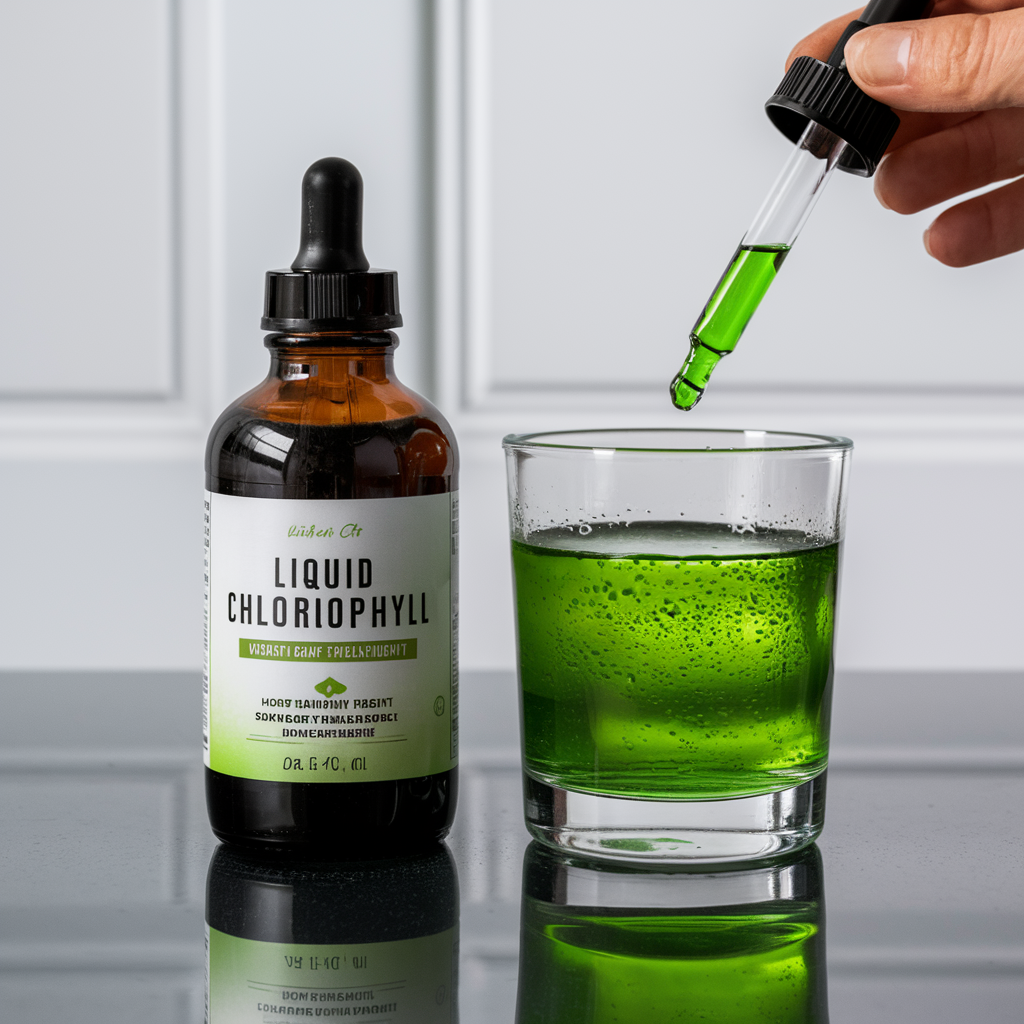
In today’s market, liquid chlorophyll is available in several forms:
- Liquid drops (concentrated form to be added to water)
- Ready-to-drink chlorophyll water
- Flavored versions (mint, citrus, berry)
- Formulations with added ingredients (vitamins, minerals, herbs)
- Alcohol-free and preservative-free options
Potential Health Benefits of Liquid Chlorophyll
Blood Health and Production
One of the most historically recognized benefits of chlorophyll relates to blood health. The molecular structure of chlorophyll closely resembles hemoglobin—the protein in red blood cells responsible for carrying oxygen throughout the body. The main difference is that hemoglobin contains iron at its center, while chlorophyll contains magnesium.
This structural similarity has led to claims that chlorophyll supplements can support:
- Red blood cell production and quality
- Potential assistance for anemia symptoms (though not as a replacement for conventional treatment)
- Overall blood building and circulation improvement
Scientific evidence suggests chlorophyll may indeed support red blood cell health, though more comprehensive human studies are needed. A 2004 pilot study published in the Journal of Medicinal Food found that wheatgrass juice, which is high in chlorophyll, reduced the need for blood transfusions in patients with thalassemia, a blood disorder.
Detoxification Properties
Liquid chlorophyll has gained significant attention for its potential detoxification benefits, particularly relating to liver function and heavy metal elimination:
- Liver support: Chlorophyll may enhance the liver’s natural ability to remove toxins from the bloodstream
- Heavy metal binding: Research suggests chlorophyllin can bind to heavy metals and prevent their absorption
- Environmental toxin protection: Some studies indicate it may help reduce the absorption of toxic compounds from food and environment
Research from Oregon State University demonstrated that chlorophyllin can bind to potential carcinogens and prevent their absorption in the digestive tract. This binding capability suggests potential for reducing toxic load on the body’s detoxification systems.
Antioxidant Effects
The antioxidant properties of liquid chlorophyll represent another significant potential benefit:
- Neutralization of free radicals that can damage cells
- Protection against oxidative stress
- Potential slowing of aging processes at the cellular level
When compared to other antioxidant supplements, chlorophyll offers a unique profile. While it may not have the concentrated antioxidant power of dedicated antioxidant supplements like vitamin C or astaxanthin, its combination of antioxidant activity with other health benefits makes it a versatile addition to an antioxidant regimen.
Anti-inflammatory Benefits
Chronic inflammation underlies many modern health conditions, from arthritis to heart disease. Liquid chlorophyll has demonstrated anti-inflammatory properties in several studies:
- Reduction of inflammatory markers in the body
- Potential relief from inflammatory skin conditions
- Support for inflammatory bowel conditions
A 2012 study published in Inflammation Research found that sodium copper chlorophyllin exhibited significant anti-inflammatory activity in both in vitro and in vivo models, suggesting potential applications for inflammatory condition management.
Skin Benefits of Liquid Chlorophyll
Acne and Blemish Reduction
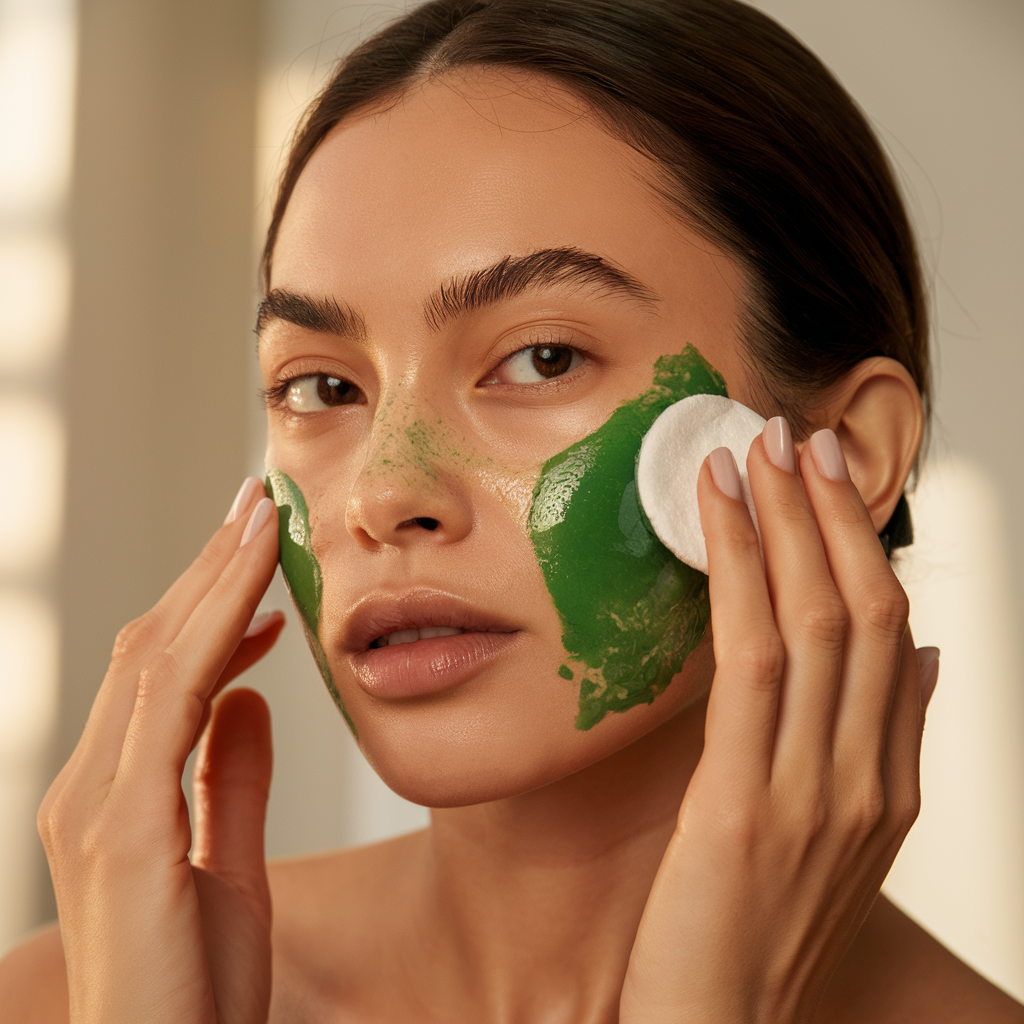
One of the most popular uses of liquid chlorophyll is for skin improvement, particularly for acne management. The potential skin-clearing benefits include:
- Antimicrobial properties that may target acne-causing bacteria
- Anti-inflammatory effects that could reduce redness and swelling
- Potential regulation of oil production
Users typically report seeing initial improvements within 2-3 weeks of consistent use, with more significant results after 1-2 months. A 2015 pilot study published in the Journal of Drugs in Dermatology found that a topical chlorophyllin complex salve was effective in improving facial acne lesions and large visible pores.
Anti-aging Effects
The anti-aging potential of liquid chlorophyll relates to several mechanisms:
- Support for collagen production through antioxidant protection
- Potential improvement in skin cell turnover
- Protection against environmental damage that accelerates skin aging
While scientific evidence specifically for anti-aging effects is still emerging, the antioxidant properties of chlorophyll provide a theoretical basis for these benefits. The compound may help protect skin cells from the oxidative stress that contributes to visible aging.
Wound Healing Properties
Chlorophyll has a long history of use in wound healing, dating back to the 1940s when it was used to promote healing of surgical wounds. Its wound healing properties may include:
- Antimicrobial action that prevents infection
- Enhancement of tissue repair processes
- Reduction of inflammation in the wound area
Modern research continues to support these traditional uses. A review published in the Journal of Drugs in Dermatology confirmed that chlorophyllin possesses wound-healing properties and can be effective in treating slow-healing wounds and various dermatological conditions.
Sun Damage Protection
Emerging research suggests that chlorophyll derivatives may offer some protection against sun damage:
- Potential absorption of certain UV wavelengths
- Antioxidant activity that combats UV-induced free radicals
- Possible reduction in DNA damage from sun exposure
It’s important to note that liquid chlorophyll is not a replacement for sunscreen. Rather, it may serve as a complementary internal approach to skin protection. A 2015 study in the Journal of Photochemistry and Photobiology suggested that chlorophyllin can reduce photodamage and potentially help prevent skin cancer development.
Weight Management and Metabolic Benefits
Appetite Suppression Claims
Liquid chlorophyll has gained attention for its potential to support weight management, particularly through appetite control:
- Some users report reduced hunger sensations
- Potential stabilization of blood sugar levels that may reduce cravings
- Possible increase in satiety hormones
While anecdotal reports about appetite suppression are common, scientific evidence remains preliminary. Realistic expectations should acknowledge that chlorophyll may offer subtle support rather than dramatic appetite reduction. Any weight management benefits are likely to be modest and most effective when combined with healthy eating and regular physical activity.
Metabolic Enhancement Possibilities
The potential metabolic benefits of chlorophyll include:
- Possible increase in metabolic rate through improved mitochondrial function
- Enhanced fat metabolism through activation of certain enzymes
- Support for the body’s natural detoxification pathways that may improve metabolic efficiency
Research in this area is still developing. A 2014 study published in the Journal of Medicinal Food found that women who took a green plant membrane supplement (containing chlorophyll) experienced greater weight loss than a placebo group, suggesting a potential metabolic effect.
Blood Sugar Regulation
Chlorophyll may offer benefits for blood sugar management through several mechanisms:
- Potential improvement in insulin sensitivity
- Possible reduction in glucose absorption rates
- Anti-inflammatory effects that may benefit pancreatic function
While chlorophyll should never replace medical treatment for diabetes or blood sugar issues, some preliminary research suggests it may have complementary benefits. A study published in the Journal of Food Science showed that chlorophyll-containing foods reduced glycemic response, though more research is needed specifically on chlorophyll supplements.
Other Potential Benefits
Odor Control (Internal Deodorant Properties)
One of the most well-established uses of chlorophyll is as an internal deodorant. It has been used since the 1950s to reduce body odors and bad breath. The mechanism appears to be chlorophyll’s ability to bind with the compounds that cause odors in the digestive tract before they can be absorbed into the bloodstream and released through respiration or perspiration.
Gut Health and Digestion Support
Liquid chlorophyll may support digestive health in several ways:
- Potential prebiotic effects that support beneficial gut bacteria
- Possible soothing effect on the digestive tract
- Antimicrobial properties that may help balance gut flora
Some users report improved digestion and reduced constipation with regular chlorophyll consumption, though individual responses vary considerably.
Alkalizing Effects on the Body
Proponents of liquid chlorophyll suggest it helps maintain a healthy pH balance in the body by promoting alkalinity. While the body tightly regulates blood pH regardless of diet, chlorophyll-rich foods and supplements may help reduce the acid load that needs to be buffered, potentially supporting overall health.
Immune System Support
The potential immune-enhancing effects of chlorophyll include:
- Support for white blood cell production
- Enhancement of the body’s natural defense mechanisms
- Anti-inflammatory effects that may improve immune response
Research in this area is still developing, but chlorophyll’s antioxidant properties and ability to support detoxification may indirectly benefit immune function.
Energy Enhancement Claims
Many users report increased energy levels when taking liquid chlorophyll regularly. This effect may be attributed to:
- Improved oxygen transport and utilization
- Enhanced red blood cell quality
- Better nutrient absorption and cellular energy production
While not all users experience energy boosts, this benefit is commonly reported in anecdotal accounts.
Potential Risks and Side Effects
Common Side Effects
While liquid chlorophyll is generally considered safe for most people, some common side effects may include:
- Digestive discomfort: Some users experience mild stomach cramps, nausea, or diarrhea, especially when first starting supplementation
- Discoloration issues: Temporary green discoloration of the tongue, teeth, and stool is common and harmless
- Taste aversion: Some people find the taste unpleasant, though flavored versions can help address this issue
Most of these side effects are temporary and often resolve as the body adjusts to the supplement. Starting with a lower dose and gradually increasing can help minimize these effects.
Serious Concerns and Warnings
While rare, more serious concerns associated with liquid chlorophyll may include:
- Photosensitivity: Some individuals may experience increased sensitivity to sunlight
- Medication interactions: Chlorophyll may interact with medications that increase sensitivity to sunlight (photosensitizing drugs)
- Allergic reactions: Though uncommon, some people may experience allergic responses to chlorophyll or other ingredients in the supplement
Always consult with a healthcare provider before starting any new supplement, especially if you take medications or have existing health conditions.
Contraindications
Liquid chlorophyll supplementation may not be appropriate for:
- Pregnant or breastfeeding women: Due to limited safety data
- People with certain medical conditions: Including photosensitivity disorders or copper metabolism disorders
- Individuals preparing for surgery: Chlorophyll should typically be discontinued 2 weeks before scheduled surgery
Those with compromised immune systems or severe health conditions should consult healthcare providers before using liquid chlorophyll.
How to Use Liquid Chlorophyll
Recommended Dosages
Standard guidelines for liquid chlorophyll consumption typically suggest:
- Starting dose: 1 teaspoon (approximately 5ml) in 8 ounces of water, 1-2 times daily
- Maintenance dose: Up to 2 teaspoons in water, 2-3 times daily
- Maximum safe consumption: Most manufacturers recommend not exceeding 3 teaspoons (15ml) daily
It’s always best to start with a lower dose to assess tolerance before gradually increasing to the recommended amount. Follow the specific instructions on your product, as concentration can vary significantly between brands.
Consumption Methods
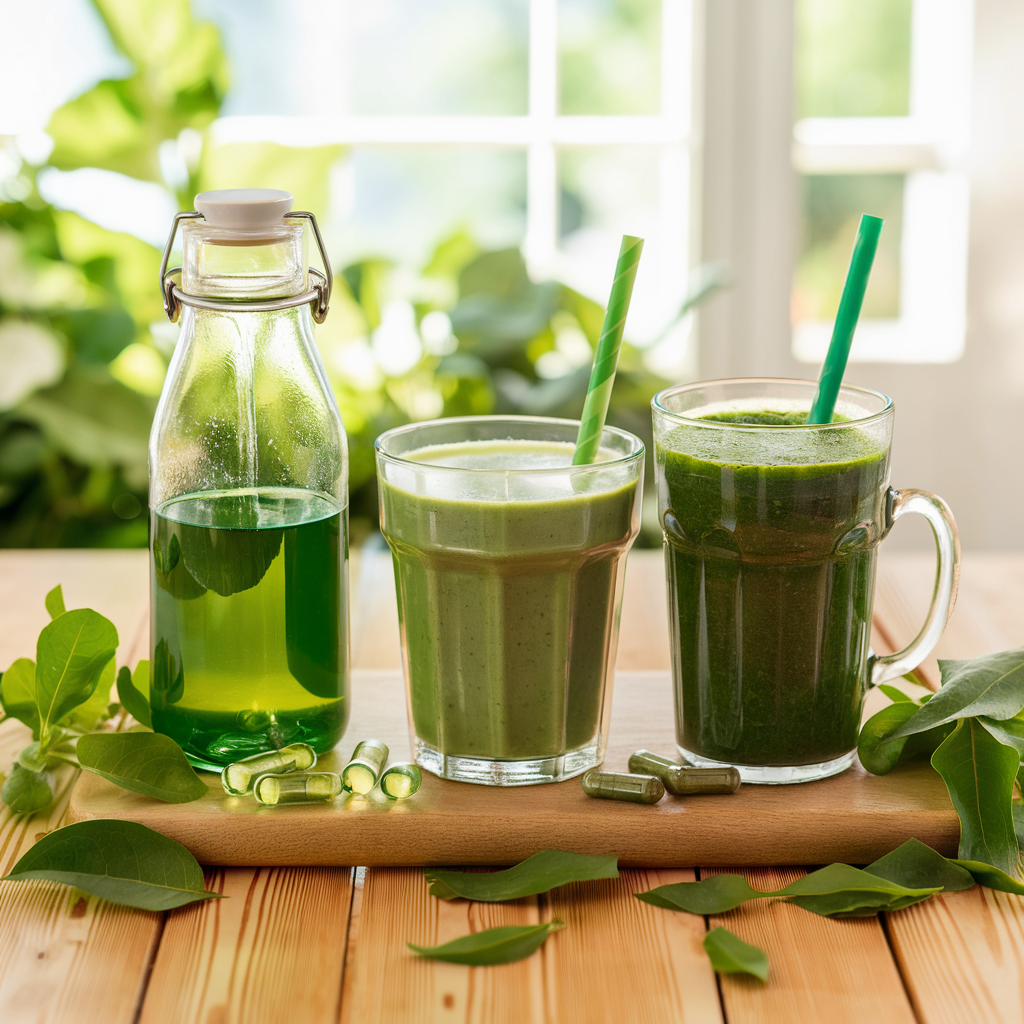
Liquid chlorophyll can be consumed in various ways:
- Direct consumption with water: The most common method is adding drops to water
- Recipe ideas:
- Chlorophyll in fresh fruit smoothies
- Added to coconut water for improved taste
- Mixed into iced herbal teas
- Incorporated into fresh vegetable juices
- Time of day recommendations: Many users find taking chlorophyll first thing in the morning on an empty stomach maximizes benefits, while others prefer dividing doses throughout the day
Experimentation with different consumption methods can help you find the most enjoyable and sustainable approach.
Building a Sustainable Routine
For optimal results with liquid chlorophyll:
- Gradual introduction: Start with a small amount and increase slowly over 1-2 weeks
- Cycling strategies: Some practitioners recommend taking breaks (e.g., 5 days on, 2 days off) to prevent tolerance
- Complementary supplements: Consider combining with other supportive supplements like probiotics, B vitamins, or mineral supplements based on your health goals
Consistency is key with chlorophyll supplementation—occasional use is unlikely to produce significant benefits. Most positive effects are reported after at least 2-4 weeks of regular use.
Product Selection Guide
Quality Indicators
When selecting a liquid chlorophyll product, look for these quality indicators:
- Ingredient transparency: Clear listing of the source of chlorophyll, concentration, and all additional ingredients
- Manufacturing standards: Third-party testing, GMP (Good Manufacturing Practice) certification, or other quality assurances
- Preservation methods: Natural preservatives where possible, or minimal use of synthetic preservatives
- Packaging: Dark glass bottles that protect the chlorophyll from light degradation
Higher-quality products typically provide detailed information about their sourcing, concentration, and production processes.
Formulation Variations
Consider these formulation differences when choosing a product:
- Flavored vs. unflavored: Unflavored options are more versatile but can have a stronger taste; flavored versions (mint, citrus, etc.) are more palatable but may contain additional ingredients
- Additional ingredients to look for: Supportive nutrients like mint, aloe vera, or digestive enzymes
- Ingredients to avoid: Artificial sweeteners, colors, excessive preservatives, or allergens relevant to your sensitivities
- Concentration differences: Products range from 25mg to 100mg of chlorophyllin per serving—higher isn’t always better, especially for beginners
Cost Considerations and Value Assessment
Pricing for liquid chlorophyll products varies widely:
- Budget options typically range from $10-15 per bottle
- Mid-range products with higher quality standards generally cost $15-25
- Premium products with organic certification or additional beneficial ingredients may cost $25-40
To assess value, calculate the cost per serving rather than just the bottle price. A more concentrated formula may offer better value despite a higher upfront cost. Consider also the reputation of the manufacturer and third-party testing when evaluating price.
Scientific Evidence and Expert Opinions
Review of Clinical Studies
The scientific evidence for liquid chlorophyll’s benefits shows promising but mixed results:
- Strongest evidence exists for:
- Wound healing properties
- Internal deodorizing effects
- Anti-cancer potential (in laboratory studies)
- Moderate evidence supports:
- Antioxidant benefits
- Anti-inflammatory effects
- Skin improvement, particularly for acne
- Limited but emerging evidence for:
- Weight management support
- Blood sugar regulation
- Immune enhancement
Research Limitations
Several factors limit the current research on liquid chlorophyll:
- Small sample sizes in many studies
- Limited human clinical trials compared to laboratory studies
- Variation in chlorophyll preparations used in research
- Funding constraints for large-scale studies on natural supplements
These limitations mean that while many benefits are theoretically sound and supported by preliminary research, definitive conclusions require further study.
Expert Consensus vs. Controversial Claims
Health experts generally agree on certain aspects of liquid chlorophyll while disagreeing on others:
- General consensus exists on:
- Safety profile for most healthy adults
- Potential for mild detoxification support
- Antioxidant properties
- More controversial claims include:
- Significant weight loss effects
- Cancer prevention capabilities
- Treatment of specific diseases
Most nutrition and medical experts recommend viewing chlorophyll as a supportive supplement rather than a primary treatment for any condition.
Future Research Directions
Promising areas for future chlorophyll research include:
- Larger clinical trials on specific health conditions
- Optimizing chlorophyll formulations for better bioavailability
- Investigating synergistic effects with other supplements and treatments
- Exploring potential applications for metabolic syndrome and related conditions
As interest in natural supplements continues to grow, more research funding is likely to be directed toward chlorophyll and its derivatives.
Alternatives to Liquid Chlorophyll
Natural Chlorophyll Food Sources
For those preferring to obtain chlorophyll through diet rather than supplements, these foods are particularly rich sources:
- Dark leafy greens: Spinach, kale, collard greens, arugula
- Microgreens and sprouts: Wheatgrass, alfalfa sprouts, sunflower sprouts
- Green vegetables: Broccoli, green cabbage, asparagus, green bell peppers
- Herbs: Parsley, cilantro, mint
- Algae: Chlorella, spirulina
Consuming a variety of these foods regularly can provide natural chlorophyll along with fiber, vitamins, minerals, and other phytonutrients not found in isolated supplements.
Chlorophyll Capsules and Tablets
For those who dislike the taste of liquid chlorophyll or prefer the convenience of pills:
- Chlorophyll capsules provide a tasteless alternative
- Tablets typically offer precise dosing
- Extended-release formulations may provide sustained benefits
The primary disadvantage of these forms is potentially reduced absorption compared to liquid formulations.
Other Green Supplements
Alternative green supplements that provide similar benefits include:
- Spirulina: A blue-green algae rich in protein, B vitamins, and various minerals
- Chlorella: A green algae with detoxification properties and high nutritional value
- Wheatgrass: Contains chlorophyll along with enzymes and various nutrients
- Moringa: A nutrient-dense plant with antioxidant and anti-inflammatory properties
- Green blend powders: Combinations of various green plants, often with added probiotics or enzymes
Comparative Effectiveness Analysis
When comparing liquid chlorophyll to alternatives:
- Absorption: Liquid chlorophyll is typically better absorbed than capsules or tablets
- Nutrient diversity: Whole food sources provide a broader spectrum of nutrients
- Convenience: Capsules and tablets are most convenient for travel and busy lifestyles
- Cost-effectiveness: Food sources are generally most economical, followed by capsules, with liquid supplements typically being most expensive per dose
- Targeted benefits: Some alternatives may excel at specific benefits (e.g., spirulina for protein content, moringa for nutritional density)
FAQs About Liquid Chlorophyll
Common Questions and Misconceptions
Q: How quickly will I see results from taking liquid chlorophyll?
A: This varies by individual and the specific benefit you’re seeking. Skin improvements may begin to show in 2-3 weeks, while energy improvements might be noticed within days. Detoxification effects can take several weeks of consistent use.
Q: Can liquid chlorophyll replace eating vegetables?
A: No. While chlorophyll provides certain benefits, it doesn’t contain the fiber, complete vitamin profile, or full range of phytonutrients found in whole vegetables.
Q: Will chlorophyll turn my stool green?
A: Yes, this is a common and harmless side effect that indicates the chlorophyll is moving through your digestive system.
Q: Is “natural” chlorophyll better than chlorophyllin?
A: Not necessarily. Natural chlorophyll is less stable and poorly absorbed, while chlorophyllin (the form in supplements) is specifically modified for better absorption and stability in the body.
Q: Can children take liquid chlorophyll?
A: While not inherently dangerous for children, it’s best to consult a pediatrician before giving chlorophyll supplements to children, as dosing would need to be adjusted.
Troubleshooting Typical Issues
Issue: Unpleasant taste
Solution: Try flavored versions, mix with juice instead of water, or add lemon/mint leaves to mask the flavor.
Issue: Digestive discomfort
Solution: Reduce dosage and gradually build up, take with food rather than on empty stomach, or try a different brand as formulations vary.
Issue: Green staining on teeth
Solution: Drink through a straw, rinse mouth after consumption, or brush teeth soon after taking.
Issue: Not seeing results
Solution: Ensure consistent use for at least 4-6 weeks, verify proper storage of the product (away from light and heat), and consider whether your dosage is appropriate.
Realistic Expectations vs. Marketing Claims
When using liquid chlorophyll, it’s important to maintain realistic expectations:
- Weight loss: Expect subtle support rather than dramatic results
- Skin clearing: Improvements are possible but typically gradual and moderate
- Detoxification: Effects are supportive rather than transformative
- Energy enhancement: Many experience modest improvements, not sudden surges in energy
Marketing claims often highlight best-case scenarios or rely on anecdotal evidence rather than guaranteed results. The benefits of chlorophyll tend to be cumulative and supportive rather than immediate and dramatic.
Conclusion
Liquid chlorophyll represents a fascinating intersection of traditional plant wisdom and modern nutritional science. As this comprehensive guide has shown, this vibrant green supplement offers a range of potential benefits—from skin health and detoxification to anti-inflammatory effects and possible metabolic support.
The scientific evidence, while still developing in many areas, provides reasonable support for several key benefits, particularly its antioxidant properties, wound healing capabilities, and internal deodorizing effects. Other claimed benefits show promise but require further research to fully validate.
For those considering adding liquid chlorophyll to their wellness routine, the most balanced approach involves:
- Starting with modest expectations and a low dose
- Being consistent with usage while monitoring personal results
- Viewing it as a supplement to, not replacement for, a nutrient-rich diet and healthy lifestyle
- Consulting healthcare providers, especially for those with existing health conditions
Whether consumed as a daily tonic in water, incorporated into smoothies, or taken as part of a comprehensive wellness regimen, liquid chlorophyll offers a generally safe, natural option for those looking to enhance their health through plant-based supplements. As with any wellness approach, individual results may vary, but the potential benefits make liquid chlorophyll worth consideration as part of a holistic approach to health and wellbeing.