

L-theanine is a powerful amino acid naturally found in tea leaves that has gained significant attention in the health and wellness community for its remarkable cognitive and relaxation benefits. This unique compound offers a rare combination of mental alertness and calm, without the drowsiness associated with many anti-anxiety supplements. Whether you’re seeking better sleep, reduced stress, enhanced focus, or cognitive protection, L-theanine may provide the natural solution you’ve been searching for. In this comprehensive guide, we’ll explore everything from how L-theanine works in your brain to evidence-based dosage recommendations for specific concerns, helping you make informed decisions about incorporating this remarkable supplement into your wellness routine.
Introduction to L-Theanine
What is L-Theanine?
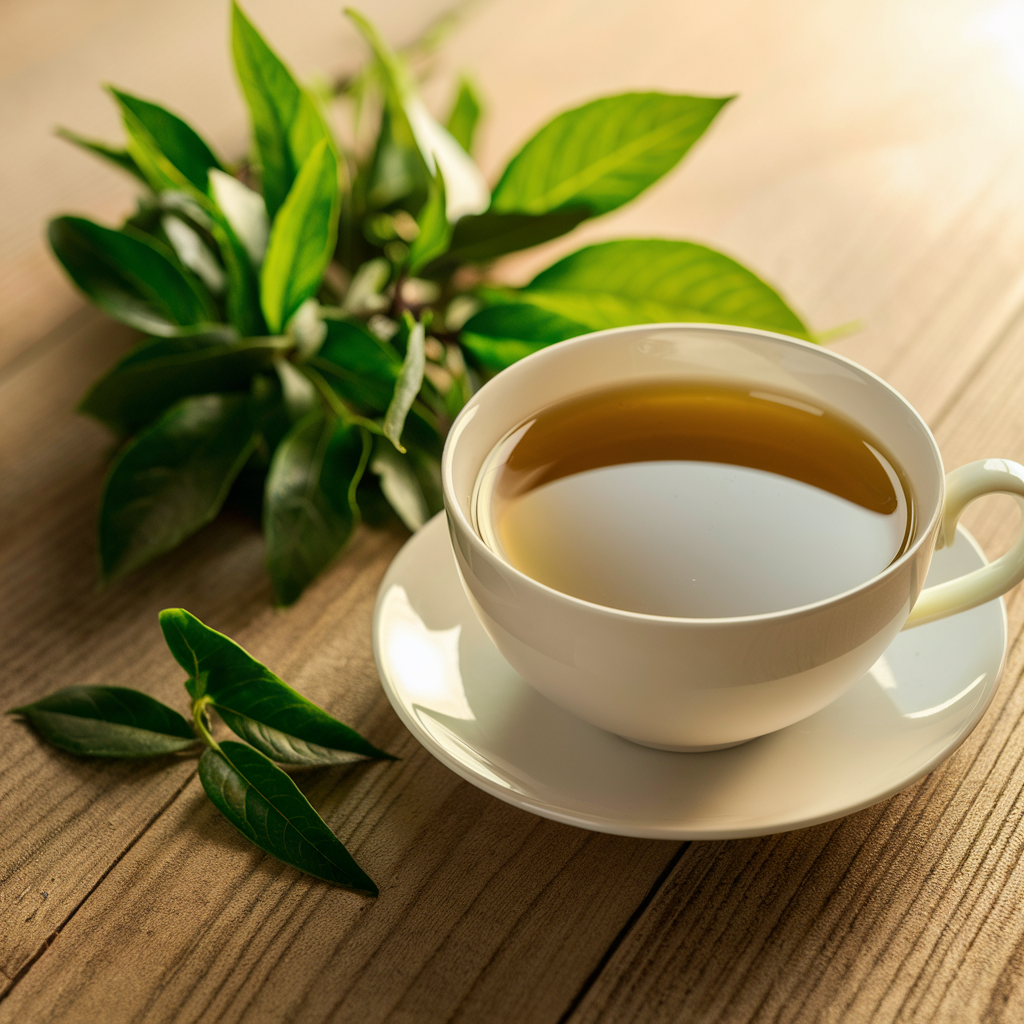
L-theanine (C₇H₁₄N₂O₃) is a non-protein amino acid primarily found in green tea (Camellia sinensis), certain mushroom varieties, and some plant species. It was first isolated from tea leaves in Japan in 1949 and represents up to 2% of the dry weight of tea leaves. What makes L-theanine especially unique is its ability to promote relaxation without sedation, a rare characteristic among natural compounds.
Chemically speaking, L-theanine shares structural similarities with glutamate, an excitatory neurotransmitter in the brain, which partially explains its neurological effects. It’s classified as an amino acid, though unlike essential amino acids, it is not used for protein synthesis in the body. Instead, it functions primarily as a neuroactive compound, influencing brain chemistry and activity.
Historical Background
The consumption of tea dates back thousands of years in Eastern cultures, particularly in China and Japan, where green tea has been valued not only as a beverage but as a medicinal remedy. Zen Buddhist monks have long consumed tea to promote alertness during meditation while maintaining a state of calm focus—effects now attributed to L-theanine.
Modern scientific interest in L-theanine began in the mid-20th century when Japanese researchers first isolated and identified the compound. Since then, particularly in the last two decades, research into L-theanine’s cognitive and neurological effects has expanded significantly, with studies confirming many of the traditional beliefs about tea’s calming yet focus-enhancing properties.
How L-Theanine Works in the Body
L-theanine exerts its effects through several mechanisms that contribute to its unique profile of benefits:
Blood-Brain Barrier Penetration: Unlike many compounds, L-theanine can cross the blood-brain barrier relatively quickly—typically within 30-45 minutes after ingestion. This direct access to the brain allows it to influence neurochemistry rapidly.
Neurotransmitter Interactions: L-theanine influences several key neurotransmitters in the brain:
- Increases GABA (gamma-aminobutyric acid) levels, the primary inhibitory neurotransmitter that reduces neuronal excitability
- Moderately increases dopamine and serotonin, neurotransmitters associated with mood regulation, pleasure, and well-being
- May block glutamate receptors, reducing the excitatory effects of this neurotransmitter
Alpha Brain Wave Stimulation: Perhaps most notably, L-theanine promotes alpha brain wave activity—the brain state associated with “wakeful relaxation” similar to what’s experienced during meditation. These brain waves (8-13 Hz) are linked to creativity, relaxed alertness, and reduced anxiety without drowsiness.
Science-Backed Benefits of L-Theanine
Anxiety and Stress Reduction
One of L-theanine’s most well-documented benefits is its ability to reduce anxiety and stress without causing sedation or impairment.
Clinical Studies on Anxiety Disorders: Multiple clinical trials have demonstrated L-theanine’s effectiveness in reducing symptoms of anxiety. A 2011 study published in the Journal of Clinical Psychiatry found that participants with diagnosed anxiety disorders experienced significant reductions in anxiety symptoms after taking 200mg of L-theanine daily compared to placebo. Another study in the Journal of Functional Foods showed that L-theanine reduced psychological and physiological stress responses in healthy adults under stressful conditions.
Everyday Stress Management: Beyond clinical anxiety, L-theanine shows remarkable benefits for everyday stress. Research demonstrates that it can lower heart rate, reduce cortisol levels (a key stress hormone), and decrease subjective feelings of stress during challenging tasks. A 2016 study found that L-theanine significantly reduced stress and improved executive function in healthy adults under psychological stress.
Comparison to Conventional Medications: Unlike benzodiazepines and other anti-anxiety medications, L-theanine doesn’t cause drowsiness, impaired cognition, or risk of dependency. While its effects may be more subtle than prescription medications, many users prefer L-theanine for regular use due to its favorable safety profile and lack of side effects.
Sleep Improvement
L-theanine can significantly enhance sleep quality without acting as a sedative.
Effects on Sleep Quality: Research indicates that L-theanine improves sleep efficiency (time spent asleep relative to time in bed) and sleep quality rather than acting as a sleep inducer. A 2018 study in the journal Nutrients found that 200mg of L-theanine taken before bed improved sleep quality and reduced sleep disturbances in patients with anxiety disorders.
Benefits for Insomnia Sufferers: For those with insomnia, particularly when related to anxiety or racing thoughts, L-theanine may provide relief by calming the mind without the hangover effects associated with sleep medications. A study involving boys with attention deficit hyperactivity disorder (ADHD) found that L-theanine improved sleep quality and reduced nocturnal activity.
Sleep Architecture Improvements: Some research suggests L-theanine may positively affect sleep architecture—the pattern and quality of different sleep stages. It appears to increase alpha brain wave activity, which correlates with deeper relaxation, and may enhance slow-wave sleep, the most restorative phase of the sleep cycle.
Cognitive Enhancement
Unlike many relaxing compounds that impair cognition, L-theanine actually enhances various aspects of cognitive function.
Focus and Attention Benefits: Research published in Nutritional Neuroscience demonstrated that L-theanine improved attention task performance and alertness. Particularly when combined with caffeine, L-theanine has been shown to significantly enhance attention switching and the ability to ignore distracting information.
Memory Enhancement: Several studies suggest L-theanine may improve memory function. A 2018 study found that participants taking L-theanine showed better working memory and executive function compared to a placebo group. The mechanisms appear to involve improved attention and reduced anxiety, which indirectly support better memory function.
Learning Abilities: Animal studies have demonstrated that L-theanine supplementation may enhance learning capacity and retention. While human studies are more limited in this area, preliminary evidence suggests improvements in cognitive learning domains, particularly when L-theanine is combined with caffeine.
Potential Neuroprotective Properties
Emerging research indicates L-theanine may offer protection against cognitive decline and neurodegenerative conditions.
Protection Against Cognitive Decline: Animal studies suggest L-theanine may help prevent age-related cognitive deterioration by protecting neurons from oxidative damage and reducing the impact of cerebrovascular disorders. A 2018 review in the journal Nutrients highlighted L-theanine’s potential to maintain cognitive function during aging.
Antioxidant Properties: L-theanine appears to enhance the body’s antioxidant defense systems, particularly in the brain. It increases glutathione levels—the body’s master antioxidant—and may reduce oxidative stress, which is implicated in many neurodegenerative conditions including Alzheimer’s and Parkinson’s diseases.
Other Emerging Benefits
Beyond its neurological effects, L-theanine shows promise for several other health aspects:
Blood Pressure Regulation: Research suggests L-theanine may help reduce blood pressure increases during stressful situations. A study in the Journal of Physiological Anthropology found that L-theanine reduced blood pressure elevations in high-stress-response adults performing challenging tasks.
Immune System Support: L-theanine may enhance immune function by boosting the activity of gamma-delta T cells, which represent the first line of defense against infection. A study in the journal Beverages found that L-theanine may help prevent the common cold and flu by strengthening immune response.
Potential Anti-Cancer Properties: Preliminary research, primarily in laboratory and animal models, suggests L-theanine may have anti-tumor properties and could potentially enhance the efficacy of certain cancer treatments while reducing side effects. However, much more research is needed before clinical applications can be considered.
L-Theanine and Caffeine: The Synergistic Combination
Why the Combination Works
The L-theanine and caffeine combination has become popular for good reason—these compounds complement each other’s effects in remarkable ways.
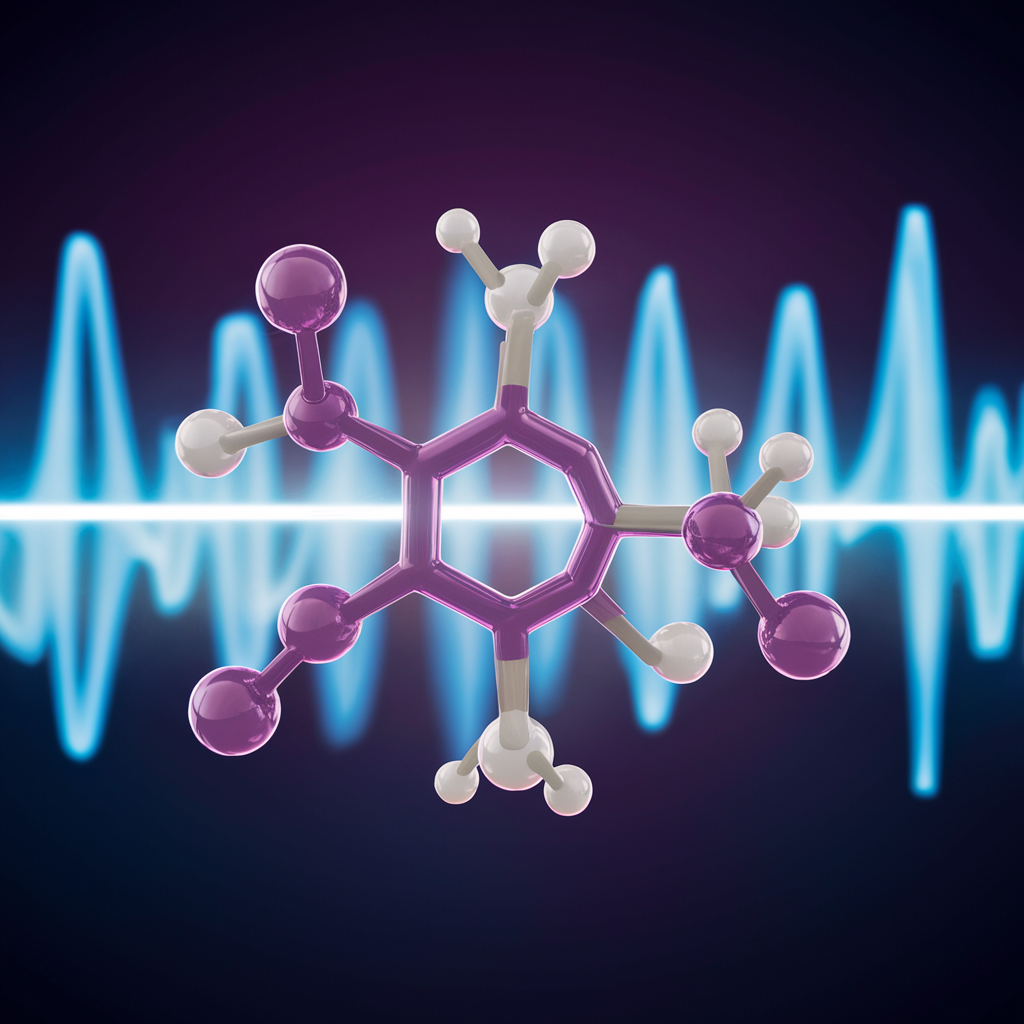
Complementary Neurological Effects: While caffeine increases alertness by blocking adenosine receptors and stimulating the central nervous system, L-theanine promotes relaxation without sedation. Together, they create a balanced state of alert calmness. L-theanine modulates caffeine’s stimulatory effects while preserving its cognitive benefits.
Balancing Stimulation and Relaxation: Research demonstrates that L-theanine can mitigate many of caffeine’s unwanted side effects, including jitteriness, anxiety, increased blood pressure, and disrupted sleep. This creates a smoother, more sustainable energy without the typical caffeine crash.
Optimal Ratios of L-Theanine to Caffeine
Research-Based Recommendations: Most scientific studies that have demonstrated positive effects use an L-theanine to caffeine ratio of 2:1—typically 200mg of L-theanine with 100mg of caffeine. This ratio has been shown to optimize cognitive benefits while minimizing negative side effects.
Personalized Approaches: Individual sensitivity to both compounds varies significantly. Some people may benefit from a higher ratio of L-theanine to caffeine (3:1 or 4:1), particularly those who are sensitive to caffeine’s stimulating effects. Others might prefer a 1:1 ratio for more energetic effects while still mitigating some of caffeine’s downsides.
Benefits of the Combination
Enhanced Focus Without Jitters: Multiple studies demonstrate that the L-theanine/caffeine combination significantly improves attention and focus compared to either compound alone. A landmark study published in Nutritional Neuroscience found that combining the two improved both speed and accuracy on attention-switching tasks.
Improved Cognitive Performance: Research published in Biological Psychology showed the combination enhanced word recognition, rapid visual information processing, attention switching, and reduced susceptibility to distraction—a comprehensive improvement in cognitive function.
Sustained Energy Without Crashes: The L-theanine/caffeine combination typically provides a longer-lasting, more stable energy boost compared to caffeine alone. Users report fewer crashes and less post-caffeine fatigue when L-theanine is included.
Dosage Guidelines for Different Purposes
Standard Recommended Dosages
General Wellness Maintenance: For general relaxation and wellness benefits, 100-200mg of L-theanine once or twice daily is typically recommended. This dosage range has been shown to promote alpha brain wave activity and gentle relaxation without sedation.
Therapeutic Dosing Considerations: When addressing specific health concerns, dosage may need adjustment based on individual response, body weight, and the severity of symptoms. Clinical studies have safely used daily doses ranging from 200mg to 900mg, though most benefits appear achievable in the lower part of this range.
Purpose-Specific Dosing
For Anxiety Relief: Research suggests 200-400mg of L-theanine is effective for reducing anxiety symptoms. For acute situational anxiety (such as before a presentation or stressful event), taking 200mg approximately 60 minutes before the event may help reduce anxiety symptoms. For ongoing anxiety management, 200mg 1-2 times daily has shown efficacy in clinical trials.
For Sleep Improvement: Studies indicate 200-400mg taken 30-60 minutes before bedtime can improve sleep quality. Those with more significant sleep disturbances may benefit from doses up to 600mg, though it’s best to start at the lower end and increase gradually as needed. Unlike sleep medications, L-theanine typically doesn’t cause morning grogginess.
For Cognitive Enhancement: When used for focus and cognitive performance, 100-200mg of L-theanine combined with 50-100mg of caffeine (maintaining the 2:1 ratio) has shown optimal results in research studies. This combination is most effective when taken 30-45 minutes before mental tasks requiring sustained attention.
Timing Considerations
Time of Day Recommendations: For anxiety and stress relief throughout the day, L-theanine can be taken in the morning and/or afternoon. For cognitive enhancement, morning or early afternoon is optimal, particularly when combined with caffeine, to avoid potential sleep disruption. For sleep improvement, taking L-theanine 30-60 minutes before bedtime is recommended.
Relation to Meals: L-theanine can be taken with or without food, as its absorption doesn’t appear to be significantly affected by meal timing. However, some users report faster effects when taking it on an empty stomach.
Frequency of Use: L-theanine can be taken daily without known tolerance issues. For general wellness, daily use is common. For specific situations like performance anxiety or occasional sleep difficulties, as-needed dosing is appropriate. Research indicates no significant diminishment of effects with regular use.
Age-Specific Considerations
Dosing for Different Age Groups: While most studies have been conducted on adults using the dosages mentioned above, limited research on younger populations suggests adjusted dosing based on body weight. For adolescents (when deemed appropriate by healthcare providers), lower doses starting at 100mg may be considered.
Special Considerations for Elderly: Older adults may benefit from L-theanine’s cognitive and neuroprotective properties. Standard adult dosages (100-200mg) are typically appropriate, though elderly individuals may want to start at the lower end of dosage recommendations and increase gradually, particularly if they are taking multiple medications.

Forms and Product Selection
Available Forms of L-Theanine
Capsules and Tablets: This is the most common and convenient form of L-theanine supplementation. Capsules and tablets typically contain 100-200mg of L-theanine per unit and offer precise dosing. Some formulations combine L-theanine with complementary ingredients like caffeine, GABA, or herbs like lemon balm for enhanced effects.
Powders: L-theanine is available in powder form, which allows for flexible dosing and can be mixed into beverages or smoothies. The powder is typically odorless with a slightly sweet taste. This form is often preferred by those who want to precisely adjust their dosage or combine L-theanine with other supplements.
Liquid Supplements: Liquid L-theanine supplements are available as drops or in pre-mixed beverages. These may offer faster absorption rates compared to capsules and are helpful for those who have difficulty swallowing pills. Liquid forms may also allow for more precise dose adjustments.
L-Theanine-Enriched Foods and Beverages: Beyond supplements, various functional foods and beverages are now fortified with L-theanine. These include specialized teas, chocolates, chewing gums, and even bottled water. While convenient, these products often contain lower doses than dedicated supplements, and the actual amount may vary between products.
What to Look for When Buying
Quality Indicators and Certifications: High-quality L-theanine supplements should be manufactured in GMP (Good Manufacturing Practice) certified facilities. Look for products that have been third-party tested for purity and potency, with certifications from organizations like USP, NSF, or Informed Choice. Some products will specifically list “Suntheanine®,” a patented form of L-theanine that has been extensively studied.
Dosage Accuracy and Bioavailability: Verify that the product clearly states the amount of L-theanine per serving. Some products may list a proprietary blend without specifying the exact L-theanine content. For optimal absorption, some formulations may include cofactors that enhance bioavailability.
Additional Ingredients: Check for unnecessary fillers, artificial colors, flavors, or preservatives. If you’re sensitive to certain ingredients or follow a specific dietary protocol (vegan, kosher, etc.), verify that the product meets your requirements. Some L-theanine supplements contain complementary ingredients like magnesium or B-vitamins, which may provide additional benefits depending on your needs.
Natural vs. Synthetic L-Theanine
Differences in Efficacy and Absorption: L-theanine can be obtained through both natural extraction (typically from tea leaves) or chemical synthesis. Research suggests that the molecular structure and efficacy are identical between natural and synthetic forms when properly produced. However, extraction methods can affect the final product’s purity and isomeric composition.
Suntheanine® vs. Generic L-theanine: Suntheanine® is a patented form of L-theanine produced through an enzymatic process that mimics the natural production in tea leaves. It contains pure L-theanine (as opposed to mixed D and L forms) and has been used in most clinical studies demonstrating benefits. Generic L-theanine may vary in isomeric purity, potentially containing both L and D forms, which may have different effects in the body. While generally more expensive, Suntheanine® offers consistent quality and matches the form used in most research studies.
Potential Side Effects and Safety Considerations
Reported Side Effects
Common Mild Side Effects: L-theanine is generally well-tolerated, with few reported side effects even at higher doses. The most commonly reported mild side effects include:
- Headaches (typically mild and transient)
- Digestive discomfort
- Dizziness
- Increased drowsiness (particularly at higher doses)
Rare Adverse Reactions: Serious adverse reactions to L-theanine are extremely rare. In some individuals, L-theanine may cause lowered blood pressure, which could be problematic for those with already low blood pressure or those taking blood pressure medications. Allergic reactions are possible but uncommon.
Drug Interactions
Blood Pressure Medications: Because L-theanine may lower blood pressure, it could potentially enhance the effects of antihypertensive medications, leading to hypotension (low blood pressure). Individuals taking medications such as ACE inhibitors, beta-blockers, or calcium channel blockers should consult with a healthcare provider before taking L-theanine.
Stimulants and Other Supplements: While L-theanine is often taken alongside caffeine to mitigate side effects, interactions with other stimulants (including prescription medications like methylphenidate or amphetamines) are less well-studied. Caution is advised when combining L-theanine with other supplements that affect neurotransmitter systems, such as 5-HTP, St. John’s Wort, or SAMe.
Sedatives and Sleep Medications: L-theanine may enhance the effects of medications or supplements with sedative properties, including benzodiazepines, sleep medications, and herbs like valerian or melatonin. This could potentially lead to increased drowsiness or sedation.
Contraindications
Pregnancy and Breastfeeding: Limited research exists on L-theanine’s safety during pregnancy and lactation. While moderate consumption of green tea (a natural source of L-theanine) is generally considered safe during pregnancy, there’s insufficient data on the safety of concentrated L-theanine supplements. Out of caution, pregnant or breastfeeding women should consult healthcare providers before using L-theanine supplements.
Pre-existing Medical Conditions: Individuals with low blood pressure, those taking medications for psychologic disorders, and people with liver or kidney conditions should approach L-theanine supplementation with caution and medical supervision. Those scheduled for surgery should discontinue L-theanine at least two weeks before the procedure due to its mild effects on blood pressure.
Long-term Safety Profile
Research on Chronic Use: L-theanine has been granted GRAS (Generally Recognized As Safe) status by the FDA for food use. Long-term studies specifically on L-theanine supplementation are limited, but data from populations with high green tea consumption suggests safety with chronic L-theanine intake at typical doses. A 2006 study evaluated daily consumption of L-theanine at 400mg for 8 weeks and found no adverse effects.
Tolerance Development: Unlike many psychoactive compounds, L-theanine does not appear to lead to tolerance, dependence, or withdrawal symptoms, even with consistent use. Long-term users typically report sustained benefits without needing to increase dosage over time. However, individual responses may vary, and some users report subjectively diminished effects over extended periods of regular use.
Real-World Usage Strategies
L-Theanine for Specific Life Situations
Work and Productivity Enhancement: For optimal work performance, 100-200mg of L-theanine combined with caffeine (50-100mg) taken 30 minutes before focused work sessions can enhance concentration while preventing the jitters and crash associated with caffeine alone. For extended workdays, a second dose may be taken after 4-6 hours.
Managing Social Anxiety: For social events that trigger anxiety, taking 200mg of L-theanine approximately 60 minutes beforehand can help reduce anxious feelings without causing sedation or impairing social function. Unlike alcohol or benzodiazepines, L-theanine may actually improve verbal fluency and social cognition rather than impairing it.
Exam Preparation and Performance: During intensive study periods, L-theanine can help maintain focus while preventing burnout. For exam days, 200mg taken 60 minutes before can help reduce test anxiety while supporting cognitive performance. The combination with a small amount of caffeine (50-100mg) may be particularly effective for maintaining alertness during lengthy exams.
Travel and Jet Lag Management: L-theanine may help mitigate the stress of travel and assist with sleep when crossing time zones. Taking 200mg during a long flight can promote relaxation, while 200-300mg before attempting sleep in a new time zone may help reset your body clock more effectively.
Incorporating L-Theanine into Daily Routines
Morning Rituals for Focus: Many users incorporate L-theanine into their morning routine by adding 100-200mg to their coffee or tea. This creates a balanced, focused start to the day without the mid-morning crash often experienced with caffeine alone.
Evening Wind-Down Protocols: To promote relaxation after a stressful day, 200mg of L-theanine taken 1-2 hours before bedtime can help transition from daily activities to sleep. Some users combine this with magnesium glycinate or small doses of melatonin for enhanced sleep benefits. Creating an evening ritual that includes L-theanine can signal to your body that it’s time to transition toward rest.
User Testimonials and Experiences
Success Stories: Many users report significant improvements in their quality of life with L-theanine supplementation. Common testimonials include professionals who were able to reduce or eliminate anxiety medications, students who improved academic performance through better focus and stress management, and individuals with insomnia who found natural relief without the side effects of sleep medications.
Common Reported Benefits: Beyond the clinically studied effects, consistent user reports highlight benefits including:
- Improved mood stability throughout the day
- Enhanced creativity and problem-solving abilities
- Better stress resilience during challenging situations
- Reduced caffeine consumption due to more sustained energy
- Improved dream recall and sleep quality
Frequently Asked Questions
How Quickly Does L-Theanine Work?
L-theanine typically begins to take effect within 30-45 minutes after ingestion. Most users report noticeable effects within this timeframe, though subtle changes in brain wave activity can be detected even sooner. The effects generally last 2-5 hours, depending on individual metabolism, dosage, and whether it was taken with food. Some users, particularly those sensitive to its effects, report faster onset times of 15-20 minutes.
Can L-Theanine Cause Dependency?
Research and extensive user experience suggest that L-theanine does not cause physical or psychological dependency, even with regular use. Unlike many anti-anxiety medications or sleep aids, L-theanine does not appear to lead to tolerance, withdrawal symptoms, or compulsive use patterns. This makes it appropriate for both occasional situational use and daily supplementation.
Is L-Theanine Suitable for Children?
Limited research exists on L-theanine use in children. Some small studies have investigated L-theanine for attention issues and sleep in children with conditions like ADHD and have demonstrated favorable safety profiles at doses of 100-200mg. However, any supplement use in children should be approached with caution and under pediatric healthcare supervision. The decision should consider the child’s specific health situation, medication use, and individual needs.
Can I Take L-Theanine with My Medications?
While L-theanine is generally safe, potential interactions exist with certain medications, including blood pressure medications, stimulants, and sedatives. Always consult with your healthcare provider before combining L-theanine with prescription medications, particularly those affecting the central nervous system or blood pressure. Bring specific information about your L-theanine product, including dosage and other ingredients, to your healthcare consultation.
How Does L-Theanine Compare to Other Anti-Anxiety Supplements?
Compared to other natural anti-anxiety supplements like kava, valerian, or ashwagandha, L-theanine offers unique advantages. Unlike many herbs with sedative properties, L-theanine promotes relaxation without drowsiness and may actually improve cognitive function. It typically has fewer side effects and drug interactions than many herbal preparations. However, for severe anxiety, L-theanine’s effects may be more subtle than some stronger herbal options or pharmaceutical interventions.
Natural Sources vs. Supplements: Which is Better?
While green tea is the richest natural source of L-theanine, obtaining therapeutic amounts solely from tea can be challenging. A typical cup of green tea contains approximately 25mg of L-theanine, meaning you would need 4-8 cups to reach the commonly studied therapeutic dose (100-200mg). Supplements offer precise dosing and convenience. However, tea provides additional beneficial compounds like catechins and polyphenols that work synergistically with L-theanine. Many health experts recommend both: enjoying green tea regularly for overall health benefits while using supplements when specific therapeutic effects are desired.
Conclusion
Summary of Key Benefits
L-theanine stands out as a remarkable supplement supported by robust scientific evidence for multiple benefits:
- Effective anxiety and stress reduction without sedation
- Improved sleep quality without morning grogginess
- Enhanced cognitive function, particularly when paired with caffeine
- Potential neuroprotective properties that may support long-term brain health
- Various emerging benefits for cardiovascular and immune health
These benefits, combined with L-theanine’s exceptional safety profile and minimal side effects, make it an attractive option for those seeking natural ways to improve mental performance and emotional wellbeing.
Personalized Approach to L-Theanine Usage
Finding your optimal L-theanine regimen may require some experimentation. Consider your specific goals, whether they’re reducing anxiety, improving sleep, enhancing cognition, or general wellness. Start with standard recommended dosages and adjust based on your response. Some individuals may benefit from combining L-theanine with complementary compounds like caffeine for focus, magnesium for sleep, or B-vitamins for stress management. Document your experiences to identify the most effective approach for your unique biochemistry and needs.
Future Research Directions
The scientific community continues to explore L-theanine’s potential applications. Promising areas for future research include L-theanine’s role in:
- Preventing or managing neurodegenerative diseases like Alzheimer’s
- Supporting treatment protocols for clinical anxiety and depression
- Enhancing cognitive performance in both healthy individuals and those with cognitive impairments
- Exploring cardiovascular and metabolic health applications
- Developing optimal combination therapies with other natural compounds
Final Recommendations
L-theanine represents one of the safest and most versatile natural compounds for supporting mental wellness and cognitive function. For most healthy adults, starting with 100-200mg daily is a reasonable approach, adjusting based on individual response. Those with specific concerns should consider purpose-specific dosing as outlined above. Given its impressive safety profile, L-theanine warrants consideration as part of a comprehensive approach to cognitive enhancement, stress management, and overall brain health. As with any supplement, consulting healthcare providers is recommended, particularly for those with existing health conditions or taking medications.
References and Further Reading
This guide draws on dozens of scientific studies published in peer-reviewed journals, including research from institutions such as Unilever Food and Health Research Institute, Taiyo Kagaku (developers of Suntheanine®), and numerous independent university research programs worldwide. Key studies include:
- Kimura, K., et al. (2007). L-Theanine reduces psychological and physiological stress responses. Biological Psychology, 74(1), 39-45.
- Nobre, A.C., et al. (2008). L-theanine, a natural constituent in tea, and its effect on mental state. Asia Pacific Journal of Clinical Nutrition, 17(S1), 167-168.
- Owen, G.N., et al. (2008). The combined effects of L-theanine and caffeine on cognitive performance and mood. Nutritional Neuroscience, 11(4), 193-198.
- Higashiyama, A., et al. (2011). Effects of l-theanine on attention and reaction time response. Journal of Functional Foods, 3(3), 171-178.
- Williams, J., et al. (2016). L-theanine as a functional food additive: Its role in disease prevention and health promotion. Beverages, 2(2), 13.
For those seeking to deepen their understanding of L-theanine, recommended resources include the journals Nutrients, Pharmacology Biochemistry and Behavior, and the Journal of Medicinal Food, which regularly publish research on L-theanine and related compounds.