

Millions of people reach for Gatorade daily, whether they’re hitting the gym, playing sports, or simply feeling thirsty. But is this colorful sports drink actually good for you? The answer isn’t as straightforward as you might think. While Gatorade can provide specific benefits in certain situations, it can also pose health risks when consumed inappropriately. Understanding when and how to use sports drinks like Gatorade is crucial for making informed decisions about your hydration and overall health.
What is Gatorade? Understanding Its Background and Composition
Originally developed in 1965 for the University of Florida Gators football team, Gatorade was specifically created to help athletes replace fluids and electrolytes lost through intense physical activity. What started as a sports performance aid has now become a mainstream beverage consumed by people of all activity levels.
The main ingredients in Gatorade include:
- Water – The primary component for hydration
- Electrolytes – Primarily sodium and potassium to replace what’s lost in sweat
- Sugars – Usually sucrose and dextrose for quick energy
- Artificial flavors and colors – To enhance taste and appearance
- Preservatives – To maintain shelf stability
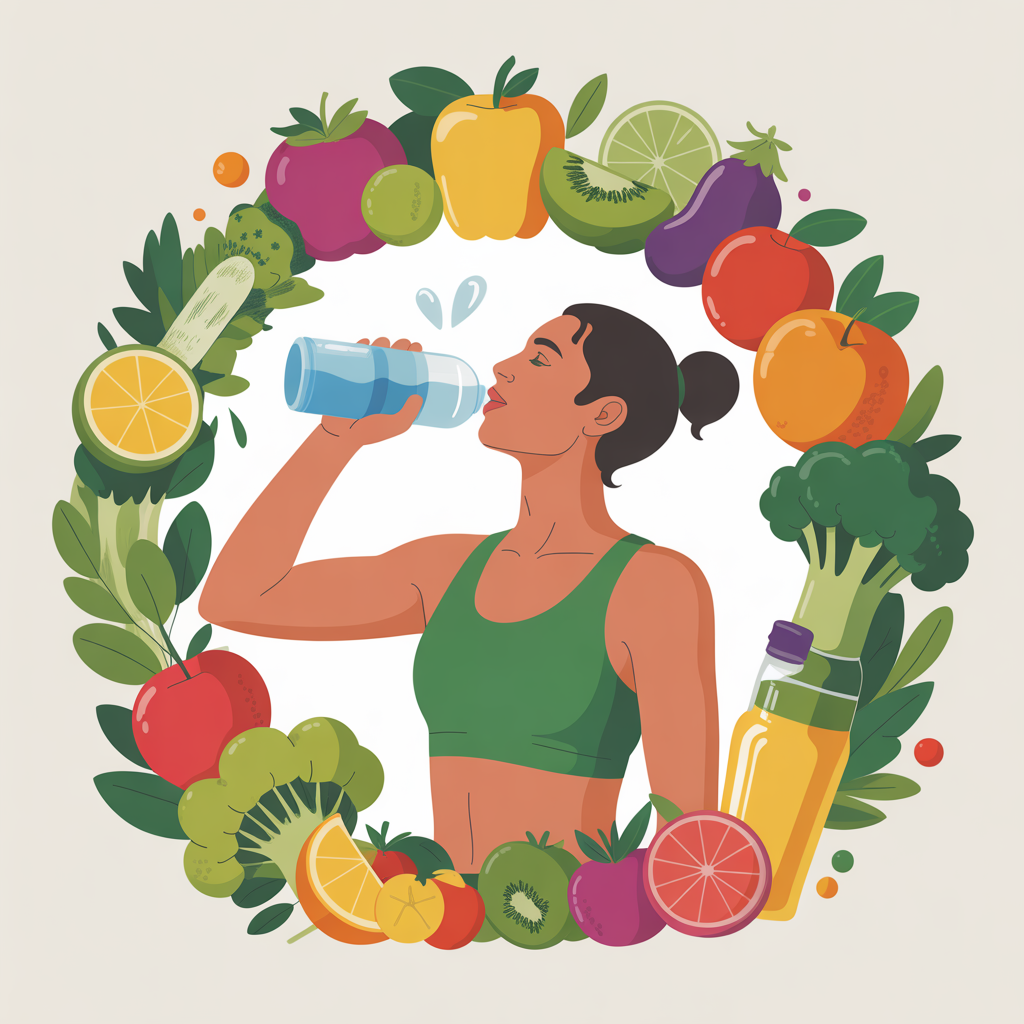
Today’s market offers several Gatorade varieties, including the original formula, Gatorade Zero (sugar-free), Gatorade Organic, and various protein-enhanced options. A typical 20-ounce bottle of original Gatorade contains approximately 140 calories, 36 grams of carbohydrates, 34 grams of sugar, and 270 milligrams of sodium.
The Potential Health Benefits of Gatorade
When used appropriately, Gatorade can offer several legitimate health benefits, particularly for active individuals and those in specific medical situations.
Rapid Hydration During Intense Exercise
During prolonged, intense physical activity, your body loses significant amounts of fluid through sweat. In these situations, Gatorade can be absorbed faster than plain water due to its sodium content, which helps your body retain fluids more effectively. This rapid hydration is particularly beneficial during activities lasting more than an hour or in hot, humid conditions.
Electrolyte Replenishment
Sweat contains important electrolytes, primarily sodium and potassium, which are essential for proper muscle function and fluid balance. Gatorade helps replace these lost electrolytes, potentially preventing muscle cramps, fatigue, and the dangerous condition known as hyponatremia (low blood sodium).
Quick Energy Source for Endurance Activities
The carbohydrates in Gatorade provide readily available energy that can help maintain blood sugar levels during extended physical activity. This is particularly valuable for endurance athletes who need to fuel their bodies continuously during long training sessions or competitions.
Recovery Support After Illness
Healthcare providers sometimes recommend sports drinks like Gatorade to help patients recover from illnesses that cause dehydration, such as gastroenteritis with vomiting or diarrhea. The combination of fluids, electrolytes, and easily digestible sugars can aid in rehydration when plain water isn’t sufficient.
The Health Risks and Concerns
Despite its benefits in specific situations, regular Gatorade consumption can pose several health risks, especially for sedentary individuals or those with certain health conditions.

High Sugar Content Issues
One of the most significant concerns about Gatorade is its sugar content. A single 20-ounce bottle contains 34 grams of added sugar, which exceeds the American Heart Association’s recommended daily limit of 25 grams for women. Regular consumption of high-sugar beverages is linked to:
- Weight gain and obesity
- Increased risk of type 2 diabetes
- Blood sugar spikes, particularly problematic for people with diabetes
- Metabolic syndrome
Excessive Sodium Intake
While sodium is necessary for proper hydration during intense exercise, the 270 milligrams per bottle can contribute significantly to daily sodium intake. For people with high blood pressure, kidney problems, or heart disease, this additional sodium may be concerning and could potentially worsen these conditions.
Artificial Additives
Gatorade contains artificial colors and flavors that some individuals may want to avoid. While these additives are generally recognized as safe by regulatory agencies, some people prefer to limit their consumption of artificial ingredients, and certain food dyes have been associated with hyperactivity in sensitive children.
Dental Health Concerns
The combination of sugar and acidity in Gatorade can be harmful to dental health. Frequent exposure to these sports drinks can erode tooth enamel and increase the risk of cavities, especially if consumed slowly over extended periods or used as a regular beverage replacement.
When Gatorade Might Be Good for You
Understanding when Gatorade can be beneficial is key to making informed choices about your hydration strategy.
Intense Exercise Longer Than One Hour
Sports medicine research indicates that sports drinks like Gatorade are most beneficial during exercise sessions lasting longer than 60 minutes. This includes activities such as:
- Long-distance running or cycling
- Team sports with continuous play
- High-intensity interval training sessions
- Any activity causing significant sweating
Hot Weather Conditions
When exercising in hot, humid environments, your sweat rate increases dramatically. In these conditions, the electrolyte replacement provided by Gatorade becomes more valuable, helping to maintain performance and prevent heat-related illnesses.
Medical Situations
Healthcare providers may recommend sports drinks in specific medical situations, such as recovery from illness-related dehydration or for individuals with certain medical conditions that affect fluid balance. Always follow your healthcare provider’s specific recommendations in these cases.
When Gatorade is NOT Good for You
There are many situations where Gatorade consumption may do more harm than good.
Casual, Light Exercise or Daily Activities
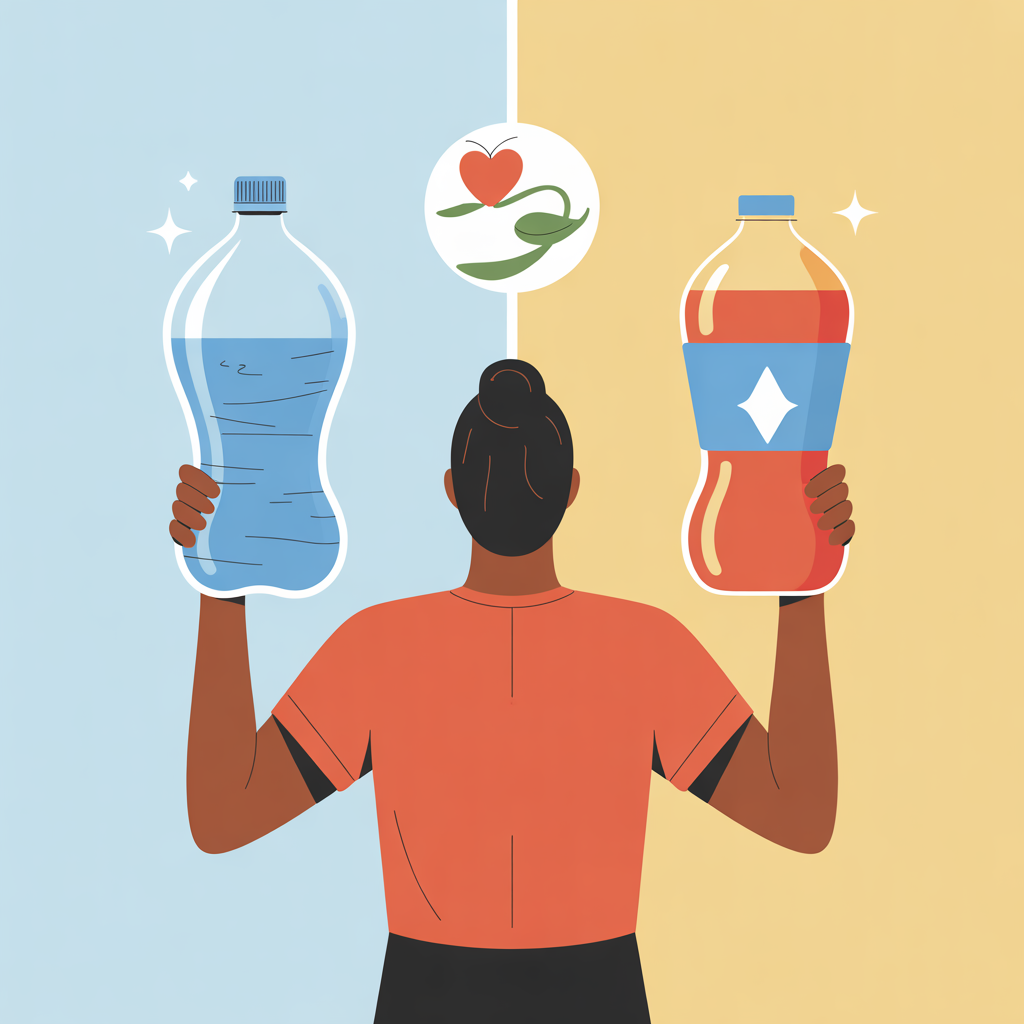
For typical gym workouts, short walks, or daily activities, plain water is usually sufficient for hydration. The extra calories and sodium in Gatorade are unnecessary and may contribute to weight gain or other health issues.
Pre-existing Health Conditions
Individuals with certain health conditions should be particularly cautious about regular Gatorade consumption:
- Diabetes or pre-diabetes: The high sugar content can cause problematic blood sugar spikes
- High blood pressure: Additional sodium may worsen hypertension
- Kidney problems: Excess sodium and electrolytes may strain kidney function
- Heart disease: Both high sodium and sugar content may be contraindicated
Children’s Regular Consumption
Pediatric health experts generally recommend that children stick to water for hydration unless they’re engaged in prolonged, intense physical activity. Regular consumption of sports drinks can contribute to childhood obesity and dental problems.
Healthier Alternatives to Consider
For most people and situations, several alternatives can provide better hydration with fewer health risks.
Plain Water
For the majority of hydration needs, plain water remains the gold standard. It’s calorie-free, readily available, and sufficient for most daily activities and moderate exercise.
Coconut Water
Natural coconut water provides electrolytes with less sugar than traditional sports drinks. It’s particularly rich in potassium and contains natural electrolytes without artificial additives.
Homemade Sports Drinks
You can create your own sports drink using water, a pinch of sea salt, and a small amount of natural fruit juice. This allows you to control the sugar content while still providing necessary electrolytes.
Low-Sugar Alternatives
Options like Gatorade Zero or other sugar-free sports drinks can provide electrolyte replacement without the high sugar content, though they do contain artificial sweeteners.
How to Make an Informed Decision
Deciding whether Gatorade is right for you requires honest assessment of your individual circumstances.
Assess Your Activity Level
Consider the intensity and duration of your physical activities. If you’re engaging in moderate exercise for less than an hour, water is likely sufficient. For longer, more intense activities, especially in hot conditions, sports drinks may provide benefits.
Evaluate Your Overall Health Status
Take into account any existing health conditions, your typical diet, and your overall health goals. If you’re trying to lose weight, manage diabetes, or have cardiovascular concerns, the extra calories and sodium in Gatorade may not align with your health objectives.
Read Labels and Understand Serving Sizes
Many bottles contain more than one serving, so always check the nutrition label to understand exactly how much sugar, sodium, and calories you’re consuming.
Expert Recommendations and Scientific Evidence
Current sports medicine research supports the use of sports drinks for specific athletic situations, particularly endurance activities lasting longer than an hour. However, nutrition experts consistently emphasize that for the average person, water meets most hydration needs.
The American Heart Association recommends limiting added sugars to no more than 6% of daily calories, which makes regular consumption of high-sugar sports drinks problematic for most people. Pediatric organizations generally recommend that children avoid sports drinks unless medically indicated or during prolonged intense physical activity.
It’s important to consult with healthcare providers or registered dietitians for personalized advice, especially if you have existing health conditions or specific athletic performance goals.
Conclusion: Making the Right Choice for Your Health
So, is Gatorade good for you? The answer depends entirely on your individual circumstances, activity level, and health status. For athletes engaged in prolonged, intense exercise or individuals in specific medical situations as recommended by healthcare providers, Gatorade can provide valuable benefits. However, for the average person going about daily activities or engaging in light to moderate exercise, the high sugar and sodium content may pose more risks than benefits.
The key is using Gatorade strategically and appropriately rather than as a regular beverage. When in doubt, plain water remains the safest and most effective choice for hydration. Remember that good health comes from balanced nutrition, regular physical activity, and making informed choices about what you put into your body.
Before making significant changes to your hydration strategy or if you have concerns about sports drink consumption, consider consulting with a healthcare provider or registered dietitian who can provide personalized recommendations based on your individual health needs and goals.