

Millions of people worldwide reach for a cold glass of water daily, but concerns about its health effects persist. From claims that cold water disrupts digestion to theories about metabolic impacts, the debate around water temperature and health continues. This comprehensive guide examines the scientific evidence behind cold water consumption, exploring its effects on digestion, metabolism, and overall wellness to help you make informed decisions about your hydration habits.
The Science Behind Cold Water and Your Body
How Your Body Responds to Cold Water
When you drink cold water, your body immediately initiates several physiological responses to maintain homeostasis. The primary mechanism involves thermoregulation, where your internal systems work to bring the cold liquid up to your core body temperature of approximately 98.6°F (37°C).
This process requires energy expenditure, as your body must generate heat to warm the cold water. Research indicates that drinking cold water can temporarily increase your metabolic rate by 10-30% for about 30-40 minutes as your body works to process the temperature change. This phenomenon, known as water-induced thermogenesis, represents one of the most scientifically documented effects of cold water consumption.
The immediate physiological responses include slight vasoconstriction in the digestive tract, temporary changes in heart rate, and activation of the sympathetic nervous system. These responses are generally mild and well-tolerated by healthy individuals.

Temperature’s Role in Bodily Functions
Your body maintains optimal function within a narrow temperature range. Cellular processes, including enzyme activity and metabolic reactions, operate most efficiently at normal body temperature. However, the temporary temperature changes from cold water consumption rarely affect core body temperature significantly enough to impair these processes.
Digestive enzymes, for instance, maintain their effectiveness even when exposed to cooler temperatures temporarily. The stomach’s robust acid environment and natural warming mechanisms quickly adjust the temperature of consumed liquids, minimizing any potential disruption to digestive processes.
Cold Water’s Impact on Digestion
Digestive Process and Temperature
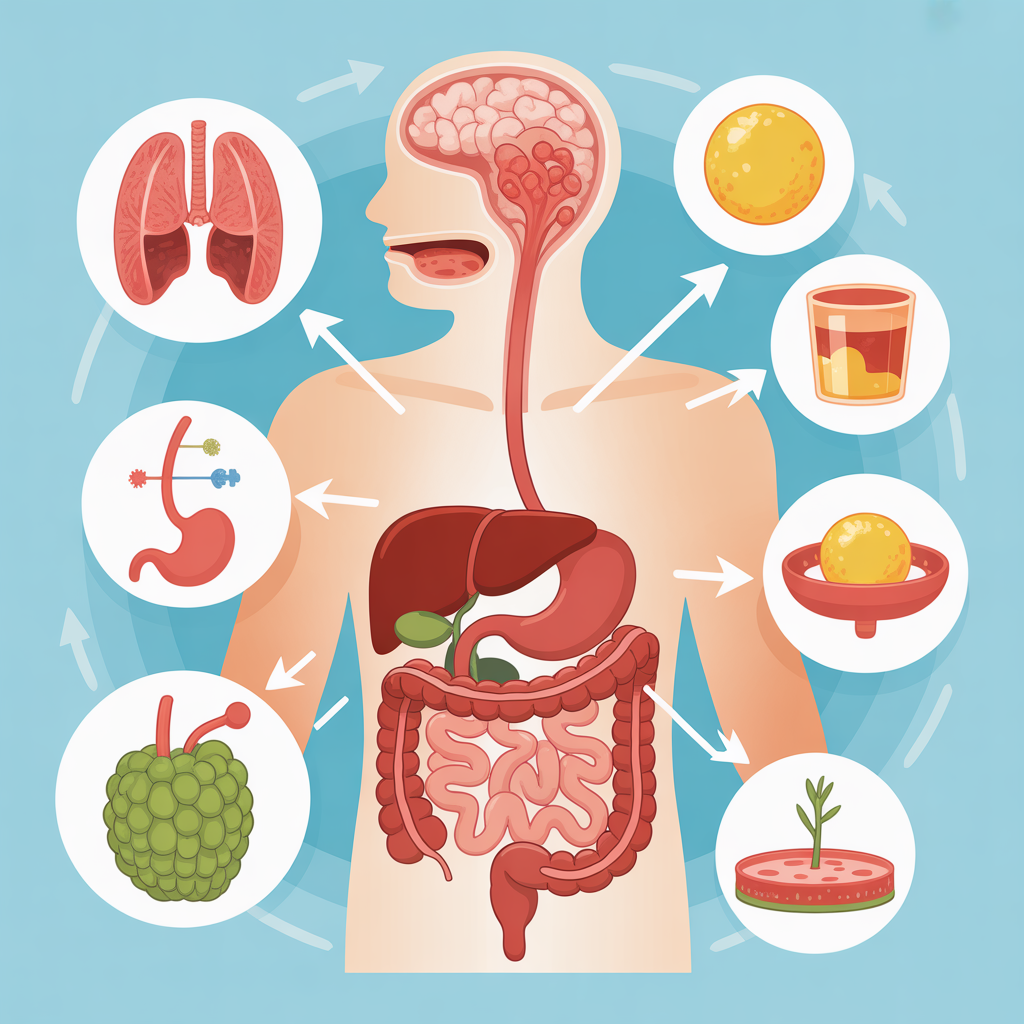
One of the most common concerns about cold water involves its potential impact on digestion. The digestive system is remarkably adaptive, designed to handle foods and beverages at various temperatures. When cold water enters your stomach, it’s quickly warmed by the body’s natural heating mechanisms and the warm environment of the digestive tract.
Stomach acid production remains largely unaffected by water temperature. The gastric environment maintains its acidic nature and digestive capability regardless of whether you consume cold or room-temperature water. The stomach’s muscular walls and blood supply efficiently regulate temperature, ensuring optimal conditions for digestion.
Transit time through the digestive system shows minimal variation between cold and room-temperature water. Studies indicate that while cold water might initially slow gastric emptying slightly, the difference is typically negligible and doesn’t significantly impact overall digestive efficiency.
Scientific Evidence on Digestive Effects
Multiple research studies have examined the relationship between water temperature and digestive function. A comprehensive review published in the European Journal of Clinical Nutrition found no significant long-term adverse effects of cold water consumption on digestive health in healthy individuals.
Comparative studies between cold water, room temperature water, and warm water consumption reveal that while individual preferences may vary, all temperatures provide adequate hydration and support normal digestive function. The key finding across research is that individual tolerance varies more significantly than temperature-related effects.
Some individuals may experience temporary discomfort when consuming very cold water, particularly those with sensitive digestive systems or certain gastrointestinal conditions. However, these reactions are typically mild and short-lived.
Common Digestive Concerns Addressed
A persistent myth suggests that cold water “solidifies fats” in the digestive system, making them harder to digest. This claim lacks scientific support. Fats are digested through enzymatic processes that occur regardless of water temperature. The body’s digestive mechanisms are sophisticated enough to handle dietary fats efficiently, independent of the temperature of beverages consumed alongside meals.
Nutrient absorption remains largely unaffected by water temperature. The intestinal absorption processes rely primarily on specific transport mechanisms and the chemical environment of the digestive tract, rather than temperature. Cold water doesn’t impair your body’s ability to absorb vitamins, minerals, or other essential nutrients from food.
Stomach contractions, which help break down food mechanically, may be temporarily affected by very cold temperatures, but this effect is minimal and doesn’t significantly impact overall digestive efficiency.
Cold Water and Metabolism
Thermogenesis and Calorie Burning
Water-induced thermogenesis represents one of the most measurable effects of cold water consumption. When you drink cold water, your body expends energy to warm it to body temperature, temporarily increasing your metabolic rate. This process burns approximately 17-25 calories per 500ml of cold water consumed.
While this caloric expenditure exists, it’s important to understand its magnitude. The metabolic boost from cold water is temporary, lasting 30-60 minutes, and represents a relatively small portion of your total daily energy expenditure. The increase in metabolic rate ranges from 10-30%, but this applies only to the brief period following consumption.
The thermogenic effect occurs because your body must work to maintain homeostasis. This process involves various physiological mechanisms, including increased cellular activity, enhanced circulation to warm tissues, and activation of metabolic pathways designed to generate heat.
Weight Management Implications
Claims about cold water as a significant weight loss tool require careful examination. While the thermogenic effect is real and measurable, its contribution to weight management should be viewed realistically. The additional calories burned from drinking cold water alone would not result in substantial weight loss without other lifestyle modifications.
Cold water consumption can support weight management efforts when integrated into a comprehensive approach that includes balanced nutrition and regular physical activity. The temporary metabolic boost, combined with water’s role in satiety and proper hydration, can contribute to overall wellness goals.
It’s crucial to maintain realistic expectations about cold water’s role in weight management. While every calorie burned contributes to energy balance, the primary benefits of adequate hydration extend far beyond the temporary metabolic effects of water temperature.
Hydration Effectiveness
Cold vs. Room Temperature Water for Hydration
The primary purpose of water consumption is hydration, and both cold and room temperature water effectively meet this need. Absorption rates show minimal variation between different water temperatures, with all temperatures providing adequate cellular hydration.
Cold water absorption may be slightly slower initially due to the body’s need to warm the liquid, but this difference is negligible in practical terms. Your body’s hydration status depends more on total water intake and consistency of consumption rather than temperature.
Electrolyte balance remains stable regardless of water temperature. The body’s sophisticated regulatory mechanisms maintain proper mineral concentrations and cellular hydration regardless of whether you prefer cold or room temperature water.
Exercise and Athletic Performance
Athletes and fitness enthusiasts often have specific preferences regarding water temperature based on performance and comfort considerations. Cold water can provide psychological and physiological benefits during exercise, particularly in warm environments.
Pre-workout hydration with cold water may enhance alertness and provide a refreshing sensation that some individuals find motivating. During exercise, cold water can help with thermoregulation, especially in hot conditions, potentially improving endurance and performance.
Post-workout recovery may benefit from cold water consumption as it can help lower core body temperature and provide rapid rehydration. However, the most important factor remains consistent fluid replacement regardless of temperature preference.
Potential Benefits of Cold Water
Positive Effects
Cold water consumption offers several documented benefits beyond basic hydration. Enhanced alertness and mental clarity often occur immediately after drinking cold water, as the temperature shock can stimulate the nervous system and increase arousal levels.
The metabolic boost, while modest, represents a legitimate physiological benefit. This temporary increase in energy expenditure, combined with the refreshing sensation, can contribute to improved mood and energy levels throughout the day.
In hot weather conditions, cold water provides superior cooling effects compared to room temperature alternatives. This makes it particularly beneficial for preventing heat-related stress and maintaining comfort during warm seasons or in heated environments.
Some research suggests that cold water consumption may enhance cognitive function temporarily, possibly due to the stimulating effects on circulation and nervous system activation. These effects can be particularly noticeable during periods of fatigue or mental sluggishness.
Specific Situations Where Cold Water Helps
Hot weather and heat stress situations clearly favor cold water consumption. The cooling effect helps regulate body temperature and prevents overheating, making cold water an excellent choice during summer months or in warm climates.
During fever episodes, cold water can provide comfort and assist in temperature regulation, though it should complement rather than replace appropriate medical care. The cooling sensation often feels soothing when body temperature is elevated.
Post-exercise cooling benefits make cold water particularly valuable for athletes and active individuals. The rapid temperature reduction can accelerate recovery and provide immediate relief after intense physical activity.
Potential Drawbacks and When to Avoid Cold Water
Sensitive Individuals
Certain individuals may experience discomfort or adverse reactions to cold water consumption. People with sensitive digestive systems, including those with gastroesophageal reflux disease or irritable bowel syndrome, might find cold water triggers symptoms or increases discomfort.
Age-related considerations include both very young children and elderly individuals, who may have different temperature tolerances and regulatory mechanisms. Young children might be more sensitive to temperature extremes, while elderly individuals may have reduced thermoregulatory efficiency.
Individuals with certain cardiovascular conditions should consult healthcare providers about optimal water temperature, as cold water can temporarily affect heart rate and circulation in sensitive individuals.
Specific Situations to Avoid Cold Water
During illness, particularly respiratory infections like colds or flu, some healthcare traditions suggest avoiding very cold water. While scientific evidence for this recommendation is limited, some individuals report increased comfort with room temperature or warm beverages during illness.
Timing considerations around meals vary by individual. Some people find that very cold water consumed immediately before or during meals causes temporary digestive discomfort, though this varies significantly among individuals.
Certain prescriptions may interact with temperature extremes, making it advisable to consult with healthcare providers about optimal hydration practices when taking specific types of medications.
Cultural and Traditional Medicine Perspectives
Traditional Chinese Medicine typically recommends avoiding cold water, particularly during meals, based on theories about digestive “fire” and energy balance. While these perspectives lack modern scientific validation, they represent important cultural considerations for some individuals.
Ayurvedic medicine similarly emphasizes room temperature or warm water consumption, believing that cold water can disrupt digestive processes and overall energy balance. These traditional approaches focus on individual constitution and balance rather than universal recommendations.
Cultural practices around water temperature vary globally, often influenced by climate, traditional beliefs, and historical availability of temperature-controlled beverages. Understanding these perspectives can help individuals make choices that align with their cultural values and personal comfort.
Expert Opinions and Medical Insights
What Healthcare Professionals Say
Gastroenterologists generally agree that healthy individuals can safely consume cold water without significant adverse effects on digestive function. The stomach’s robust environment and natural warming mechanisms effectively handle temperature variations in consumed beverages.
Nutritionists emphasize that hydration quality matters more than water temperature for most people. The focus should remain on consistent water intake, proper hydration throughout the day, and listening to individual body responses rather than strict adherence to specific temperatures.
Sports medicine experts often support cold water consumption for athletes, particularly in hot weather conditions or during intense training sessions. The cooling effects and rapid rehydration properties make cold water valuable for performance and recovery in athletic contexts.
Debunking Common Myths
The myth that cold water significantly weakens the immune system lacks scientific support. While extreme cold exposure can stress the body, normal cold water consumption doesn’t impair immune function or increase susceptibility to illness in healthy individuals.
Claims about cold water causing heart problems are largely unfounded for healthy individuals. While very cold water might cause temporary cardiovascular responses, these are typically mild and well-tolerated by people without underlying heart conditions.
Respiratory system effects from cold water consumption are minimal. Unlike cold air exposure, which can trigger respiratory responses in some individuals, cold water consumption rarely affects breathing or lung function significantly.
Practical Guidelines for Cold Water Consumption
Who Should Drink Cold Water
Healthy individuals without specific digestive sensitivities can safely enjoy cold water as part of their regular hydration routine. Active people, athletes, and those living in warm climates may particularly benefit from cold water’s cooling and refreshing properties.
People seeking to maximize the small metabolic benefits of thermogenesis might choose cold water, understanding that these effects are modest and temporary. Cold water can be especially appealing for those who struggle to drink adequate amounts of plain water and find cold temperature more palatable.
Who Should Be Cautious
Individuals with diagnosed digestive disorders, including gastroesophageal reflux disease, gastritis, or irritable bowel syndrome, should pay attention to their body’s responses to cold water and may benefit from room temperature alternatives if discomfort occurs.
People with cardiovascular conditions should discuss optimal hydration practices with their healthcare providers, as individual responses to cold water can vary based on specific health conditions and treatments.
Those taking medications that affect circulation, digestion, or temperature regulation should consult with healthcare professionals about the most appropriate hydration approaches for their specific situations.
Optimal Timing and Quantity
The best times for cold water consumption often align with when cooling effects are most beneficial: during or after exercise, in hot weather, or when seeking alertness and refreshment. Morning consumption can provide an energizing start to the day for many people.
Quantity recommendations remain consistent with general hydration guidelines: approximately 8 glasses of water daily, adjusted for individual needs, activity levels, and environmental conditions. Water temperature doesn’t change these fundamental hydration requirements.
Balancing cold water with other beverages throughout the day can provide variety and ensure comfort across different situations and personal preferences.
Alternative Approaches and Recommendations
Finding Your Optimal Water Temperature
Personal preference plays a significant role in hydration success. The most important factor is finding a water temperature that encourages consistent consumption throughout the day. Some individuals naturally prefer cold water, while others find room temperature more comfortable.
Determining what works best for you involves paying attention to your body’s responses, comfort levels, and any digestive or other reactions to different water temperatures. Experimenting mindfully with various temperatures can help identify your optimal choice.
Gradual temperature adjustment strategies can help individuals transition between preferences if desired. Starting with slightly cooler or warmer water and gradually adjusting can allow your body to adapt to new temperature preferences over time.
Balanced Hydration Strategy
Mixing different temperature waters throughout the day can provide variety and address different needs. Cold water might be preferred during exercise or hot weather, while room temperature water could be chosen during meals or when seeking gentle hydration.
Seasonal considerations naturally influence water temperature preferences. Summer months often favor colder water, while winter might call for room temperature or warm beverages to complement overall comfort and seasonal hydration needs.
Activity-based temperature choices can optimize hydration for specific situations: cold water for exercise and hot weather, room temperature for regular daily hydration, and warm beverages for comfort during illness or cold weather.
Conclusion
Summary of Key Findings
Cold water is not inherently “bad” for most healthy individuals. The scientific evidence shows that cold water provides effective hydration while offering some modest benefits, including temporary metabolic increases and cooling effects. The digestive system handles cold water well, with minimal impact on normal digestive processes.
Individual factors matter most in determining optimal water temperature. Personal comfort, digestive sensitivity, health conditions, and lifestyle factors should guide choices more than universal recommendations. The most important aspect remains consistent, adequate hydration regardless of temperature preference.
Context-dependent benefits and drawbacks exist for cold water consumption. While cold water offers advantages in hot weather and during exercise, some individuals may find room temperature water more comfortable, particularly during illness or with certain digestive conditions.
Final Recommendations
Listen to your body’s signals and responses to different water temperatures. Pay attention to how cold water affects your comfort, digestion, and overall well-being, adjusting your choices based on these personal observations.
Consider personal health factors when making hydration decisions. Individuals with specific medical conditions, digestive sensitivities, or other health concerns should prioritize comfort and consult with healthcare providers when necessary.
Maintain consistent hydration as the primary goal, regardless of temperature preference. The health benefits of adequate water intake far outweigh any minor temperature-related considerations for most people.
Call to Action
Consult healthcare providers for specific concerns about water temperature and health, particularly if you have existing medical conditions or experience discomfort with certain temperatures. Professional guidance can help address individual needs and circumstances.
Experiment mindfully with water temperature preferences, paying attention to how different temperatures affect your hydration habits, comfort, and overall wellness. The goal is finding an approach that supports consistent, adequate water intake throughout your daily routine.