

A stye can be both painful and frustrating, especially when you need to look your best the next day. While completely eliminating a stye overnight isn’t always possible, there are several proven methods that can significantly reduce inflammation, pain, and speed up the healing process within 24 hours. This comprehensive guide will walk you through the most effective techniques to get fast relief from a stye, along with realistic expectations about what overnight treatment can accomplish.
Understanding Styes: The Basics
What is a Stye?
A stye, medically known as a hordeolum, is a painful, red bump that forms on or around the eyelid. It occurs when oil glands or hair follicles around the eyelash become blocked and infected. There are two main types of styes:
- External styes: Form on the outside of the eyelid and are more common
- Internal styes: Develop inside the eyelid and tend to be more painful
Common symptoms include:
- Red, swollen bump on the eyelid
- Pain and tenderness around the affected area
- Excessive tearing
- Light sensitivity
- Feeling like something is in your eye
What Causes Styes?
Most styes are caused by bacterial infections, particularly Staphylococcus aureus bacteria. Several factors can increase your risk of developing a stye:
- Poor eyelid hygiene
- Touching your eyes with dirty hands
- Using old or contaminated makeup
- Sharing towels or eye makeup
- Chronic conditions like blepharitis or rosacea
- Stress and lack of sleep
- Hormonal changes
Immediate Relief Methods (First 24 Hours)
Warm Compress Technique
The warm compress method is the most effective and widely recommended treatment for styes. Here’s how to do it properly:
- Prepare the compress: Use a clean washcloth soaked in warm (not hot) water
- Test the temperature: Ensure it’s comfortable against your skin
- Apply gently: Place the compress over the closed affected eye
- Hold for 10-15 minutes: Keep the compress in place, rewarming as needed
- Repeat frequency: Apply 3-4 times daily for maximum effectiveness
Warm compresses work by:
- Improving blood circulation to the area
- Helping to soften and drain the blocked oil gland
- Reducing inflammation and pain
- Promoting faster healing
Proper Eye Hygiene
Maintaining excellent eye hygiene is crucial for healing and preventing further infection:
- Wash your hands thoroughly before and after touching your eye area
- Use mild, fragrance-free cleanser or baby shampoo diluted with warm water
- Gently clean the eyelid with a cotton swab or clean cloth
- Avoid harsh scrubbing which can irritate the area further
- Pat dry with a clean towel
Over-the-Counter Solutions
Several over-the-counter options can provide relief:
- Antibiotic eye ointments: Can help prevent secondary bacterial infections
- Artificial tears: Provide moisture and comfort for irritated eyes
- Oral pain relievers: Anti-inflammatory medications can reduce pain and swelling
Always read labels carefully and consult with a pharmacist if you’re unsure about which product to choose.
Proven Home Remedies for Fast Results
Tea Bag Compress Method
Certain teas have natural anti-inflammatory and antibacterial properties that can help treat styes:
Green Tea:
- Contains antioxidants and anti-inflammatory compounds
- Steep a tea bag in hot water for 3-5 minutes
- Allow to cool until comfortably warm
- Apply to the affected eye for 10-15 minutes
Chamomile Tea:
- Has soothing and anti-inflammatory properties
- Follow the same preparation method as green tea
- Particularly effective for reducing irritation
Aloe Vera Treatment
Aloe vera has natural anti-inflammatory and antibacterial properties:
- Use only pure, organic aloe vera gel
- Apply a small amount to the affected area (avoid getting it in the eye)
- Leave on for 15-20 minutes before gently rinsing
- Use 2-3 times daily
Safety considerations:
- Ensure the aloe vera is free from additives or fragrances
- Test on a small area first to check for allergic reactions
- Avoid direct contact with the eyeball
Turmeric Paste Application
Turmeric contains curcumin, which has powerful anti-inflammatory and antibacterial properties:
- Mix a small amount of turmeric powder with water to form a paste
- Apply carefully around the stye (not directly on the eye)
- Leave on for 10-15 minutes
- Rinse thoroughly with warm water
Important precautions:
- Turmeric can stain skin and clothing
- Use sparingly and avoid getting it in the eye
- Discontinue if irritation occurs

Professional Treatment Options
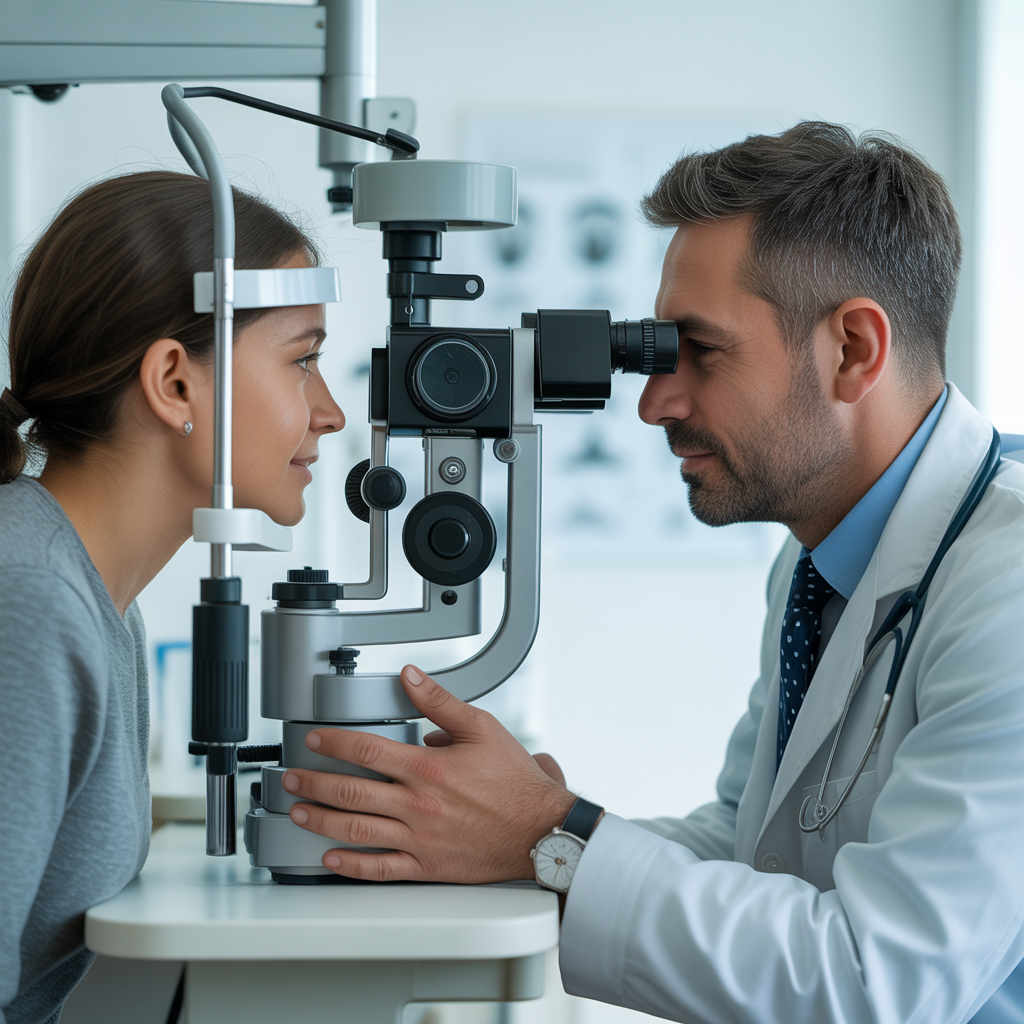
When to See a Doctor
While many styes can be treated at home, certain situations require professional medical attention:
- The stye doesn’t improve after 48-72 hours of home treatment
- Vision becomes affected or blurred
- The entire eyelid becomes red and swollen
- You develop a fever
- The stye is unusually large or painful
- You experience recurring styes
- You have underlying conditions that affect your immune system
Medical Treatments Available
Healthcare professionals have several treatment options:
- Topical antibiotics: Prescription-strength ointments or drops
- Oral antibiotics: For more severe or recurring infections
- Professional drainage: In cases where the stye doesn’t drain naturally
- Steroid injections: For severe inflammation that doesn’t respond to other treatments
What NOT to Do
Common Mistakes to Avoid
These actions can worsen your stye or lead to complications:
- Never pop or squeeze a stye: This can spread infection and cause scarring
- Avoid wearing makeup: Cosmetics can introduce bacteria and delay healing
- Don’t wear contact lenses: They can irritate the eye and spread infection
- Don’t share towels or pillowcases: This can spread bacteria to others or reinfect yourself
- Avoid rubbing or touching: This can worsen inflammation and spread infection
Potentially Harmful “Remedies”
Be wary of these dangerous internet suggestions:
- Using needles or sharp objects: Can cause serious injury and infection
- Applying undiluted essential oils: Can cause chemical burns
- Using expired eye drops: Can introduce harmful bacteria
- Applying ice directly: Can damage delicate eye tissues
Prevention Strategies
Daily Eye Care Routine
Preventing styes is easier than treating them:
- Remove makeup thoroughly: Use gentle makeup remover every night
- Replace makeup regularly: Mascara and eyeliner should be replaced every 3-6 months
- Clean makeup brushes: Wash weekly with mild soap and water
- Wash hands frequently: Especially before touching your face
- Get adequate sleep: Poor sleep can weaken your immune system
Long-term Prevention Tips
- Manage underlying conditions like blepharitis or rosacea
- Maintain a healthy diet rich in vitamins and minerals
- Stay hydrated to support overall eye health
- Practice stress management techniques
- Regular eye exams to catch problems early
Expected Timeline and Results
Realistic Overnight Expectations
While the term “overnight” is appealing, it’s important to have realistic expectations:
- Within 24 hours: You may notice reduced pain and swelling
- 2-3 days: Significant improvement in symptoms
- 1 week: Most styes resolve completely
- Some cases: May take up to 2 weeks for complete healing
Monitoring Progress
Signs that your treatment is working:
- Decreased pain and tenderness
- Reduced swelling and redness
- Natural drainage of the stye
- Improved vision if it was affected
Contact a healthcare provider if you notice worsening symptoms or no improvement after 72 hours of consistent treatment.
Frequently Asked Questions
How long do styes typically last?
Most styes resolve within 7-10 days with proper treatment. However, some may take up to 2 weeks to completely heal.
Are styes contagious?
Styes themselves aren’t contagious, but the bacteria that cause them can be spread through direct contact or sharing personal items like towels or makeup.
Can I wear makeup with a stye?
It’s best to avoid makeup until the stye heals completely. Makeup can introduce bacteria and delay healing.
Will a stye go away on its own?
Many styes will resolve on their own within 1-2 weeks. However, proper treatment can speed up healing and provide comfort.
How can I prevent styes from recurring?
Maintain good eyelid hygiene, replace makeup regularly, avoid touching your eyes, and manage any underlying conditions that may contribute to stye formation.
Conclusion
While completely eliminating a stye overnight isn’t always possible, the methods outlined in this guide can provide significant relief within 24 hours. The key to success lies in starting treatment immediately, maintaining consistency, and having realistic expectations. Warm compresses remain the most effective treatment, while proper hygiene and over-the-counter solutions can support the healing process.
Remember that patience is crucial – rushing the healing process by squeezing or popping the stye can lead to complications and prolonged healing time. If your stye doesn’t improve within 72 hours or if you experience concerning symptoms, don’t hesitate to consult with a healthcare professional.
Prevention is always better than treatment, so incorporate good eye hygiene practices into your daily routine to minimize the risk of future styes. With the right approach, you can effectively manage styes and maintain healthy, comfortable eyes.