

Skin tags are small, benign growths that hang from the skin by a thin stalk. While harmless, these flesh-colored or slightly darker growths can be annoying, unsightly, or become irritated when they catch on clothing or jewelry. If you’re dealing with these common skin growths, you’re not alone—nearly half of all adults develop skin tags at some point. The good news is that numerous effective removal methods exist, ranging from simple home remedies to professional medical procedures. This comprehensive guide will walk you through everything you need to know about safely removing skin tags and preventing their recurrence, helping you make informed decisions about the best approach for your specific situation.
Understanding Skin Tags
Skin tags (acrochordons) are small, soft growths that typically appear in areas where skin folds or experiences friction. These benign tumors consist of loose collagen fibers, blood vessels, and sometimes fat cells, all covered by a layer of skin. They’re connected to your body by a thin stalk called a peduncle, giving them their characteristic hanging appearance.
Common locations for skin tags include:
- Neck
- Armpits
- Eyelids
- Under breasts
- Groin area
- Buttock folds
Several factors increase your likelihood of developing skin tags:
- Friction: Areas where skin rubs against skin or clothing are prime locations for skin tag development
- Genetics: Family history may predispose you to developing skin tags
- Hormonal changes: Pregnancy and other hormonal fluctuations can trigger their growth
- Weight: Overweight and obese individuals tend to develop more skin tags
- Age: Incidence increases with age, particularly after 40
- Insulin resistance: Conditions like diabetes and metabolic syndrome correlate with increased skin tag formation
It’s important to differentiate skin tags from other skin conditions. Unlike warts, skin tags aren’t contagious and typically have a narrow base. They also differ from moles, which are usually flat or slightly raised rather than hanging. While most skin tags remain small (2-5mm), some can grow larger and warrant medical attention, especially if they change in color, bleed, or cause pain.
Home Remedies for Skin Tag Removal
If you prefer to try removing skin tags yourself before seeking professional help, several home remedies have shown varying degrees of effectiveness. Always remember that these methods should only be used on confirmed skin tags, not other skin growths, and never on tags near sensitive areas like the eyes.
Apple Cider Vinegar Method
Step-by-step instructions:
- Clean the skin tag and surrounding area with mild soap and water
- Soak a cotton ball in apple cider vinegar
- Apply directly to the skin tag, ensuring it’s thoroughly saturated
- Secure with a bandage and leave overnight
- Repeat daily for 1-2 weeks until the tag darkens and falls off
Safety precautions: This method may cause skin irritation. Always perform a patch test first and discontinue if excessive redness, burning, or irritation occurs. The acidic nature of apple cider vinegar works by gradually breaking down the tissue, but this can damage surrounding skin if not applied carefully.
Tea Tree Oil Application
Application techniques:
- Clean the area thoroughly
- Dilute tea tree oil with a carrier oil like coconut or jojoba (3-4 drops carrier oil to 1 drop tea tree oil)
- Apply to the skin tag using a cotton swab
- Repeat 2-3 times daily
Tea tree oil contains antifungal and antiseptic properties that may help dry out the skin tag over time. Results typically take 3-6 weeks of consistent application.
Other Natural Remedies
Vitamin E treatment: Breaking open a vitamin E capsule and applying the oil directly to the skin tag may help soften the tissue and promote natural removal over several weeks.
Banana peel method: Place the inside of a banana peel against the skin tag, secure with a bandage, and leave overnight. The enzymes in the peel may help break down the skin tag tissue.
Garlic application: Crush fresh garlic, apply to the skin tag, and cover with a bandage overnight. Garlic’s natural antioxidant and anti-inflammatory properties may help reduce the size of skin tags over time.
Effectiveness ratings: Home remedies generally have variable success rates. Tea tree oil and apple cider vinegar tend to be the most consistently effective, with approximately 30-40% of users reporting success. Other methods like banana peel and garlic have less scientific support but anecdotal success.
Safety warnings: Never attempt to cut, clip, or scratch off skin tags at home, as this can lead to infection, scarring, or excessive bleeding. All home remedies should be discontinued if you experience pain, excessive redness, or signs of infection.
Over-the-Counter Solutions
For those seeking more reliable results than home remedies but wanting to avoid a doctor’s visit, several over-the-counter products are designed specifically for skin tag removal.
Freezing Kits (Cryotherapy Products)
These products work similarly to professional cryotherapy but at a lower intensity. They freeze the skin tag tissue, causing it to die and fall off.
How they work: The kits typically include an applicator and a freezing solution (often dimethyl ether and propane). When applied, they freeze the skin tag to approximately -70°F (-57°C), destroying the tissue.
Top recommended brands:
- Compound W Freeze Off
- Dr. Scholl’s Freeze Away
- Wartner Skin Tag Remover
Application instructions:
- Clean and dry the area thoroughly
- Activate the freezing solution according to package directions
- Apply the applicator directly to the skin tag for the recommended time (usually 10-40 seconds)
- The skin tag should darken and fall off within 1-2 weeks
Other OTC Options
Tag removal patches: These adhesive patches contain medications that gradually break down the skin tag tissue. They’re applied directly to the skin tag and typically left in place for several days.
Skin tag removal creams: These topical solutions often contain acids or natural ingredients that work to dissolve the skin tag over time. TagBand and Haloderm are popular options.
String/floss tying method (ligation): This involves tying dental floss or thin string tightly around the base of the skin tag to cut off blood flow. Without blood supply, the skin tag eventually shrivels and falls off, typically within 5-10 days.

Tag removal pens: These battery-operated devices use low electrical current to essentially cauterize skin tags. Products like Sentient Element Skin Tag Removal Pen have gained popularity for their precision.
Cost comparison: Most OTC solutions range from $15-$40, making them significantly more affordable than professional procedures. Freezing kits tend to be the most expensive ($25-$40), while ligation kits are often the most economical ($10-$20).
Effectiveness and safety analysis: Success rates for OTC products range from 60-80%, with freezing kits generally considered the most effective. However, they also carry more risk of skin irritation or hypopigmentation (lightening of skin) compared to gentler methods like patches. All OTC methods should be used with caution and according to package directions.
Professional Medical Procedures
When home remedies or OTC solutions aren’t effective, or if you have multiple or large skin tags, professional medical procedures offer the most definitive results.
Cryosurgery (Freezing)
Procedure details: A healthcare provider applies liquid nitrogen to the skin tag, freezing the tissue at a much colder temperature (-321°F/-196°C) than OTC freezing products. This causes cell death within the growth.
Recovery time: The area may blister or form a scab that falls off within 1-2 weeks. Minimal downtime is required, though the area may be sensitive for several days.
Cost range: $100-$300 per session, depending on the number of skin tags treated.
Electrocautery (Burning)
This procedure uses heat from an electric current to burn off the skin tag. It simultaneously removes the growth and cauterizes the wound, minimizing bleeding. Local anesthesia is typically used, and recovery time is around 1-2 weeks. Cost ranges from $150-$400 per session.
Excision (Cutting)
For larger skin tags, a doctor may use sterile scissors or a scalpel to cut the growth off at the base. Local anesthesia prevents pain, and stitches may be required for larger removals. This method costs approximately $150-$300 per skin tag but offers immediate results.
Laser Removal
Types of lasers used: CO2 and pulsed-dye lasers are most common for skin tag removal.
Benefits for multiple tags: Laser treatment is particularly effective for treating multiple skin tags in a single session, as it’s precise and causes minimal damage to surrounding tissue.
This procedure typically costs $350-$600 per session but may be more cost-effective when treating numerous skin tags simultaneously.
Insurance coverage information: Most insurance plans consider skin tag removal cosmetic unless the tags are causing medical issues (bleeding, infection, or impeding vision). Always check with your insurance provider before scheduling a procedure, as coverage policies vary widely.
When to choose professional removal: Professional removal is recommended for skin tags that are:
- Large (greater than 5mm)
- Located in sensitive areas (genitals, eyelids)
- Bleeding or causing pain
- Numerous or recurring
- Changing in appearance (color, size, shape)
Post-Removal Care
Proper aftercare is essential regardless of which removal method you choose, as it promotes healing and reduces the risk of complications.
Proper Wound Care Techniques
- Keep the area clean by washing gently with mild soap and water 1-2 times daily
- Apply an antibiotic ointment like Neosporin or Polysporin
- Cover with a sterile bandage if the area is subject to friction or irritation
- Change bandages daily or when they become wet or soiled
Infection Prevention
Watch for signs of infection, including:
- Increasing redness or warmth
- Swelling that worsens after 48 hours
- Pus or discharge
- Red streaks extending from the wound
- Fever or chills
Products to Aid Healing
- Silicone gel sheets can help minimize scarring once the wound has closed
- Vitamin E oil may promote healing when applied to healed skin
- Aloe vera gel can soothe irritation and support recovery
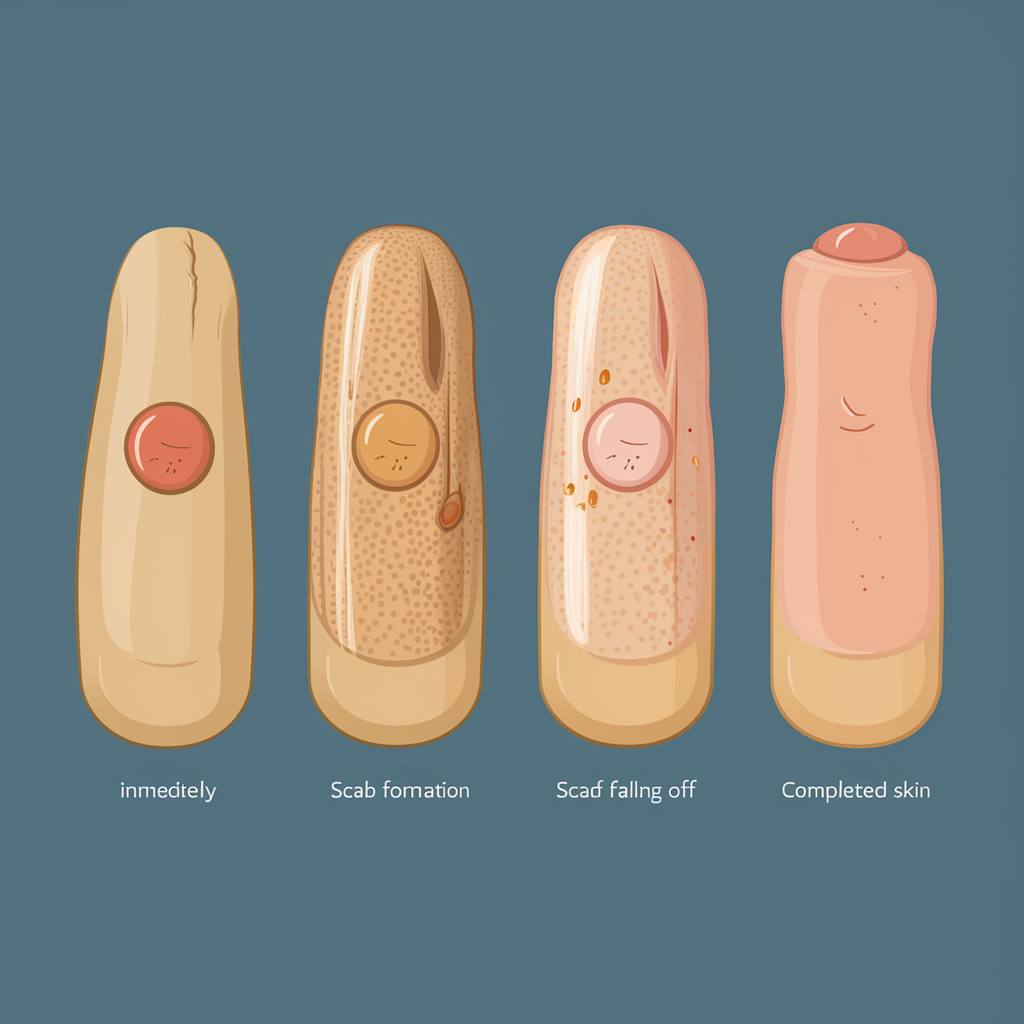
Normal Healing Timeline
Typically, skin tag removal sites follow this healing pattern:
- Days 1-3: Redness, slight swelling, and possibly a scab formation
- Days 4-7: Decreasing inflammation, scab becomes more defined
- Days 8-14: Scab naturally falls off revealing new, pink skin
- Weeks 2-4: Gradual fading of pink coloration
- Months 1-3: Complete healing and normalization of skin color
Prevention Strategies
While not all skin tags can be prevented, several strategies may reduce your risk of developing new ones.
Weight Management
Maintaining a healthy weight can significantly reduce skin tag formation, as excess weight creates more skin folds where friction occurs. Studies show that weight loss can prevent new skin tags and may even cause existing ones to shrink.
Reducing Skin Friction
Clothing choices: Opt for loose-fitting clothing made from breathable fabrics like cotton. Avoid tight collars, waistbands, and underwire bras that create friction in susceptible areas.
Use of powders: Applying cornstarch or talc-free body powder to areas prone to moisture and friction (underarms, under breasts, skin folds) can help reduce skin-on-skin rubbing.
Maintaining Skin Hygiene
Keep skin clean and dry, especially in areas where skin tags commonly form. Regular exfoliation may help prevent dead skin cell buildup that can contribute to skin tag formation.
Managing Underlying Conditions
If you have diabetes or insulin resistance, proper management of blood sugar levels may help reduce skin tag development. Work with your healthcare provider to keep these conditions under control.
Lifestyle Modifications
Regular exercise not only helps with weight management but also improves circulation and skin health. Staying hydrated and eating a balanced diet rich in antioxidants supports overall skin integrity.
When to See a Doctor
While most skin tags are harmless, certain situations warrant medical attention.
Warning Signs That Require Medical Attention
- Skin tags that bleed without injury
- Painful or tender skin tags
- Rapidly growing growths
- Signs of infection after removal attempts
- Skin tags that interfere with daily activities
Changes in Appearance
Any skin growth that changes in color, size, or texture should be evaluated by a dermatologist to rule out more serious conditions. Be particularly vigilant about growths that:
- Have multiple colors
- Have irregular borders
- Are larger than 5mm (about the size of a pencil eraser)
- Have an unusual appearance compared to your other skin tags
Multiple or Recurring Skin Tags
A sudden increase in the number of skin tags might indicate an underlying hormonal issue or metabolic condition like polycystic ovary syndrome (PCOS) or acanthosis nigricans, which is associated with insulin resistance.
Skin Tags in Sensitive Areas
Tags in areas like the eyelids, genitals, or anus should always be evaluated and removed by a medical professional to prevent complications.
Myths and Facts About Skin Tags
Numerous misconceptions exist about skin tags. Let’s separate fact from fiction:
Common Misconceptions
- Myth: Skin tags are contagious. Fact: Unlike warts, skin tags are not caused by a virus and cannot spread from person to person or to other areas of your body through contact.
- Myth: Removing a skin tag causes more to grow. Fact: There is no scientific evidence that removing one skin tag stimulates the growth of others. New skin tags that appear after removal are coincidental.
- Myth: Skin tags are a sign of cancer. Fact: Typical skin tags are benign and not associated with cancer. However, any changing growth should be evaluated by a doctor.
- Myth: Skin tags only affect overweight people. Fact: While obesity is a risk factor, people of all body types can develop skin tags.
Scientific Evidence on Causes and Treatments
Research has established clear links between skin tags and insulin resistance, hormonal fluctuations, and genetic factors. Studies support professional removal methods as most effective, with cryotherapy and electrocautery showing the highest success rates and lowest recurrence.
Debunking Viral “Miracle” Remedies
Social media frequently promotes unproven methods like applying toothpaste, duct tape, or nail polish to skin tags. These methods have no scientific basis and may cause skin irritation or allergic reactions. Some viral remedies may even be dangerous, like using essential oils undiluted or attempting to “tie off” large skin tags without proper technique.
Conclusion
Skin tags, while benign, can be annoying and affect self-confidence. Fortunately, multiple effective removal options exist—from simple home remedies to over-the-counter products and professional medical procedures. When choosing a removal method, consider factors like the size and location of your skin tags, your budget, and your comfort level with different approaches.
For small, typical skin tags in non-sensitive areas, home or OTC remedies may be sufficient. However, large, unusual, or numerous skin tags are best evaluated by a healthcare provider. Remember that proper post-removal care is crucial regardless of the method chosen.
While not all skin tags can be prevented, maintaining a healthy weight, reducing skin friction, and managing underlying health conditions can help minimize new formations. Always prioritize safety in your approach to skin tag removal, and don’t hesitate to consult a healthcare provider when in doubt.
FAQs About Skin Tag Removal
Are skin tags cancerous?
No, typical skin tags are benign (non-cancerous) growths. However, if a skin growth changes in appearance, bleeds without injury, or grows rapidly, consult a doctor to rule out other conditions.
Do skin tags grow back after removal?
When properly removed, the specific skin tag will not grow back. However, new skin tags may form in the same general area due to continued friction or genetic predisposition.
Can I remove large skin tags at home?
It’s not recommended to remove large skin tags (larger than 5mm) at home. These larger growths have a greater blood supply and risk of bleeding or infection when improperly removed. Professional medical removal is safer for larger tags.
Does skin tag removal hurt?
Professional procedures typically involve local anesthesia, making them virtually painless. Home remedies and OTC products may cause mild discomfort, stinging, or burning sensation but shouldn’t cause significant pain.
Can I use nail clippers to remove skin tags?
No, this is strongly discouraged. Using nail clippers or scissors can lead to excessive bleeding, infection, and scarring. This method is particularly dangerous for people with diabetes, clotting disorders, or who take blood thinners.
How much does professional skin tag removal cost?
Professional removal typically costs between $100-$500 depending on the method, provider, location, and number of skin tags being removed. Since removal is often considered cosmetic, insurance typically doesn’t cover the procedure unless the tags cause medical issues.
Are there any natural ways to prevent skin tags?
While no method is guaranteed to prevent all skin tags, maintaining a healthy weight, reducing skin friction with loose clothing, keeping skin clean and dry in fold areas, and managing conditions like diabetes may help reduce their formation.
Is it normal for skin tags to change color?
Minor color variations in skin tags are normal, but significant changes—especially darkening, multiple colors, or sudden changes—should be evaluated by a healthcare provider to rule out more serious conditions.