

The sensation of mucus stuck in your throat can be incredibly frustrating and uncomfortable. This persistent feeling can make swallowing difficult, cause frequent throat clearing, and even affect your quality of life. Whether caused by allergies, infections, acid reflux, or environmental factors, throat mucus is a common complaint that affects millions of people worldwide. The good news is that there are numerous effective strategies to both provide immediate relief and address the underlying causes. In this comprehensive guide, we’ll explore various methods to eliminate that annoying mucus sensation, from quick home remedies to medical treatments and long-term prevention strategies. By the end, you’ll have a complete toolkit to tackle this uncomfortable condition and breathe easier.
Understanding Throat Mucus
Before diving into solutions, it’s important to understand what causes that persistent mucus sensation in your throat. Mucus is actually a normal and necessary bodily fluid that protects and lubricates your respiratory system. However, when production increases or when it becomes thicker than normal, problems arise.
What Causes the Sensation of Mucus in Throat
Post-nasal drip is one of the most common causes of feeling mucus stuck in your throat. This occurs when excess mucus from your nasal passages drips down the back of your throat. Your body naturally produces 1-2 quarts of mucus daily, but certain conditions can increase this production or change its consistency.
The role of mucus in normal body function is quite important – it traps dust, allergens, and pathogens, preventing them from entering your lungs. However, when mucus production increases or when it becomes thicker, it can create that uncomfortable feeling of something being stuck in your throat.
Common Conditions Associated with Throat Mucus
Several conditions can lead to excess mucus or the sensation of mucus in your throat:
- Allergies and seasonal factors: Pollen, dust, pet dander, and other allergens can trigger increased mucus production
- Upper respiratory infections: Colds, flu, and other viral or bacterial infections often increase mucus as part of your body’s defense mechanism
- Acid reflux/GERD: Stomach acid backing up into your esophagus can irritate your throat and trigger excess mucus production
- Sinusitis: Inflammation of the sinuses can lead to increased post-nasal drip
- Environmental irritants: Smoke, pollution, chemical fumes, and even dry air can irritate your throat and increase mucus

Differentiating Between Actual Mucus and Globus Sensation
It’s important to note that sometimes what feels like mucus stuck in your throat might actually be a condition called globus pharyngeus or globus sensation. This is the feeling of having a lump in your throat when no physical obstruction exists. Unlike actual mucus, globus sensation doesn’t improve with swallowing or clearing your throat. It’s often related to muscle tension, stress, or anxiety, rather than excess mucus production.
Quick Relief Methods for Immediate Comfort
When you’re dealing with the discomfort of mucus in your throat, these immediate relief strategies can help provide quick comfort while you address the underlying causes.
Hydration Techniques
Proper hydration is one of the simplest yet most effective ways to thin mucus and ease throat discomfort:
- Warm water with honey and lemon: This classic remedy helps soothe irritated throat tissues while thinning mucus. The antibacterial properties of honey and the vitamin C in lemon provide additional benefits.
- Optimal water intake: Aim for at least 8-10 glasses of water daily. Staying well-hydrated thins mucus secretions, making them easier to clear.
- Warm beverages: Hot tea, broth, or simply warm water can provide immediate relief by helping to loosen and thin mucus.
Gargling Solutions
Gargling with various solutions can help break up mucus and soothe your throat:
- Salt water: Dissolve 1/4 to 1/2 teaspoon of salt in 8 ounces of warm water. Gargle for 30 seconds, then spit out. This helps draw out excess moisture from inflamed throat tissues and can loosen mucus.
- Apple cider vinegar: Mix 1-2 tablespoons of apple cider vinegar in 8 ounces of warm water. Its acidic nature can help break down mucus.
- Baking soda mixture: Combine 1/4 teaspoon of baking soda and 1/8 teaspoon of salt in 8 ounces of warm water. This alkaline solution can help neutralize acid and relieve throat irritation.
Steam Inhalation Techniques
Steam is highly effective for loosening mucus and clearing congestion:
- Hot shower method: Take a hot shower and breathe in the steam for 5-10 minutes.
- Bowl of hot water with towel: Pour hot water into a bowl, place your face above it (not too close to avoid burns), and cover your head with a towel to trap the steam. Breathe deeply for 5-10 minutes.
- Adding essential oils: For enhanced benefits, add a few drops of eucalyptus, peppermint, or tea tree oil to your steam inhalation. These oils have natural decongestant properties.
Physical Techniques
Certain physical actions can help dislodge mucus:
- Throat clearing best practices: While it’s tempting to constantly clear your throat, excessive throat clearing can actually irritate your throat more. Instead, try a gentle swallow or sip of water.
- Gentle coughing techniques: A controlled, gentle cough can help expel mucus. Take a deep breath, then make two to three short, sharp coughs.
- Swallowing exercises: Consciously swallowing several times in succession can help move mucus down your throat.
Effective Home Remedies
Beyond immediate relief, several home remedies can provide longer-lasting comfort and help address the underlying causes of excess throat mucus.
Natural Throat Soothers
- Honey applications: A teaspoon of raw honey can coat and soothe your throat while its antimicrobial properties help fight infection. Take it straight or mix with warm water or tea.
- Ginger tea: Ginger has anti-inflammatory and antibacterial properties. Steep fresh ginger slices in hot water for 5-10 minutes, add honey if desired, and sip slowly.
- Licorice root: Available as tea or lozenges, licorice root has soothing properties and can help reduce throat inflammation.
- Marshmallow root: This herb contains mucilage, which creates a protective coating on irritated throat tissues. It’s available as tea, lozenges, or supplements.

Dietary Adjustments
What you eat can significantly impact mucus production:
- Foods that reduce mucus production: Incorporate ginger, garlic, onions, watercress, celery, pineapple, and citrus fruits into your diet. These foods have natural anti-inflammatory or mucus-thinning properties.
- Foods to avoid: Dairy products, wheat, processed foods, and sugar can increase mucus production in sensitive individuals. Try eliminating these foods temporarily to see if your symptoms improve.
- Anti-inflammatory diet basics: Focus on fruits, vegetables, lean proteins, healthy fats like olive oil and avocados, and whole grains. These foods can help reduce overall inflammation in your body.
Hydration Strategies
Specific hydration approaches can help manage throat mucus:
- Types of fluids that help most: Water is always best, but herbal teas, broths, and fresh vegetable juices can provide additional benefits.
- Warm vs. cold liquids: Warm liquids generally help thin mucus better than cold ones. However, some people find that ice water can provide temporary relief from throat irritation.
- Herbal teas with specific benefits: Thyme, marshmallow root, slippery elm, and licorice root teas all have properties that can help soothe your throat and reduce mucus.
Natural Expectorants
Expectorants help thin mucus and make it easier to expel:
- Spicy foods: Cayenne pepper, horseradish, ginger, and garlic act as natural expectorants. They can help thin mucus and stimulate its removal.
- Herbs that promote mucus drainage: Thyme, oregano, and ivy leaf have natural expectorant properties.
- DIY expectorant preparations: Mix 1 tablespoon apple cider vinegar, 1 tablespoon honey, a pinch of cayenne pepper, and 2 tablespoons of warm water for a natural expectorant.
Over-the-Counter Solutions
When home remedies aren’t providing sufficient relief, various over-the-counter products can help manage throat mucus.
Medications for Mucus Relief
- Expectorants: Products containing guaifenesin (like Mucinex) help thin mucus, making it easier to cough up and clear from your throat.
- Mucolytics: These medications specifically break down mucus to reduce its thickness.
- Decongestants: Medications containing pseudoephedrine or phenylephrine can reduce nasal congestion, which may help decrease post-nasal drip.
Throat Lozenges and Sprays
- Active ingredients to look for: Benzocaine, menthol, eucalyptus oil, or honey can provide temporary relief from throat irritation.
- How they work: Lozenges slowly release soothing ingredients as they dissolve, while sprays deliver immediate targeted relief to the back of the throat.
- Best usage practices: Follow package directions and don’t exceed recommended doses. Avoid using lozenges with numbing agents before eating to prevent choking.
Saline Nasal Sprays and Irrigation
- Neti pot instructions: Fill with distilled or previously boiled (and cooled) water mixed with pharmaceutical-grade salt. Lean over a sink, tilt your head sideways, and pour the solution into one nostril, allowing it to drain out the other.
- Saline spray techniques: Tilt your head slightly back, spray into each nostril, and sniff gently to distribute the solution.
- Benefits for throat mucus: By clearing nasal passages, saline irrigation reduces post-nasal drip, which is often responsible for throat mucus.
Medical Treatments
Sometimes, persistent throat mucus requires medical intervention, especially when home remedies and over-the-counter solutions don’t provide relief.
When to Consult a Doctor
Seek medical attention if you experience:
- Duration of symptoms: Mucus that persists for more than 10 days
- Warning signs: Difficulty breathing or swallowing, high fever, blood in mucus, severe throat pain
- Accompanying symptoms: Unexplained weight loss, night sweats, or persistent hoarseness
Prescription Medications
Your doctor may prescribe:
- Antibiotics: Only appropriate if a bacterial infection is causing your symptoms
- Prescription-strength antihistamines: For allergy-related mucus production
- Corticosteroids: Nasal sprays or oral medications to reduce inflammation in nasal passages and sinuses
- Proton pump inhibitors or H2 blockers: If acid reflux is contributing to your throat mucus
Procedures for Chronic Cases
For persistent cases, your doctor might recommend:
- Endoscopy evaluations: A thin, flexible tube with a camera allows doctors to examine your throat, vocal cords, and esophagus
- Treatment for underlying conditions: Management of conditions like GERD, allergies, or chronic sinusitis that contribute to throat mucus
- Specialist referrals: You may be referred to an ENT (ear, nose, throat) specialist, allergist, or gastroenterologist depending on your specific situation
Prevention Strategies
Preventing mucus buildup is often easier than treating it. These strategies can help reduce the frequency and severity of throat mucus problems.
Environmental Modifications
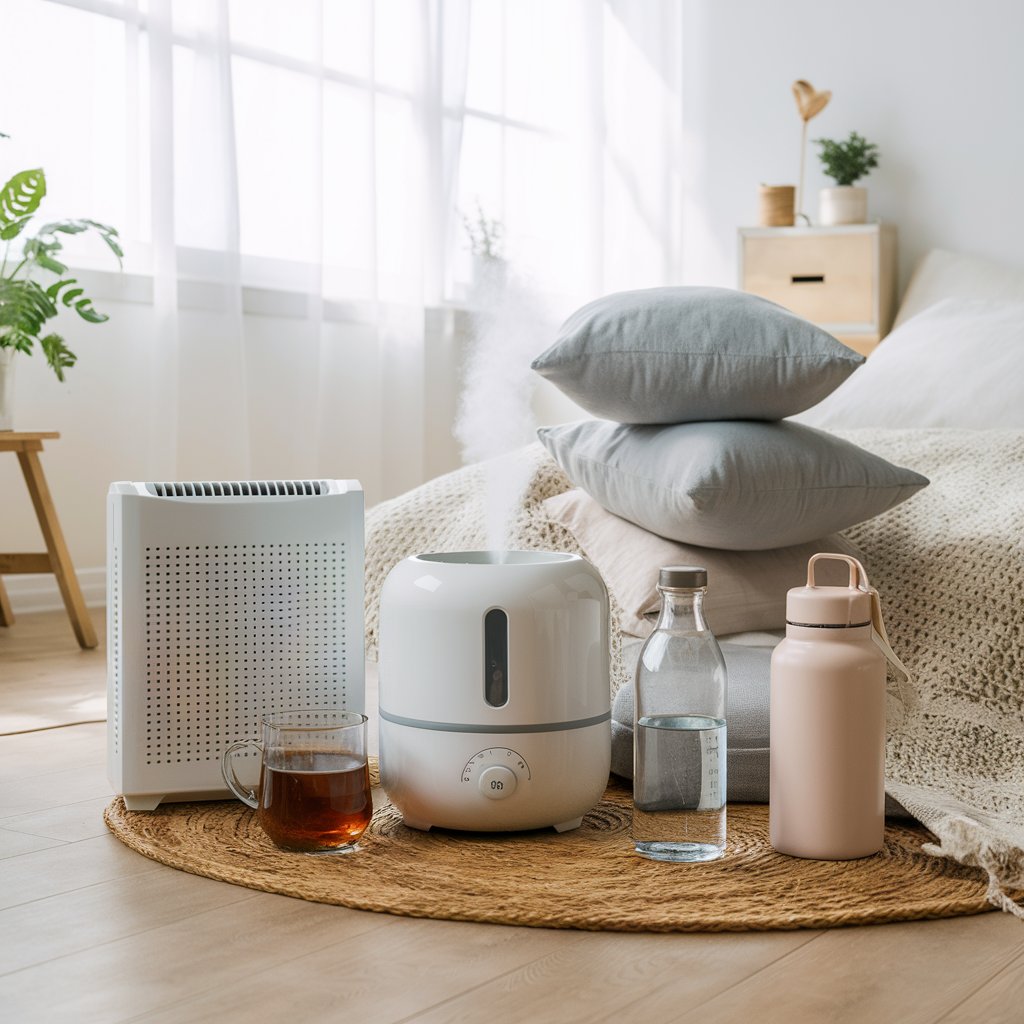
- Air purifiers and humidifiers: Air purifiers remove allergens and irritants from your home environment, while humidifiers add moisture to dry air that can irritate your throat and increase mucus production.
- Dust and allergen reduction: Regular cleaning, using allergen-proof bedding covers, and keeping pets out of bedrooms can reduce exposure to common allergens.
- Optimal humidity levels: Maintain indoor humidity between 40-50% to prevent air that’s too dry (which irritates airways) or too moist (which promotes mold growth).
Lifestyle Changes
- Smoking cessation: Smoking irritates the throat and increases mucus production. Quitting smoking can significantly reduce throat mucus.
- Alcohol moderation: Alcohol can dehydrate your body and irritate your throat. Limit consumption or avoid completely if it worsens your symptoms.
- Stress management techniques: Stress can exacerbate throat mucus, especially if you have globus sensation. Practices like meditation, yoga, and deep breathing can help manage stress.
Dietary Habits
- Long-term eating plans: A Mediterranean-style diet rich in fruits, vegetables, whole grains, and healthy fats can help reduce inflammation throughout your body.
- Staying hydrated consistently: Make a habit of drinking water throughout the day, not just when you feel thirsty.
- Food allergies to consider: If you suspect certain foods increase your mucus production, consider keeping a food diary and trying an elimination diet under medical supervision.
Sleep Positioning
- Elevated head position: Sleeping with your head elevated helps prevent post-nasal drip and acid reflux, both of which can cause throat mucus. Use an extra pillow or raise the head of your bed.
- Side sleeping vs. back sleeping: Side sleeping, particularly on your left side, can help reduce acid reflux symptoms compared to back sleeping.
- Pillow arrangements: Consider a wedge pillow designed specifically for reflux or sinus issues if regular pillows don’t provide enough elevation.
Special Considerations
Certain conditions and circumstances require special approaches to managing throat mucus.
Chronic Conditions
- Managing mucus with allergies: Consistent use of antihistamines, allergen avoidance, and possibly immunotherapy can help reduce allergy-related mucus.
- GERD/acid reflux specific strategies: Avoid eating 3 hours before bedtime, limit trigger foods (spicy, acidic, fatty), and elevate your head during sleep.
- Asthma and related respiratory conditions: Proper management of asthma with appropriate medications can help reduce mucus production in the airways.
Age-specific Advice
- Children and mucus issues: Children often can’t effectively clear mucus by blowing their nose or coughing productively. Saline drops, gentle suction devices, and extra hydration can help.
- Elderly patients: Older adults may have weakened cough reflexes and swallowing mechanisms, making mucus clearance more difficult. Staying well-hydrated is particularly important for this age group.
Seasonal Strategies
- Winter vs. summer approaches: In winter, use humidifiers to counter dry heating air. In summer, ensure air conditioning filters are clean and consider using an air purifier during high pollen seasons.
- Seasonal allergy preparations: Begin taking allergy medications before your typical allergy season starts for better symptom control.
- Weather changes and adaptations: Sudden weather changes can trigger mucus production in sensitive individuals. Stay hydrated and consider wearing a scarf over your mouth and nose in cold or windy conditions.
FAQs About Throat Mucus
Is throat mucus dangerous?
Generally, throat mucus itself is not dangerous. It’s a normal part of your body’s defense system. However, excessive or chronic mucus can sometimes indicate an underlying condition that may need treatment. If mucus is accompanied by difficulty breathing, severe pain, high fever, or blood, seek medical attention promptly.
How long should throat mucus last?
Throat mucus associated with a cold or mild infection typically resolves within 7-10 days. If mucus persists beyond this timeframe, or if it gets worse instead of better, consult a healthcare provider as it might indicate a more serious condition or chronic issue that needs treatment.
Can anxiety cause throat mucus?
Anxiety itself doesn’t increase mucus production, but it can make you more aware of normal amounts of mucus in your throat. Anxiety can also cause globus sensation – the feeling of something stuck in your throat when nothing is actually there. Additionally, stress and anxiety can trigger acid reflux, which may increase throat mucus.
Are there exercises to clear throat mucus?
Yes, several exercises can help. Try controlled coughing (take a deep breath, cough twice in succession), throat clearing exercises (gentle, purposeful clearing followed by swallowing), and swallowing exercises. Vocal exercises like humming at various pitches can also help mobilize mucus.
Does dairy really increase mucus production?
The relationship between dairy and mucus is controversial. Some studies suggest dairy doesn’t actually increase mucus production but may make existing mucus feel thicker or more noticeable. However, many people report improvements when eliminating dairy. If you suspect dairy worsens your symptoms, try eliminating it for 1-2 weeks to see if you notice a difference.
Can certain medications cause throat mucus?
Yes, some medications can contribute to throat mucus issues. These include certain blood pressure medications (especially ACE inhibitors), some antidepressants, and medications that cause dry mouth (which can make mucus feel thicker). If you suspect your medication is causing throat mucus, consult your doctor about alternatives rather than stopping medication on your own.
Conclusion
Dealing with the sensation of mucus stuck in your throat can be frustrating, but as we’ve explored, numerous effective solutions exist. For immediate relief, focus on hydration, steam inhalation, gargling with salt water, and using physical techniques to clear your throat. Long-term management should address underlying causes through dietary adjustments, environmental modifications, and appropriate medical treatments if necessary.
Remember that persistent throat mucus could indicate an underlying condition requiring medical attention. If your symptoms last more than 10 days, worsen over time, or are accompanied by concerning symptoms like difficulty breathing or swallowing, don’t hesitate to consult a healthcare professional.
By combining immediate relief strategies with preventive measures and addressing any underlying conditions, you can effectively manage and ultimately eliminate that annoying feeling of mucus stuck in your throat. Stay consistent with your approach, be patient as your body heals, and you’ll be breathing and swallowing comfortably again soon.