

Loose skin can be a frustrating concern that affects millions of people, whether from significant weight loss, aging, pregnancy, or genetics. While completely eliminating loose skin naturally may not always be possible, there are numerous evidence-based methods that can significantly improve skin elasticity and firmness. This comprehensive guide explores proven natural solutions, lifestyle changes, and realistic expectations for achieving tighter, healthier skin without invasive procedures.
Understanding Loose Skin: The Science Behind Skin Elasticity
Loose skin occurs when the skin loses its ability to bounce back to its original shape after being stretched. This happens primarily due to the breakdown of two crucial proteins: collagen and elastin. Collagen provides structure and strength to the skin, while elastin allows it to stretch and return to its original form.
What Causes Loose Skin?
Several factors contribute to skin losing its elasticity:
- Rapid or significant weight loss: When fat is lost quickly, the skin doesn’t have time to contract accordingly
- Aging: Natural collagen production decreases by about 1% per year after age 25
- Pregnancy: Skin stretches to accommodate growing baby and may not fully return to pre-pregnancy state
- Genetics: Some people naturally produce less collagen or have different skin elasticity
- Sun damage: UV exposure breaks down collagen and elastin fibers
- Smoking: Reduces blood flow and damages skin proteins

Common Areas Affected by Loose Skin
Loose skin typically develops in areas where fat accumulation is common:
- Arms and underarms (often called “bat wings”)
- Abdomen and stomach area
- Inner and outer thighs
- Face and neck
- Chest and breast area
- Lower back and love handle regions
Natural Methods to Tighten Loose Skin
Exercise and Strength Training: Building Your Foundation
Regular exercise, particularly resistance training, is one of the most effective natural ways to improve the appearance of loose skin. Building muscle mass underneath loose skin creates a fuller, firmer appearance.
Resistance Training Benefits
Strength training helps in multiple ways:
- Increases muscle mass, filling out loose skin
- Improves blood circulation, delivering nutrients to skin cells
- Stimulates collagen production through increased growth hormone release
- Enhances overall body composition
Targeted Exercises for Specific Areas
For Arms:
- Push-ups (standard, incline, or wall push-ups for beginners)
- Tricep dips using a chair or bench
- Arm circles and resistance band exercises
- Bicep curls and tricep extensions
For Abdomen:
- Planks (start with 30 seconds, gradually increase)
- Dead bugs and bird dogs for core stability
- Modified crunches and bicycle crunches
- Leg raises and mountain climbers
For Thighs:
- Bodyweight squats (aim for 3 sets of 15-20)
- Lunges (forward, reverse, and side lunges)
- Wall sits for endurance
- Step-ups using stairs or a sturdy platform
Recommended Workout Schedule
For optimal results, aim for:
- Strength training: 3-4 times per week, 45-60 minutes per session
- Cardiovascular exercise: 150 minutes moderate intensity or 75 minutes vigorous intensity per week
- Rest days: 1-2 per week for recovery
- Consistency: Results typically become noticeable after 8-12 weeks
Nutrition for Optimal Skin Health
What you eat directly impacts your skin’s ability to maintain elasticity and produce collagen.
Essential Nutrients for Collagen Production
Vitamin C: Critical for collagen synthesis
- Citrus fruits, berries, bell peppers
- Broccoli, Brussels sprouts, leafy greens
- Aim for 65-90mg daily (one medium orange provides about 70mg)
Protein: Provides amino acids for collagen building
- Lean meats, fish, eggs, dairy
- Legumes, nuts, seeds for plant-based options
- Target 0.8-1.2 grams per kilogram of body weight daily
Vitamin E: Protects skin from oxidative damage
- Nuts, seeds, vegetable oils
- Avocados, spinach, sunflower seeds
- 15mg daily recommended for adults
Hydration: The Foundation of Healthy Skin
Proper hydration is crucial for maintaining skin elasticity:
- Aim for 8-10 glasses of water daily
- Increase intake during exercise or hot weather
- Include hydrating foods: watermelon, cucumber, oranges
- Limit dehydrating beverages like excessive caffeine or alcohol
Foods to Limit or Avoid
Certain foods can negatively impact skin health:
- Processed foods high in sugar and refined carbs
- Excessive alcohol (dehydrates and damages collagen)
- High-sodium foods that cause water retention
- Trans fats found in fried and processed foods
Skincare Routines and Topical Treatments
External care plays a vital role in improving skin appearance and supporting natural tightening processes.
Effective Moisturizing Techniques
Key Ingredients to Look For:
- Hyaluronic acid: Holds up to 1000 times its weight in water
- Glycerin: Attracts moisture from the environment
- Ceramides: Restore skin barrier function
- Peptides: May stimulate collagen production
Application Tips:
- Apply to slightly damp skin for better absorption
- Use upward, circular motions
- Moisturize twice daily, morning and evening
- Pay extra attention to problem areas
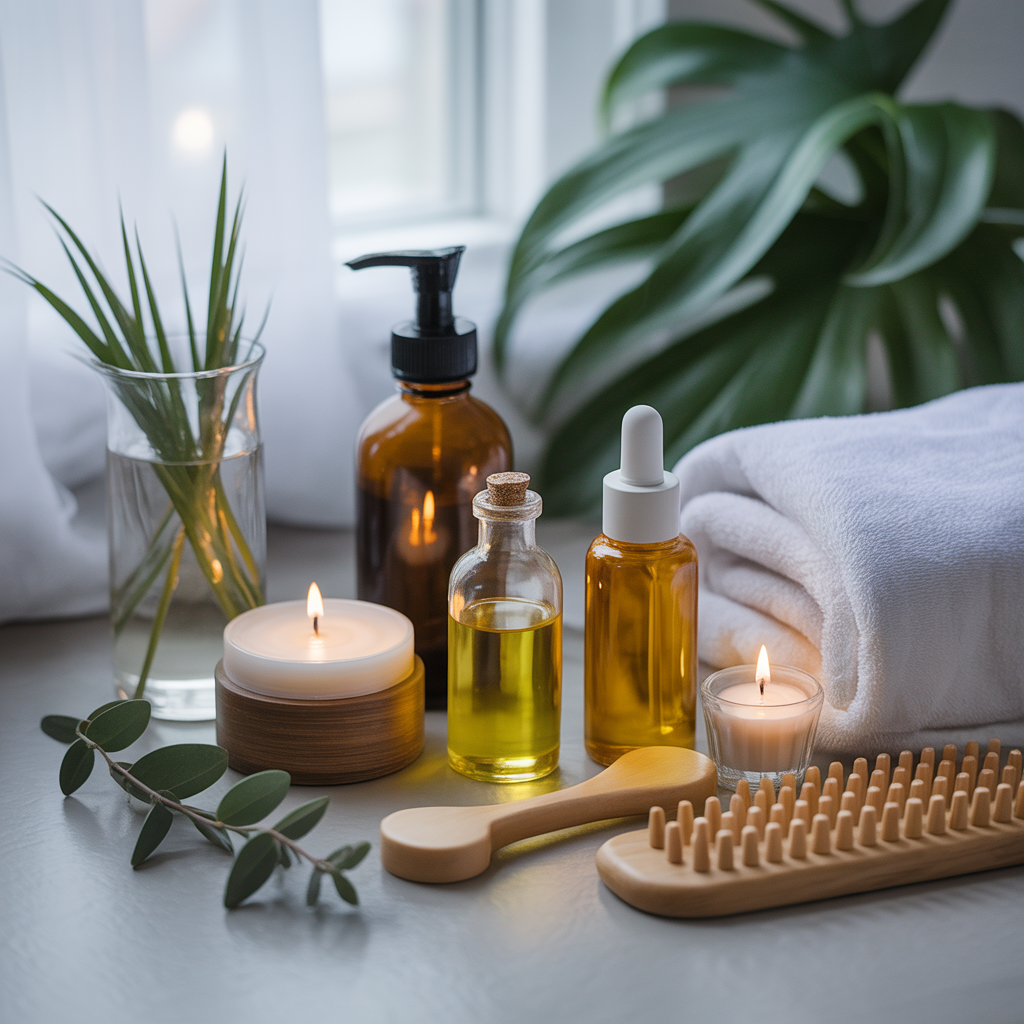
Natural Oils for Skin Elasticity
Several natural oils can help improve skin appearance:
Coconut Oil:
- Contains fatty acids that moisturize and may support collagen
- Apply in thin layers to avoid clogging pores
- Best used on body rather than face for most people
Argan Oil:
- Rich in vitamin E and fatty acids
- Lightweight and easily absorbed
- Suitable for most skin types
Rosehip Oil:
- Contains vitamin C and retinoids
- May help with skin regeneration
- Use evening application due to light sensitivity

Exfoliation Methods
Regular exfoliation removes dead skin cells and may stimulate renewal:
Dry Brushing Technique:
- Use a natural bristle brush on dry skin
- Brush toward the heart in long strokes
- Start with gentle pressure, 3-5 minutes daily
- Follow with moisturizer
Natural Scrub Recipes:
- Coffee Ground Scrub: Mix used coffee grounds with coconut oil
- Sugar Scrub: Combine brown sugar with honey and olive oil
- Oatmeal Scrub: Blend oats with yogurt and honey
Advanced Natural Solutions
Massage Therapy for Improved Circulation
Regular massage can enhance blood flow and potentially stimulate collagen production.
Self-Massage Techniques
- Circular motions: Use firm, circular movements on loose skin areas
- Upward strokes: Always massage toward the heart
- Duration: 10-15 minutes per area, 3-4 times weekly
- Oils: Use natural oils to reduce friction
Massage Tools
- Foam rollers: Great for large areas like thighs and arms
- Massage brushes: Provide gentle stimulation
- Gua sha tools: Traditional technique for facial areas
- Massage balls: Target specific tight areas
Hot and Cold Therapy
Temperature therapy can stimulate circulation and potentially improve skin tightness.
Cold Therapy Benefits
- Cold showers or ice baths may stimulate collagen production
- Improves circulation and reduces inflammation
- Start with 30 seconds cold water at end of shower
- Gradually increase to 2-3 minutes
Heat Therapy Benefits
- Saunas and steam rooms improve circulation
- Heat may temporarily tighten skin
- 15-20 minutes, 2-3 times weekly
- Always stay hydrated during heat therapy
Natural Supplements for Skin Support
While a balanced diet should provide most nutrients, certain supplements may support skin health:
Collagen Supplements
- Types I and III collagen most relevant for skin
- Typical dosage: 10-20 grams daily
- Take with vitamin C for better absorption
- Results may take 8-12 weeks to become noticeable
Other Supportive Supplements
- Vitamin C: 500-1000mg daily (if diet is insufficient)
- Vitamin E: 15mg daily from natural sources
- Omega-3 fatty acids: 1-3 grams daily
- Biotin: 30-100 mcg daily for overall skin health
Important Note: Always consult with a healthcare professional before starting any supplement regimen, especially if you have existing health conditions or take medications.
Lifestyle Changes for Better Skin Elasticity
Sleep and Recovery
Quality sleep is crucial for skin repair and regeneration:
- Duration: Aim for 7-9 hours nightly
- Consistency: Go to bed and wake up at similar times
- Sleep environment: Cool, dark, and quiet room
- Pre-sleep routine: Limit screens 1 hour before bed
During sleep, your body produces growth hormone, which helps repair and regenerate skin cells.
Stress Management
Chronic stress elevates cortisol levels, which can break down collagen:
- Meditation: 10-20 minutes daily can reduce stress hormones
- Yoga: Combines physical activity with stress reduction
- Deep breathing: Simple technique available anywhere
- Regular exercise: Natural stress reliever and mood booster
Sun Protection
UV damage is one of the primary causes of premature skin aging:
- Daily sunscreen: SPF 30 or higher, even on cloudy days
- Protective clothing: Long sleeves, hats when possible
- Seek shade: Especially during peak hours (10 AM – 4 PM)
- Year-round protection: UV rays penetrate clouds and reflect off surfaces
Timeline and Realistic Expectations
How Long Does It Take to See Results?
Results vary significantly based on individual factors, but general timelines include:
- Exercise results: 8-12 weeks for noticeable muscle building
- Skincare routine: 4-6 weeks for improved hydration and texture
- Nutritional changes: 6-8 weeks for overall skin health improvement
- Significant improvements: 6-12 months of consistent effort
Factors That Influence Success
- Age: Younger skin typically responds better to natural treatments
- Amount of loose skin: Minor looseness responds better than severe cases
- Genetics: Some people naturally have better skin elasticity
- Overall health: Good health supports better skin recovery
- Consistency: Regular, long-term commitment yields best results
When to Consider Professional Help
Non-invasive Professional Treatments
If natural methods aren’t providing desired results, several professional options exist:
- Radiofrequency treatments: Heat deep skin layers to stimulate collagen
- Ultrasound therapy: Uses focused ultrasound to tighten skin
- Laser treatments: Various laser types can improve skin texture
- Professional massage therapy: More targeted than self-massage
Medical Consultation
Consider consulting a dermatologist or plastic surgeon when:
- Natural methods haven’t shown improvement after 6-12 months
- Loose skin significantly impacts quality of life
- You’re considering more invasive treatments
- Skin changes are accompanied by other symptoms
Prevention Strategies
Gradual Weight Loss
If you’re planning to lose weight, these strategies can minimize loose skin:
- Lose 1-2 pounds per week: Allows skin time to adapt
- Include strength training: Maintains muscle mass during weight loss
- Stay hydrated: Supports skin elasticity throughout the process
- Eat adequate protein: Supports both muscle maintenance and skin health
Pregnancy-Related Prevention
- Prenatal skincare: Keep skin moisturized throughout pregnancy
- Gradual weight gain: Follow healthcare provider’s recommendations
- Postpartum exercise: Gradually return to physical activity after delivery
- Breastfeeding: May help with natural weight loss and uterine contraction
Common Mistakes to Avoid
- Expecting overnight results: Skin tightening is a gradual process
- Inconsistent routines: Sporadic efforts yield minimal results
- Over-exfoliating: Can damage skin barrier and cause irritation
- Neglecting overall health: Skin health reflects general wellness
- Comparing to others: Everyone’s skin responds differently
- Skipping sunscreen: Continued UV damage undermines other efforts
Cost-Effective Solutions
Natural methods for tightening loose skin can be budget-friendly:
Free or Low-Cost Options
- Bodyweight exercises: No gym membership required
- Walking/running: Excellent cardiovascular exercise
- DIY skincare treatments: Using kitchen ingredients
- Dry brushing: One-time brush purchase lasts months
- Cold showers: May reduce hot water bills
Moderate Investment Options
- Quality moisturizers: $20-50 for products lasting 2-3 months
- Natural oils: $15-30 for bottles lasting several months
- Basic exercise equipment: Resistance bands, weights
- Supplements: If recommended by healthcare provider
Conclusion
Improving loose skin naturally requires patience, consistency, and realistic expectations. While you may not achieve the same results as surgical procedures, the combination of regular exercise, proper nutrition, good skincare habits, and healthy lifestyle choices can significantly improve skin appearance and firmness.
The most effective approach combines multiple strategies: building muscle through strength training, nourishing your skin from within through proper nutrition and hydration, caring for your skin externally with appropriate products and techniques, and maintaining overall health through adequate sleep, stress management, and sun protection.
Remember that everyone’s skin responds differently, and factors like age, genetics, and the extent of loose skin will influence your results. Start with the most accessible methods—exercise and basic skincare—then gradually incorporate additional strategies as you develop sustainable routines.
Important reminder: If you have concerns about your skin or overall health, or if you’re considering supplements or significant lifestyle changes, consult with qualified healthcare professionals who can provide personalized advice based on your individual needs and medical history.
The journey to healthier, firmer skin is a marathon, not a sprint. Focus on sustainable changes that you can maintain long-term, and celebrate the gradual improvements in both your skin’s appearance and your overall health and well-being.