

Eye bags are one of the most common cosmetic concerns that can make you look tired, older, and less vibrant than you feel. These puffy, swollen areas under the eyes affect millions of people worldwide and can significantly impact self-confidence and appearance. Whether caused by aging, genetics, lifestyle factors, or environmental influences, eye bags don’t have to be a permanent fixture on your face. This comprehensive guide explores proven methods to eliminate eye bags naturally and permanently, covering everything from simple home remedies and lifestyle changes to professional treatments and prevention strategies. You’ll discover effective solutions that work for different budgets, timeframes, and severity levels, helping you achieve a more youthful, refreshed appearance.
Understanding Eye Bags: Causes and Types
Before diving into treatment options, it’s crucial to understand what causes eye bags and how they develop. Eye bags form when the tissues and muscles supporting your eyelids weaken over time, causing fat that normally supports the eyes to move into the lower eyelids. This creates the characteristic puffy, swollen appearance beneath the eyes.
Primary Causes of Eye Bags
The aging process is the most significant factor in eye bag formation. As we age, our skin loses collagen and elastin, proteins responsible for maintaining skin firmness and elasticity. This natural decline typically begins in our late twenties and accelerates through our thirties and beyond. Additionally, the muscles supporting the eyelids gradually weaken, allowing fat deposits to protrude and create visible bags.
Genetics play an equally important role in determining your susceptibility to eye bags. If your parents or grandparents developed prominent under-eye bags, you’re more likely to experience them regardless of your lifestyle choices. Some people inherit naturally thin skin around the eyes or a tendency toward fluid retention, making eye bags more noticeable from an early age.
Fluid retention and inflammation are common culprits behind temporary eye bag formation. When your body retains excess fluid, it often accumulates in the delicate tissues around the eyes, creating puffiness that can persist for hours or even days. This type of swelling is typically more pronounced in the morning and may improve throughout the day as gravity helps drain the excess fluid.
Contributing Lifestyle Factors
Poor sleep quality and sleep deprivation significantly contribute to eye bag formation. During sleep, your body repairs and regenerates tissues, including those around the eyes. When you don’t get adequate rest, this repair process is compromised, leading to increased inflammation and fluid retention. The recommended 7-9 hours of quality sleep per night is essential for maintaining healthy-looking skin around the eyes.
Excessive salt intake causes your body to retain water, which often manifests as puffiness around the eyes. High-sodium foods trigger inflammation and can make existing eye bags appear more pronounced. Similarly, alcohol consumption leads to dehydration followed by rebound water retention, creating a cycle that worsens under-eye puffiness.
Allergies and sinus issues frequently cause eye bag formation through increased inflammation and congestion. When your sinuses are blocked or inflamed, it affects drainage around the eyes, leading to fluid accumulation and swelling. Seasonal allergies, food sensitivities, and environmental irritants can all trigger this response.
Smoking accelerates the aging process by reducing blood flow to the skin and depleting oxygen levels in tissues. This damaged circulation particularly affects the delicate eye area, where skin is already thin and vulnerable. Sun exposure and UV damage break down collagen and elastin fibers, weakening the skin’s support structure and making eye bags more likely to develop and worsen over time.
Difference Between Eye Bags, Dark Circles, and Puffiness
Understanding the distinction between these common under-eye concerns helps you choose the most appropriate treatment approach. Eye bags are three-dimensional protrusions of fat and tissue beneath the eyes, creating actual volume and shadowing. Dark circles appear as discoloration under the eyes, often caused by blood pooling, genetics, or pigmentation issues. Puffiness refers to temporary swelling that can affect the entire eye area and usually responds well to anti-inflammatory treatments.
Natural Home Remedies for Eye Bags
Natural remedies offer safe, accessible, and cost-effective solutions for reducing eye bags. While these methods may take longer to show results compared to professional treatments, they can be highly effective when used consistently and correctly.
Cold Therapy Treatments
Cold therapy works by constricting blood vessels and reducing inflammation, which helps minimize swelling and puffiness around the eyes. Ice cubes wrapped in a soft cloth should be applied for 10-15 minutes at a time, never directly on the skin to avoid ice burn. The cold temperature stimulates circulation and helps drain excess fluid from the under-eye area.
Chilled cucumber slices have been a popular remedy for generations due to their high water content and natural anti-inflammatory properties. Cucumbers contain vitamin K and antioxidants that help strengthen blood vessel walls and reduce fluid leakage. Place thick cucumber slices over closed eyes for 10-15 minutes while lying down to maximize the drainage effect.
The cold spoons technique involves chilling metal spoons in the refrigerator for several hours, then gently pressing the curved side against the under-eye area. The metal conducts cold effectively and conforms to the eye’s natural contours, providing targeted relief for puffiness and inflammation.
Natural Ingredients and DIY Masks
Caffeine-based treatments are particularly effective for eye bags because caffeine constricts blood vessels and has diuretic properties that help reduce fluid retention. Used coffee grounds can be mixed with a small amount of coconut oil to create an exfoliating mask that stimulates circulation. Green tea bags, when cooled and applied to the eyes, provide both caffeine and antioxidants that combat inflammation and puffiness.
Potato slices contain vitamin C, starch, and enzymes that help reduce inflammation and lighten darkened skin. The starch in potatoes has natural anti-inflammatory properties, while vitamin C supports collagen production. Cut chilled potatoes into thick slices and apply to the under-eye area for 15-20 minutes for best results.
Egg white masks work by temporarily tightening the skin as they dry, creating an immediate lifting effect that can reduce the appearance of eye bags. Whip egg whites until frothy, apply carefully around the eyes avoiding the lash line, and leave on for 10-15 minutes before rinsing with cool water. This treatment provides temporary results that can last several hours.
Aloe vera gel offers natural anti-inflammatory and hydrating properties that soothe irritated skin and reduce swelling. Pure aloe vera gel should be applied gently around the eyes and left on overnight or for several hours during the day. The cooling sensation provides immediate relief while the active compounds work to reduce inflammation over time.

Massage Techniques
Lymphatic drainage massage helps promote the natural flow of lymphatic fluid, reducing stagnation and swelling around the eyes. Using your ring finger (which applies the gentlest pressure), start at the inner corner of the eye and gently press along the under-eye area toward the temples. Repeat this motion 5-10 times, then continue down along the side of the face to encourage drainage.
Pressure point stimulation can improve circulation and reduce tension that contributes to eye bag formation. Gentle pressure applied to specific points around the eyes, temples, and forehead can stimulate blood flow and promote relaxation. Use circular motions with light pressure for 30-60 seconds at each point.
Proper massage tools, such as jade rollers or gua sha stones, can enhance the effectiveness of manual massage techniques. These tools should be kept chilled and used with light pressure in upward and outward motions to promote drainage and improve circulation without stretching the delicate skin.
Skincare Products and Topical Treatments
Targeted skincare products can provide significant improvements in eye bag appearance when used consistently and combined with appropriate lifestyle changes. Understanding which ingredients are most effective helps you make informed choices about product selection.
Eye Creams with Effective Ingredients
Retinol-based products are among the most scientifically proven ingredients for improving skin texture and reducing signs of aging around the eyes. Retinol stimulates collagen production, increases cell turnover, and helps thicken the skin over time. However, the eye area requires specially formulated retinol products with lower concentrations to avoid irritation. Start with applications every other night and gradually increase frequency as your skin adjusts.
Hyaluronic acid serums provide intense hydration that can plump the skin and reduce the appearance of fine lines and wrinkles that make eye bags more noticeable. This ingredient can hold up to 1,000 times its weight in water, making it exceptionally effective for maintaining skin moisture and volume. Apply hyaluronic acid products to slightly damp skin for maximum absorption and effectiveness.
Peptide creams contain small protein fragments that signal the skin to produce more collagen and elastin. These ingredients can help strengthen the skin’s support structure over time, reducing the sagging that contributes to eye bag formation. Look for products containing copper peptides, palmitoyl pentapeptide-4, or acetyl hexapeptide-8 for best results.
Vitamin C and antioxidants protect the skin from environmental damage while supporting collagen synthesis and reducing inflammation. Vitamin C serums should be applied in the morning under sunscreen, while antioxidant-rich creams can be used day or night. These ingredients help prevent further damage while supporting the skin’s natural repair processes.
Over-the-Counter Options
Budget-friendly eye creams can be highly effective when they contain proven ingredients like caffeine, niacinamide, or ceramides. Many drugstore brands offer formulations that rival expensive department store products at a fraction of the cost. The key is to look for products with evidence-based ingredients rather than focusing solely on price or brand prestige.
Prescription-strength treatments, available through dermatologists, offer higher concentrations of active ingredients like tretinoin or hydroquinone. These products typically provide faster and more dramatic results but require professional supervision to ensure safe and effective use.
Patch treatments and masks provide intensive, targeted care for the under-eye area. Hydrogel patches infused with beneficial ingredients can deliver concentrated treatment while the occlusive nature of the patch enhances ingredient penetration. These products are particularly effective for special occasions or as weekly intensive treatments.
Application Techniques for Maximum Effectiveness
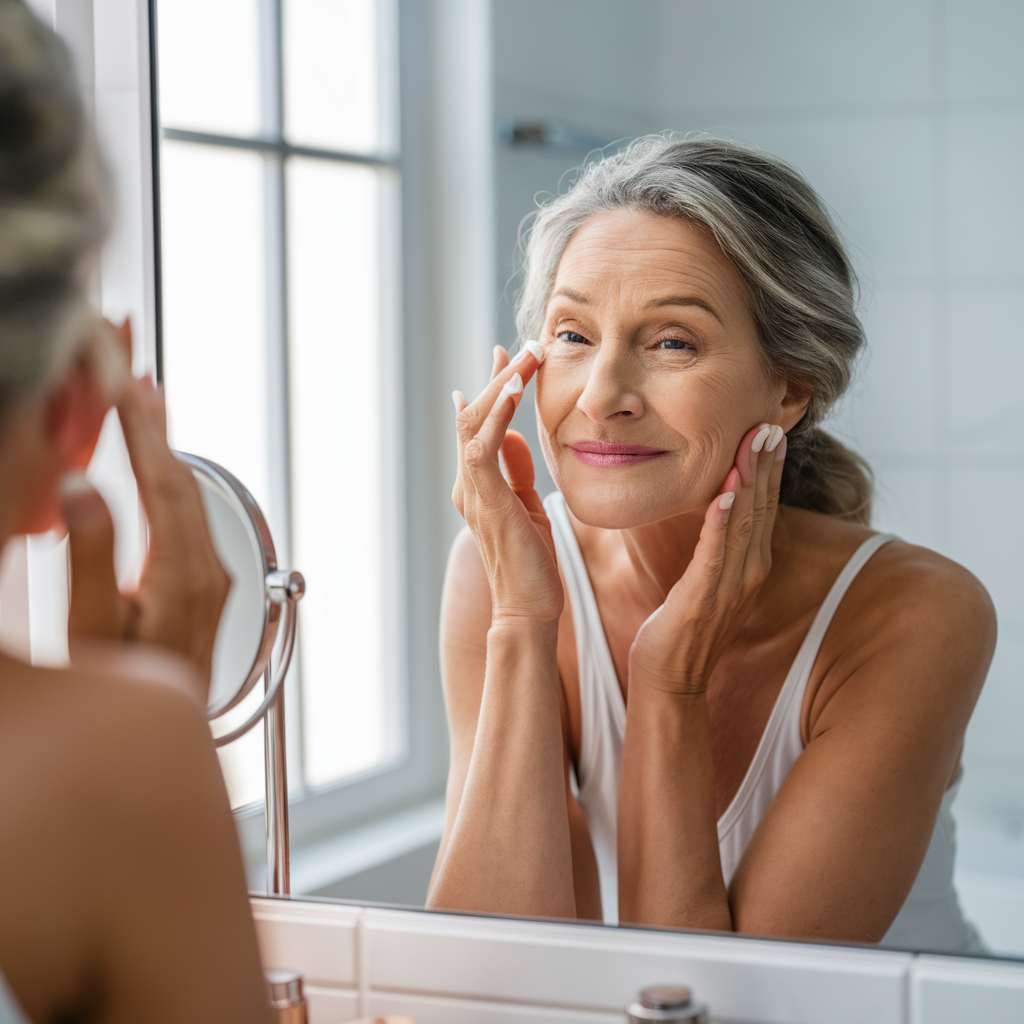
Proper application technique is crucial for maximizing the benefits of eye care products while avoiding irritation or damage to the delicate skin. Always use your ring finger to apply products, as it naturally applies the lightest pressure. Gently pat or press products into the skin rather than rubbing or pulling, which can contribute to premature aging and irritation.
Apply eye products from the inner corner of the eye outward, following the natural contours of the eye socket. This application pattern supports natural lymphatic drainage and helps prevent product from migrating into the eyes, which can cause irritation or stinging.
Lifestyle Changes for Prevention and Reduction
Sustainable lifestyle changes often provide the most significant long-term improvements in eye bag appearance. These modifications address the root causes of eye bag formation while supporting overall skin health and appearance.
Sleep Optimization
Quality sleep is perhaps the most important factor in preventing and reducing eye bags. During deep sleep, your body repairs damaged tissues, including those around the eyes, while also regulating fluid balance and hormone production. Aim for 7-9 hours of consistent, quality sleep each night, maintaining regular bedtime and wake times even on weekends.
Proper sleep positioning can significantly impact morning puffiness and eye bag appearance. Sleeping with your head slightly elevated helps prevent fluid from accumulating around the eyes overnight. Use an extra pillow or a wedge pillow to maintain a gentle incline that promotes drainage while remaining comfortable for sleep.
Creating an ideal sleep environment supports both sleep quality and skin health. Keep your bedroom cool, dark, and humid to prevent skin dehydration and promote restful sleep. Consider using a humidifier if you live in a dry climate, and ensure your pillowcases are clean and made from smooth materials like silk or satin that don’t tug on delicate facial skin.
Dietary Modifications
Reducing sodium intake is one of the most effective dietary changes for minimizing eye bags. Excess sodium causes your body to retain water, which often shows up as puffiness around the eyes. Limit processed foods, restaurant meals, and added salt in cooking. Instead, use herbs, spices, and citrus to flavor foods naturally.
Increasing water consumption helps maintain proper hydration levels and supports the body’s natural detoxification processes. Aim for 8-10 glasses of water daily, drinking more during hot weather or after exercise. Proper hydration helps prevent the dehydration-rehydration cycle that can worsen eye bag appearance.
Anti-inflammatory foods can help reduce the chronic inflammation that contributes to eye bag formation. Include omega-3 rich foods like salmon, walnuts, and chia seeds in your diet, along with antioxidant-rich fruits and vegetables. Berries, leafy greens, and colorful vegetables provide compounds that support skin health and reduce inflammation.
Foods rich in vitamins C, E, and K specifically support the health of blood vessels and skin around the eyes. Vitamin C supports collagen production, vitamin E protects against oxidative damage, and vitamin K helps strengthen blood vessel walls to reduce leakage and bruising. Include citrus fruits, nuts, seeds, and leafy greens regularly in your diet.
Daily Habits and Environmental Factors
Sun protection is crucial for preventing the collagen breakdown that leads to eye bag formation. Wear sunglasses with UV protection and apply broad-spectrum sunscreen around the eyes daily, even during winter or cloudy days. UV exposure is one of the primary causes of premature aging around the eyes.
Allergy management can significantly reduce eye bag appearance for those with sensitivities. Identify and avoid your trigger allergens when possible, keep windows closed during high pollen days, use air purifiers in your home, and consider working with an allergist to develop a comprehensive management plan.
Stress reduction techniques support overall skin health and can reduce the inflammation and poor sleep that contribute to eye bag formation. Regular exercise, meditation, yoga, or other stress-management practices help regulate cortisol levels and promote better sleep quality.
Proper hydration strategies go beyond just drinking water. Limit dehydrating beverages like alcohol and excessive caffeine, eat water-rich foods like cucumber and watermelon, and consider electrolyte balance if you exercise frequently or live in a hot climate.
Professional Treatment Options
Professional treatments offer faster, more dramatic results for eye bag reduction, though they typically require higher investment and may involve some downtime or recovery period.
Non-invasive Procedures
Dermal fillers using hyaluronic acid can effectively address eye bags by adding volume to areas that have lost fat and supporting weakened skin structures. This treatment typically lasts 12-18 months and provides immediate results with minimal downtime. The procedure involves injecting small amounts of filler strategically around the eye area to restore volume and smooth the transition between the eye bag and the cheek.
Radiofrequency treatments use controlled heat energy to stimulate collagen production and tighten loose skin around the eyes. These procedures typically require multiple sessions spaced several weeks apart but can provide significant improvement in skin firmness and texture. Popular radiofrequency treatments include Thermage and Ultherapy.
Laser therapy options, such as fractional lasers or IPL (Intense Pulsed Light), can improve skin texture, reduce pigmentation, and stimulate collagen production. These treatments address multiple concerns simultaneously, including eye bags, dark circles, and fine lines. Recovery time varies depending on the intensity of the treatment.
Chemical peels designed for the delicate eye area can improve skin texture and reduce the appearance of eye bags by removing damaged surface layers and stimulating renewal. Light to medium peels are typically recommended for the eye area, with deeper peels requiring careful consideration due to the sensitivity of this region.
Minimally Invasive Treatments
Microneedling with serums creates tiny channels in the skin that enhance the penetration of beneficial ingredients while stimulating the body’s natural healing response. When combined with vitamin C, hyaluronic acid, or growth factor serums, microneedling can significantly improve skin texture and reduce eye bag appearance over time.
Ultrasound therapy, such as Ultherapy, uses focused ultrasound energy to heat deep layers of skin, stimulating collagen production and providing a lifting effect. This treatment can help tighten loose skin around the eyes and provide gradual improvement over several months.
LED light therapy uses specific wavelengths of light to stimulate cellular processes that promote healing and collagen production. Red light therapy is particularly effective for reducing inflammation and supporting skin repair around the eyes. These treatments are gentle and can be combined with other therapies for enhanced results.
Surgical Options
Blepharoplasty, or eyelid surgery, is the most definitive treatment for severe eye bags that don’t respond to non-surgical methods. This procedure removes excess fat, skin, and sometimes muscle from the upper and/or lower eyelids. Lower blepharoplasty specifically addresses eye bags by repositioning or removing protruding fat deposits.
Fat grafting procedures involve harvesting fat from another area of the body and injecting it around the eyes to restore volume and smooth the transition between eye bags and the surrounding areas. This technique provides natural-looking results using the patient’s own tissue.
Recovery time for surgical procedures varies but typically involves 1-2 weeks of initial healing with gradual improvement over several months. Patients should expect some swelling, bruising, and temporary changes in sensation during the recovery period.
Quick Fixes and Temporary Solutions
When you need immediate improvement in eye bag appearance for a special event or important occasion, several quick fixes can provide temporary but noticeable results.
Makeup Techniques
Color correcting methods can neutralize the shadowing effect of eye bags and create the illusion of smoother under-eye contours. Use peach or orange color correctors to neutralize purple or blue shadows, followed by a concealer that matches your skin tone. Apply corrector only to the darkest areas, then blend outward for a natural finish.
Concealer application tips for eye bags involve using a shade slightly lighter than your skin tone and applying it in an inverted triangle shape under the eye, extending from the inner corner to the outer corner and down toward the cheekbone. Blend the edges carefully while leaving the center area brighter to create a lifting effect.
Highlighting and contouring techniques can minimize the appearance of eye bags by redirecting light and shadow. Apply a light, shimmery eyeshadow or highlighter to the center of the eyelid and just under the brow bone, while using a slightly darker shade in the crease to create depth and draw attention upward.
Instant Relief Methods
Emergency cold treatments can provide rapid reduction in puffiness for immediate needs. Keep gel eye masks in the freezer for instant relief, or use chilled spoons or ice cubes wrapped in cloth for quick puffiness reduction. These methods work by constricting blood vessels and reducing inflammation temporarily.
Caffeine-based quick fixes, such as applying cold-brewed coffee or chilled green tea bags directly to the eyes, can provide rapid improvement in puffiness. The caffeine constricts blood vessels while the cold temperature reduces swelling, providing noticeable results within 10-15 minutes.
Temporary tightening products, including firming eye masks or instant-lift serums, can provide several hours of improved appearance. These products typically contain ingredients that create a temporary tightening effect as they dry, though results will fade as the product wears off or is removed.
Prevention Strategies for Long-term Results
Preventing eye bags is significantly easier and more cost-effective than treating them once they’ve formed. Early intervention and consistent preventive care can help maintain a youthful appearance around the eyes for years longer.
Early Intervention Approaches
Starting prevention in your twenties and thirties, before significant eye bag formation occurs, provides the best long-term results. Begin using gentle eye creams with antioxidants and sun protection, establish good sleep hygiene, and maintain a healthy lifestyle to support skin health from an early age.
Regular skincare routine establishment should include gentle cleansing, moisturizing, and sun protection specifically formulated for the delicate eye area. Consistency is key – daily use of appropriate products provides cumulative benefits that become more apparent over time.
Environmental Protection
UV protection strategies should be comprehensive and year-round. Wear broad-spectrum sunscreen daily, invest in quality sunglasses that block 100% of UV rays, and consider wearing wide-brimmed hats during extended sun exposure. UV damage is cumulative and accelerates the aging process around the eyes.
Air quality considerations become increasingly important as pollution and environmental toxins can accelerate skin aging. Use air purifiers in your home, avoid smoking and secondhand smoke, and cleanse your skin thoroughly each evening to remove pollutants and environmental debris.
Humidity and climate factors affect skin health around the eyes. Use humidifiers in dry climates or during winter months when indoor heating reduces humidity levels. Proper humidity levels help maintain skin barrier function and prevent the dehydration that can worsen eye bag appearance.
Long-term Lifestyle Commitments
Sustainable lifestyle changes provide the foundation for long-term eye bag prevention. This includes maintaining a healthy diet rich in antioxidants and anti-inflammatory foods, staying properly hydrated, getting regular exercise to support circulation, and managing stress effectively through various techniques and practices.
When to Seek Professional Help
While many eye bag cases can be managed effectively with home remedies and lifestyle changes, certain situations warrant professional consultation and treatment.
Signs That Indicate Professional Consultation Needed
Seek professional help if your eye bags appear suddenly, are accompanied by pain or vision changes, or don’t respond to consistent home treatment over several months. Additionally, if eye bags significantly impact your self-confidence or quality of life, professional treatments may provide the dramatic improvement you’re seeking.
Asymmetrical eye bags, where one side is significantly more pronounced than the other, may indicate underlying medical conditions or anatomical issues that require professional evaluation. Similarly, eye bags accompanied by excessive tearing, discharge, or changes in vision should be evaluated promptly.
Choosing the Right Dermatologist or Cosmetic Surgeon
Research potential providers thoroughly, checking their credentials, experience with eye area treatments, and before-and-after photos of previous patients. Board certification in dermatology or plastic surgery provides assurance of proper training and ongoing education in safe, effective treatment methods.
Read patient reviews and testimonials, but focus on detailed accounts of treatment experiences rather than simple star ratings. Look for providers who take time to explain procedures, discuss realistic expectations, and prioritize patient safety over sales pressure.
Questions to Ask During Consultation
Prepare specific questions about treatment options, expected results, recovery time, potential risks and complications, and total costs including follow-up care. Ask about the provider’s experience with your specific concern and request to see before-and-after photos of similar cases.
Inquire about alternative treatment options and combination approaches that might provide better results than single treatments. A thorough provider should discuss multiple options and help you understand the pros and cons of each approach based on your individual situation.
Cost Considerations and Insurance Coverage
Understand that most cosmetic treatments for eye bags are not covered by insurance unless there’s a functional component affecting vision. Get detailed cost estimates including all fees, potential additional treatments, and follow-up care to make informed financial decisions.
Consider the long-term value of different treatment options. While professional treatments may have higher upfront costs, they often provide longer-lasting results that may be more cost-effective over time compared to ongoing product purchases or repeated non-invasive treatments.
Expected Timeline and Results
Understanding realistic timelines for different treatment approaches helps set appropriate expectations and maintain motivation during the treatment process.
Realistic Expectations for Different Treatment Methods
Natural remedies and lifestyle changes typically show gradual improvement over 2-4 weeks of consistent application. These methods work by reducing inflammation, improving circulation, and supporting the skin’s natural repair processes. While results may be subtle, they tend to be sustainable when the healthy practices are maintained.
Topical treatments, including eye creams with active ingredients like retinol or peptides, generally require 4-8 weeks of consistent use before noticeable improvements appear. Maximum benefits often continue to develop over 3-6 months of regular use as the ingredients work to stimulate collagen production and improve skin structure.
Professional procedures vary widely in their timeline for results. Injectable treatments like dermal fillers provide immediate improvement, while energy-based treatments like radiofrequency or laser therapy show gradual improvement over 2-6 months as collagen production increases. Surgical procedures provide dramatic immediate improvement that continues to refine over several months as healing progresses.
Timeline for Seeing Improvements
Set realistic milestone expectations to maintain motivation throughout your treatment journey. For natural remedies, look for reduced morning puffiness within the first week, with more noticeable improvement in overall eye bag appearance after 2-4 weeks of consistent treatment.
Topical treatments may show initial improvements in skin texture and hydration within 1-2 weeks, with more significant changes in eye bag appearance becoming apparent after 6-8 weeks. Professional treatments typically provide the fastest visible results, with some showing improvement immediately and others revealing results gradually over several months.
Maintaining Long-term Results
Regardless of your chosen treatment method, maintaining results requires ongoing commitment to healthy lifestyle practices and appropriate skincare. Even surgical procedures benefit from good skincare habits, sun protection, and healthy lifestyle choices to preserve and extend results.
Develop a maintenance routine that includes elements proven to support eye health, such as consistent sleep schedules, proper hydration, sun protection, and gentle skincare practices. Regular reassessment of your routine allows for adjustments as your needs change with age or lifestyle factors.
Common Mistakes to Avoid
Learning from common mistakes can save time, money, and prevent potential damage to the delicate eye area while maximizing the effectiveness of your chosen treatments.
Over-treating the Delicate Eye Area
The skin around the eyes is significantly thinner and more sensitive than other facial areas, making it particularly vulnerable to irritation and damage from excessive treatment. Avoid using too many active ingredients simultaneously, applying products too frequently, or using treatments designed for other areas of the face around the eyes.
Start new treatments gradually, introducing one new product or method at a time to assess tolerance and effectiveness. Allow your skin time to adjust to new treatments before adding additional interventions or increasing frequency of use.
Using Inappropriate Products
Many people make the mistake of using regular facial products around the eyes without considering the unique needs of this delicate area. Avoid products with harsh ingredients like strong fragrances, alcohol, or acids that aren’t specifically formulated for eye use. These can cause irritation, inflammation, and potentially worsen eye bag appearance.
Similarly, avoid using products not intended for the eye area, such as hemorrhoid creams or other off-label remedies that may provide temporary tightening but can cause long-term damage or sensitivity.
Inconsistent Treatment Application
Consistency is crucial for achieving and maintaining results with any eye bag treatment. Sporadic use of products or treatments prevents you from seeing their full potential and makes it difficult to assess their effectiveness. Establish a realistic routine you can maintain long-term rather than an intensive regimen you’ll abandon after a few weeks.
Track your progress with photos taken in consistent lighting and angles to objectively assess improvement over time. This documentation helps you stay motivated and make informed decisions about continuing or modifying your treatment approach.
Ignoring Underlying Health Issues
Sometimes eye bags are symptoms of underlying health conditions such as thyroid disorders, allergies, or kidney problems. If your eye bags develop suddenly, are accompanied by other symptoms, or don’t respond to typical treatments, consult with a healthcare provider to rule out medical causes.
Address contributing factors like allergies, sleep disorders, or chronic stress that may be exacerbating your eye bag problem. Treating these underlying issues often provides more significant and lasting improvement than topical treatments alone.
Conclusion
Successfully getting rid of eye bags requires a comprehensive approach that combines understanding the underlying causes with appropriate treatment methods matched to your specific situation, budget, and timeline. The most effective strategies often involve combining natural remedies and lifestyle changes with targeted skincare products or professional treatments, creating a synergistic effect that addresses multiple contributing factors simultaneously.
Remember that consistency and patience are essential for achieving lasting results. Natural remedies and lifestyle changes may take several weeks to show noticeable improvement, while professional treatments can provide faster but more expensive solutions. The key is selecting an approach you can maintain long-term while setting realistic expectations for your chosen methods.
For younger individuals or those with mild eye bags, prevention through good lifestyle habits, sun protection, and appropriate skincare can be highly effective and cost-efficient. Those with more pronounced eye bags or limited time for gradual improvement may benefit from professional treatments combined with good maintenance habits to preserve results.
Regardless of your chosen approach, prioritize the health and safety of the delicate eye area by using gentle techniques, appropriate products, and seeking professional guidance when needed. With the right combination of treatments and realistic expectations, you can achieve significant improvement in eye bag appearance and maintain a more youthful, refreshed look for years to come.