

Yeast infections are common fungal infections that cause intense itching, discharge, and discomfort. When symptoms strike, waiting days for relief can feel unbearable. The good news is that with the right approach, you can significantly reduce symptoms and potentially eliminate a yeast infection within 24 hours. This comprehensive guide explores fast-acting medical treatments and natural remedies that can provide quick relief while addressing the underlying infection. While not all yeast infections can be completely cured in a single day, these methods can dramatically accelerate healing and provide comfort when you need it most.
Understanding Yeast Infections
Vaginal yeast infections, also called candidiasis, occur when there’s an overgrowth of the fungus Candida albicans in the vagina. This fungus naturally lives in small amounts in the vagina, but when the vaginal environment becomes imbalanced, yeast can multiply rapidly, causing infection.
Common symptoms include:
- Intense itching and irritation in the vaginal area
- Burning sensation, especially during urination or intercourse
- Redness and swelling of the vulva
- Vaginal pain and soreness
- Thick, white, odorless discharge resembling cottage cheese
- Watery vaginal discharge
While some mild yeast infections might resolve quickly with proper treatment, factors like severe infections, compromised immune systems, diabetes, or pregnancy can extend healing time beyond 24 hours. It’s essential to understand that while you can significantly reduce symptoms within a day, complete elimination of the infection might take longer.
Over-the-Counter Medical Treatments
OTC antifungal treatments are often the fastest route to relief. These medications directly target the fungal overgrowth and can provide noticeable improvement within 24 hours:
Fast-Acting Antifungal Options
- Clotrimazole: Available as Gyne-Lotrimin or Mycelex, this medication comes in cream form or vaginal suppositories. The 1-day treatments contain higher concentrations of the active ingredient.
- Miconazole: Products like Monistat offer 1-day, 3-day, and 7-day treatment options. The 1-day treatment contains the highest dose for fastest relief but may cause more intense side effects like burning or irritation.
- Tioconazole: Available as a single-dose ointment (Vagistat-1), this treatment can work quickly but may initially cause intense burning in some women.
For maximum effectiveness with these treatments:
- Read and follow package instructions precisely
- Apply before bedtime to minimize leakage and maximize contact time
- Continue treatment for the full recommended duration, even if symptoms improve
- Use the applicator provided for proper placement of creams or suppositories
Many users report significant symptom relief within 12-24 hours, particularly with the 1-day concentrated treatments, though complete resolution of the infection may take longer.
Prescription Treatments for Rapid Relief
If your symptoms are severe or you have recurring yeast infections, prescription treatments may offer the fastest relief:
Oral Antifungal Medications
Fluconazole (Diflucan) is a single-dose oral tablet that treats the infection from within. Many women notice improvement within 24 hours, though complete relief may take up to 72 hours. This systemic approach is especially effective for moderate to severe infections.
Prescription-Strength Topical Treatments
Doctors may prescribe stronger versions of antifungal creams or multi-day treatments for more aggressive symptom relief. These often work faster than their OTC counterparts.
Potential side effects of prescription treatments include:
- Headache
- Nausea
- Abdominal pain
- Skin irritation (with topical treatments)
Consult your healthcare provider immediately if you need same-day relief, as they may be able to call in a prescription without an in-person visit if you have a history of yeast infections.
Immediate Natural Remedies
Natural remedies can provide relief while fighting the fungal infection. These options may be used alongside medical treatments (with your doctor’s approval) or alone for mild cases:
Apple Cider Vinegar
ACV has antifungal properties that may help restore vaginal pH:
- Bath method: Add 1-2 cups of apple cider vinegar to a shallow warm bath and soak for 15-20 minutes.
- Diluted rinse: Mix 1-2 tablespoons in 2 cups of water and use externally only.
Warning: Never apply undiluted vinegar directly to sensitive tissues.
Coconut Oil
Coconut oil contains caprylic acid, which has antifungal properties:
- Ensure the oil is pure, organic and unrefined
- Apply a small amount to the affected area 2-3 times daily
- Can be used internally with a clean applicator
Tea Tree Oil
Known for its powerful antifungal properties, tea tree oil must be properly diluted:
- Mix 3-5 drops of tea tree oil with 1 ounce of carrier oil (like coconut or olive oil)
- Apply externally only to affected areas
- Never use undiluted tea tree oil as it can cause severe irritation
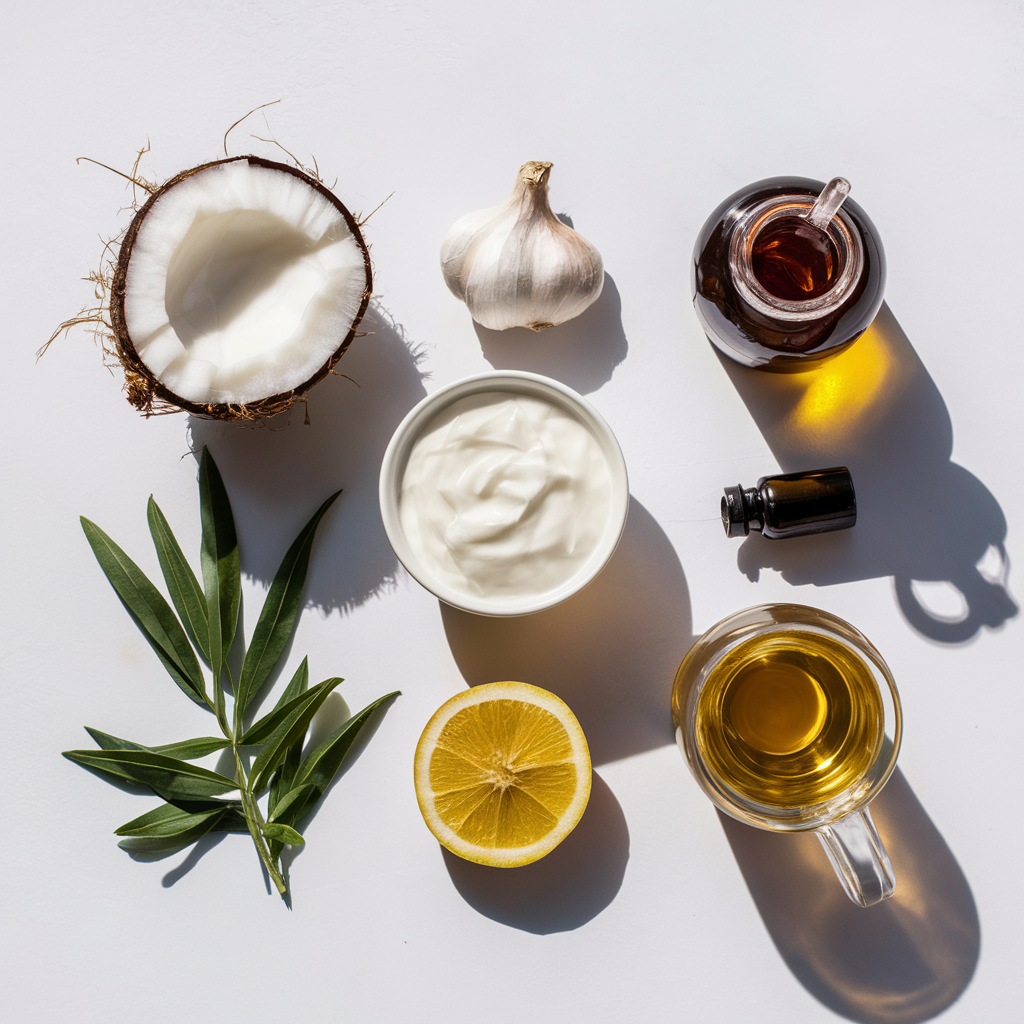
Garlic
Garlic has natural antifungal compounds:
- Consume 1-2 raw garlic cloves daily, crushed or minced
- Add fresh garlic to meals
- Some suggest using garlic directly, but this method lacks scientific support and may cause irritation
Boric Acid Suppositories
Available OTC, these can be effective for recurring yeast infections:
- Use one 600mg suppository before bed
- May provide relief within 24 hours
- Warning: Not safe during pregnancy and should not be consumed orally
Greek Yogurt
Contains beneficial bacteria that may help restore vaginal flora:
- Consume 1-2 cups daily of plain, unsweetened Greek yogurt with live cultures
- Some women apply it externally or internally, though there’s limited scientific evidence for topical use
Lifestyle Adjustments for 24-Hour Relief
Immediate lifestyle changes can significantly accelerate healing and provide comfort while treatments work:
Clothing Choices
- Switch to loose-fitting cotton underwear immediately
- Avoid tight pants, leggings, or synthetic materials
- Sleep without underwear to improve air circulation
- Change out of wet swimsuits or workout clothes immediately
Hygiene Practices
- Avoid douching or using scented feminine products
- Clean the genital area with warm water only (no soap)
- Pat dry thoroughly after bathing
- Wipe from front to back after using the toilet
Immediate Dietary Changes
- Reduce or eliminate: Sugar, refined carbohydrates, alcohol, and caffeine
- Increase: Garlic, coconut oil, cinnamon, oregano, and other natural antifungals
- Stay well hydrated to help flush out toxins
Probiotics
Take a high-quality probiotic supplement containing Lactobacillus strains. Look for products with at least 10 billion CFUs and consume with meals for maximum effect.
Stress Reduction
Practice immediate stress-relief techniques like deep breathing, meditation, or gentle yoga, as stress can worsen symptoms and slow healing by affecting immune function.
Combination Approaches for Fastest Relief
For the most rapid results, consider safely combining several approaches:
Sample 24-Hour Treatment Schedule
Morning:
- Take a probiotic supplement with breakfast
- Apply OTC antifungal cream as directed
- Wear loose cotton clothing
- Begin sugar-free diet
- Consume Greek yogurt and/or garlic with meals
Afternoon:
- Apply diluted tea tree oil or coconut oil to external affected areas
- Stay hydrated with water
- Practice stress reduction techniques
Evening:
- Take an apple cider vinegar bath
- Pat dry thoroughly
- Apply OTC antifungal cream or insert suppository before bed
- Sleep without underwear to improve air circulation
Track your symptoms throughout the day, noting improvements or changes. This information can help you identify which treatments are most effective for your specific situation.
When 24-Hour Treatment May Not Be Enough
While many yeast infections respond quickly to treatment, certain situations require more time or medical intervention:
Signs You Need Longer Treatment
- Severe symptoms that don’t improve after 24 hours
- Recurring infections (more than 4 per year)
- Complications from diabetes or immune disorders
- Pregnancy (requires specific safe treatments)
Red Flags That Require Medical Attention
- Fever over 101°F (38°C)
- Worsening symptoms despite treatment
- Unusual discharge with strong odor
- Severe pain, redness, or swelling
- Abdominal or back pain
- First-time yeast infection (to confirm diagnosis)
Conditions That Mimic Yeast Infections
Several conditions have similar symptoms but require different treatments:
- Bacterial vaginosis
- Sexually transmitted infections
- Dermatitis or allergic reactions
- Urinary tract infections
If you’re unsure about your symptoms or if they don’t improve with home treatment, consult a healthcare provider for proper diagnosis and treatment.

Prevention Strategies After Successful Treatment
Once you’ve successfully treated your yeast infection, implement these strategies to prevent recurrence:
Immediate Practices
- Continue wearing loose cotton underwear
- Maintain the sugar-reduced diet for at least a week
- Complete the full course of any medication, even if symptoms resolve
- Avoid sexual intercourse until symptoms have completely resolved
Long-term Lifestyle Changes
- Maintain a balanced diet low in refined sugars and carbohydrates
- Continue taking probiotics regularly
- Change out of wet or sweaty clothes promptly
- Use unscented soaps and toilet paper
- Consider switching birth control methods if you experience recurrent infections
Preventative Supplements
- Daily probiotic supplements (especially after antibiotic use)
- Cranberry supplements may help maintain urinary tract health
- Vitamin D supplementation to support immune function
Special Considerations
Yeast Infections During Pregnancy
Pregnant women should always consult their healthcare provider before using any treatments, as some antifungal medications may not be safe during pregnancy. Topical clotrimazole or miconazole are generally considered safer options, but should only be used under medical supervision.
Approaches for Recurrent Infections
If you experience four or more yeast infections in a year:
- Your doctor may recommend a longer course of antifungal medication
- Maintenance therapy may be prescribed (weekly fluconazole for 6 months)
- Testing for underlying conditions like diabetes or immune disorders
- Consider testing for less common Candida species that may be resistant to standard treatments
Male Yeast Infections
Men can also develop yeast infections, particularly on the penis. Symptoms include redness, itching, and a rash. Treatment typically involves antifungal creams like clotrimazole or miconazole applied to the affected area for 7-14 days.
Yeast Infections in Other Body Areas
Yeast can overgrow in various body locations, including:
- Oral thrush: White patches in the mouth treated with antifungal lozenges or oral fluconazole
- Skin folds: Treat with antifungal creams and keep areas clean and dry
- Diaper rash: Use antifungal creams and frequent diaper changes
- Nail fungus: Requires longer-term treatment with oral medications
Conclusion
While completely eliminating a yeast infection within 24 hours may not be possible in every case, you can significantly reduce symptoms and jumpstart healing within this timeframe. The most effective approach combines appropriate medical treatments with natural remedies and lifestyle modifications.
For fastest relief, consider:
- Starting with a single-dose or 1-day OTC antifungal treatment
- Implementing immediate lifestyle changes like wearing cotton underwear and reducing sugar intake
- Using natural remedies like coconut oil, probiotics, and apple cider vinegar baths
- Consulting a healthcare provider for severe symptoms or recurring infections
Remember that while quick relief is important, ensuring complete resolution of the infection is crucial to prevent recurrence. Always finish your full course of treatment, even if symptoms improve rapidly. By taking a comprehensive approach to both treatment and prevention, you can find relief quickly and reduce your risk of future infections.
Frequently Asked Questions
Can I really cure a yeast infection in just 24 hours?
While you can significantly reduce symptoms within 24 hours using appropriate treatments, complete elimination of the infection may take longer. Mild cases may resolve quickly with proper treatment, but moderate to severe infections typically require several days of treatment for complete resolution.
Is it safe to use multiple treatments simultaneously?
Combining certain treatments can be effective but should be done carefully. It’s generally safe to use an OTC antifungal medication alongside external natural remedies like coconut oil on the vulva. However, you should avoid using multiple internal treatments simultaneously without medical guidance, as this could cause irritation or interactions.
What’s the fastest working over-the-counter treatment?
Single-dose or 1-day treatments containing tioconazole or miconazole typically provide the fastest relief, with many women reporting improvement within 12-24 hours. However, these higher-concentration formulas may cause more initial irritation than multi-day treatments.
How can I tell if my home remedy is working?
Signs of improvement include reduced itching and irritation, decreased discharge, and less redness and swelling. If symptoms worsen or don’t improve within 24-48 hours, discontinue the home remedy and consult a healthcare provider.
Should I continue treatment after symptoms disappear?
Yes, it’s important to complete the full course of any antifungal treatment, even if symptoms resolve quickly. Stopping treatment prematurely can lead to recurrence as some fungal cells may remain and multiply again once treatment stops.