

The question “How much should I weigh?” is one of the most common health concerns people have, yet the answer isn’t as straightforward as many think. Unlike the outdated one-size-fits-all weight charts of the past, modern health science recognizes that your ideal weight depends on numerous individual factors including your height, age, body composition, genetics, and overall health status. The traditional approach of simply looking up your height on a chart and finding a single “perfect” number has been replaced by a more nuanced understanding that considers your unique body type, lifestyle, and health goals. This comprehensive guide will help you understand the various factors that influence your optimal weight and provide you with the tools and knowledge to determine what’s healthiest for your individual situation, moving beyond the scale to focus on overall wellness and body composition.
Understanding Weight Basics
When we talk about “ideal weight,” it’s crucial to understand that this concept has evolved significantly from outdated beauty standards to a health-focused approach. Your ideal weight isn’t about achieving a specific number you saw in a magazine or what someone else weighs – it’s about finding the weight range where your body functions optimally, you feel energetic, and your health markers are in good range.
The medical perspective on optimal weight centers around reducing disease risk and promoting longevity rather than aesthetic goals. Healthcare professionals now recognize that healthy weights exist within ranges, not as single numbers, and these ranges can vary significantly between individuals even of the same height and age.
One of the most persistent misconceptions is the idea that there’s a “perfect weight” for everyone of a certain height. This myth has been perpetuated by oversimplified charts and social media comparisons. In reality, two people of identical height and age might have completely different healthy weight ranges based on their muscle mass, bone density, genetics, and body composition. What matters most is not the number on the scale, but how that weight affects your overall health, energy levels, and quality of life.
BMI Calculator and Understanding Body Mass Index
Body Mass Index (BMI) remains one of the most widely used tools for assessing whether someone is at a healthy weight. BMI is calculated using a simple formula: your weight in kilograms divided by your height in meters squared (kg/m²). For those using pounds and inches, the formula is: (weight in pounds × 703) divided by (height in inches squared).
The standard BMI categories are:
- Underweight: BMI less than 18.5
- Normal weight: BMI 18.5-24.9
- Overweight: BMI 25-29.9
- Obese: BMI 30 and above
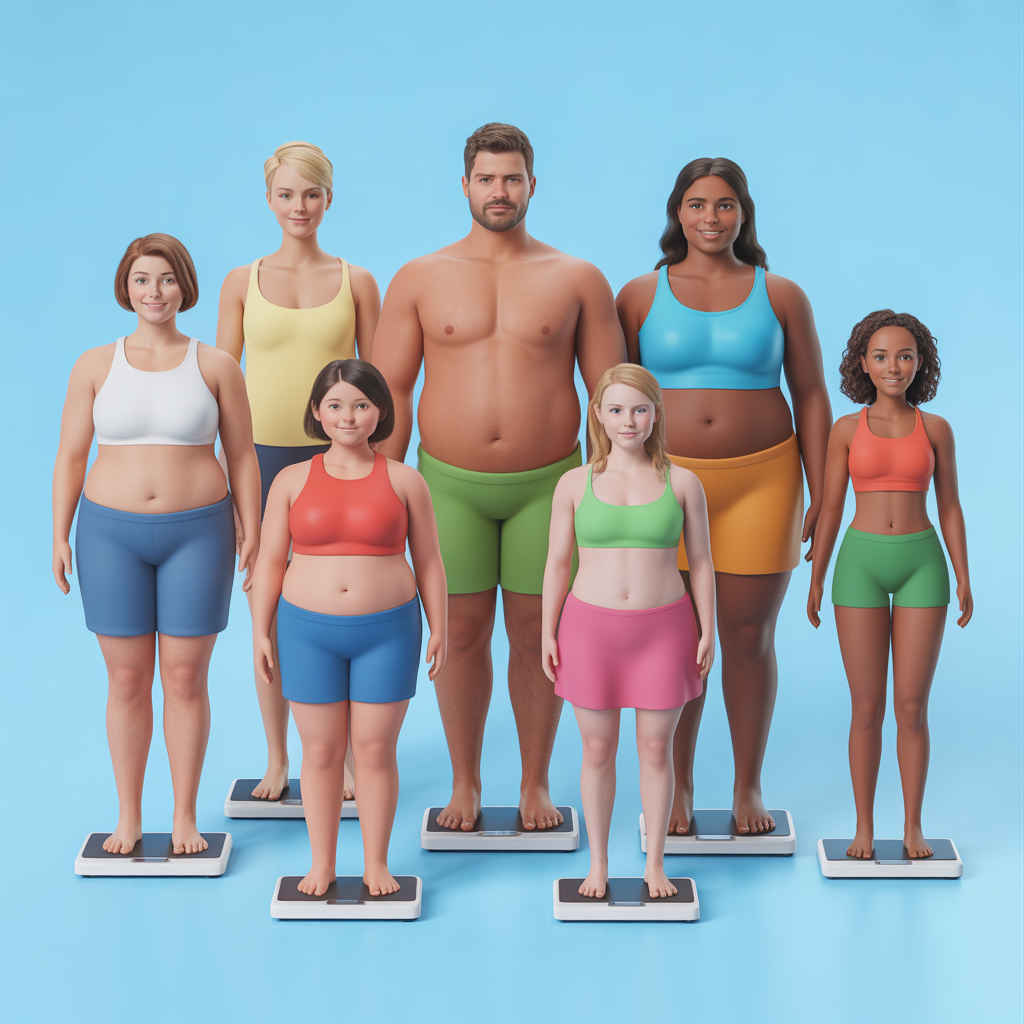
However, BMI has significant limitations that are important to understand. It doesn’t distinguish between muscle mass and fat mass, which means very muscular individuals might be classified as overweight or even obese despite having low body fat percentages. Professional athletes, bodybuilders, and people who engage in regular strength training often have BMIs that fall outside the “normal” range while being in excellent health.
Additionally, BMI doesn’t account for differences in body composition across different ethnic groups, ages, or individual genetic variations. Some populations naturally carry weight differently and may have different healthy BMI ranges than the standard categories suggest.
Healthy Weight Ranges by Height
While BMI provides a general framework, it’s more practical to think in terms of weight ranges rather than specific numbers. For most adults, healthy weight ranges vary considerably even within the same height category. Here are general guidelines for healthy weight ranges:
For Women:
- 5’0″ (60 inches): 97-140 lbs
- 5’2″ (62 inches): 104-148 lbs
- 5’4″ (64 inches): 110-156 lbs
- 5’6″ (66 inches): 118-165 lbs
- 5’8″ (68 inches): 125-174 lbs
- 5’10” (70 inches): 132-184 lbs
For Men:
- 5’6″ (66 inches): 128-174 lbs
- 5’8″ (68 inches): 136-184 lbs
- 5’10” (70 inches): 144-194 lbs
- 6’0″ (72 inches): 152-205 lbs
- 6’2″ (74 inches): 161-217 lbs
- 6’4″ (76 inches): 169-228 lbs
Remember that these ranges are broad guidelines based on BMI calculations and may not be appropriate for everyone. Your individual healthy weight might fall outside these ranges depending on your body composition, muscle mass, and other factors.
Age and Weight Considerations
Your ideal weight isn’t static throughout your lifetime – it naturally changes as you age due to various physiological factors. Understanding these changes can help you set realistic expectations and health goals for different life stages.
During childhood and adolescence, weight gain is expected and necessary for proper growth and development. The focus during these years should be on supporting healthy growth patterns rather than restricting weight gain. Young adults typically establish their baseline adult weight during their twenties, and maintaining stability during this period often indicates good metabolic health.
As people enter their forties and beyond, several factors contribute to weight changes. Metabolism typically slows down by about 2-3% per decade after age 30, primarily due to loss of muscle mass. Hormonal changes, particularly during menopause for women and gradual testosterone decline for men, can affect body composition and weight distribution. Additionally, lifestyle factors such as decreased physical activity, increased stress, and changes in sleep patterns can influence weight.
For older adults, maintaining some extra weight can actually be protective. Research suggests that older adults with BMIs in the higher end of the normal range or slightly overweight category may have better outcomes than those who are underweight. This is partly because having some weight reserves can be beneficial during illness or recovery periods.
Body Composition: Beyond the Scale
One of the most important concepts in understanding healthy weight is body composition – the ratio of muscle, fat, bone, and water that makes up your total body weight. Two people can weigh exactly the same but have completely different body compositions and health profiles.
Muscle tissue is denser and takes up less space than fat tissue, which means a person with more muscle mass might weigh more but actually be smaller in size and healthier overall. This is why athletes and people who strength train regularly might have higher BMIs while maintaining low body fat percentages and excellent health markers.

Body fat percentage is often a more meaningful measure than total weight. For men, healthy body fat percentages typically range from 10-22%, while for women, the range is usually 16-30%. These ranges account for the natural differences in body composition between genders, with women typically having higher body fat percentages due to biological factors related to reproduction and hormone levels.
Your body type also influences how you carry weight and what might be healthy for you. The three basic body types – ectomorphs (naturally lean), mesomorphs (naturally muscular), and endomorphs (naturally broader) – each have different tendencies for weight distribution and muscle development. Understanding your natural body type can help set realistic expectations and choose appropriate fitness and nutrition strategies.
Health Indicators Beyond Weight
While weight is one health indicator, it’s far from the only one that matters. Many other measurements provide better insights into your overall health and fitness level than the number on the scale.
Waist circumference is particularly important because it indicates the amount of visceral fat around your organs. For women, waist measurements over 35 inches, and for men, measurements over 40 inches, may indicate increased health risks regardless of overall weight. The waist-to-hip ratio is another valuable measurement that helps assess body fat distribution patterns.
Cardiovascular fitness markers such as resting heart rate, blood pressure, and how quickly your heart rate recovers after exercise can be more indicative of health than weight alone. Someone who is technically “overweight” but has excellent cardiovascular fitness may be healthier than someone at a “normal” weight who is sedentary.
Energy levels, sleep quality, mood stability, and overall functional capacity in daily activities are also crucial health indicators. If you feel energetic, sleep well, can perform daily tasks without difficulty, and have stable moods, these are positive signs regardless of what the scale says.
Genetic and Individual Factors
Genetics play a significant role in determining your natural weight range, body shape, and how your body responds to diet and exercise. If your family members tend to carry weight in similar patterns or have similar body types, you may share these genetic tendencies. However, genetics are not destiny – lifestyle factors still have a major impact on your health and weight.
Some people have naturally faster or slower metabolisms due to genetic factors, thyroid function, or other hormonal influences. Certain medical conditions can also affect weight, including thyroid disorders, polycystic ovary syndrome (PCOS), insulin resistance, and various hormonal imbalances. Some types of prescription medications can also influence weight as a side effect.
Environmental and lifestyle factors such as sleep quality, stress levels, and socioeconomic factors also significantly impact weight. Chronic stress can lead to elevated cortisol levels, which may promote weight gain, particularly around the midsection. Poor sleep quality can disrupt hormones that regulate hunger and satiety, making weight management more challenging.
Gender-Specific Weight Considerations
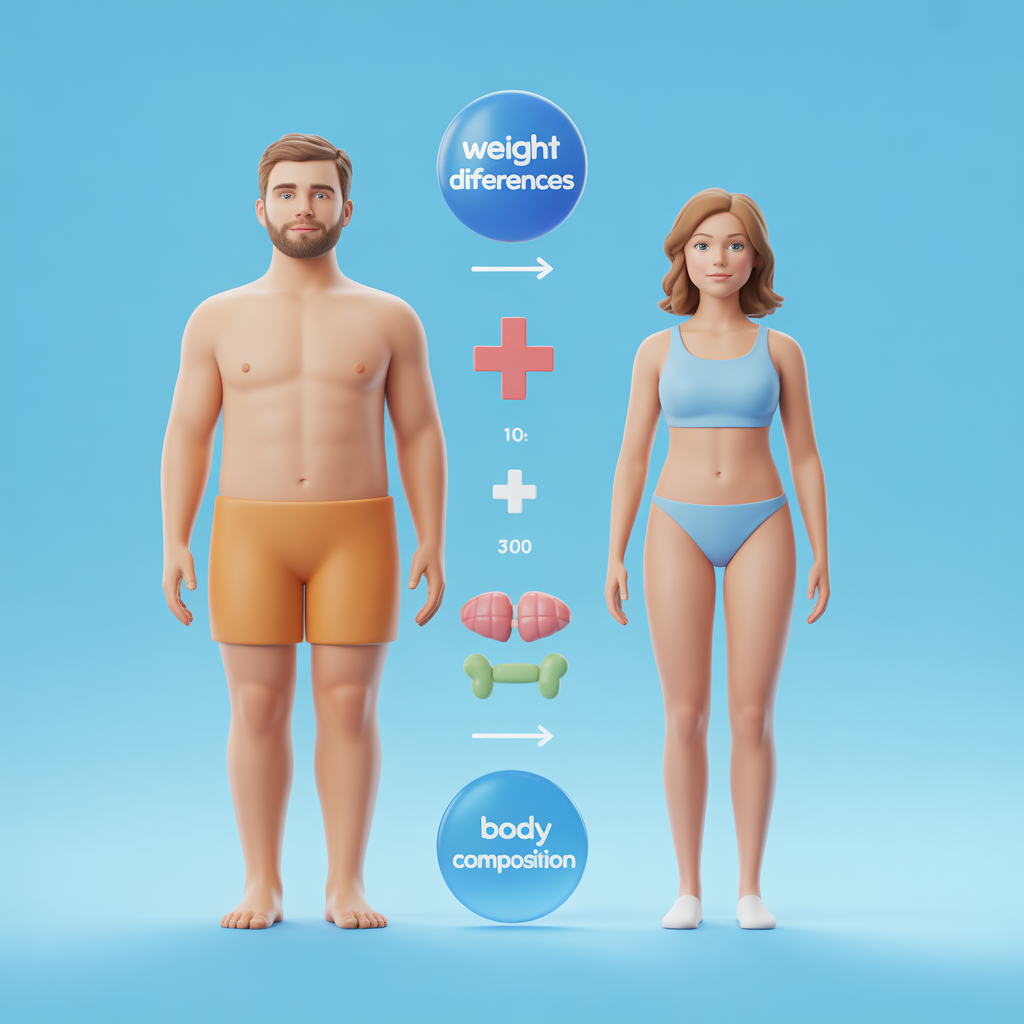
Men and women have different body composition patterns and weight distribution due to biological differences. Women typically have higher body fat percentages and tend to store fat in the hips and thighs, while men more commonly store fat around the midsection. These differences are largely due to hormonal influences, particularly estrogen and testosterone.
Women experience unique weight fluctuations throughout their menstrual cycles, with many noticing weight gains of 1-5 pounds due to fluid retention in the days leading up to menstruation. During pregnancy and postpartum periods, significant weight changes are normal and expected. Menopause brings hormonal changes that can affect metabolism and weight distribution, often leading to increased abdominal weight gain.
Men typically have higher muscle mass and bone density than women, which affects their healthy weight ranges and metabolic needs. As men age, declining testosterone levels can contribute to muscle loss and changes in body composition, potentially affecting their optimal weight range.
Determining Your Personal Ideal Weight
Rather than focusing on a single “ideal” number, it’s more helpful to identify a healthy weight range that works for your individual circumstances. This process involves considering multiple factors and may benefit from professional guidance.
Start by assessing your current health markers: energy levels, sleep quality, physical fitness, and any health conditions. Consider your family history, natural body type, and lifestyle factors. Think about weights at which you’ve felt your best physically and mentally in the past, while being realistic about age-related changes.
Setting realistic goals is crucial for long-term success. Instead of dramatic weight loss targets, consider aiming for gradual changes of 1-2 pounds per week if weight loss is needed. Focus on building sustainable habits rather than quick fixes, and remember that maintaining weight loss is often more challenging than losing weight initially.
Your personal healthy weight range might be 5-10 pounds wide, allowing for natural fluctuations due to factors like hydration status, menstrual cycles, or temporary lifestyle changes. This range approach is much more sustainable and psychologically healthy than fixating on a specific number.
Achieving and Maintaining Healthy Weight
Sustainable weight management is built on three pillars: balanced nutrition, regular physical activity, and healthy lifestyle habits. Rather than extreme approaches, focus on moderate, consistent changes that you can maintain long-term.
For nutrition, emphasize whole foods including plenty of vegetables, fruits, lean proteins, whole grains, and healthy fats. Pay attention to portion sizes and eating patterns, but avoid overly restrictive diets that eliminate entire food groups. Consider working with a registered dietitian to develop a personalized eating plan that fits your preferences, lifestyle, and health needs.
Physical activity should include both cardiovascular exercise and strength training. Cardio activities help burn calories and improve heart health, while strength training builds and maintains muscle mass, which is crucial for metabolism. Find activities you enjoy, as you’re more likely to stick with exercise that feels fun rather than punishing.
Lifestyle factors such as adequate sleep (7-9 hours for most adults), stress management, and staying hydrated all play important roles in weight management. Poor sleep and chronic stress can disrupt hormones that regulate appetite and metabolism, making weight management more difficult.
When to Seek Professional Help
While many people can successfully manage their weight independently, certain situations warrant professional medical guidance. Consult with healthcare providers if you experience rapid, unexplained weight loss or gain, if you have symptoms of eating disorders, or if you have underlying health conditions that affect weight.
A primary care physician can evaluate your overall health, check for underlying medical conditions, and provide personalized recommendations. They can also monitor important health markers such as blood pressure, cholesterol levels, and blood sugar that are related to weight and overall health.
Registered dietitians are valuable resources for developing sustainable eating plans, addressing nutritional deficiencies, and learning practical meal planning strategies. Mental health professionals can be helpful if emotional eating, body image issues, or eating disorders are concerns.
For some individuals with significant weight-related health issues, supervised medical weight management programs may be appropriate. These programs typically include comprehensive health assessments, personalized meal plans, exercise guidance, and regular monitoring by healthcare professionals.
Conclusion: Your Journey to Optimal Health
Determining how much you should weigh is a personal journey that goes far beyond simply looking up numbers on a chart. Your ideal weight is the one that supports your overall health, gives you energy for daily activities, and allows you to feel confident and strong in your body. This weight may change throughout your lifetime due to age, lifestyle changes, and other factors – and that’s completely normal.
Focus on developing healthy habits rather than obsessing over specific numbers. Prioritize balanced nutrition, regular physical activity, adequate sleep, and stress management. Pay attention to how you feel physically and mentally rather than just what the scale says. Remember that health comes in many shapes and sizes, and your optimal weight may be different from someone else’s.
Most importantly, be patient and kind with yourself throughout this process. Sustainable changes take time, and setbacks are a normal part of any health journey. If you’re unsure about what’s right for your individual situation, don’t hesitate to consult with qualified healthcare professionals who can provide personalized guidance based on your unique health profile and goals.