

Sleep is a fundamental pillar of human health, yet millions worldwide struggle to get adequate rest. Beyond just the total hours of sleep, understanding the various sleep stages—particularly deep sleep—is crucial for optimizing health and recovery. Deep sleep, also known as slow-wave sleep, is when your body performs its most intensive restoration work. While most adults need 7-9 hours of total sleep, the composition of that sleep matters significantly. Research shows that 15-25% of your sleep should ideally be deep sleep for optimal physical recovery and cognitive function. This article explores how much deep sleep you need at different life stages, why it’s critical for your wellbeing, and practical strategies to improve both its quality and quantity.
Understanding Sleep Cycles and Stages
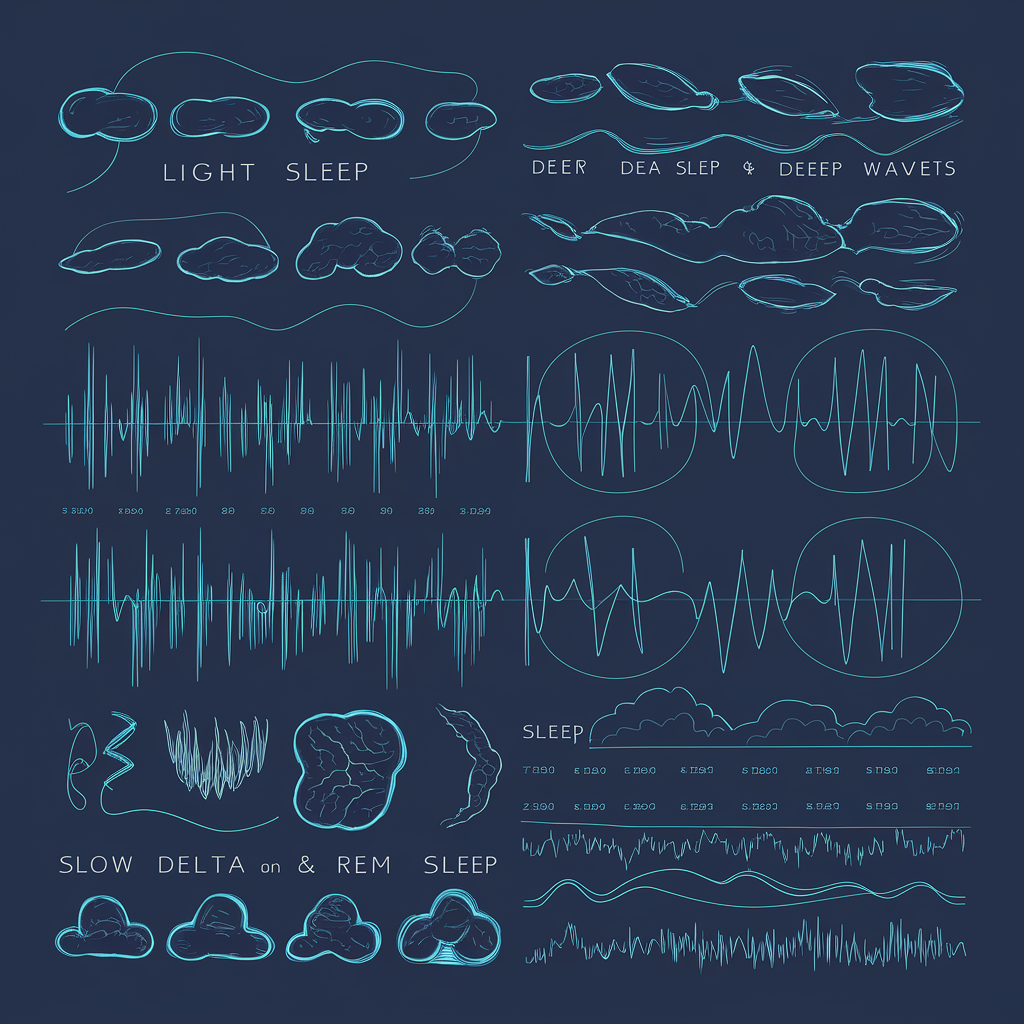
Sleep is not a uniform state but rather a complex cycle of different stages, each serving unique biological functions. A typical night involves multiple complete sleep cycles, with each cycle lasting approximately 90-110 minutes.
Complete Sleep Cycle Explanation
Each sleep cycle consists of four distinct stages:
- Non-REM Stage 1 (N1): The transitional phase between wakefulness and sleep, lasting 1-5 minutes. You can be easily awakened during this light sleep stage.
- Non-REM Stage 2 (N2): A period of light sleep where your heart rate slows and body temperature drops. This typically accounts for about 50% of total sleep time.
- Non-REM Stage 3 (N3): This is deep sleep or slow-wave sleep, characterized by delta brain waves. It’s most abundant during the first half of the night.
- REM (Rapid Eye Movement): The dream stage, where brain activity increases, and most vivid dreams occur. The first REM period might last only 10 minutes, with later ones extending to an hour.
What is Deep Sleep Specifically?
Deep sleep, scientifically referred to as N3 sleep or slow-wave sleep, is characterized by slow delta wave activity in the brain. During this stage:
- Brain waves slow down significantly to delta waves (0.5-4 Hz)
- Blood pressure drops and breathing becomes slower
- The body becomes less responsive to external stimuli
- It’s most difficult to wake someone during this stage
This restorative stage typically occurs more abundantly in the first half of your night’s sleep, particularly during the first two sleep cycles. As the night progresses, deep sleep periods shorten while REM sleep extends.
Optimal Deep Sleep Requirements
General Recommendations for Adults
For optimal health, research suggests that adults should aim for:
- 15-25% of total sleep time in deep sleep
- Approximately 60-90 minutes of deep sleep per night
While these percentages serve as general guidelines, individual requirements can vary based on numerous factors including age, activity level, and overall health status.
Age-Specific Requirements
Deep sleep requirements change significantly throughout the lifespan:
- Children and Teenagers: Children require substantially more deep sleep than adults, with up to 40% of their sleep being deep sleep. This higher percentage supports crucial growth and development processes.
- Young and Middle-aged Adults: Adults in their 20s through 50s typically need 60-90 minutes of deep sleep, representing about 15-25% of their total sleep.
- Older Adults: Beginning around age 60, deep sleep naturally declines, sometimes to less than 10% of total sleep time. This reduction is a normal part of aging but may contribute to some age-related health challenges.
Individual Variations
Several factors influence individual deep sleep requirements:
- Genetic factors: Research shows that sleep architecture has hereditary components, with some people naturally requiring more or less deep sleep.
- Physical activity: Those engaged in regular intense physical activity often need more deep sleep for muscle recovery and growth.
- Prior sleep debt: After periods of sleep deprivation, the body prioritizes deep sleep during recovery, highlighting its essential nature.
- Health status: Various health conditions can increase the need for restorative deep sleep.
Light and REM Sleep Requirements
While deep sleep is crucial, a balanced sleep architecture including adequate light and REM sleep is equally important for comprehensive health benefits.
Recommended Light Sleep Duration
Light sleep, comprising N1 and N2 stages, typically accounts for:
- N1: 5-10% of total sleep time (approximately 25-50 minutes)
- N2: 45-55% of total sleep time (approximately 225-275 minutes)
Despite being called “light,” these stages serve important functions, including:
- Transitioning between wakefulness and deeper sleep states
- Processing information and consolidating certain types of memories
- Maintaining sleep during minor disturbances
- Supporting motor skill development
Optimal REM Sleep Needs
REM sleep typically constitutes:
- 20-25% of total sleep in healthy adults (approximately 90-120 minutes)
REM sleep serves critical functions including:
- Emotional processing and regulation
- Consolidation of procedural memory and creative problem-solving
- Brain development (especially crucial in infants)
- Supporting cognitive functions and learning

Balance Between Sleep Stages
A typical healthy sleep architecture for adults includes:
- 5-10% in N1 sleep
- 45-55% in N2 sleep
- 15-25% in deep sleep (N3)
- 20-25% in REM sleep
Disruption in any of these proportions can lead to suboptimal rest and various health consequences, even if total sleep duration appears adequate.
Why Deep Sleep is Critical for Health
Physical Recovery Benefits
Deep sleep provides numerous essential physical restoration functions:
- Muscle repair and growth: During deep sleep, growth hormone is released at its highest levels, facilitating tissue repair and muscle development.
- Immune system enhancement: The production and distribution of immune cells intensify during deep sleep, strengthening your body’s defense mechanisms.
- Hormone regulation: Beyond growth hormone, deep sleep regulates other crucial hormones including cortisol (stress), leptin and ghrelin (appetite control), and insulin (glucose metabolism).
- Energy conservation: This stage reduces metabolic activity to its lowest point, conserving energy for daytime functioning.
Cognitive Function Improvements
Deep sleep provides critical cognitive benefits:
- Memory consolidation: During deep sleep, the brain transfers information from short-term to long-term memory, particularly declarative memories (facts and events).
- Learning capacity: Adequate deep sleep enhances the ability to acquire new information and skills.
- Brain waste clearance: The glymphatic system—the brain’s waste removal mechanism—is most active during deep sleep, clearing potentially harmful proteins including those associated with neurodegenerative diseases.
Long-term Health Implications
Research has linked sufficient deep sleep with substantial long-term health benefits:
- Reduced risk of chronic diseases: Adequate deep sleep is associated with lower risks of cardiovascular disease, type 2 diabetes, and obesity.
- Mental health protection: Consistent deep sleep helps prevent depression, anxiety, and other mood disorders.
- Cognitive resilience: Regular deep sleep may protect against cognitive decline and dementia.
- Longevity connections: Multiple studies suggest a relationship between healthy deep sleep patterns and increased lifespan.
Signs of Insufficient Deep Sleep
Even if you’re getting the recommended 7-9 hours of total sleep, insufficient deep sleep can manifest through various symptoms:
Physical Symptoms
- Persistent fatigue: Feeling unrefreshed despite adequate sleep duration
- Muscle and joint pain: Heightened sensitivity to pain and reduced physical recovery
- Compromised immune function: Increased frequency of colds and infections
- Morning headaches: Particularly those that dissipate after being awake for some time
- Increased appetite and cravings: Particularly for high-calorie, carbohydrate-rich foods
Cognitive Indicators
- Memory issues: Difficulty recalling information or learning new material
- Impaired concentration: Struggling to focus or maintain attention
- Reduced problem-solving ability: Difficulty with complex thinking and creative solutions
- Slower reaction times: Noticeable decrease in response speeds
- Poor decision-making: Increased impulsivity and compromised judgment
Emotional Manifestations
- Mood swings: Unpredictable emotional responses and irritability
- Increased anxiety: Heightened worry and stress responses
- Reduced emotional resilience: Greater difficulty coping with daily stressors
- Depression-like symptoms: Persistent low mood and reduced enjoyment
Factors Affecting Deep Sleep Quality and Quantity
Lifestyle Factors
Daily choices significantly impact deep sleep:
- Exercise timing and intensity: Regular physical activity, particularly when performed earlier in the day, can increase deep sleep. However, intense exercise too close to bedtime might be disruptive.
- Dietary patterns: High-carbohydrate meals close to bedtime may reduce deep sleep, while adequate protein intake throughout the day supports it. Caffeine, alcohol, and nicotine can all significantly reduce deep sleep, even when consumed several hours before bed.
- Screen exposure: Blue light from devices suppresses melatonin production and can reduce deep sleep quantity. The psychological stimulation from content can be equally disruptive.
- Stress levels: Chronic stress and poor stress management lead to elevated cortisol levels that directly oppose deep sleep mechanisms.

Environmental Considerations
Your sleep environment plays a crucial role:
- Bedroom temperature: Research indicates that a cool room temperature (around 65°F/18°C) promotes deeper sleep by facilitating the natural drop in core body temperature.
- Noise disruptions: Even when not causing full awakening, noise can pull you out of deep sleep into lighter stages.
- Light exposure: Complete darkness supports melatonin production and deeper sleep phases.
- Sleep surface quality: Mattress comfort and support can significantly impact sleep architecture and deep sleep attainment.
Medical Conditions
Various health conditions can impact deep sleep:
- Sleep disorders: Sleep apnea, periodic limb movement disorder, and insomnia all disrupt normal sleep architecture and reduce deep sleep.
- Chronic pain: Pain conditions make it difficult to achieve and maintain deep sleep.
- Neurological conditions: Parkinson’s disease, Alzheimer’s, and other neurological disorders often alter sleep structure.
- Medications: Many common medications, including certain antidepressants, beta-blockers, and corticosteroids, can suppress deep sleep.
How to Improve Deep Sleep
Evidence-based Sleep Hygiene Practices
Fundamental practices to enhance overall sleep quality include:
- Consistent schedule: Going to bed and waking at the same times—even on weekends—helps regulate your body’s sleep-wake cycle.
- Wind-down routine: Establish a 30-60 minute pre-sleep ritual that signals to your body it’s time to transition to sleep.
- Limit stimulants: Avoid caffeine for at least 8 hours before bedtime and limit alcohol consumption, which can fragment sleep.
- Digital sunset: Implement a technology cut-off at least 1 hour before bed to minimize blue light exposure and mental stimulation.
Specific Deep Sleep Enhancement Strategies
Targeted approaches to boost deep sleep include:
- Physical activity timing: Regular exercise, particularly in the morning or early afternoon, has been shown to increase deep sleep quantity.
- Temperature optimization: Consider a warm bath or shower 1-2 hours before bed, as the subsequent body temperature drop promotes deep sleep.
- Nutritional approaches: Some research suggests that glycine (found in bone broth and some supplements) may enhance deep sleep quality.
- Stress management: Regular meditation, deep breathing exercises, or progressive muscle relaxation can reduce stress hormones that interfere with deep sleep.
- Extended sleep opportunity: If possible, allow for a longer sleep period occasionally to permit your body to catch up on deep sleep debt.
Technology and Tools
Various technologies may support better deep sleep:
- Sleep tracking devices: While consumer sleep trackers have limitations in accuracy, they can help identify patterns and improvements over time.
- Sound machines: Pink noise (a deeper version of white noise) has been shown in some studies to enhance deep sleep.
- Bedroom environment optimizers: Smart thermostats, blackout curtains, and specialized mattresses can all contribute to better sleep architecture.
- Meditation and relaxation apps: Guided sleep meditations and breathing exercises can help transition into deeper sleep states.
When to Seek Professional Help
Persistent Sleep Problems
Consider consulting a healthcare provider if you experience:
- Consistent daytime fatigue despite adequate sleep duration
- Loud snoring, gasping, or breathing pauses during sleep (possible sleep apnea)
- Difficulty falling or staying asleep for more than three weeks
- Excessive daytime sleepiness affecting safety or quality of life
- Unusual behaviors during sleep
Sleep Study Information
Professional sleep assessment may include:
- Polysomnography: An overnight sleep study that measures brain waves, oxygen levels, heart rate, breathing, and movement to accurately identify sleep stages and potential disorders.
- Home sleep tests: Less comprehensive than lab studies but can help diagnose certain conditions like sleep apnea.
- Sleep diaries and actigraphy: Tracking sleep patterns over weeks can reveal important patterns.
Treatment Options
Healthcare providers may recommend:
- Cognitive Behavioral Therapy for Insomnia (CBT-I): The most effective non-pharmaceutical treatment for sleep disorders, addressing behaviors and thoughts that impact sleep.
- Medical interventions: Treatment for underlying conditions like sleep apnea (CPAP), restless legs syndrome, or pain disorders.
- Appropriate medication: In some cases, carefully prescribed sleep medications may be beneficial for short-term use.
- Specialized therapies: Emerging treatments like transcranial magnetic stimulation for specific sleep disorders.
Conclusion
Understanding your deep sleep requirements is essential for optimizing overall health and wellbeing. While most adults need 60-90 minutes of deep sleep (representing 15-25% of total sleep time), individual requirements vary based on age, lifestyle, and health status. Deep sleep plays an irreplaceable role in physical restoration, cognitive function, and long-term health preservation.
Rather than focusing solely on hours slept, pay attention to sleep quality and the signs your body provides about your deep sleep adequacy. Implement consistent sleep hygiene practices, create an ideal sleep environment, and address factors that might be diminishing your deep sleep quality. If you continue to experience symptoms of poor sleep despite these efforts, don’t hesitate to seek professional guidance.
In our achievement-oriented culture, sleep is often sacrificed, but the evidence is clear: investing in your deep sleep is one of the most significant contributions you can make to your immediate performance and long-term health. Your brain and body perform incredible restoration work during those precious minutes of deep sleep—giving them the time and optimal conditions to do so is a cornerstone of lasting health.
Frequently Asked Questions
Can you make up for lost deep sleep?
While the body does prioritize deep sleep after periods of sleep deprivation (a phenomenon called “sleep rebound”), chronic sleep restriction creates a debt that’s difficult to fully repay. Rather than relying on weekend “catch-up” sleep, maintaining consistent sleep patterns is more effective for preserving deep sleep quality.
Does napping provide deep sleep benefits?
Longer naps (90+ minutes) can include deep sleep cycles and provide some restorative benefits. However, they don’t fully replace the benefits of consolidated nighttime sleep and may interfere with subsequent night sleep for some individuals. Short power naps (20-30 minutes) typically don’t include deep sleep but can still improve alertness.
How accurate are consumer sleep trackers for measuring deep sleep?
Consumer sleep trackers (wearables and apps) have limitations in accurately identifying sleep stages. They typically rely on movement and heart rate patterns rather than brain waves, which are the gold standard for determining sleep stages. While they can identify general patterns and changes over time, their specific measurements of deep sleep minutes should be interpreted cautiously.
Can supplements or medications increase deep sleep?
Some supplements like magnesium, glycine, and melatonin show promise for supporting deep sleep in certain populations, though research remains preliminary. Most sleep medications, particularly benzodiazepines and “Z-drugs,” actually suppress deep sleep while increasing total sleep time. Always consult with a healthcare provider before using any supplement or medication for sleep.
Is too much deep sleep possible or harmful?
There’s little evidence that naturally occurring high levels of deep sleep are harmful. The body generally self-regulates sleep architecture based on needs. However, excessive deep sleep percentages seen in some sleep disorders or after certain medications may indicate underlying issues requiring medical attention.