

Cortisol, often called the “stress hormone,” plays a crucial role in numerous bodily functions from regulating metabolism to managing immune responses. However, when cortisol levels remain elevated for extended periods, they can trigger a cascade of health issues affecting virtually every system in your body. An estimated 10-15 million Americans may experience high cortisol levels at some point, with approximately 40 per million developing Cushing’s syndrome annually. Whether triggered by chronic stress, medications, or underlying medical conditions, understanding elevated cortisol is essential for maintaining overall wellness. This comprehensive guide explores the symptoms, causes, and treatment options for high cortisol levels, helping you recognize when to seek medical attention and what steps you can take to restore hormonal balance.
Understanding Cortisol
Cortisol is the primary glucocorticoid hormone produced by your adrenal glands, small organs located atop each kidney. As the body’s main stress hormone, cortisol orchestrates your “fight-or-flight” response while regulating multiple essential functions including metabolism, immune system responses, and inflammation control.
The production of cortisol follows a complex pathway known as the hypothalamic-pituitary-adrenal (HPA) axis. This system begins when your hypothalamus releases corticotropin-releasing hormone (CRH), signaling your pituitary gland to produce adrenocorticotropic hormone (ACTH), which then stimulates your adrenal glands to release cortisol into the bloodstream.
Under normal circumstances, cortisol follows a distinct daily rhythm called the diurnal pattern. Levels typically peak in the early morning hours (around 8 AM) to help you wake up and gradually decrease throughout the day, reaching their lowest point around midnight. This natural fluctuation supports healthy sleep-wake cycles and energy regulation.
It’s important to distinguish between acute and chronic cortisol elevation. Temporary spikes during stressful situations are a normal, healthy response that helps your body manage immediate challenges. However, when cortisol remains persistently elevated, it can disrupt nearly every bodily system, from cardiovascular function to cognitive processing, creating a cascade of health problems over time.
Signs and Symptoms of High Cortisol Levels
Elevated cortisol can manifest through a wide range of symptoms, affecting your physical appearance, psychological wellbeing, and metabolic health. Recognizing these warning signs early is crucial for timely intervention.
Physical Symptoms
The physical manifestations of high cortisol are often the most visible indicators:
- Weight gain: Particularly around the abdomen, face (moon face), and upper back (buffalo hump)
- Purple/red stretch marks: Especially on the abdomen, thighs, breasts, and arms
- Skin changes: Thinning skin that bruises easily and heals slowly
- Muscle weakness: Particularly in the legs and arms, making climbing stairs or rising from a chair difficult
- Excessive hair growth: Women may notice unusual hair growth on the face, chest, and back (hirsutism)
- Facial redness: A persistently flushed appearance
- Bone loss: Leading to backaches, rib fractures, and overall fragility
Psychological Symptoms
The impact on mental health can be equally significant:
- Anxiety and irritability: Feeling constantly on edge or easily agitated
- Mood swings: Unpredictable emotional fluctuations
- Depression: Persistent feelings of sadness or hopelessness
- Cognitive issues: Problems with concentration, memory, and decision-making
- Sleep disturbances: Insomnia or fragmented sleep patterns
- Fatigue: Persistent tiredness despite adequate rest
Metabolic Symptoms
Behind the scenes, cortisol excess disrupts multiple metabolic processes:
- High blood pressure: Cortisol increases sodium retention and blood vessel constriction
- Elevated blood sugar: Reduced insulin sensitivity and increased glucose production
- Impaired immunity: Greater susceptibility to infections and delayed healing
- Menstrual irregularities: Women may experience infrequent or absent periods
- Increased thirst and urination: Due to effects on kidney function and blood sugar
- Reduced libido: Decreased interest in sexual activity
- Digestive issues: Including bloating, acid reflux, and altered gut function
Causes of Elevated Cortisol Levels
Several factors can drive cortisol levels above the normal range, from everyday stressors to serious medical conditions.
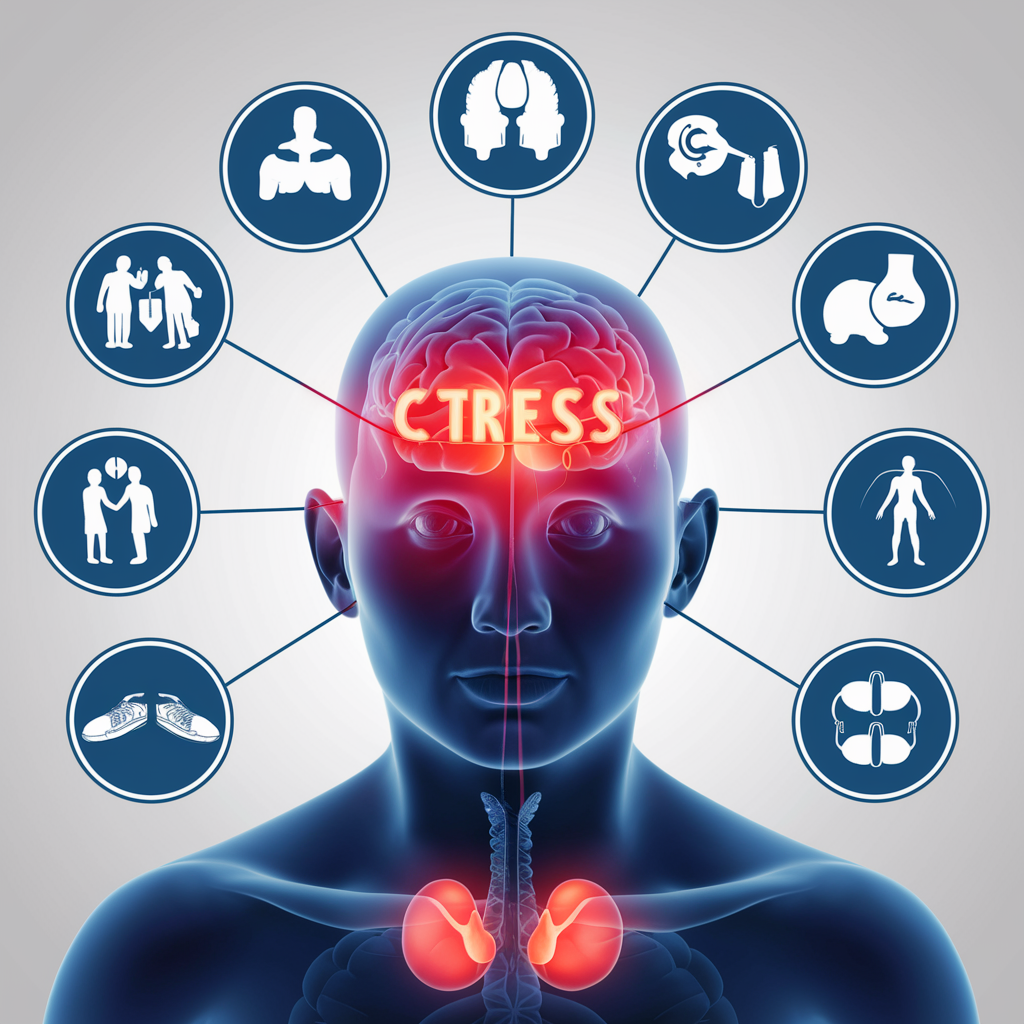
Chronic Stress
Persistent psychological or physiological stress represents the most common cause of cortisol elevation:
- Work-related pressure and deadlines
- Financial difficulties
- Relationship problems
- Caregiving responsibilities
- Trauma or grief
- Chronic pain or illness
Medical Conditions
Several medical conditions can disrupt normal cortisol regulation:
- Cushing’s syndrome: Caused by excessive cortisol exposure over time, affecting approximately 10-15 per million people annually
- Adrenal tumors: Benign or malignant growths on the adrenal glands that overproduce cortisol
- Pituitary tumors: Growths that stimulate excessive ACTH production, driving cortisol release
- Ectopic ACTH syndrome: When tumors outside the pituitary (often in the lungs) produce ACTH
- Adrenal hyperplasia: Enlarged adrenal glands that produce excess hormones
Medications
Certain medications can significantly increase cortisol levels:
- Glucocorticoids: Prednisone, dexamethasone, hydrocortisone, and other steroid medications
- Estrogen and oral contraceptives: Can increase cortisol-binding globulin
- Some antibiotics: May interfere with cortisol metabolism
- Certain antifungals: Can inhibit cortisol breakdown
Lifestyle Factors
Day-to-day habits significantly influence cortisol regulation:
- Sleep deprivation: Even one night of poor sleep can elevate morning cortisol
- Excessive caffeine: More than 400mg daily can amplify cortisol response
- Alcohol consumption: Initially lowers cortisol but increases it during withdrawal
- Poor diet: High sugar, refined carbohydrates, and insufficient protein
- Overtraining: Excessive exercise without adequate recovery
- Shift work: Disruption of natural circadian rhythms
Other Contributing Factors
Additional elements that may influence cortisol levels include:
- Pregnancy: Naturally increases cortisol, especially in the third trimester
- Mental health conditions: Severe depression, anxiety disorders, and PTSD
- Eating disorders: Particularly anorexia nervosa
- Chronic inflammation: Autoimmune conditions and inflammatory disorders
- Hyperthyroidism: Can accelerate cortisol metabolism
When High Cortisol Becomes Dangerous
While temporary cortisol elevation is part of a normal stress response, chronic elevation presents serious health risks that develop progressively over time.
Short-term vs. Long-term Risks
Short-term cortisol spikes typically resolve without lasting damage. However, when cortisol remains elevated for months or years, virtually every body system becomes vulnerable to significant health complications.
Potential Complications
Sustained high cortisol levels can lead to:
- Cardiovascular problems: Hypertension, increased stroke risk, and atherosclerosis
- Metabolic disorders: Insulin resistance, type 2 diabetes, and metabolic syndrome
- Bone health deterioration: Osteoporosis and increased fracture risk
- Immune system suppression: Greater vulnerability to infections and delayed healing
- Neurological effects: Memory impairment, cognitive decline, and structural brain changes
- Reproductive issues: Menstrual irregularities, reduced fertility, and decreased libido
- Psychological problems: Anxiety disorders, depression, and sleep disturbances
- Muscle wasting: Reduced muscle mass and strength
Warning Signs Requiring Immediate Attention
Seek urgent medical care if you experience:
- Severe, unexplained weakness or fatigue
- Sudden, intense headaches
- Significant mood changes or mental confusion
- Unusually high blood pressure
- Visual disturbances
- Severe abdominal pain
- Frequent infections or poor wound healing
Diagnosis of High Cortisol Levels
Accurately diagnosing elevated cortisol requires specialized testing and often involves multiple diagnostic steps to confirm both the presence of excess cortisol and identify its underlying cause.
When to Consult a Healthcare Provider
Consider seeking medical evaluation if you notice:
- Progressive weight gain, especially with thin limbs but central obesity
- Unexplained purple-red stretch marks
- Increasing facial roundness or a “buffalo hump”
- Persistent fatigue despite adequate sleep
- Muscle weakness making daily activities difficult
- New-onset high blood pressure or diabetes
- Mood changes, anxiety, or depression unresponsive to standard interventions
Common Diagnostic Tests
Diagnosing high cortisol typically involves a multi-step approach:
- 24-hour urinary free cortisol test: Measures cortisol excreted in urine over a full day, providing a comprehensive view of cortisol production
- Late-night salivary cortisol test: Assesses cortisol levels when they should naturally be at their lowest, typically around midnight
- Dexamethasone suppression test: Evaluates whether cortisol production decreases appropriately in response to synthetic cortisol, helping differentiate between causes
- Blood cortisol test: May be performed in the morning when cortisol is normally highest and/or at midnight when it should be lowest
- ACTH level test: Measures the pituitary hormone that stimulates cortisol production
Imaging Tests
If initial tests confirm high cortisol, imaging helps locate the source:
- CT scan: Provides detailed images of the adrenal glands to identify tumors or enlargement
- MRI: Particularly useful for examining the pituitary gland
- Adrenal vein sampling: A specialized procedure to determine if one or both adrenal glands are overproducing cortisol
- PET scan: May help locate ectopic sources of ACTH production
Differential Diagnosis Considerations
Several conditions can mimic symptoms of high cortisol, including:
- Polycystic ovary syndrome (PCOS)
- Metabolic syndrome
- Depression and anxiety disorders
- Alcoholism
- Obesity unrelated to cortisol
- Pregnancy
- Medication side effects
Treatment Options for High Cortisol
Treatment approaches for elevated cortisol vary significantly depending on the underlying cause, severity of symptoms, and individual patient factors. A comprehensive treatment plan typically combines medical interventions with lifestyle modifications.
Medical Treatments
For Cushing’s syndrome and other medical causes of high cortisol:
- Surgery: Often the first-line treatment for tumors causing excess cortisol
- Transsphenoidal surgery for pituitary tumors
- Adrenalectomy (removal of affected adrenal gland)
- Removal of ectopic ACTH-producing tumors
- Medications: Several drugs can help control cortisol production
- Ketoconazole, mitotane, or metyrapone to block cortisol synthesis
- Mifepristone to block cortisol receptors
- Pasireotide for pituitary tumors
- Cabergoline in certain cases
- Radiation therapy: May be recommended for tumors that cannot be completely removed surgically
- Bilateral adrenalectomy: Removal of both adrenal glands in severe cases, requiring lifelong hormone replacement
Lifestyle Modifications
For stress-induced cortisol elevation and to support medical treatments:
- Stress reduction techniques:
- Progressive muscle relaxation
- Deep breathing exercises
- Guided imagery
- Mindfulness practices
- Exercise recommendations:
- Regular moderate activity (30-45 minutes most days)
- Balance between cardio, strength training, and flexibility
- Avoid overtraining, which can increase cortisol
- Sleep hygiene improvements:
- Consistent sleep-wake schedule
- Creating a cool, dark, quiet sleeping environment
- Limiting screen time before bed
- Avoiding caffeine and alcohol near bedtime
- Dietary changes:
- Anti-inflammatory whole foods diet
- Regular meal timing to stabilize blood sugar
- Adequate protein intake
- Limiting processed foods, sugar, and alcohol
- Proper hydration
Complementary Approaches
Evidence-supported complementary strategies include:
- Mindfulness meditation: Research shows regular practice can reduce cortisol levels by 10-20%
- Yoga: Certain practices specifically reduce stress hormone production
- Adaptogenic herbs: Some evidence supports ashwagandha, rhodiola, and holy basil for stress management
- Cognitive behavioral therapy (CBT): Helps manage stress response and reframe thought patterns
- Massage therapy: Can temporarily lower cortisol levels
- Acupuncture: May help modulate stress response in some individuals
Living with and Managing High Cortisol
Managing elevated cortisol often requires a long-term strategy that encompasses daily routines, ongoing monitoring, and sustainable lifestyle changes.
Creating a Cortisol-Friendly Routine
Establishing daily habits that support healthy cortisol patterns:
- Wake and sleep at consistent times to maintain natural cortisol rhythm
- Include protein with breakfast to stabilize morning cortisol spike
- Practice brief stress-reduction techniques throughout the day
- Take short breaks from work or challenging tasks
- Exercise at optimal times (typically morning or early afternoon, not late evening)
- Create evening wind-down rituals that signal your body to reduce cortisol
Monitoring and Follow-up Care
Ongoing assessment and care typically involve:
- Regular cortisol testing as recommended by your healthcare provider
- Monitoring for signs of recurrence or symptom changes
- Bone density scans to assess skeletal health
- Blood pressure and blood sugar monitoring
- Adjustment of medications as needed
- Regular follow-up with specialists, typically every 3-6 months initially
Support Resources and Groups
Connecting with others facing similar challenges can provide valuable emotional support and practical advice:
- The Cushing’s Support & Research Foundation
- The Pituitary Network Association
- Hormone Health Network patient resources
- Online support communities and forums
- Local hospital-based support groups
Long-term Outlook and Prognosis
Recovery and long-term outcomes depend on several factors:
- The underlying cause of high cortisol
- Duration of exposure to elevated cortisol
- Effectiveness of treatment
- Presence of complications at diagnosis
- Individual response to interventions
With proper treatment, many symptoms of high cortisol can improve significantly, though some changes (such as stretch marks) may be permanent. Complete recovery from Cushing’s syndrome typically takes 12-18 months as the body readjusts to normal cortisol levels.
When to Seek Medical Help
Knowing when to consult healthcare professionals about cortisol concerns can help prevent serious complications and ensure timely treatment.
Red Flag Symptoms Requiring Immediate Attention
Seek urgent medical care if you experience:
- Severe, unexplained weakness that interferes with daily activities
- Sudden, severe headaches, especially with visual changes
- Unusual confusion or mental status changes
- Severe depression or thoughts of self-harm
- Very high blood pressure
- Unusual infections or wounds that won’t heal
- Spontaneous bone fractures
Guidance for Discussing Symptoms with Healthcare Providers
To have productive medical consultations:
- Document symptom patterns, including when they started and what makes them better or worse
- Bring a complete medication list, including supplements
- Consider taking photos of physical changes over time
- Keep a record of blood pressure readings if monitoring at home
- Bring results from previous relevant tests
- Be prepared to describe lifestyle factors like stress levels, sleep patterns, and diet
Questions to Ask Your Doctor
Prepare for your appointment with questions such as:
- What tests should I undergo to confirm whether my cortisol is elevated?
- Could my medications be affecting my cortisol levels?
- What’s the most likely cause of my symptoms?
- What treatment options are available, and what are their side effects?
- What lifestyle changes would you recommend?
- How long might it take to see improvement?
- What monitoring will I need long-term?
- Should I see an endocrinologist?
Finding Specialists
For complex cortisol issues, specialized care may include:
- Endocrinologists: Specialists in hormonal disorders
- Neurosurgeons: For pituitary tumors
- Endocrine surgeons: For adrenal surgery
- Radiation oncologists: If radiation treatment is needed
Ask your primary care physician for referrals, check with your insurance provider for in-network specialists, or contact university medical centers that often have specialized endocrine centers.
Conclusion
High cortisol levels represent a complex health challenge that can significantly impact quality of life when left unaddressed. From the subtle early warning signs like fatigue and mood changes to the more distinctive physical symptoms like central weight gain and purple stretch marks, recognizing cortisol excess early provides the best opportunity for successful intervention. Whether caused by chronic stress, medications, or medical conditions like Cushing’s syndrome, elevated cortisol requires a comprehensive approach that may include medical treatments, lifestyle modifications, and ongoing monitoring.
The good news is that with proper diagnosis and treatment, many of the effects of high cortisol can be reversed or significantly improved. The body has remarkable resilience when cortisol levels return to their normal, rhythmic pattern. While the journey to hormonal balance may require patience—often taking months for symptoms to fully resolve—the health benefits extend to virtually every system in the body, from improved metabolism and cardiovascular function to enhanced mental wellbeing and immune response.
If you suspect your cortisol levels may be elevated, don’t hesitate to seek medical evaluation. With today’s advanced diagnostic capabilities and diverse treatment options, there’s every reason to be optimistic about restoring hormonal health and reclaiming your wellbeing.
FAQs About High Cortisol Levels
Can high cortisol be cured completely?
Yes, high cortisol can often be completely resolved, particularly when caused by a specific medical condition that can be treated. For example, removing a cortisol-producing tumor can lead to complete cure. For stress-induced cortisol elevation, implementing effective stress management techniques and lifestyle changes can normalize levels. However, some people may require ongoing management, especially if the underlying cause cannot be fully eliminated.
How quickly can cortisol levels return to normal with treatment?
The timeline varies depending on the cause and treatment approach. After successful surgery for Cushing’s syndrome, cortisol may begin normalizing within days to weeks, though full recovery of the HPA axis can take 6-18 months. With medication therapy, improvement may be seen within weeks but often requires dose adjustments. For stress-related elevation, consistent lifestyle changes typically show measurable cortisol improvements within 2-3 months.
Is high cortisol always caused by Cushing’s syndrome?
No, high cortisol is not always Cushing’s syndrome. While Cushing’s syndrome is characterized by chronically elevated cortisol, many people experience high cortisol from other causes including chronic stress, depression, alcoholism, eating disorders, and certain medications. Doctors typically use specific diagnostic criteria to determine whether elevated cortisol levels meet the threshold for Cushing’s syndrome diagnosis.
Can children have high cortisol levels?
Yes, children can develop high cortisol levels, though it’s less common than in adults. Pediatric Cushing’s syndrome affects approximately 1 in 1 million children annually. Children with elevated cortisol typically show different symptoms than adults, including growth failure, rapid weight gain, and delayed puberty. Chronic stress, including adverse childhood experiences, can also affect children’s cortisol patterns and may have long-term health implications.
How do stress management techniques actually lower cortisol?
Stress reduction practices work through multiple physiological pathways to lower cortisol. Techniques like deep breathing, meditation, and yoga activate the parasympathetic nervous system (the “rest and digest” response), which counteracts the sympathetic “fight or flight” system that triggers cortisol release. These practices reduce activity in the amygdala (the brain’s alarm system) while strengthening prefrontal cortex function, improving stress regulation. Regular practice creates measurable changes in the HPA axis sensitivity, making it less reactive to stressors over time.
What’s the relationship between cortisol and weight gain?
Cortisol promotes weight gain through multiple mechanisms. It increases appetite, particularly for calorie-dense comfort foods, while enhancing fat storage, especially in the abdominal area. High cortisol also reduces insulin sensitivity, leading to higher blood sugar and ultimately more fat storage. Additionally, it can decrease muscle mass, lowering metabolic rate. The distinctive central obesity pattern (thin limbs with central weight gain) is so characteristic of cortisol excess that it serves as a key diagnostic indicator for Cushing’s syndrome.
Can high cortisol affect fertility?
Yes, elevated cortisol can significantly impact reproductive function in both women and men. In women, high cortisol can disrupt the menstrual cycle, suppress ovulation, and reduce sex hormone production, making conception more difficult. In men, chronic cortisol elevation can lower testosterone levels, reduce sperm count and quality, and contribute to erectile dysfunction. Addressing cortisol imbalances often improves fertility parameters and may be an important consideration in unexplained infertility cases.
Are there natural supplements proven to lower cortisol?
Several natural compounds show promise for moderating cortisol levels, though evidence varies in quality and consistency. Ashwagandha has the strongest research support, with multiple clinical trials showing significant cortisol reduction. Other supplements with some evidence include phosphatidylserine, omega-3 fatty acids, vitamin C, rhodiola rosea, and holy basil. However, the effect sizes are generally modest compared to lifestyle changes, and these supplements should complement rather than replace fundamental approaches like stress management, adequate sleep, and proper nutrition.