

Strong forearms are crucial for overall strength and performance in both athletic endeavors and daily activities. Despite their importance, forearm muscles are often overlooked in typical workout routines, leading to underdeveloped strength and potential limitations in performance. Whether you’re a rock climber needing exceptional grip strength, an athlete seeking improved performance, or simply looking to enhance your functional strength, targeted forearm training can provide significant benefits. This comprehensive guide explores 15 effective forearm exercises, proper techniques, and programming strategies to help you build impressive forearm strength regardless of your current fitness level.
Understanding Forearm Anatomy
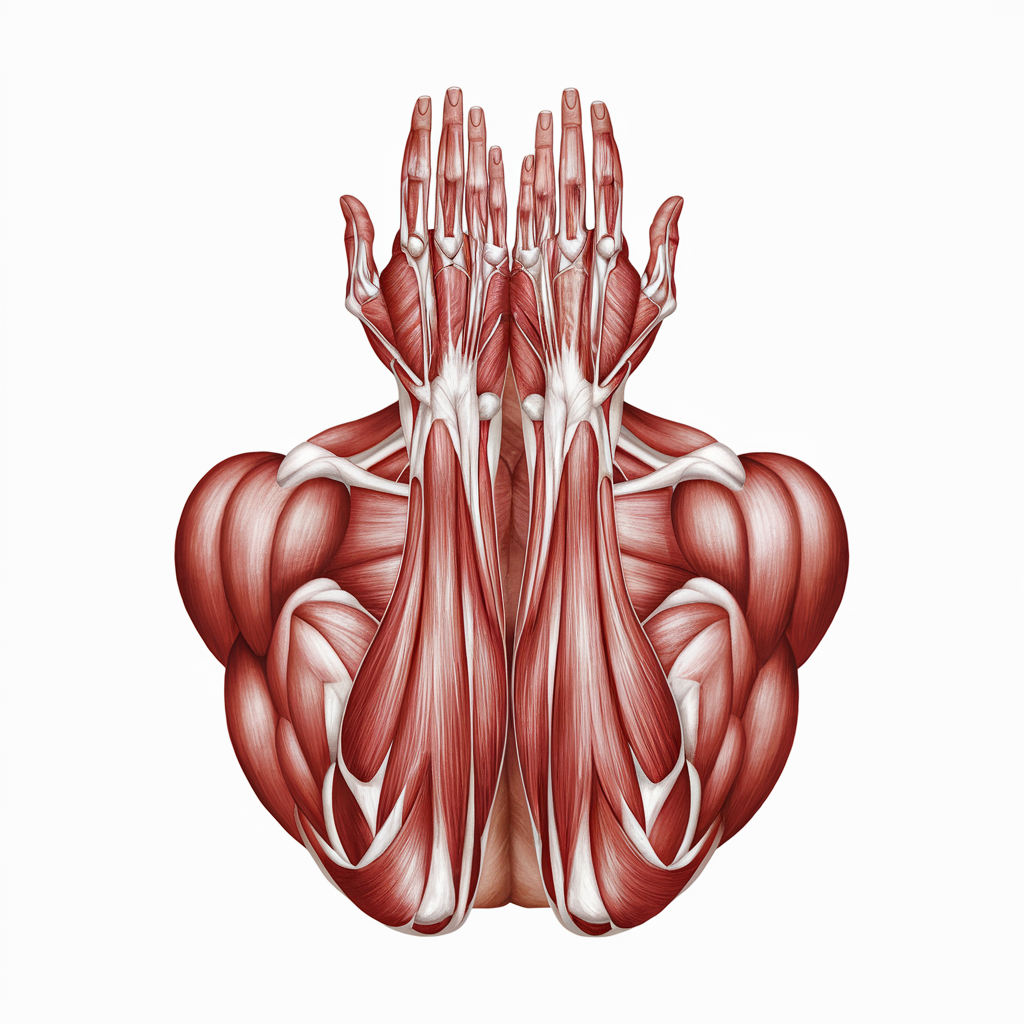
To effectively train the forearms, it’s essential to understand their anatomical structure. The forearm contains numerous muscles divided into two main groups: flexors (located on the inner forearm) and extensors (located on the outer forearm).
The flexor muscles are responsible for wrist flexion (bending the wrist downward) and finger flexion (making a fist). Key muscles in this group include the flexor carpi radialis, flexor carpi ulnaris, and palmaris longus.
The extensor muscles perform wrist extension (bending the wrist upward) and finger extension (opening the hand). Major extensors include the extensor carpi radialis longus, extensor carpi radialis brevis, and extensor carpi ulnaris.
Additionally, forearm muscles control pronation (rotating the palm downward) and supination (rotating the palm upward), crucial movements for everyday tasks and various sports.
Benefits of Strong Forearms
Developing strong forearms provides numerous advantages across various aspects of fitness and daily life:
- Enhanced Grip Strength: Strong forearms directly translate to greater grip strength, which is fundamental for lifting heavier weights in exercises like deadlifts, pull-ups, and rows.
- Improved Athletic Performance: Sports like tennis, baseball, golf, rock climbing, and martial arts all require significant forearm strength for optimal performance.
- Injury Prevention: Well-developed forearm muscles help stabilize the wrist joint, reducing the risk of strains and sprains during physical activities.
- Better Performance in Daily Activities: From opening jars to carrying groceries, strong forearms make everyday tasks easier.
- Aesthetic Benefits: Well-developed forearms contribute to a balanced physique and can be visually impressive, especially since they’re often visible regardless of clothing.
Equipment Needed for Forearm Training
One of the advantages of forearm training is its versatility in terms of equipment requirements. You can effectively train your forearms with:
- Dumbbells: Ideal for wrist curls, reverse curls, and hammer curls
- Resistance Bands: Perfect for rotational movements and portable training
- Grip Strengtheners: Specialized tools like hand grippers and grip balls
- Household Items: Towels, rice buckets, and other everyday objects can serve as effective training tools
- Specialized Equipment: Wrist rollers, thick bars, and climbing equipment for advanced training
Dumbbell Forearm Exercises
1. Wrist Curls
Wrist curls are one of the most effective exercises for targeting the forearm flexor muscles.
Instructions:
- Sit on a bench with your forearms resting on your thighs, palms facing up
- Hold a dumbbell in each hand with your wrists just beyond your knees
- Lower the weights by extending your wrists as far as comfortable
- Curl the weights up by flexing your wrists, contracting your forearm muscles
- Slowly return to the starting position
Sets and Reps: Begin with 3 sets of 12-15 repetitions, progressively increasing weight as you develop strength.
Common Mistakes: Avoid using momentum to lift the weight, keep your forearms stationary throughout the movement, and don’t rush through the repetitions.
2. Reverse Wrist Curls
This exercise targets the extensor muscles on the top of your forearm.
Instructions:
- Sit on a bench with your forearms resting on your thighs, palms facing down
- Hold a dumbbell in each hand with your wrists just beyond your knees
- Allow the dumbbells to roll to your fingertips, lowering your wrists
- Extend your wrists upward, lifting the dumbbells while keeping your forearms stationary
- Squeeze at the top of the movement before slowly lowering back down
Progressive Overload: Start with lighter weights than your wrist curls, as extensor muscles are typically weaker than flexors. Gradually increase weight as strength improves.
3. Hammer Curls
While primarily known as a biceps exercise, hammer curls significantly engage the brachioradialis, a key forearm muscle.
Instructions:
- Stand with feet shoulder-width apart, holding dumbbells at your sides with palms facing your torso
- Keeping your upper arms stationary, curl the weights up while maintaining the neutral grip (thumbs up)
- Squeeze your forearms and biceps at the top of the movement
- Lower the weights back to the starting position in a controlled manner
Variations: Perform alternating hammer curls, cross-body hammer curls, or seated hammer curls to target the muscles from different angles.
4. Farmer’s Walks
This simple yet challenging exercise builds tremendous forearm and grip strength.
Instructions:
- Select a pair of heavy dumbbells, kettlebells, or specialized farmer’s walk handles
- Pick up the weights and stand with good posture: chest up, shoulders back, core engaged
- Walk forward with controlled steps for a predetermined distance or time
- Focus on maintaining a strong grip and proper posture throughout
Recommendations: Start with 30-45 second walks, gradually increasing duration and/or weight. For maximum benefit, choose a weight that challenges your grip by the end of the set.
Bodyweight Forearm Exercises
5. Fingertip Push-ups
This advanced bodyweight exercise strengthens the fingers, wrists, and forearms while engaging the entire upper body.
Instructions:
- Begin in a standard push-up position, but with your weight supported on your fingertips instead of flat palms
- Keep your fingers spread and press firmly into the ground
- Lower your body by bending your elbows, keeping your core tight and body in a straight line
- Push back up to the starting position, focusing on finger and forearm strength
Progression Steps: If fingertip push-ups are too challenging initially, start with incline fingertip push-ups against a wall or elevated surface. As strength increases, move to the floor and gradually increase repetitions.

6. Plank Rotations
This exercise strengthens the forearms while also engaging the core and shoulders.
Instructions:
- Begin in a forearm plank position with elbows directly beneath shoulders
- Keeping your body in a straight line, shift your weight to your left forearm
- Rotate your torso as you extend your right arm upward, opening your chest to the right
- Return to the starting position and repeat on the opposite side
- Continue alternating sides for the prescribed repetitions
Modifications: For an easier version, perform from a knee plank position. For a greater challenge, increase the hold time in the rotated position.
7. Towel Pull-ups/Hangs
Using towels significantly increases the grip challenge during pull-ups or hangs.
Instructions:
- Drape two towels over a pull-up bar, spacing them shoulder-width apart
- Grip one towel in each hand, ensuring a secure hold
- For towel hangs: Simply hang from the towels, focusing on maintaining a strong grip
- For towel pull-ups: Perform pull-ups while gripping the towels
Duration: Begin with 20-30 second hangs, gradually working up to 45-60 seconds. For pull-ups, start with 3-5 repetitions and progressively increase as strength improves.
8. Forearm Plank Hold
The standard forearm plank is an excellent way to build forearm endurance and strength.
Instructions:
- Position yourself face down with forearms on the ground, elbows directly below shoulders
- Extend your legs behind you, rising onto your toes
- Create a straight line from head to heels, engaging your core
- Focus on pressing your forearms firmly into the ground
- Hold the position while breathing normally
Time Targets: Beginners should aim for 30-second holds, intermediate exercisers for 60 seconds, and advanced fitness enthusiasts for 2+ minutes.
Resistance Band Forearm Exercises
9. Band Wrist Curls
Resistance bands provide a unique tension profile that can be particularly effective for forearm training.
Instructions:
- Secure a resistance band under your foot, sitting on a chair or bench
- Grip the band with your palm up, forearm resting on your thigh
- With your wrist extending just beyond your knee, curl your wrist upward against the band’s resistance
- Slowly return to the starting position, controlling the descent
- Complete all repetitions on one arm before switching to the other
Band Selection: Choose a resistance level that allows you to complete 12-15 repetitions with proper form. As strength improves, progress to bands with greater resistance.
10. Resisted Wrist Rotations
This exercise targets the muscles responsible for pronation and supination movements.
Instructions:
- Attach a resistance band to a secure anchor point at elbow height
- Stand perpendicular to the anchor, holding the band with your elbow bent at 90 degrees and tucked against your side
- Rotate your forearm inward (pronation) and outward (supination) against the band’s resistance
- Maintain control throughout the movement, focusing on forearm engagement
- Complete all repetitions in one direction before switching to the other
Sets and Reps: Perform 2-3 sets of 15-20 repetitions in each direction for balanced development.
11. Band Pull-aparts with Wrist Emphasis
This exercise strengthens both the posterior shoulder muscles and the forearms.
Instructions:
- Hold a resistance band in front of you with arms extended, palms facing down
- Create tension in the band by pulling slightly
- Pull the band apart by moving your arms outward while simultaneously extending your wrists
- Squeeze your forearms and upper back at the end position
- Slowly return to the starting position with control
Technique Focus: Emphasize the wrist extension during the movement to maximize forearm engagement while maintaining proper shoulder positioning.
Grip Strengthening Exercises
12. Plate Pinches
Plate pinches build tremendous finger and thumb strength by challenging your ability to hold smooth surfaces together.
Instructions:
- Place two weight plates together with the smooth sides facing outward
- Pinch the plates between your thumb and fingers
- Lift the plates off the ground and hold for time
- Focus on maintaining consistent pressure throughout the hold
Progressive Overload: Begin with lighter plates (5-10 pounds each) for 20-30 seconds. As grip strength improves, increase either the plate weight or hold duration.

13. Hand Grippers
Hand grippers are specialized tools designed specifically for developing crushing grip strength.
Instructions:
- Hold the gripper with the handles parallel to the ground
- Position the gripper in your palm with your fingers wrapped around one handle
- Squeeze the handles together completely, focusing on finger and forearm contraction
- Control the return to the starting position
- Repeat for the desired number of repetitions before switching hands
Selection Guidelines: Choose a gripper that allows 10-15 complete closures. Many grippers come with adjustable tension or in progressive resistance levels to accommodate strength development.
14. Bar Hangs
Simple yet effective, bar hangs build remarkable grip and forearm endurance.
Instructions:
- Grab a pull-up bar with a full overhand grip at shoulder width
- Lift your feet off the ground, supporting your full bodyweight with your hands
- Maintain a strong grip, focusing on breathing normally
- Hold for the target duration
Duration Goals: Beginners should aim for 30-second hangs, while more advanced individuals can work toward 60-90 seconds or longer. For additional challenge, try single-arm hangs or using a thicker bar.
15. Rice Bucket Training
Rice bucket training is a rehabilitation staple that has become popular for developing forearm strength, endurance, and coordination.
Instructions:
- Fill a bucket with uncooked rice deep enough to cover your hand and wrist
- Perform various movements with your hand submerged in the rice:
- Finger flexion and extension (making fists and spreading fingers)
- Wrist rotations (clockwise and counterclockwise)
- Rice grabbing and releasing
- Wrist flexion and extension
Training Protocol: Perform each movement for 30-60 seconds before moving to the next. The resistance provided by the rice creates constant tension on the forearm muscles.
Sample Forearm Workout Routines
Incorporate these exercises into your training with these sample routines based on your current level:
Beginner Routine
- Wrist Curls: 3 sets of 12-15 reps
- Reverse Wrist Curls: 3 sets of 10-12 reps
- Forearm Plank Hold: 3 sets of 30 seconds
Intermediate Routine
- Wrist Curls: 3 sets of 15 reps
- Reverse Wrist Curls: 3 sets of 15 reps
- Hammer Curls: 3 sets of 12 reps
- Bar Hangs: 3 sets of 45 seconds
Advanced Routine
- Farmer’s Walks: 3 sets of 60 seconds
- Towel Pull-ups: 3 sets of 8 reps
- Plate Pinches: 3 sets of 40 seconds
- Fingertip Push-ups: 3 sets of 10-12 reps
- Rice Bucket Training: 5 minutes of continuous varied movements
Sport-Specific Focus: Climbing
- Dead Hangs on Fingerboard: 5 sets of 20-30 seconds
- Towel Pull-ups: 3 sets of 6-8 reps
- Rice Bucket Training: 5-10 minutes
- Fingertip Push-ups: 3 sets of 8-10 reps
Integrating Forearm Training into Your Program
For optimal results, consider these guidelines when incorporating forearm training into your existing workout routine:
Frequency Recommendations
Forearms can generally be trained 2-3 times per week with adequate recovery between sessions. If you’re also doing grip-intensive work like deadlifts or pull-ups in your regular training, consider reducing dedicated forearm training frequency to avoid overtraining.
Volume and Intensity Guidelines
Start with 6-9 total sets of forearm work per week, divided across your training sessions. As your forearms adapt, you can gradually increase to 9-12 total sets weekly. Keep most work in the 10-15 repetition range for optimal hypertrophy and endurance development.
Workout Placement
Ideally, perform forearm exercises at the end of your regular workout to avoid grip fatigue interfering with compound movements. For dedicated forearm sessions, you might pair them with less grip-intensive body parts like legs or chest.
Recovery Considerations
Forearm muscles can recover relatively quickly compared to larger muscle groups, but adequate rest is still crucial. Allow at least 48 hours between intensive forearm training sessions, and pay attention to signs of overtraining like persistent soreness or decreasing performance.
Progressive Overload Strategies
To continue making gains in forearm strength and size, you must progressively challenge the muscles. Consider these effective progression strategies:
- Increasing Weight: The most straightforward approach—add small increments of weight once you can complete the prescribed repetitions with proper form.
- Extending Time Under Tension: For holding exercises like planks or hangs, gradually increase the duration of each set.
- Adding Repetitions: Before increasing weight, try adding 2-3 additional repetitions to each set to build endurance.
- Modifying Leverage: Change the position of the resistance relative to your hand (e.g., holding dumbbells farther from your palm) to increase the challenge without adding weight.
- Decreasing Rest Periods: Gradually reduce the rest time between sets to increase training density and challenge muscular endurance.
Common Mistakes and How to Avoid Them
Be aware of these frequent errors in forearm training to ensure safe and effective progress:
- Training Too Frequently: Despite their resilience, forearms need proper recovery. Limit dedicated training to 2-3 times weekly and monitor for signs of overuse.
- Using Excessive Weight: Prioritize proper form over heavy weights, especially for wrist movements. Excessive loads can lead to strain injuries.
- Poor Form: Isolate the forearm movements without using body momentum or involving larger muscle groups to compensate.
- Neglecting Balance: Train both the flexor and extensor muscles equally to prevent imbalances that can lead to injury.
- Insufficient Warm-up: Always prepare the wrists and forearms with light mobility work before intensive training.
Nutrition for Forearm Development
While training stimulus is crucial, proper nutrition supports optimal forearm development:
- Protein Requirements: Consume 1.6-2.2g of protein per kg of bodyweight daily to support muscle repair and growth.
- Micronutrients for Tendon Health: Ensure adequate vitamin C, zinc, and copper intake, which are essential for collagen formation and tendon strength.
- Hydration: Proper fluid balance is crucial for muscle function and recovery. Aim for at least 3-4 liters of water daily, more during intense training or hot weather.
- Recovery Nutrition: Consume a combination of protein and carbohydrates within 30-60 minutes after training to jumpstart the recovery process.
FAQ About Forearm Training
How quickly will I see results from forearm training?
Most people notice improvements in grip strength within 2-3 weeks of consistent training. Visible changes in forearm size typically take 6-8 weeks of dedicated work, though this varies with training intensity and individual factors.
Can I train forearms daily?
While forearms are resilient, daily intensive training is not recommended. However, light activation work can be done daily. For dedicated strength training, limit to 2-3 sessions per week to allow proper recovery.
Should I train forearms separately or with other muscle groups?
Either approach can be effective. Training forearms at the end of your regular workouts is convenient, but dedicated sessions allow for more focused work. Many find success with 1-2 dedicated forearm sessions plus some supplementary work after regular workouts.
How do I address forearm pain during training?
Mild muscle soreness is normal, but sharp or persistent pain requires attention. Ensure proper warm-up, use appropriate weights, maintain strict form, and include adequate recovery time. If pain persists, consider consulting a physical therapist or sports medicine specialist.
What are the best forearm exercises for rock climbing?
Rock climbers should prioritize finger strength with exercises like dead hangs, fingertip push-ups, and pinch grips. Supplementing with towel pull-ups and rice bucket training will develop the support muscles needed for climbing performance.
Conclusion
Strong, well-developed forearms represent a combination of functional strength and aesthetic appeal. By incorporating the 15 exercises outlined in this guide, you’ll be well on your way to building impressive forearm strength and size. Remember that consistency is key—implement these exercises regularly, focus on proper form over heavy weights, and progressively challenge your muscles as they adapt. Whether your goal is improved athletic performance, enhanced grip strength, or more defined forearms, dedicated training using these evidence-based exercises will help you achieve remarkable results.
Start with the routine that matches your current fitness level, be patient with the process, and enjoy the functional benefits that come with stronger forearms. Your everyday activities, athletic performance, and overall strength will all benefit from the focused attention on this often-neglected muscle group.