

Experiencing sudden flashes of light in your peripheral vision can be alarming and leave you wondering about the underlying cause. These visual phenomena, medically known as photopsia, affect millions of people worldwide and can range from harmless age-related changes to serious conditions requiring immediate medical attention. Understanding when these light flashes are cause for concern and when they warrant professional evaluation is crucial for maintaining optimal eye health and preventing potential vision loss.
Understanding Peripheral Vision Light Flashes
What Are Light Flashes in Peripheral Vision?
Peripheral vision light flashes, medically termed photopsia, are brief bursts of light that appear in your side or peripheral vision when no actual light source is present. These flashes can manifest as:
- Brief sparkles or lightning-like streaks
- Flickering lights at the edges of vision
- Arc-shaped flashes that appear and disappear quickly
- Shimmering or zigzag patterns
The duration and frequency of these flashes can vary significantly. Some people experience occasional, brief flashes lasting mere seconds, while others may notice more persistent or frequent occurrences. Unlike other visual disturbances such as floaters (which appear as dark spots or strings) or halos around lights, photopsia specifically involves the perception of light where none exists.
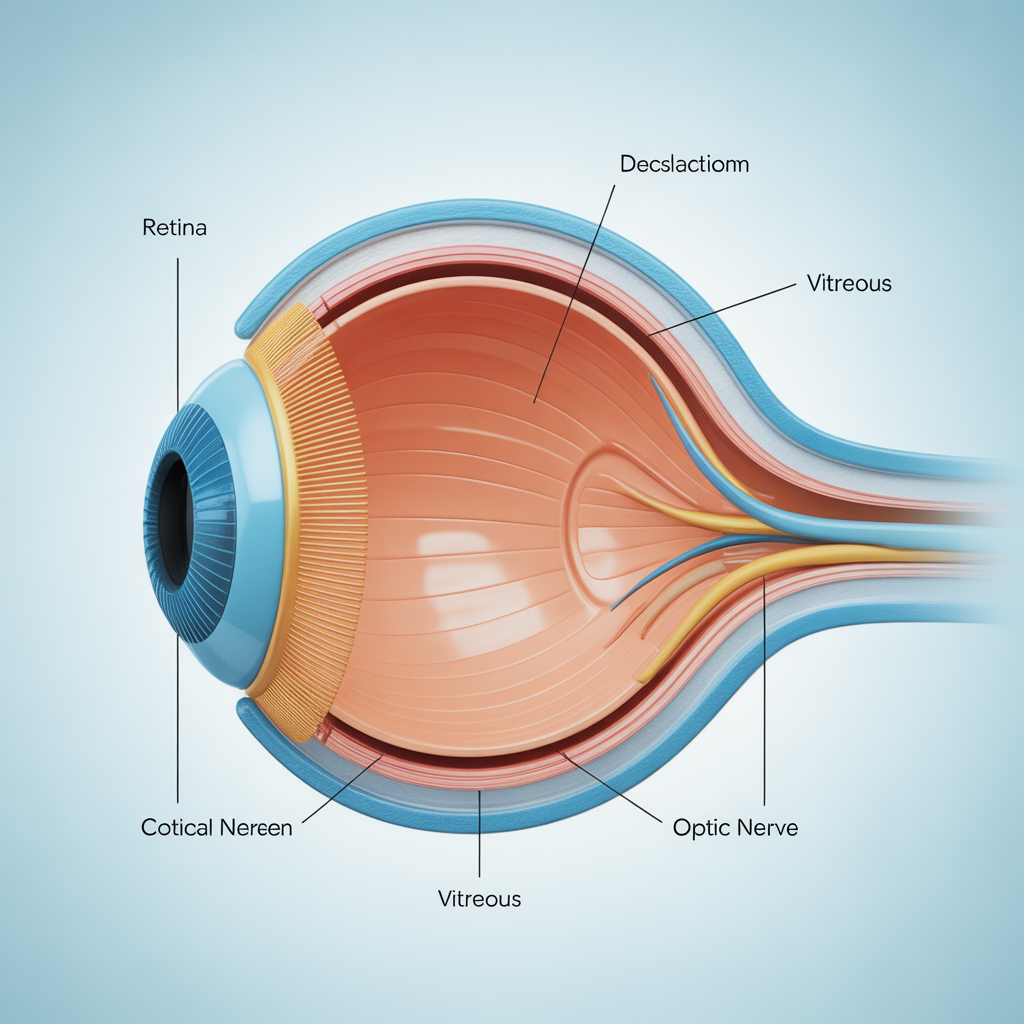
The Anatomy Behind Light Flashes
To understand why light flashes occur, it’s essential to know how your eye processes visual information. The retina, a thin layer of tissue at the back of your eye, contains millions of light-sensitive cells that convert light into electrical signals. These signals travel through the optic nerve to your brain, where they’re interpreted as vision.
The vitreous, a clear, gel-like substance that fills the inside of your eye, plays a crucial role in this process. As we age, the vitreous can change consistency and may pull away from the retina. This pulling action can stimulate retinal cells mechanically, causing them to fire electrical signals that your brain interprets as flashes of light.
Peripheral vision is particularly susceptible to these phenomena because the outer edges of the retina are more sensitive to mechanical stimulation and movement within the eye.
Common Causes of Light Flashes
Eye-Related Causes
Posterior Vitreous Detachment (PVD)
Posterior vitreous detachment is one of the most common causes of peripheral light flashes, especially in people over 50. As we age, the vitreous gel naturally shrinks and becomes more liquid. Eventually, it may pull away from the retina, creating mechanical stimulation that results in light flashes.
During PVD, patients typically experience:
- Sudden onset of light flashes, particularly with eye movement
- New or increased floaters
- Flashes that are most noticeable in dim lighting
- Symptoms that may persist for weeks or months
While PVD itself is generally benign, it can sometimes lead to more serious complications like retinal tears.
Retinal Tears or Detachment
Retinal tears occur when the pulling force from vitreous detachment actually creates a hole in the retina. If left untreated, tears can progress to retinal detachment, where the retina separates from the underlying tissue that nourishes it.
Risk factors for retinal tears include:
- Advanced age (over 50)
- High myopia (severe nearsightedness)
- Family history of retinal problems
- Previous eye surgery or injury
- Previous retinal detachment in the other eye
Associated symptoms often include a sudden increase in floaters, a curtain-like shadow in the visual field, and persistent light flashes.
Other Eye-Related Causes
Additional eye-related causes of light flashes include:
- Vitreous hemorrhage: Bleeding into the vitreous cavity can cause light flashes along with sudden vision loss
- Eye trauma or injury: Physical impact to the eye can stimulate retinal cells mechanically
- Inflammation: Conditions affecting the interior of the eye can trigger photopsia
Neurological Causes
Migraine Aura
Visual migraine symptoms can include light flashes, even without the typical headache component. These neurological events affect the visual processing areas of the brain and can produce:
- Zigzag or fortification patterns
- Shimmering or scintillating lights
- Temporary blind spots
- Symptoms that typically last 10-30 minutes
Unlike retinal causes, migraine-related visual symptoms usually affect both eyes simultaneously and often have a characteristic pattern or progression.
Ocular Migraine
Ocular migraines specifically affect vision in one eye and can cause light flashes, temporary vision loss, or blind spots. These episodes are generally short-lived but should be evaluated by a healthcare professional to rule out other causes.

Other Medical Conditions
Several systemic health conditions can contribute to light flashes:
- Diabetes-related complications: Diabetic retinopathy can cause various visual symptoms, including light flashes
- High blood pressure: Severe hypertension can affect retinal blood vessels and cause visual disturbances
- Certain medications: Some medication classes may cause visual side effects
- Age-related changes: Normal aging processes can make light flashes more common
Associated Symptoms to Watch For
Accompanying Visual Symptoms
When experiencing light flashes, it’s important to note any additional visual symptoms that may indicate a more serious condition:
- New or significantly increased floaters: Especially if they appear suddenly
- Blind spots or vision loss: Any loss of visual field
- Curtain-like shadow: A shadow that seems to move across your vision
- Blurred or distorted vision: Changes in visual clarity or straight lines appearing wavy
Non-Visual Symptoms
Non-visual symptoms that may accompany light flashes include:
- Severe headaches
- Nausea or vomiting
- Eye pain or pressure
- Dizziness or balance problems
When to Seek Medical Attention
Emergency Warning Signs
Seek immediate medical attention if you experience:
- Sudden onset of multiple visual symptoms
- Significant vision loss in one or both eyes
- A curtain or shadow moving across your visual field
- Light flashes following recent eye trauma
- Severe eye pain accompanied by visual changes
These symptoms may indicate retinal detachment or other serious conditions requiring urgent treatment to prevent permanent vision loss.
Schedule Prompt Appointment
Contact your eye care professional within a day or two if you notice:
- New onset of light flashes
- Increase in frequency or intensity of existing flashes
- Light flashes associated with new floaters
- Persistent symptoms lasting several days
Routine Monitoring Situations
Some situations may not require immediate attention but should be monitored:
- Occasional, mild flashes without other symptoms
- Known benign conditions that have been previously evaluated
- Stable symptoms that haven’t changed over time
Even in these cases, regular eye examinations remain important for ongoing monitoring.
Diagnosis and Medical Evaluation
What to Expect During Examination
A comprehensive eye examination for light flashes typically includes:
- Medical history review: Discussion of symptoms, timing, and associated factors
- Visual acuity testing: Standard eye chart testing
- Dilated fundus examination: Eye drops widen pupils for detailed retinal examination
- Visual field testing: Mapping of peripheral vision
- Optical coherence tomography (OCT): Detailed imaging of retinal layers
Questions Your Doctor May Ask
Be prepared to discuss:
- When symptoms first began
- Frequency and duration of flashes
- Triggers or patterns you’ve noticed
- Associated symptoms
- Personal and family medical history
- Current medications

Possible Additional Tests
Depending on initial findings, additional tests may include:
- Fluorescein angiography to evaluate blood flow in the retina
- Ultrasound of the eye for detailed internal structure assessment
- MRI if neurological causes are suspected
- Blood tests to check for underlying systemic conditions
Treatment Options
Treatment by Cause
Treatment approaches vary significantly based on the underlying cause:
- Retinal tears: Laser therapy or cryotherapy to seal the tear and prevent detachment
- Retinal detachment: Surgical intervention is typically required to reattach the retina
- Migraine-related flashes: Management focuses on preventing migraine episodes through lifestyle modifications and appropriate medical care
- Posterior vitreous detachment: Usually requires only observation and monitoring, as symptoms often improve over time
General Management
For many cases of light flashes, management involves:
- Regular monitoring and follow-up appointments
- Lifestyle modifications to support overall eye health
- Patient education about warning signs
- In some benign cases, no specific treatment is needed beyond observation
Prevention and Risk Reduction
Protective Measures
While not all causes of light flashes are preventable, you can take steps to protect your eye health:
- Eye safety practices: Wear protective eyewear during sports or hazardous activities
- UV protection: Use sunglasses with UV blocking when outdoors
- Regular eye examinations: Follow recommended screening schedules, especially after age 50
- Manage underlying conditions: Keep diabetes and blood pressure well-controlled
Lifestyle Factors
Supporting overall eye health through lifestyle choices can help reduce risk:
- Maintain a diet rich in antioxidants and omega-3 fatty acids
- Exercise regularly to support healthy circulation
- Avoid smoking, which increases risk of eye diseases
- Manage stress through healthy coping strategies
- Get adequate sleep for overall health
Living with Light Flashes
Coping Strategies
When light flashes are determined to be benign, coping strategies can help manage the experience:
- Understanding that benign flashes often improve with time
- Learning to differentiate between normal and concerning symptoms
- Stress management techniques to reduce anxiety about symptoms
- Activity modifications if flashes are triggered by specific movements
Long-term Monitoring
Long-term care typically involves:
- Following recommended follow-up schedules with your eye care professional
- Self-monitoring techniques to track changes in symptoms
- Knowing when to return to your doctor for evaluation
- Maintaining regular preventive eye care
Frequently Asked Questions
Are light flashes always serious?
No, light flashes are not always serious. Many cases are related to benign age-related changes like posterior vitreous detachment. However, because some causes can be serious, proper evaluation by an eye care professional is important.
Can stress cause these symptoms?
While stress itself doesn’t directly cause retinal light flashes, it can trigger migraines, which may include visual symptoms. Stress can also make you more aware of existing benign symptoms.
Will they go away on their own?
Many cases of light flashes, particularly those related to posterior vitreous detachment, do improve over time as the eye adjusts. However, this process can take weeks to months.
How long should I wait before seeing a doctor?
New onset light flashes should be evaluated promptly, ideally within a day or two. If accompanied by vision loss, increased floaters, or other concerning symptoms, seek immediate attention.
Can children experience this?
While less common in children, light flashes can occur at any age. In younger individuals, they’re more likely related to migraines or eye injury rather than age-related changes.
Conclusion
Flashes of light in peripheral vision can range from benign age-related changes to serious conditions requiring immediate medical attention. While many cases are harmless, the key to maintaining optimal eye health lies in proper evaluation and understanding when symptoms warrant professional care.
The most important action step is to seek prompt evaluation from an eye care professional when experiencing new or changing light flashes, especially when accompanied by other visual symptoms. Early detection and treatment of serious conditions like retinal tears can prevent permanent vision loss.
Remember that while experiencing light flashes can be concerning, many causes are treatable or manageable with proper medical care. Regular eye examinations, protective measures, and awareness of warning signs form the foundation of maintaining long-term eye health and catching potential problems early.
If you’re experiencing flashes of light in your peripheral vision, don’t wait to seek professional evaluation. Your eyesight is irreplaceable, and timely medical attention can make all the difference in preserving your vision for years to come.