

Have you ever woken up from a bizarre, intensely vivid nightmare during a fever, feeling confused and disturbed by images that seemed almost too real? You’ve likely experienced what medical professionals call a “fever dream” – a unique type of dream that occurs when your body temperature rises above normal levels. These unsettling nocturnal experiences affect millions of people worldwide during illness, creating memorable and often frightening dream scenarios that can linger long after recovery.
Fever dreams are characterized by their unusually intense, surreal, and often disturbing content that differs significantly from typical dreams. Unlike regular dreams, fever dreams tend to be more vivid, emotionally charged, and difficult to distinguish from reality upon waking. Research indicates that approximately 75% of people who experience fevers above 101°F (38.3°C) report having fever dreams, making them a common yet poorly understood phenomenon.
In this comprehensive guide, you’ll discover everything you need to know about fever dreams, including their underlying causes, recognizable symptoms, and most importantly, proven prevention methods to help you or your loved ones sleep more peacefully during illness. We’ll also explore when fever dreams warrant medical attention and provide practical strategies for managing these experiences across different age groups.
What Are Fever Dreams?
Fever dreams are vivid, often disturbing dreams that occur when the body’s core temperature rises above normal levels, typically during illness. From a medical perspective, these dreams are characterized by their intense emotional content, surreal imagery, and heightened sensory experiences that can feel remarkably real to the dreamer.
The primary distinguishing factors between fever dreams and regular dreams include their exceptional vividness, emotional intensity, and the dreamer’s difficulty in distinguishing the dream content from reality. While normal dreams often fade quickly upon waking, fever dreams tend to leave lasting impressions and can be recalled in detail hours or even days later.
The connection between elevated body temperature and dream intensity lies in how fever affects brain function. When core body temperature rises, it influences neurotransmitter production and alters normal sleep cycles, particularly affecting REM (Rapid Eye Movement) sleep when most vivid dreaming occurs. This disruption creates the perfect conditions for the bizarre, intense experiences characteristic of fever dreams.
Fever dreams can affect individuals of all ages, but certain groups are more susceptible. Children between ages 3-10 are particularly prone to fever dreams due to their developing nervous systems and higher baseline body temperatures. Adults with compromised immune systems, elderly individuals, and those taking certain medications also experience fever dreams more frequently.
Common Causes of Fever Dreams
Understanding the underlying causes of fever dreams is crucial for prevention and management. The most common triggers stem from various medical conditions that elevate body temperature beyond normal ranges.
Primary Medical Conditions
Viral infections represent the leading cause of fever dreams. Common viral illnesses such as influenza, COVID-19, and the common cold frequently trigger fever dreams when body temperature exceeds 100.4°F (38°C). These infections affect the body’s thermoregulatory system, creating sustained elevated temperatures that persist throughout sleep cycles.
Bacterial infections, including strep throat, urinary tract infections, and pneumonia, also commonly cause fever dreams. These infections often produce higher fever spikes than viral infections, increasing the likelihood and intensity of fever dreams. Inflammatory conditions such as rheumatoid arthritis, inflammatory bowel disease, and certain autoimmune disorders can also trigger fever dreams during active disease phases.
Medications and Fever Dreams
Certain medications can either directly cause fever dreams or increase susceptibility by affecting body temperature regulation. Antidepressants, particularly SSRIs and MAOIs, can alter sleep architecture and increase dream vividness. Antibiotics like fluoroquinolones and beta-lactams may cause fever as a side effect, potentially triggering fever dreams. Additionally, medications that affect the central nervous system, including some pain relievers and psychiatric medications, can increase fever dream frequency.

The temperature threshold for fever dreams varies among individuals, but most people begin experiencing them when core body temperature reaches 101°F (38.3°C) or higher. However, some sensitive individuals may experience fever dreams at slightly lower temperatures, particularly children and elderly adults.
Recognizing Fever Dream Symptoms
Identifying fever dream symptoms helps distinguish them from regular dreams and determines when medical intervention may be necessary. These symptoms manifest in visual, emotional, and physical dimensions that create a unique and often unsettling experience.
Visual Characteristics
Fever dreams typically feature unusually vivid and intense imagery that often appears more colorful and detailed than normal dreams. The visual content frequently includes distorted or surreal elements that defy logic or physics, such as impossible landscapes, morphing objects, or familiar people appearing in strange contexts. Scene changes occur rapidly and without logical transitions, creating a disjointed, almost kaleidoscopic experience.
Emotional Symptoms
The emotional impact of fever dreams extends beyond the dream itself. During the dream, individuals often experience heightened anxiety, fear, or confusion that feels disproportionately intense compared to the dream content. Upon waking, many people report difficulty distinguishing between dream events and reality, leading to continued anxiety or disorientation that can persist for several minutes or hours.
Physical sensations during fever dreams may include a sense of floating, falling, or moving through space. Some individuals report feeling trapped or unable to move within the dream, while others describe sensations of heat, cold, or pressure that seem unusually realistic. After waking, physical symptoms may include rapid heartbeat, sweating, and general discomfort that accompanies the underlying fever.
Duration and frequency patterns of fever dreams typically correlate with fever intensity and duration. Most fever dreams last between 10-30 minutes but can feel much longer to the dreamer. They often occur during the peak fever hours, typically in the early morning hours when body temperature naturally rises.
The Science Behind Fever Dreams
Understanding the scientific mechanisms behind fever dreams provides insight into why they occur and how they can be prevented. The relationship between elevated body temperature and altered brain function creates the perfect storm for these intense dream experiences.
When body temperature rises, it directly affects brain function in several ways. The hypothalamus, which regulates both body temperature and sleep cycles, becomes overactive during fever states. This hyperactivity disrupts normal sleep architecture, particularly affecting the transitions between sleep stages and the duration of REM sleep periods.
Elevated temperatures also impact neurotransmitter production and function. During fever states, dopamine, serotonin, and norepinephrine levels fluctuate abnormally, affecting mood regulation, sensory processing, and memory consolidation. These neurotransmitter imbalances contribute to the intense, often bizarre content of fever dreams.
Recent research studies have provided valuable insights into fever dream mechanisms. A 2023 study published in the Journal of Sleep Medicine found that brain activity patterns during fever dreams show increased activation in the limbic system and visual cortex, explaining the emotional intensity and vivid imagery characteristic of these dreams. Additionally, neuroimaging studies have revealed that fever dreams activate different brain regions compared to normal dreams, particularly areas associated with threat detection and emotional processing.
When to Seek Medical Attention
While fever dreams are generally harmless, certain warning signs indicate the need for immediate medical attention. Understanding these red flags can prevent serious complications and ensure appropriate treatment.
Immediate medical care is necessary when fever dreams are accompanied by temperatures exceeding 103°F (39.4°C) in adults or 102°F (38.9°C) in children. Additional warning signs include severe confusion or disorientation upon waking, inability to distinguish dream content from reality for extended periods, or fever dreams accompanied by hallucinations while awake.
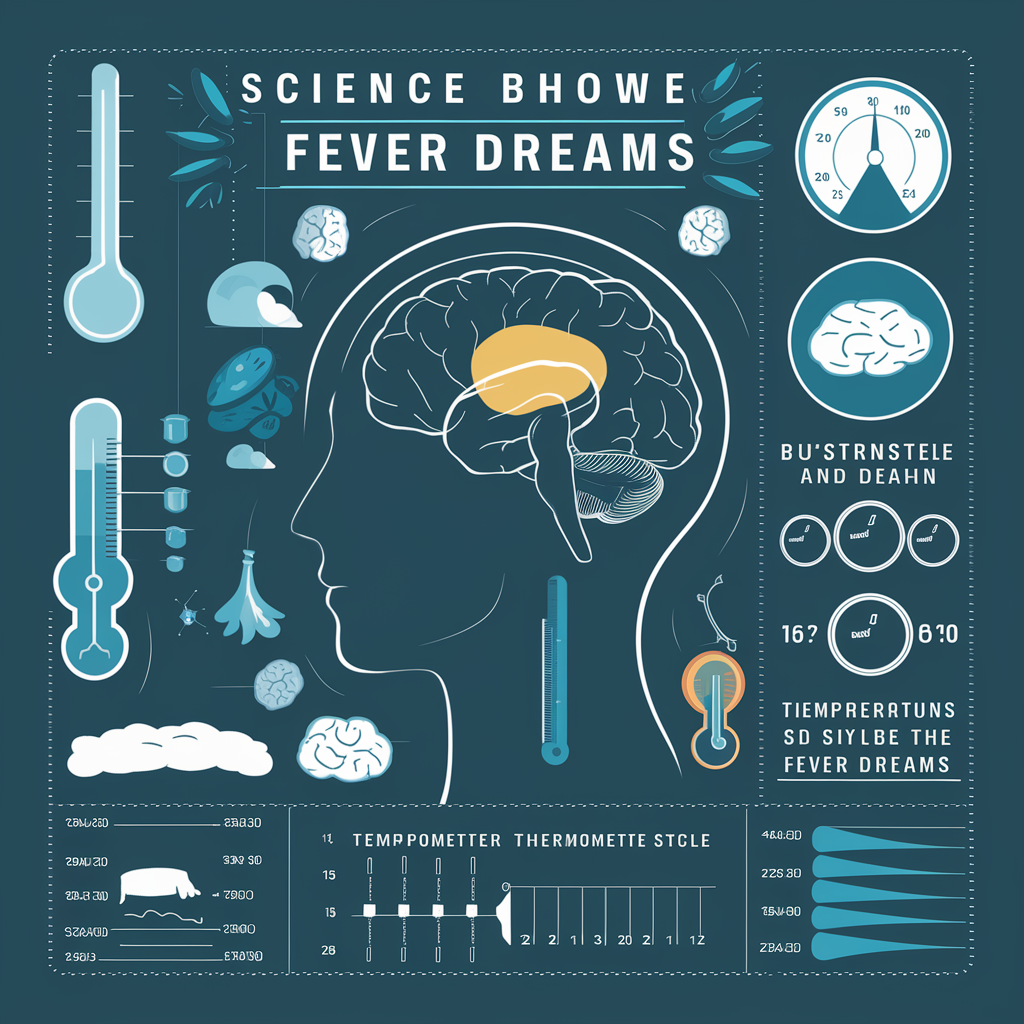
Different age groups have varying fever thresholds that warrant medical attention. For infants under 3 months, any fever above 100.4°F (38°C) requires immediate medical evaluation. Children aged 3 months to 3 years should receive medical attention for fevers above 102°F (38.9°C), while adults typically need evaluation for sustained fevers above 103°F (39.4°C).
Concerning accompanying symptoms include severe headache, neck stiffness, difficulty breathing, persistent vomiting, signs of dehydration, or changes in consciousness level. Chronic fever dreams occurring without obvious illness or those that persist after fever resolution may indicate underlying medical conditions requiring professional evaluation.
Effective Prevention Methods
Preventing fever dreams involves a multi-faceted approach focusing on temperature management, sleep environment optimization, and overall health maintenance during illness.
Temperature Management
Proper fever reduction represents the most effective prevention strategy for fever dreams. Safe fever reducers include acetaminophen (Tylenol) and ibuprofen (Advil, Motrin), used according to package directions and age-appropriate dosing guidelines. For adults, acetaminophen 650-1000mg every 6-8 hours or ibuprofen 400-600mg every 6-8 hours can effectively reduce fever and minimize fever dream occurrence.
Physical cooling methods complement medication-based fever reduction. Lukewarm baths or showers, cool compresses applied to the forehead or wrists, and removing excess clothing or blankets help lower body temperature naturally. Avoid ice baths or alcohol rubs, as these can cause dangerous temperature fluctuations.
Sleep Environment Optimization
Creating an optimal sleep environment during illness significantly reduces fever dream frequency and intensity. Maintain bedroom temperature between 65-68°F (18-20°C) using fans, air conditioning, or open windows. Proper humidity levels between 40-50% prevent air from becoming too dry, which can worsen fever symptoms.
Use lightweight, breathable bedding materials such as cotton or bamboo sheets that allow proper air circulation. Remove heavy comforters or blankets, opting instead for lightweight covers that can be easily adjusted as body temperature fluctuates throughout the night.
Hydration and Nutrition Strategies
Maintaining proper hydration is crucial for fever management and dream prevention. Dehydration can worsen fever symptoms and increase the likelihood of disturbing dreams. Adults should consume at least 8-10 glasses of water daily during illness, while children need age-appropriate fluid intake amounts.
Electrolyte replacement becomes important during fever states due to increased fluid loss through sweating. Sports drinks, coconut water, or diluted fruit juices can help maintain proper electrolyte balance. Avoid alcohol and excessive caffeine, as these can worsen dehydration and disrupt sleep patterns.
Light, easily digestible foods support recovery while preventing stomach upset that could worsen sleep quality. Options include broth-based soups, toast, bananas, rice, and herbal teas. Avoid heavy, spicy, or high-fat foods that require significant energy to digest.
Treatment and Management Strategies
When fever dreams occur despite prevention efforts, several immediate relief methods and management strategies can minimize their impact and duration.
Immediate relief during fever dreams involves creating a calm, safe environment for the dreamer. If someone is experiencing a fever dream, avoid waking them abruptly unless they appear to be in distress. Instead, speak softly and reassuringly if they seem agitated. Keep the room dimly lit and maintain a quiet atmosphere to minimize additional stimulation.
Safe fever reducer administration follows strict dosing guidelines based on age and weight. For adults, alternate between acetaminophen and ibuprofen every 3-4 hours to maintain consistent fever control without exceeding maximum daily doses. Children require weight-based dosing calculations, and aspirin should never be given to children due to Reye’s syndrome risk.
Natural remedies can complement conventional treatments safely. Willow bark tea contains natural salicylates that may help reduce fever, though it should not be used in children. Elderberry extract has immune-supporting properties, while ginger tea can help with nausea and general comfort. Always consult healthcare providers before combining natural remedies with medications.
Sleep hygiene practices during illness require modifications from normal routines. Establish consistent bedtime and wake times even during illness to maintain circadian rhythm stability. Create calming pre-sleep rituals such as gentle stretching, reading, or listening to soft music. Limit screen time before bed, as blue light can further disrupt already compromised sleep patterns.
Coping Strategies for Patients and Families
Supporting someone experiencing fever dreams requires understanding, patience, and practical strategies that address both immediate comfort and long-term anxiety management.
When comforting someone experiencing fever dreams, remain calm and reassuring. Use gentle touch if appropriate and speak in soothing tones. Help them orient to reality by mentioning the time, location, and current situation. Validate their experience without dismissing their concerns, acknowledging that fever dreams can feel very real and frightening.
Managing anxiety around bedtime during illness involves creating positive associations with sleep. Establish relaxing bedtime routines that include calming activities like gentle music, aromatherapy with lavender, or guided meditation. Consider keeping a dim light on if complete darkness increases anxiety about potential fever dreams.
Children experiencing fever dreams require special attention and age-appropriate explanations. Explain that fever dreams are normal parts of being sick and that they will go away when the fever breaks. Use simple language and avoid frightening terminology. Consider staying nearby during sleep or using a baby monitor to provide quick comfort if needed.
Creating calming bedtime routines during illness might include warm baths with Epsom salts, gentle massage, reading favorite books, or listening to calming nature sounds. Maintain familiar objects like favorite blankets or stuffed animals that provide comfort and security.
Prevention for Different Age Groups
Fever dream prevention strategies must be tailored to specific age groups due to varying physiological responses, medication tolerances, and communication abilities.
Infants and Toddlers (0-3 years)
For the youngest patients, fever management focuses on gentle, safe methods. Use infant-appropriate fever reducers only as directed by pediatricians, typically acetaminophen for infants over 3 months or ibuprofen for those over 6 months. Never use aspirin in children under 18 years.
Physical comfort measures include lightweight clothing, room temperature maintenance around 68-70°F, and ensuring adequate fluid intake through breastfeeding, formula, or small amounts of water for older toddlers. Monitor for signs of dehydration and contact healthcare providers for any concerning symptoms.
Children (4-12 years)
School-age children benefit from age-appropriate explanations about fever dreams and active participation in their care. Teach them to communicate their symptoms clearly and involve them in temperature monitoring using digital thermometers. Weight-based dosing of fever reducers becomes more straightforward, but adult supervision remains essential.
Environmental modifications for children include blackout curtains to maintain day-night cycles, comfortable room temperatures, and familiar comfort items. Encourage fluid intake through appealing options like flavored water, popsicles, or diluted fruit juices.
Teenagers (13-18 years)
Adolescents can take more responsibility for their fever management while still requiring adult guidance. Educate them about proper medication dosing, hydration needs, and when to seek help. Address any anxiety about fever dreams through open communication and reassurance about their temporary nature.
Sleep environment control becomes more important as teenagers often prefer cooler sleeping conditions. Ensure access to fans, lightweight bedding, and personal comfort items. Monitor for proper medication compliance and watch for signs that fever dreams are causing significant distress.
Adults and Elderly
Adult fever dream prevention involves comprehensive approach considering existing health conditions and current medications. Older adults may be more sensitive to fever-reducing medications and require dose adjustments or alternative strategies. Consider medication interactions and chronic conditions that might complicate fever management.
Elderly individuals need special attention to prevent dehydration and maintain proper nutrition during illness. Monitor for confusion or disorientation that extends beyond typical fever dream experiences, as these may indicate more serious conditions requiring medical attention.
Myths and Misconceptions
Several persistent myths about fever dreams can lead to unnecessary anxiety or inappropriate treatment approaches. Addressing these misconceptions helps people respond appropriately to fever dreams.
One common myth suggests that fever dreams predict serious illness outcomes or indicate dangerous fever levels. In reality, fever dreams are primarily related to the brain’s response to elevated temperature rather than illness severity. Many people experience fever dreams with relatively mild fevers, while others may have high fevers without dream disturbances.
Another misconception involves the belief that fever dreams are prophetic or carry special meaning. While dreams often incorporate recent experiences and emotions, fever dreams result from physiological changes in brain function rather than supernatural or predictive phenomena. Their bizarre content reflects altered neurotransmitter activity rather than hidden messages.
Social media platforms often spread misinformation about fever dream prevention and treatment. Claims about specific foods, supplements, or alternative therapies “curing” fever dreams lack scientific evidence. Stick to medically proven prevention and treatment methods while consulting healthcare providers for persistent concerns.
Cultural beliefs about fever dreams vary worldwide, but medical science provides the most reliable framework for understanding and managing these experiences. While cultural comfort practices may provide psychological benefits, they should complement rather than replace evidence-based medical approaches.
Long-term Effects and Recovery
Understanding the typical recovery timeline and potential lasting effects of fever dreams helps set appropriate expectations and identify when additional intervention might be necessary.
Most fever dreams resolve completely once body temperature returns to normal ranges, typically within 24-48 hours after fever breaks. The recovery process involves gradual return to normal sleep patterns and dream content. Some individuals may experience residual anxiety about sleep for a few days after recovery, which usually resolves naturally.
Potential lasting effects are rare but can include temporary sleep anxiety or heightened awareness of dream content for several days following illness. These effects typically diminish as normal sleep patterns resume and illness memories fade. Maintaining good sleep hygiene during recovery supports faster return to baseline sleep quality.
Recurring fever dreams without obvious illness may indicate underlying medical conditions requiring evaluation. Chronic inflammatory conditions, medication side effects, or sleep disorders could contribute to persistent fever-like dream experiences. Document patterns and discuss concerns with healthcare providers.
Impact on sleep quality post-illness varies among individuals. Most people return to normal sleep patterns within a week of fever resolution. However, those who experienced particularly disturbing fever dreams might benefit from temporary sleep support measures such as relaxation techniques or consultation with sleep specialists.
Expert Tips and Professional Advice
Healthcare professionals across multiple specialties provide valuable insights for fever dream prevention and management based on clinical experience and current research.
Primary care physicians emphasize the importance of early fever management to prevent fever dreams from occurring. Dr. Sarah Chen, an internal medicine specialist, recommends starting fever reduction measures when temperature reaches 100.4°F rather than waiting for higher temperatures. “Early intervention prevents the cascade of physiological changes that lead to fever dreams,” she explains.
Sleep specialists focus on maintaining sleep architecture during illness. Dr. Michael Rodriguez, a board-certified sleep medicine physician, advises patients to maintain consistent sleep schedules even during illness: “Disrupting circadian rhythms compounds the effects of fever on dream content and intensity.”
Pharmacists provide crucial guidance on safe medication use during fever management. Clinical pharmacist Dr. Lisa Park emphasizes proper dosing intervals: “Many people make the mistake of taking fever reducers too frequently or combining multiple medications inappropriately. Following package directions and consulting healthcare providers prevents complications while maximizing effectiveness.”
Pediatric specialists stress the importance of age-appropriate approaches for children. Dr. James Thompson, a pediatric infectious disease specialist, notes: “Children’s developing nervous systems make them more susceptible to fever dreams, but they also recover more quickly with appropriate management.”
Frequently Asked Questions
Are fever dreams dangerous?
Fever dreams themselves are not dangerous and represent a normal response to elevated body temperature. However, the underlying fever causing the dreams may require medical attention, particularly if it exceeds safe ranges or is accompanied by concerning symptoms like difficulty breathing, severe dehydration, or altered consciousness.
How long do fever dreams last?
Individual fever dreams typically last 10-30 minutes but may feel much longer to the dreamer due to their intense content. The overall occurrence of fever dreams continues as long as significant fever persists, usually resolving within 24-48 hours after temperature returns to normal.
Can fever dreams be prevented completely?
While fever dreams cannot always be prevented entirely, their frequency and intensity can be significantly reduced through proper fever management, optimal sleep environment creation, and appropriate medication use. Early intervention when fever begins offers the best prevention outcomes.
Do fever dreams mean the fever is getting worse?
Fever dreams do not necessarily indicate worsening illness. They primarily reflect the brain’s response to elevated temperature rather than illness progression. However, if fever dreams are accompanied by increasing temperature, worsening symptoms, or concerning changes in consciousness, medical evaluation is appropriate.
Can adults take children’s fever reducers for milder effects?
Adults should use age-appropriate formulations and dosing for fever reducers. Children’s medications are formulated differently and may not provide adequate dosing for adult body weights. Using adult formulations with proper dosing ensures effective fever management.
Are fever dreams more common with certain types of illness?
Viral infections, particularly influenza and respiratory viruses, commonly cause fever dreams due to their tendency to produce sustained elevated temperatures. However, any condition causing significant fever can trigger fever dreams regardless of the underlying cause.
Should I wake someone having a fever dream?
Generally, avoid waking someone from a fever dream unless they appear to be in significant distress or danger. Natural awakening is preferable, but gentle, calm intervention may be necessary if the dreamer seems very agitated or frightened.
Conclusion
Fever dreams, while unsettling, represent a normal physiological response to elevated body temperature during illness. Understanding their causes, recognizing their symptoms, and implementing effective prevention strategies can significantly reduce their occurrence and impact on sleep quality during illness.
The key prevention methods focus on early and consistent fever management through appropriate medication use, environmental modifications, and proper hydration. Creating optimal sleep conditions, maintaining good hygiene practices, and seeking medical attention when necessary form the foundation of effective fever dream prevention.
Remember that fever dreams are temporary experiences that resolve once the underlying fever is controlled and body temperature returns to normal. While they can be frightening, they do not typically indicate serious complications or predict illness outcomes.
Consult healthcare professionals whenever fever dreams are accompanied by concerning symptoms, persist after fever resolution, or cause significant anxiety affecting sleep quality. Medical providers can offer personalized guidance based on individual health conditions and circumstances.
With proper understanding and management, fever dreams need not cause undue distress during illness recovery. Implementing the strategies outlined in this guide will help ensure more comfortable, peaceful sleep even during times of illness, promoting faster recovery and better overall well-being.
Additional Resources
For additional information and support regarding fever dreams and fever management, consider these trusted medical resources:
Recommended Medical Websites:
- Centers for Disease Control and Prevention (CDC.gov) – Fever management guidelines
- American Academy of Pediatrics (AAP.org) – Pediatric fever information
- National Sleep Foundation (sleepfoundation.org) – Sleep health during illness
- Mayo Clinic (mayoclinic.org) – Comprehensive fever and sleep information
Emergency Contacts:
- Emergency Services: 911 (US) or local emergency number
- Poison Control: 1-800-222-1222 (US)
- Nurse Hotlines: Contact your healthcare provider for 24-hour nursing support
Mobile Apps for Fever Tracking:
- Fever Tracker – Temperature logging and symptom monitoring
- MyChart – Healthcare provider communication and records
- Medication reminder apps for consistent fever reducer timing
Related Articles and Further Reading:
- Sleep hygiene practices during illness
- Safe medication use for fever reduction
- When to seek emergency care for fever
- Natural remedies for fever management