

Eucalyptus oil has captivated the wellness world with its distinctive aroma and versatile applications. Derived from the leaves of the eucalyptus tree, this essential oil offers a natural approach to supporting respiratory health, promoting relaxation, and enhancing daily wellness routines. As more people seek natural alternatives for their health and household needs, eucalyptus oil has emerged as a popular choice backed by both traditional use and modern research.
What is Eucalyptus Oil?
Definition and Source
Eucalyptus oil is an essential oil extracted from the leaves of eucalyptus trees, primarily from the species Eucalyptus globulus. Native to Australia, these towering trees have been used for centuries by Aboriginal peoples for their therapeutic properties. The oil is obtained through steam distillation, a process that captures the concentrated essence of the plant’s beneficial compounds.
There are over 600 species of eucalyptus trees, but only a select few are commonly used for essential oil production. The most popular varieties include Eucalyptus globulus (Blue Gum), Eucalyptus radiata (Narrow-leaved Peppermint), and Eucalyptus citriodora (Lemon Eucalyptus), each offering slightly different properties and applications.
Key Properties and Characteristics
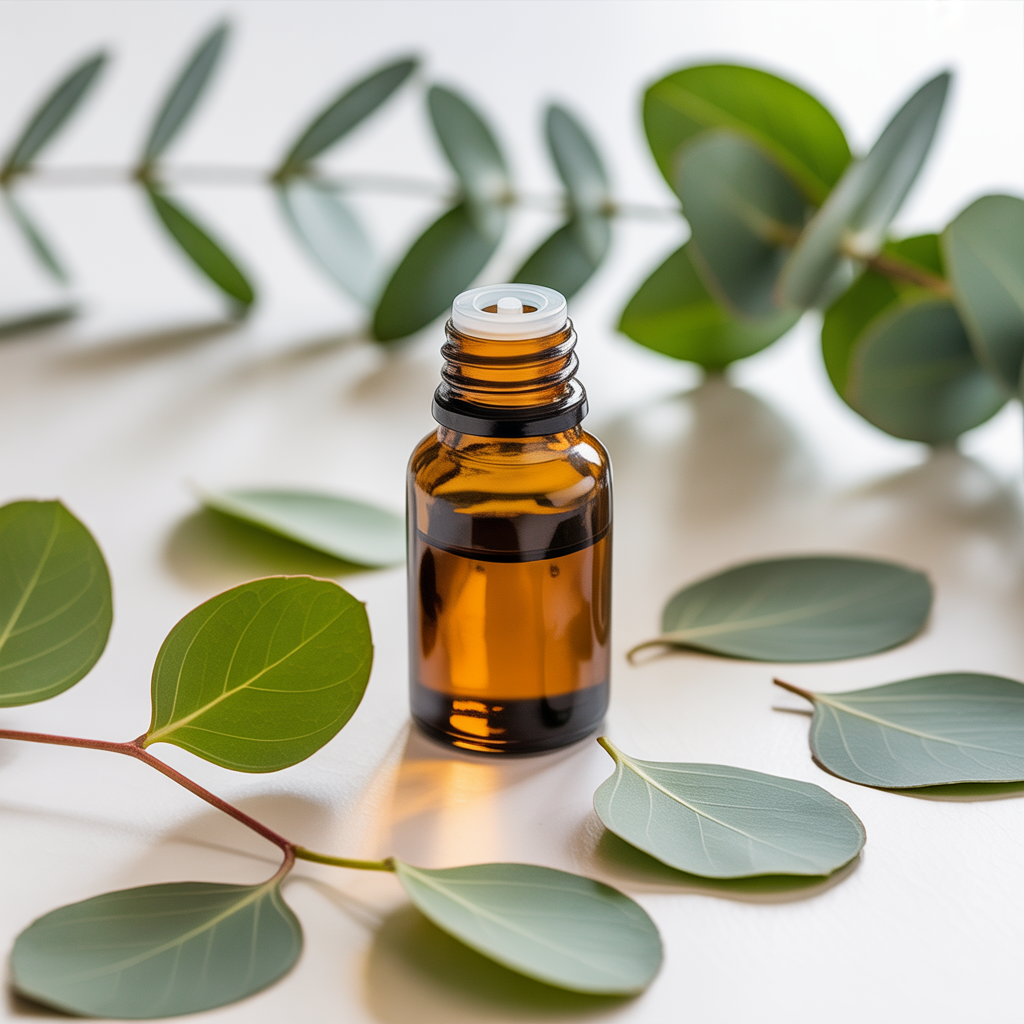
Pure eucalyptus oil presents as a clear to pale yellow liquid with a fresh, camphor-like aroma that’s both invigorating and cooling. The oil’s most significant active compound is eucalyptol (also known as 1,8-cineole), which typically comprises 70-85% of the oil’s composition in high-quality varieties.
The chemical composition of eucalyptus oil includes various monoterpenes, sesquiterpenes, and aromatic compounds that contribute to its therapeutic properties. Quality indicators include the concentration of eucalyptol, the absence of adulterants, and proper extraction methods that preserve the oil’s integrity.
Health Benefits of Eucalyptus Oil
Respiratory Health Support
Eucalyptus oil is perhaps best known for its respiratory benefits. The oil’s natural decongestant properties may help ease breathing difficulties associated with common colds, seasonal allergies, and respiratory congestion. Many people find that inhaling eucalyptus oil vapor helps clear nasal passages and supports overall respiratory comfort.
Research suggests that eucalyptus oil may help reduce mucus production and inflammation in the respiratory tract. This makes it a popular choice for those seeking natural support during cold and flu season. However, it’s important to consult with a healthcare professional before using eucalyptus oil for any respiratory conditions, especially if you have asthma or other chronic respiratory issues.
Anti-inflammatory Properties
Studies have shown that eucalyptus oil possesses anti-inflammatory compounds that may help reduce inflammation when applied topically. This property makes it valuable for muscle soreness, joint discomfort, and minor aches. The cooling sensation of eucalyptus oil, combined with its potential anti-inflammatory effects, may provide temporary relief for various types of physical discomfort.
Antimicrobial Effects
Research has demonstrated that eucalyptus oil exhibits antibacterial, antifungal, and antiviral properties. These antimicrobial effects make it useful for supporting wound healing, maintaining skin health, and creating natural cleaning solutions. The oil’s ability to inhibit the growth of certain microorganisms has made it a valuable ingredient in many natural healthcare and household products.
Mental Health and Cognitive Benefits
Aromatherapy with eucalyptus oil may support mental well-being and cognitive function. The oil’s fresh, invigorating scent is believed to help reduce stress, promote mental clarity, and enhance focus. Many people incorporate eucalyptus oil into their meditation or relaxation routines to create a calming yet energizing atmosphere.
Common Uses and Applications
Aromatherapy and Diffusion
One of the most popular ways to use eucalyptus oil is through aromatherapy. Adding 3-5 drops to a diffuser can fill a room with its refreshing scent, potentially supporting respiratory health and creating an energizing environment. For direct inhalation, you can add a few drops to a bowl of hot water and breathe in the steam, taking care to keep your eyes closed and maintain a safe distance.

Topical Applications
When properly diluted with a carrier oil, eucalyptus oil can be applied topically for various purposes. It’s commonly used in massage therapy to help soothe muscle tension and provide a cooling sensation. For skin care, it may help maintain healthy skin when added to lotions or creams, though it should always be diluted and patch-tested first.
For hair care, eucalyptus oil is sometimes added to shampoos or hair treatments to support scalp health and provide a refreshing sensation. The recommended dilution ratio is typically 1-2% for topical applications, which equals about 6-12 drops of essential oil per ounce of carrier oil.
Household Uses
Eucalyptus oil serves as an excellent natural cleaning agent and deodorizer. Its antimicrobial properties make it effective for cleaning surfaces, while its fresh scent naturally freshens the air. You can create a natural all-purpose cleaner by mixing eucalyptus oil with white vinegar and water.
The oil also works as a natural insect repellent, particularly against mosquitoes and other flying insects. Adding a few drops to cotton balls and placing them around your home can help deter pests naturally.
Personal Care Products
Many commercial personal care products contain eucalyptus oil for its refreshing properties and potential benefits. It’s found in toothpastes, mouthwashes, soaps, and body washes. You can also create your own DIY products by adding eucalyptus oil to unscented bases like castile soap or shampoo.
How to Use Eucalyptus Oil Safely
Proper Dilution Methods
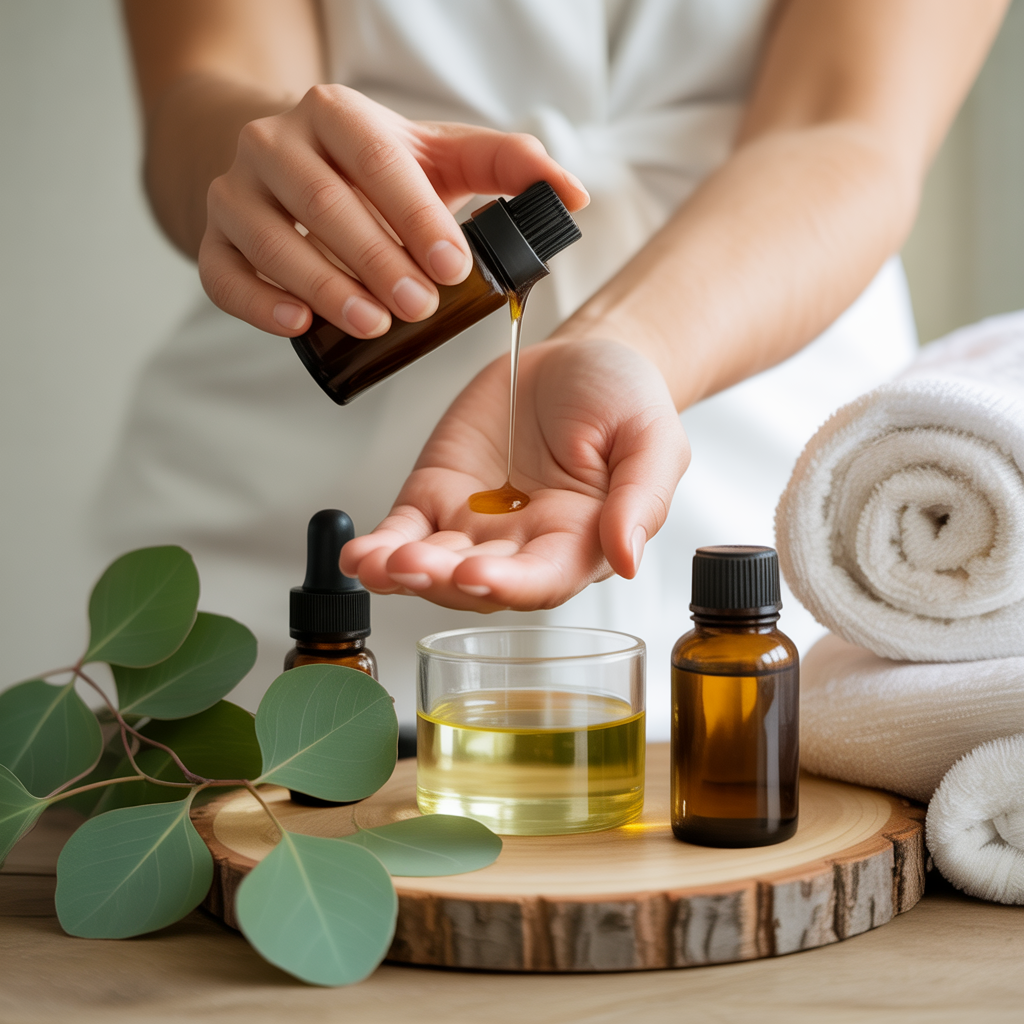
Never apply eucalyptus oil directly to your skin without diluting it first. Always use a carrier oil such as coconut oil, jojoba oil, or sweet almond oil. For most applications, a 1-2% dilution is appropriate, which means adding 6-12 drops of eucalyptus oil to one ounce of carrier oil.
Before using any new essential oil blend, perform a patch test by applying a small amount to your inner wrist or elbow and waiting 24 hours to check for any adverse reactions.
Application Methods
For aromatherapy, use 3-5 drops in a diffuser or add to a bowl of hot water for steam inhalation. For topical use, massage the diluted oil gently into the skin. When using eucalyptus oil for respiratory support, you can also add a few drops to a warm bath or shower for an invigorating experience.
Dosage Guidelines
Less is often more with essential oils. Start with smaller amounts and gradually increase if needed. For diffusion, 3-5 drops per 100ml of water is typically sufficient. For topical applications, stick to the recommended dilution ratios and apply sparingly to avoid skin irritation.
Safety Precautions and Side Effects
Potential Side Effects
While eucalyptus oil is generally considered safe when used properly, some people may experience skin irritation, allergic reactions, or respiratory sensitivity. Common side effects can include redness, itching, or burning sensations when applied topically, or coughing and throat irritation when inhaled by sensitive individuals.
Who Should Avoid Eucalyptus Oil
Pregnant and breastfeeding women should consult with their healthcare provider before using eucalyptus oil. Children under 10 years old should not use eucalyptus oil near their face or nose, as it can cause respiratory distress. People with epilepsy, high blood pressure, or other medical conditions should also consult with a healthcare professional before use.
Safe Storage and Handling
Store eucalyptus oil in a cool, dark place away from direct sunlight and heat. Keep it tightly sealed and out of reach of children and pets. Pure eucalyptus oil typically has a shelf life of 2-3 years when stored properly.
Choosing Quality Eucalyptus Oil
What to Look For
When purchasing eucalyptus oil, look for products labeled as “100% pure essential oil” with no added synthetic fragrances or carriers. Organic certification can indicate higher quality and purity standards. Third-party testing and certificates of analysis provide additional assurance of quality and purity.
Reputable brands will provide information about the botanical name, country of origin, extraction method, and main constituents. Avoid products that seem unusually cheap, as they may be diluted or adulterated.
Price Considerations
Quality eucalyptus oil typically ranges from $10-30 for a 15ml bottle, depending on the brand and quality. Factors affecting price include organic certification, source location, extraction method, and brand reputation. While price isn’t always an indicator of quality, extremely cheap oils should be viewed with caution.
Scientific Research and Evidence
Clinical Studies
Numerous studies have investigated eucalyptus oil’s therapeutic properties. Research published in respiratory medicine journals has examined its effects on respiratory function and congestion. Studies have also explored its antimicrobial properties against various bacteria and fungi, providing scientific support for its traditional uses.
Pain relief research has shown promising results for eucalyptus oil’s anti-inflammatory effects, while cognitive studies have investigated its potential benefits for mental clarity and stress reduction. However, more large-scale human trials are needed to fully understand its therapeutic potential.
Comparison with Other Essential Oils
Eucalyptus vs. Peppermint
Both oils offer cooling sensations and respiratory support, but eucalyptus tends to be more focused on decongestant properties, while peppermint is often preferred for digestive support and headache relief.
Eucalyptus vs. Tea Tree
While both oils have antimicrobial properties, tea tree oil is typically preferred for skin conditions and wound care, while eucalyptus is better suited for respiratory support and aromatherapy.
Eucalyptus vs. Lavender
Lavender is primarily known for its calming and sleep-promoting properties, while eucalyptus is more energizing and respiratory-focused. Choose based on your specific needs and desired effects.
Frequently Asked Questions
Can I ingest eucalyptus oil?
No, eucalyptus oil should not be ingested without professional guidance. Internal use can be toxic and should only be considered under the supervision of a qualified healthcare practitioner.
Is it safe for pets?
Eucalyptus oil can be toxic to cats and dogs. Always consult with a veterinarian before using any essential oils around pets, and ensure proper ventilation when diffusing.
Can I use it during pregnancy?
Pregnant women should consult with their healthcare provider before using eucalyptus oil, as safety during pregnancy has not been fully established.
How long does it last?
Properly stored eucalyptus oil typically maintains its potency for 2-3 years. Signs of deterioration include changes in color, consistency, or scent.
Conclusion
Eucalyptus oil stands out as a versatile and valuable addition to natural wellness routines. From supporting respiratory health to providing natural cleaning solutions, this essential oil offers numerous benefits when used safely and appropriately. Its refreshing aroma, antimicrobial properties, and potential therapeutic effects make it a popular choice for both aromatherapy and practical applications.
Remember that while eucalyptus oil offers many potential benefits, it should be used as part of a comprehensive approach to health and wellness. Always consult with qualified healthcare professionals for specific medical concerns, and follow proper dilution and safety guidelines when using essential oils.
Whether you’re new to essential oils or an experienced user, eucalyptus oil’s combination of traditional use and modern research makes it a worthwhile addition to your natural health toolkit. Start with high-quality oil from reputable sources, use it safely, and discover how this aromatic treasure from Australia can enhance your daily wellness routine.