

Living with sciatica can be incredibly challenging, turning simple everyday movements into painful ordeals. This radiating pain that travels from your lower back down through your buttocks and legs affects up to 40% of individuals at some point in their lives. While medication and medical interventions have their place, proper stretching can provide both immediate relief and long-term management of sciatic nerve pain. This comprehensive guide will walk you through effective sciatica stretches, from quick relief techniques to complete routines, helping you understand not just how to perform these exercises, but why they work to alleviate your sciatic discomfort.
Understanding Sciatica
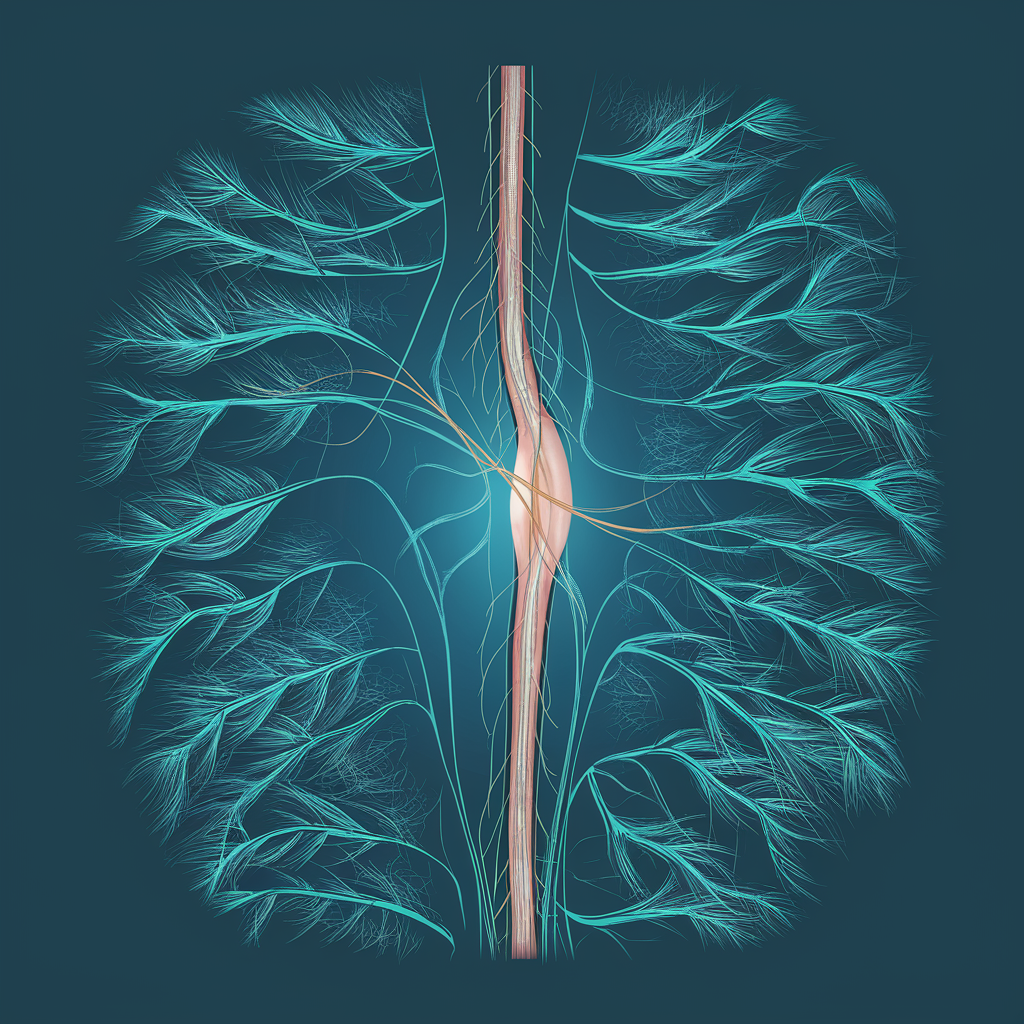
Sciatica isn’t a condition itself, but rather a symptom characterized by pain along the path of the sciatic nerve. This nerve, the body’s longest and widest, begins in your lower back, runs through your hips and buttocks, and branches down each leg. When this nerve becomes compressed or irritated, the resulting pain can range from mild discomfort to debilitating agony.
What is Sciatica?
Sciatica refers specifically to pain that radiates along the sciatic nerve pathway. Unlike general back pain, sciatica follows a distinctive path that corresponds to the nerve’s route through your body. The sciatic nerve begins at the spinal nerve roots in the lumbar spine (L4-S3), passes through the sciatic foramen, continues behind the hip joint, and runs down the back of the thigh before branching into smaller nerves that extend into the lower leg and foot.
Common Causes of Sciatica
Understanding what’s triggering your sciatic pain is crucial for effective treatment. The most common causes include:
- Herniated or Bulging Discs: When the soft cushioning discs between vertebrae protrude or rupture, they can press on the sciatic nerve roots.
- Spinal Stenosis: A narrowing of the spinal canal that puts pressure on the nerves.
- Piriformis Syndrome: The piriformis muscle in the buttock spasms and compresses the sciatic nerve.
- Spondylolisthesis: When one vertebra slips over another, narrowing the opening through which the nerve exits.
- Trauma or Injury: Direct injury to the sciatic nerve or surrounding tissues.
- Pregnancy: The growing uterus can put pressure on the sciatic nerve.
Symptoms and Pain Patterns
Sciatica manifests in several recognizable patterns:
- Pain that radiates from the lower back through the buttock and down the back of the leg
- Discomfort ranging from a mild ache to a sharp, burning sensation or excruciating pain
- Numbness, tingling, or muscle weakness in the affected leg or foot
- Pain that worsens with prolonged sitting, standing, or certain movements
- Difficulty walking or standing up straight due to pain
Before You Start: Important Safety Guidelines
While stretching can provide significant relief for sciatica, improper technique can potentially worsen your condition. Before beginning any stretching regimen, keep these safety guidelines in mind:
When to Avoid Stretching
Postpone stretching if you experience:
- Severe, acute pain that significantly worsens with movement
- Sudden loss of bladder or bowel control (seek emergency medical care immediately)
- Progressive leg weakness or numbness
- Pain following a traumatic injury
- Fever accompanying back pain
Proper Form and Technique Principles
- Begin each stretch gently and increase intensity gradually
- Focus on slow, controlled movements rather than bouncing or jerking
- Maintain normal breathing throughout each stretch
- Hold stretches statically for the recommended time (usually 20-30 seconds)
- Perform stretches on both sides of the body, even if sciatica affects only one side
Pain vs. Discomfort: Knowing the Difference
Effective stretching should create a sensation of tension or mild discomfort in the targeted muscles, but never sharp or shooting pain. If you experience increased pain, numbness, or tingling during a stretch, stop immediately and try a gentler variation or different exercise.
Equipment Needed
Basic equipment for effective stretching includes:
- A yoga mat or carpeted surface for padding
- A small pillow or folded towel for support
- Comfortable, non-restrictive clothing
- Optional: yoga strap or belt for assisted stretches
- Optional: foam roller for muscle release techniques
Creating the Right Environment
Ensure you have:
- A quiet space with minimal distractions
- Enough room to move freely without obstacles
- Comfortable temperature (warm muscles stretch more easily)
- A timer or clock visible for timing stretches
Immediate Relief Stretches (5-10 minutes)
When sciatica flares up and you need quick relief, these targeted stretches can help alleviate pressure on the sciatic nerve in just minutes.
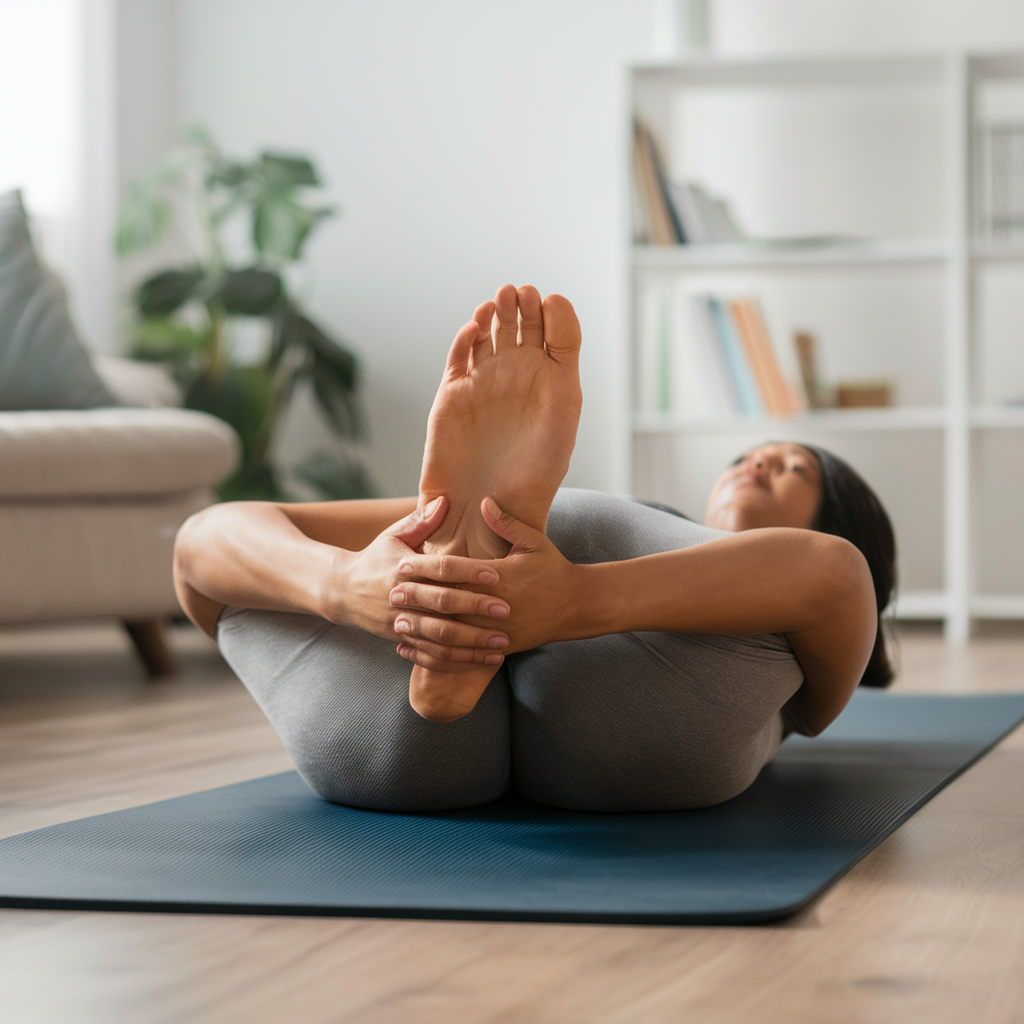
Supine Piriformis Stretch
The piriformis muscle can compress the sciatic nerve when tight, making this stretch particularly effective for many sciatica sufferers.
- Lie on your back with both knees bent and feet flat on the floor.
- Cross the affected leg over the other, placing your ankle on the opposite knee.
- Gently grasp behind your uncrossed thigh and pull it toward your chest until you feel a stretch in your buttock area.
- Hold for 20-30 seconds, breathing deeply.
- Release slowly and repeat 3 times.
Proper Form Cues: Keep your lower back pressed into the floor. Don’t pull from your foot or ankle—use your hands behind your thigh for control.
Knee-to-Chest Stretch
This stretch helps decompress the lower spine and relieve pressure on nerve roots.
- Lie on your back with both knees bent and feet flat on the floor.
- Bring one knee toward your chest, keeping the other foot on the floor.
- Clasp your hands around your knee or shin (not your knee cap) and gently pull toward your chest.
- Hold for 20-30 seconds while breathing normally.
- Release and repeat with the other leg.
- For additional relief, try bringing both knees to chest simultaneously.
Modification for Severe Pain: If the standard version is too intense, place a pillow under your head and keep the movement smaller, only bringing the knee as far as is comfortable.
Seated Spinal Twist
This gentle rotation helps mobilize the spine and can relieve pressure on the sciatic nerve.
- Sit on the floor with both legs extended in front of you.
- Bend your right knee and place your right foot on the outside of your left knee.
- Place your left elbow on the outside of your right knee.
- Gently twist your torso to the right, placing your right hand on the floor behind you for support.
- Look over your right shoulder as you twist.
- Hold for 20-30 seconds, focusing on lengthening your spine with each inhale.
- Release slowly and repeat on the opposite side.
Proper Alignment: Keep your sitting bones grounded and your spine tall. Twist from your mid-back rather than forcing the movement from your lower back.
Standing Hamstring Stretch
Tight hamstrings can contribute to sciatic pain by increasing tension on the lower back.
- Stand facing a chair, step, or low stable surface.
- Place your heel on the surface with your leg straight.
- Keep your back straight and hinge forward from your hips (not your waist).
- Reach toward your toes until you feel a stretch in the back of your thigh.
- Hold for 20-30 seconds.
- Switch legs and repeat.
Wall-Assisted Variation: Stand arm’s length from a wall. Step one foot forward and place your heel on the ground with toes pointing up. Lean forward with a straight back, using the wall for support.
Comprehensive Stretching Routine (15-20 minutes)
For more thorough relief and prevention, this complete routine addresses all the key muscle groups that can contribute to sciatic pain.
Lower Back Stretches
Cat-Cow Pose
- Start on your hands and knees with your wrists under your shoulders and knees under your hips.
- Inhale, drop your belly toward the mat, and lift your chest and tailbone toward the ceiling (Cow).
- Exhale, round your spine toward the ceiling, tucking your chin to your chest (Cat).
- Flow between these positions 10-15 times, moving with your breath.
Child’s Pose
- From a kneeling position, sit back on your heels.
- Extend your arms forward and lower your chest toward the floor.
- Keep your arms extended or rest them alongside your body.
- Breathe deeply and hold for 30-60 seconds.
Pelvic Tilts
- Lie on your back with knees bent and feet flat on the floor.
- Flatten your lower back against the floor by gently tilting your pelvis upward.
- Hold for 5 seconds, then release.
- Repeat 10-15 times.
Piriformis and Glute Stretches
Figure 4/Pigeon Pose
For a modified, gentler version of the traditional yoga pigeon pose:
- Begin on your back with knees bent.
- Cross your right ankle over your left thigh, creating a figure-4 shape.
- Thread your right arm between your legs and your left arm around the outside of your left thigh.
- Clasp your hands behind your left thigh and gently pull toward your chest.
- Hold for 30 seconds, then switch sides.
Seated Piriformis Stretch
- Sit on a chair with both feet flat on the floor.
- Cross your affected leg over the other, placing your ankle on your opposite knee.
- Keeping your back straight, lean forward from your hips until you feel a stretch in your hip/buttock area.
- Hold for 30 seconds, then switch sides.
Foam Roller Techniques
- Sit on a foam roller positioned under your glutes.
- Cross one leg over the other knee and lean slightly toward the crossed leg side.
- Roll gently back and forth over the piriformis muscle for 30-60 seconds.
- Switch sides and repeat.
Hamstring and Hip Flexor Stretches
Seated Hamstring Stretch
- Sit on the floor with one leg extended and the other bent with the foot against your inner thigh.
- Reach toward your extended foot, keeping your back straight.
- Hold for 30 seconds, then switch sides.
Kneeling Hip Flexor Stretch
- Kneel on one knee with the other foot flat on the floor in front of you (lunge position).
- Push your hips forward while keeping your back straight.
- Feel the stretch in the front of your hip on the kneeling leg side.
- Hold for 30 seconds, then switch sides.
Dynamic Hamstring Swings
- Stand holding onto a stable surface for balance.
- Gently swing one leg forward and backward, keeping it straight but not locked.
- Perform 10-15 controlled swings, then switch legs.
Core Strengthening Elements
Strengthening your core helps support your spine and prevent future sciatica episodes.
Modified Planks
- Begin in a push-up position but lower to your forearms.
- Keep your body in a straight line from head to heels.
- For less intensity, perform from your knees instead of toes.
- Hold for 15-30 seconds, gradually increasing time as you get stronger.
Gentle Bridges
- Lie on your back with knees bent and feet flat on the floor.
- Press through your heels to lift your hips toward the ceiling.
- Raise only as high as is comfortable without arching your lower back.
- Hold for 5 seconds, then lower slowly.
- Repeat 10-15 times.
Bird-Dog Exercise
- Start on hands and knees with wrists under shoulders and knees under hips.
- Simultaneously extend your right arm forward and left leg backward.
- Hold for 5 seconds while maintaining balance.
- Return to the starting position and repeat with the opposite arm and leg.
- Complete 10 repetitions on each side.
Position-Specific Relief
Different body positions can either aggravate or alleviate sciatic pain. These targeted stretches address pain based on your position.
Stretches for Immediate Relief When Sitting
Prolonged sitting often worsens sciatica. Try these stretches without leaving your chair:
- Seated Spinal Twist: Sit up straight and place your right hand on your left knee. Gently twist to the left, looking over your left shoulder. Hold for 15-30 seconds, then switch sides.
- Seated Figure-4: Cross your ankle over your opposite knee and gently press down on the raised knee while leaning forward slightly.
- Seated Back Arch: Place your hands on your lower back, inhale deeply, and gently arch your back, opening your chest. Hold briefly, then release.
Stretches for Immediate Relief When Standing
- Standing Side Bend: With feet hip-width apart, raise one arm overhead and lean gently to the opposite side. Hold for 15-20 seconds.
- Hip Hinge: With slightly bent knees, bend forward from your hips while maintaining a straight back. Let your arms hang down naturally.
- Standing Glute Activation: Stand straight and squeeze your buttock muscles for 5-10 seconds, release, and repeat.
Stretches for Immediate Relief When Lying Down
- Knee Rocks: Lie on your back with knees bent. Gently rock your knees from side to side while keeping your shoulders on the ground.
- Supine Nerve Glide: Lie on your back. Raise one leg with knee bent, then straighten and bend the knee repeatedly while keeping the foot flexed.
- Pelvic Tilt: Lie on your back with knees bent and flatten your lower back against the floor by tilting your pelvis.
Workplace/Office Adaptations and Stretches
- Use a lumbar support cushion on your chair
- Take standing breaks every 20-30 minutes
- Consider a standing desk or adjustable workstation
- Perform seated piriformis stretches throughout the day
- Use a footrest to maintain proper posture while sitting
Progressive Routine for Long-Term Management
Overcoming sciatica requires a consistent, progressive approach. This phased program helps you build gradually toward lasting relief.
Week 1: Gentle Introduction Routine
Focus on gentle relief stretches performed 1-2 times daily for 5-10 minutes:
- Knee-to-chest stretch (single leg)
- Seated piriformis stretch
- Gentle pelvic tilts
- Supported child’s pose
Aim for 3-5 repetitions of each stretch, holding for 15-20 seconds. Listen to your body and stop if pain increases.
Week 2-3: Building Consistency
Increase to 10-15 minute sessions, twice daily:
- Continue with Week 1 stretches, increasing hold time to 20-30 seconds
- Add cat-cow pose (8-10 repetitions)
- Introduce gentle bridges (8-10 repetitions)
- Add seated spinal twist
- Begin light walking for 5-10 minutes daily if comfortable
Week 4+: Advanced Strengthening and Prevention
Expand to a 15-20 minute routine once daily, focusing on both stretching and strengthening:
- Incorporate all previous stretches
- Add bird-dog exercise (8-10 repetitions each side)
- Include modified planks (2-3 sets, holding 15-30 seconds)
- Add foam rolling for piriformis and IT band
- Increase walking to 15-20 minutes daily
- Consider gentle yoga or swimming as complementary exercises
Tracking Your Progress Indicators
Monitor these signs of improvement:
- Reduced frequency and intensity of pain
- Increased duration of pain-free periods
- Improved range of motion
- Better sleep quality
- Increased ability to perform daily activities
- Reduced need for pain medication
Keep a simple journal tracking pain levels (1-10 scale) and noting which stretches provide the most relief.

Complementary Approaches
Maximize your relief by combining stretches with these supportive strategies.
Heat and Cold Therapy
- Heat Therapy: Apply a heating pad or warm towel to the affected area for 15-20 minutes before stretching to increase blood flow and relax muscles.
- Cold Therapy: Use ice packs wrapped in a thin towel for 10-15 minutes after activity or when experiencing acute pain to reduce inflammation.
- Alternating Method: For some, alternating between heat and cold (15 minutes each) provides optimal relief.
Gentle Walking and Movement
Contrary to what intuition might suggest, gentle movement often helps sciatica more than complete rest:
- Start with short, 5-10 minute walks on level ground
- Focus on good posture and even weight distribution while walking
- Gradually increase duration as comfort allows
- Consider walking in a shallow pool for reduced impact
Proper Posture Techniques
Poor posture can trigger or worsen sciatica. Practice these posture principles:
- Sitting: Use a chair with good lumbar support, keep feet flat on the floor, and avoid crossing legs
- Standing: Distribute weight evenly between both feet, keep shoulders relaxed, and engage core muscles
- Lifting: Bend at the knees, not the waist; keep objects close to your body; avoid twisting while lifting
- Driving: Position the seat to maintain knee level slightly above hip level and use a lumbar cushion if needed
Supportive Sleep Positions
Proper sleep alignment can prevent nighttime pain and morning stiffness:
- Side Sleeping: Place a pillow between your knees to keep your spine aligned
- Back Sleeping: Place a pillow under your knees to reduce pressure on your lower back
- Avoid Stomach Sleeping: This position increases strain on your back and neck
- Consider a medium-firm mattress that supports your body without sagging
Lifestyle Adjustments
These modifications can significantly reduce sciatic flare-ups:
- Maintain healthy weight to reduce pressure on your spine
- Stay hydrated to support intervertebral disc health
- Take frequent position changes when sitting for extended periods
- Wear supportive, low-heeled shoes
- Consider anti-inflammatory foods (leafy greens, fatty fish, berries, turmeric)
- Manage stress through mindfulness, deep breathing, or meditation
When to Seek Medical Help
While stretching can provide significant relief, some situations require professional medical attention.
Warning Signs That Require Medical Attention
Contact a healthcare provider immediately if you experience:
- Severe pain that doesn’t improve with rest or gets progressively worse
- Pain following a sudden injury or trauma
- Loss of bladder or bowel control (this is a medical emergency)
- Progressive weakness or numbness in the leg or foot
- Pain accompanied by fever, unexplained weight loss, or other concerning symptoms
- Sciatica that interferes with sleep or daily activities for more than two weeks
Professional Treatments That Complement Stretching
These medical interventions often work well alongside a stretching regimen:
- Physical Therapy: Customized exercise programs and manual therapy techniques
- Massage Therapy: Targeted tissue release to reduce muscle tension
- Chiropractic Care: Spinal adjustments to address alignment issues
- Acupuncture: May provide pain relief for some individuals
- Prescription Medications: Anti-inflammatories, muscle relaxants, or short-term pain relievers
- Epidural Steroid Injections: For severe or persistent cases
Physical Therapy Options
A physical therapist can provide:
- Personalized assessment of your specific condition
- Targeted treatment techniques like manual therapy and specialized exercises
- Education on body mechanics and ergonomics
- Progressive rehabilitation plans
- Recommendations for assistive devices if needed
- Guidance on activity modification during recovery
Success Stories and Expert Insights
Real-life Examples of Sciatica Recovery
Many individuals have found significant relief through consistent stretching practices:
“After three months of consistent stretching and walking, I went from barely being able to sit through a movie to hiking three miles without pain. The piriformis and knee-to-chest stretches made the biggest difference for me.” – Michael, 42
“As a nurse working 12-hour shifts, sciatica nearly ended my career. Incorporating the standing relief stretches between patients and following the progressive routine at home has reduced my pain by about 80%.” – Sarah, 35
“I’d had two failed surgeries when my new physical therapist introduced me to these stretches. Six months later, I’m managing my condition without additional procedures and have returned to gardening, which I thought I’d never do again.” – Robert, 67
Physical Therapist Recommendations
Leading physical therapists emphasize these key principles:
“Consistency is more important than intensity. Five minutes of gentle stretching daily will yield better results than an hour-long session once a week.” – Dr. Jennifer Morgan, DPT
“Pay attention to how your body responds up to 24 hours after stretching. Delayed soreness is normal, but increased nerve symptoms indicate you should modify your approach.” – Dr. Michael Chen, DPT
“The goal isn’t just pain relief but improved function. As pain decreases, focus on gradually rebuilding strength and endurance for long-term spine health.” – Dr. Lisa Ramirez, DPT
Common Questions Answered by Medical Professionals
Q: Can stretching completely cure sciatica?
A: “While stretching is exceptionally effective for many patients, outcomes depend on the underlying cause. Stretching can completely resolve some cases (especially those related to muscle tension) and significantly improve others, but certain structural issues may require additional interventions.” – Dr. James Wilson, Neurologist
Q: Is it normal for stretching to temporarily increase pain?
A: “Mild discomfort during stretching is normal, as is slight soreness afterward. However, increased radiating pain, numbness, or tingling during or after stretching suggests you’re either stretching too aggressively or that the particular stretch isn’t appropriate for your condition.” – Dr. Rebecca Torres, Orthopedic Specialist
Q: How does stretching actually help with nerve pain?
A: “Stretching works through several mechanisms. It reduces muscle tension that may be compressing the nerve, improves circulation to promote healing, increases space between vertebrae to reduce pressure on nerve roots, and helps restore proper biomechanics to prevent further irritation.” – Dr. Thomas Lee, Pain Medicine Specialist
FAQ Section
How often should I stretch for sciatica?
For active flare-ups, gentle stretching 2-3 times daily for 5-10 minutes per session is ideal. For maintenance and prevention, a single 15-20 minute session daily is typically sufficient. Consistency is more important than duration—regular, gentle stretching yields better results than occasional intense sessions.
Can stretching make sciatica worse?
Improper stretching techniques or stretches that don’t address your specific cause of sciatica can potentially worsen symptoms. If a stretch increases your pain, especially if it causes radiating pain down your leg, stop immediately and try a different approach. Always start with gentle stretches and progress gradually.
How long before I experience relief?
Many people notice some improvement after the first few stretching sessions. More significant relief typically develops within 1-2 weeks of consistent practice. Complete resolution of symptoms may take 4-8 weeks or longer, depending on severity and the underlying cause of your sciatica.
Should I stretch when in severe pain?
During acute, severe flare-ups, focus on gentle, pain-free movements rather than deep stretching. The knee-to-chest or lying pelvic tilts are good options. If even gentle stretches increase pain, rest for 24-48 hours with appropriate heat/cold therapy before trying again. Severe, debilitating pain warrants medical evaluation.
Will I need to stretch forever to keep sciatica away?
Many people find that after resolving an acute episode, they can maintain relief with 2-3 stretching sessions per week rather than daily practice. However, incorporating some form of regular stretching and core strengthening into your long-term routine significantly reduces the risk of recurrence.
Can I stretch if I have spinal stenosis?
Yes, but with modifications. People with spinal stenosis typically find relief from stretches that flex the spine forward (like child’s pose) rather than extending backward. Consult with a healthcare provider for personalized guidance based on your specific condition.
Is walking good for sciatica?
Walking is often beneficial for sciatica as it promotes blood flow, releases endorphins, and maintains mobility without high impact. Start with short distances on level ground and increase gradually. If walking consistently increases your pain, consult a healthcare provider about proper walking mechanics or alternative exercises.
Conclusion
Sciatica can be a challenging condition that significantly impacts quality of life, but with the right approach to stretching and movement, most people can achieve substantial relief. This guide has provided a comprehensive toolkit of stretches—from immediate relief techniques to long-term management strategies—designed to address sciatic pain at its source.
Remember that successful management of sciatica requires a multi-faceted approach. Combining targeted stretches with proper posture, appropriate lifestyle modifications, and complementary therapies creates a powerful foundation for recovery. While consistency is key, listening to your body and adjusting your routine as needed is equally important.
For those experiencing severe or persistent sciatica, these stretches work best as part of a comprehensive treatment plan developed in partnership with healthcare providers. Don’t hesitate to seek professional guidance if your symptoms don’t improve with self-care methods.
By incorporating these evidence-based stretching techniques into your daily routine, you’re taking a proactive step toward relieving sciatic nerve pain and preventing future episodes. With patience and persistence, you can regain mobility, reduce discomfort, and return to the activities you enjoy.
Quick Reference Guide
Emergency Relief Sequence for Acute Flare-Ups
When sciatica strikes suddenly, try this 5-minute sequence:
- Knee-to-chest stretch (gentle, single leg) – 30 seconds each side
- Pelvic tilts – 10 repetitions
- Gentle seated piriformis stretch – 30 seconds each side
- Lying prone (on stomach) rest position – 1 minute
- Gentle walking in place – 1 minute
Daily Maintenance Routine Summary
For ongoing prevention, perform this 10-minute routine daily:
- Cat-cow stretch – 10 repetitions
- Piriformis stretch – 30 seconds each side
- Seated spinal twist – 30 seconds each side
- Standing hamstring stretch – 30 seconds each side
- Gentle bridges – 10 repetitions
- Bird-dog exercise – 5 repetitions each side
- Child’s pose – 30-60 seconds to finish
Remember that relief is possible. With these targeted stretches and consistent practice, you’re well-equipped to manage sciatic pain and improve your overall spine health for the long term.