

Ear popping is a common sensation experienced by nearly everyone at some point in their lives. That distinctive “pop” or pressure change in your ears can occur during air travel, while driving through mountains, or even when you have a cold. While usually harmless, this phenomenon can sometimes be uncomfortable, persistent, or indicate underlying issues. In this comprehensive guide, we’ll explore what causes ear popping, the symptoms that might accompany it, and the most effective ways to find relief. Whether you’re preparing for a flight or dealing with chronic ear pressure, understanding the mechanics behind ear popping can help you address the issue appropriately and know when medical attention might be necessary.
Understanding the Mechanism Behind Ear Popping
The human ear is a complex organ divided into three main sections: the outer ear, middle ear, and inner ear. The middle ear is an air-filled cavity that houses the small bones (ossicles) responsible for transmitting sound vibrations. This cavity needs to maintain equal air pressure with the outside environment for optimal hearing and comfort.
The Eustachian tube is the critical passageway that connects your middle ear to the back of your throat (nasopharynx). This tube normally remains closed but opens momentarily when you yawn, swallow, or chew, allowing air to flow in or out of the middle ear to equalize pressure.

When pressure changes occur (like during takeoff in an airplane), a pressure differential develops between your middle ear and the outside environment. This pressure difference can cause the eardrum to bulge inward or outward, resulting in discomfort and muffled hearing. The “popping” sensation occurs when your Eustachian tube opens and rapidly equalizes this pressure, allowing your eardrum to return to its normal position.
Normal ear popping is a healthy physiological response to pressure changes. However, when the Eustachian tube doesn’t function properly or becomes blocked, problematic or persistent ear popping can occur.
Common Causes of Ear Popping
Several circumstances and conditions can trigger ear popping:
Altitude Changes
One of the most common causes of ear popping is changing altitude. During air travel, particularly during takeoff and landing, rapid pressure changes can create significant pressure differentials in your middle ear. Similarly, driving through mountains or riding in elevators in tall buildings can cause ear popping as elevation changes.
Sinus Congestion and Allergies
Congestion from allergies or sinus problems can block the Eustachian tubes, preventing normal pressure equalization. When these tubes are partially blocked, you might experience more frequent popping as your body attempts to clear the blockage.
Ear Infections
Otitis media (middle ear infection) often causes fluid buildup in the middle ear, which can interfere with the normal function of the Eustachian tube and lead to pressure sensations and popping.
Cold and Flu
Respiratory infections like the common cold or flu can cause inflammation and mucus production that blocks the Eustachian tubes, resulting in ear pressure and popping.
Eustachian Tube Dysfunction (ETD)
ETD occurs when the Eustachian tubes fail to open and close properly. This chronic condition can cause persistent ear fullness, popping, and pressure sensations.
TMJ Disorders
Temporomandibular joint (TMJ) disorders affect the jaw joint near the ear and can sometimes cause ear symptoms, including popping or clicking sensations.
Earwax Buildup
Excessive earwax can sometimes create a sensation of fullness and affect pressure regulation in the ear.
Acoustic Trauma
Exposure to very loud noises can sometimes cause ear popping as a symptom of acoustic trauma.
Associated Symptoms and Conditions
Ear popping rarely occurs in isolation. Depending on the underlying cause, you might experience several associated symptoms:
Ear Pain or Discomfort
Pressure differences in the ear can range from mild discomfort to significant pain, especially if the Eustachian tube is blocked.
Hearing Loss or Muffled Hearing
When pressure isn’t properly equalized, sound transmission can be affected, resulting in temporary hearing loss or muffled sounds.
Tinnitus
Some people with ear pressure issues report ringing, buzzing, or whooshing sounds in their ears (tinnitus).
Dizziness or Vertigo
Because the ear also contains balance organs, pressure issues can sometimes lead to dizziness or a spinning sensation (vertigo).
Feeling of Fullness
A persistent feeling that your ear is full or plugged is common with Eustachian tube problems.
Ear Drainage
In cases of infection, you might notice fluid draining from the ear.
Headaches
The pressure imbalance can sometimes lead to headaches, particularly around the ear or temple area.
Sinus Pressure
Given the connection between the sinuses and ears, many people experience sinus pressure alongside ear symptoms.
Home Remedies and Self-Care Options
For most cases of ear popping, particularly those related to altitude changes or minor congestion, several home remedies can provide relief:
Swallowing and Yawning Techniques
The natural actions of swallowing and yawning help open the Eustachian tubes. During air travel, frequent swallowing (sipping water helps) can prevent uncomfortable pressure buildup.
The Valsalva Maneuver
This technique involves gently blowing out against closed lips and pinched nostrils, which forces air into the Eustachian tubes. Important: Apply only gentle pressure to avoid ear damage, and don’t perform this if you have an ear infection.

Toynbee Maneuver
Pinch your nostrils closed and swallow. This creates negative pressure that can help open blocked Eustachian tubes.
Chewing Gum
The chewing motion helps open the Eustachian tubes naturally, making it especially effective during air travel.
Steam Inhalation
Breathing in steam from a hot shower or bowl of hot water can help loosen mucus that might be blocking the Eustachian tubes.
Nasal Irrigation
Using a neti pot or saline nasal spray can help clear nasal passages and reduce congestion that affects the Eustachian tubes.
Over-the-Counter Medications
Decongestants (like pseudoephedrine) and antihistamines can reduce inflammation and mucus production that might be blocking the Eustachian tubes. These are particularly useful before air travel if you’re prone to ear problems.
Hydration
Staying well-hydrated helps keep mucus thin and less likely to block the Eustachian tubes.
Medical Treatments for Persistent Ear Popping
When home remedies don’t provide relief or when ear popping is chronic or severe, medical interventions may be necessary:
Prescription Medications
- Stronger decongestants: Medical-grade decongestants can provide more powerful relief for stubborn congestion.
- Steroids: Oral or nasal steroid medications can reduce inflammation in the nasal passages and around the Eustachian tubes.
- Antibiotics: These are prescribed when ear popping is caused by bacterial infections like otitis media.
Medical Procedures
- Ear tube insertion (tympanostomy): For chronic Eustachian tube dysfunction, especially in children, small tubes can be surgically inserted into the eardrums to help maintain equal pressure and drain fluid.
- Balloon dilation: A relatively new procedure where a small balloon is inserted through the nose into the Eustachian tube and inflated to expand the pathway.
- Myringotomy: A minor surgical procedure where a small incision is made in the eardrum to relieve pressure and drain fluid.
Treating Underlying Conditions
Often, resolving ear popping requires addressing the root cause:
- Allergy management: Immunotherapy or ongoing allergy medication can prevent the congestion that leads to ear problems.
- Sinus treatment: For chronic sinusitis, treatments ranging from medications to surgery may help relieve ear symptoms.
- TMJ therapy: If jaw joint issues are causing ear symptoms, dental appliances, physical therapy, or other TMJ treatments may help.
Prevention Strategies
Preventing ear popping and related discomfort involves several proactive strategies:
Pre-flight and Travel Precautions
- Take a decongestant 30-60 minutes before flying if you have congestion
- Use pressure-regulating earplugs designed specifically for air travel
- Stay awake during takeoff and landing to actively swallow and yawn
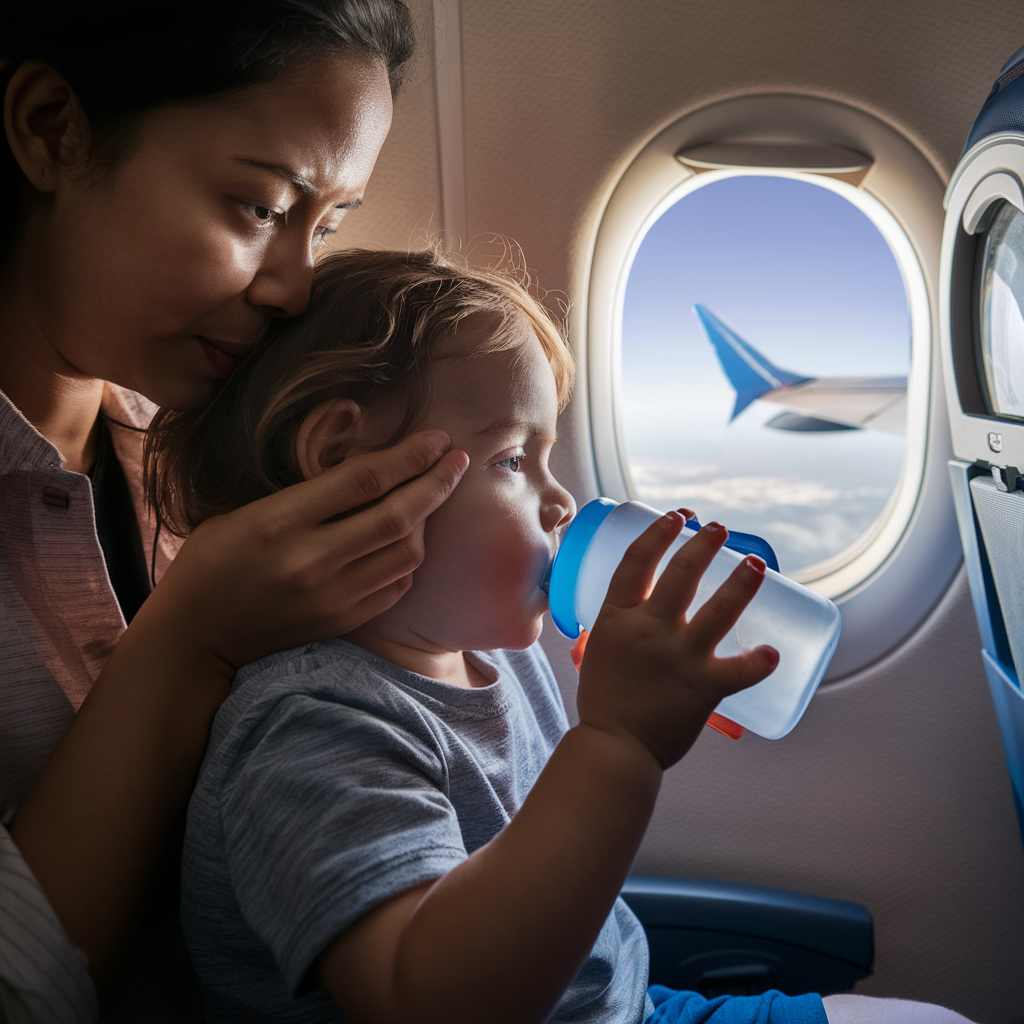
- For infants, encourage nursing or bottle feeding during takeoff and landing
Allergy Management
- Take allergy medications consistently during allergy season
- Use air purifiers in your home to reduce allergen exposure
- Consider immunotherapy for severe allergies that affect your ears
Ear Protection
- Wear appropriate earplugs at loud concerts or events
- Use specialized ear protection during scuba diving or other activities with pressure changes
Proper Ear Cleaning
- Avoid inserting objects into your ear canal, including cotton swabs
- Use proper methods to address earwax buildup if needed
Illness Prevention
- Practice good hand hygiene to reduce the risk of colds and respiratory infections
- Stay up to date on vaccinations for influenza and other respiratory illnesses
When to Seek Medical Attention
While occasional ear popping is normal, certain symptoms warrant medical evaluation:
Persistent Symptoms
If ear popping, pressure, or fullness persists for more than two weeks, consult a healthcare provider.
Severe Pain
Intense ear pain, especially if it’s sudden or severe, requires prompt medical attention.
Hearing Loss
Any noticeable decrease in hearing ability that doesn’t quickly resolve should be evaluated by a doctor.
Dizziness or Balance Problems
Vertigo, imbalance, or significant dizziness along with ear symptoms may indicate a more serious condition.
Ear Drainage
Fluid, especially if bloody or pus-like, draining from the ear requires immediate medical attention.
Fever
When ear symptoms are accompanied by fever, it often indicates an infection that may need treatment.
Post-Trauma Symptoms
Any ear symptoms following head injury or trauma should be evaluated immediately.
Special Considerations for Different Age Groups
Children and Ear Popping
Children are particularly susceptible to ear problems due to their smaller, more horizontal Eustachian tubes. This anatomical difference makes them more prone to ear infections and pressure problems.
For air travel with children:
- Encourage frequent swallowing with drinks or snacks
- For infants, timing feeds during takeoff and landing helps
- For older children, teach them to yawn or “pop” their ears
- Consider age-appropriate decongestants if the child has a cold (consult with a pediatrician first)
Parents should also be vigilant for signs of ear problems in non-verbal children, including:
- Pulling or tugging at ears
- Unusual irritability
- Disturbed sleep
- Balance problems
- Fluid draining from the ear
Elderly Patients
Older adults may have additional considerations with ear popping, including:
- Age-related Eustachian tube dysfunction
- Increased risk of vertigo with pressure changes
- Potential interactions between decongestants and other medications
Ear Popping During Pregnancy
Pregnant women often experience increased congestion due to hormonal changes, which can affect the Eustachian tubes. Special considerations include:
- Checking with healthcare providers before using decongestants
- Using saline nasal sprays as a safer alternative
- Staying well-hydrated to keep mucus thin
Impact on Daily Life and Activities
Chronic or recurrent ear popping can affect various aspects of life:
Air Travel
For frequent flyers, persistent ear issues can make air travel uncomfortable or even painful, potentially affecting job performance for those who travel for work.
Water Sports and Diving
Swimming, diving, and other water activities can be challenging with Eustachian tube dysfunction, as water pressure changes can exacerbate symptoms.
High-Altitude Work
Those who work at varying altitudes, such as pilots, flight attendants, mountain guides, or construction workers on tall buildings, may face ongoing challenges with ear pressure.
Quality of Life Considerations
Chronic ear pressure or popping can impact:
- Sleep quality
- Concentration and cognitive function
- Social interactions, especially in noisy environments
- Overall comfort and well-being
Common Questions About Ear Popping
Is frequent ear popping dangerous?
Occasional ear popping is normal and not dangerous. However, very frequent ear popping that’s accompanied by pain, hearing changes, or other symptoms may indicate an underlying condition that needs treatment.
Can ear popping cause permanent damage?
Normal ear popping itself doesn’t cause permanent damage. However, if extreme pressure differences occur (such as during deep diving without proper equalization), eardrum rupture or other injuries can occur.
Why do ears pop differently in different situations?
The speed and magnitude of pressure changes affect how dramatically your ears pop. For example, rapid descent in an aircraft creates more significant pressure changes than gradually driving up a mountain, resulting in more noticeable popping.
Does ear popping mean there’s an infection?
Not necessarily. Ear popping is often simply a pressure equalization response. However, if accompanied by pain, fever, or drainage, an infection may be present.
Can stress cause ear popping?
Stress itself doesn’t directly cause ear popping, but stress can lead to behaviors like jaw clenching or TMJ issues that might affect ear pressure. Additionally, stress can worsen perception of ear symptoms.
Conclusion
Ear popping is typically a normal physiological response to pressure changes, managed easily with simple techniques like swallowing, yawning, or the Valsalva maneuver. However, when ear popping becomes persistent, painful, or is accompanied by other symptoms, it may signal underlying conditions requiring medical attention.
Understanding the anatomy of your ears and the function of the Eustachian tubes can help you address ear popping appropriately. For occasional symptoms related to altitude changes or minor congestion, home remedies often suffice. For chronic or severe issues, medical interventions ranging from prescription medications to surgical procedures may be necessary.
Remember that children, elderly individuals, and pregnant women may need special considerations when experiencing ear popping. By recognizing normal versus problematic ear popping and knowing when to seek help, you can maintain ear comfort and health through various activities and life stages.
Resources
When to Consult an ENT Specialist
Consider seeing an Ear, Nose, and Throat (ENT) specialist or otolaryngologist if:
- Symptoms persist despite home treatment
- You experience recurrent ear infections
- You have chronic sinus issues affecting your ears
- You notice hearing loss alongside ear pressure
- You need personalized advice for chronic conditions
Helpful Tools and Products
- Pressure-equalizing earplugs for flying
- Nasal saline sprays
- Neti pots for nasal irrigation
- Humidifiers to prevent nasal dryness
- Specialized ear drops for wax management