

Dandelions, often dismissed as common lawn weeds, have been treasured for centuries as powerful medicinal plants across different cultures. These golden-flowered plants, scientifically known as Taraxacum officinale, offer remarkable health benefits when brewed into tea. From ancient Chinese medicine to Native American remedies, dandelion has been used to treat various ailments for generations. Today, dandelion tea is experiencing a resurgence in popularity as people seek natural alternatives for health support. Whether made from the nutrient-rich roots or vitamin-packed leaves, dandelion tea provides a wealth of health advantages while being easy to prepare at home. In this comprehensive guide, we’ll explore the impressive benefits of dandelion tea and show you exactly how to brew this healing beverage yourself.
What is Dandelion Tea?
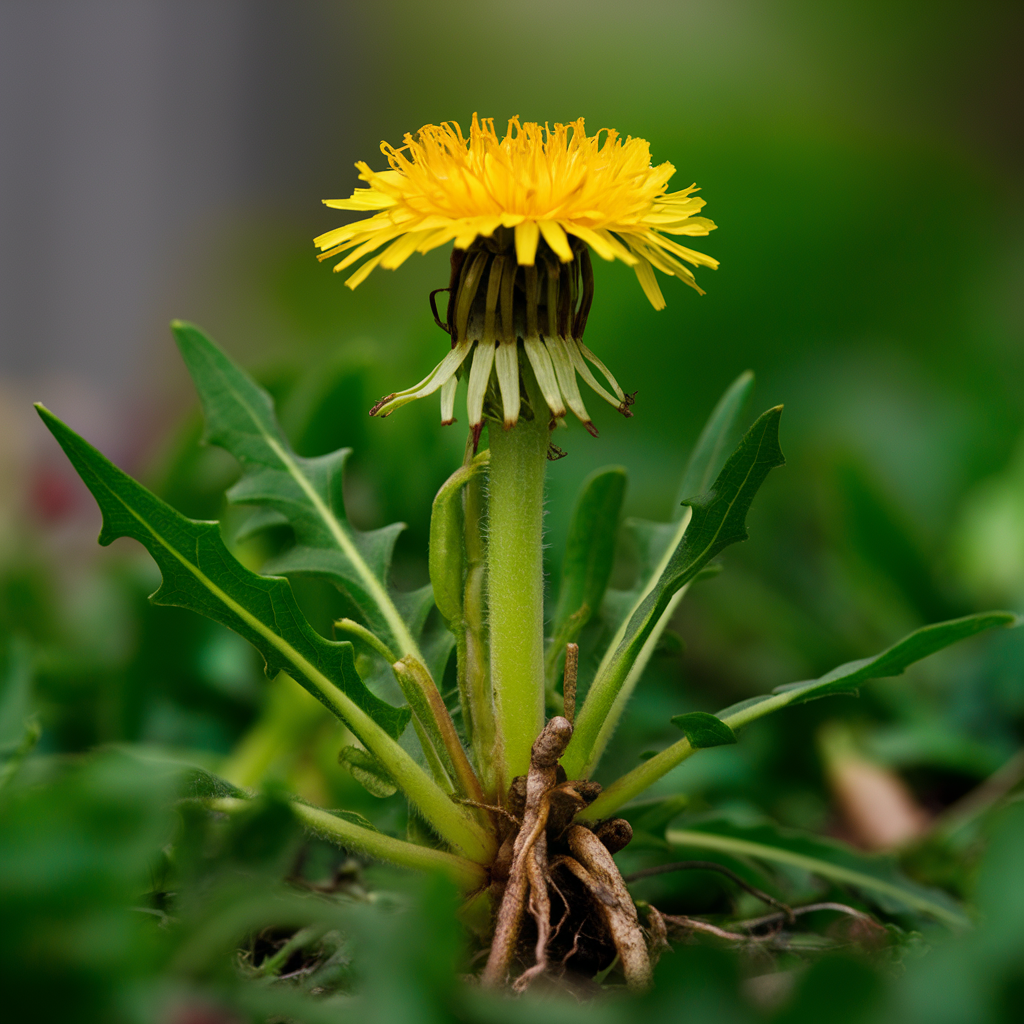
Dandelion tea is an herbal infusion made from the roots, leaves, or flowers of the dandelion plant (Taraxacum officinale). This perennial herb grows abundantly in temperate regions worldwide and has been used medicinally for centuries. While many view dandelions as garden nuisances, herbalists recognize them as nutritional powerhouses.
Different parts of the dandelion plant yield teas with varying properties and benefits:
- Root tea – Typically roasted and ground, offering a rich, earthy flavor similar to coffee. The roots contain inulin, taraxacin, and high mineral content.
- Leaf tea – Made from fresh or dried dandelion greens, providing a more delicate, slightly bitter taste. The leaves are exceptionally rich in vitamins A, C, and K.
- Flower tea – Less common but offers a mild, sweet flavor. The flowers contain flavonoids and antioxidants.
Nutritionally, dandelion is impressive, containing vitamins A, C, D, and B-complex, as well as minerals like iron, potassium, and zinc. It’s also rich in beneficial compounds including flavonoids, terpenoids, and phenolic acids that contribute to its therapeutic effects.
You can find dandelion tea commercially in tea bags or loose-leaf form, or make it yourself from foraged or homegrown dandelions. Commercial varieties include pure dandelion root or leaf tea, as well as blends with other herbs for enhanced flavor or targeted health benefits.
Health Benefits of Dandelion Root Tea
Dandelion root tea offers several evidence-backed health benefits, making it a valuable addition to your wellness routine:
Liver Detoxification and Support
One of the most celebrated benefits of dandelion root tea is its ability to support liver health:
- Research indicates that dandelion root contains bitter compounds that stimulate bile production, helping the liver process toxins more efficiently.
- Studies have shown dandelion extract can protect liver cells from damage and may even help regenerate damaged liver tissue.
- The root’s diuretic properties help flush toxins from the body, reducing the burden on the liver.
A 2017 study published in the Journal of Ethnopharmacology found that dandelion extract demonstrated hepatoprotective effects by reducing oxidative stress and inflammation in liver cells.
Blood Sugar Regulation
Dandelion root tea may benefit those concerned with blood sugar management:
- Research suggests compounds in dandelion root can improve insulin sensitivity.
- The inulin fiber in dandelion root acts as a prebiotic that may help stabilize blood glucose levels.
- Some studies indicate dandelion extract inhibits alpha-glucosidase, an enzyme that breaks down starches into glucose.
Potential Anti-Cancer Properties
Emerging research on dandelion root shows promising anti-cancer potential:
- Laboratory studies have demonstrated dandelion root extract may induce apoptosis (cell death) in certain cancer cells, including those from leukemia, melanoma, and pancreatic cancer.
- A 2016 study found that dandelion root extract caused human colorectal cancer cells to self-destruct without affecting healthy cells.
- While clinical trials in humans are still needed, this preliminary research is encouraging.
Digestive Health Benefits
Dandelion root tea is particularly beneficial for digestive wellness:
- It stimulates digestive enzymes and bile production, aiding in the breakdown of fats and improving overall digestion.
- The inulin in dandelion root functions as a prebiotic, feeding beneficial gut bacteria and supporting microbiome health.
- Dandelion tea can help relieve constipation and reduce bloating due to its mild laxative and diuretic effects.
- It may soothe digestive discomfort by reducing inflammation in the digestive tract.
Health Benefits of Dandelion Leaf Tea
While dandelion root tea offers significant health advantages, the leaf tea provides its own unique set of benefits:
Diuretic Properties
Dandelion leaf tea has earned the nickname “nature’s water pill” for good reason:
- Research confirms dandelion leaf tea’s potent diuretic effects, increasing urine output without depleting potassium (unlike many pharmaceutical diuretics).
- This natural diuretic action helps reduce water retention and bloating.
- By increasing urination, it may help lower blood pressure in some individuals.
- The diuretic effect supports the elimination of waste products and toxins from the body.
Antioxidant and Anti-inflammatory Effects
Dandelion leaves contain powerful antioxidants that combat oxidative stress and inflammation:
- Rich in flavonoids, vitamins A and C, dandelion leaves neutralize free radicals that cause cellular damage.
- These antioxidants help reduce chronic inflammation, which is linked to numerous health conditions including heart disease and arthritis.
- The anti-inflammatory compounds may help alleviate symptoms of inflammatory conditions.
Support for Kidney Health
Along with liver support, dandelion leaf tea benefits kidney function:
- Its diuretic properties help flush the kidneys and urinary tract, potentially reducing the risk of infections and stone formation.
- By increasing urine flow, dandelion leaf tea helps remove waste products more efficiently.
- Some research suggests dandelion may help prevent kidney damage by reducing oxidative stress in kidney tissues.
Weight Management Potential
Dandelion leaf tea may support weight management efforts:
- Its diuretic effect helps reduce water weight and bloating.
- Some research suggests dandelion may help inhibit pancreatic lipase, an enzyme that breaks down fats.
- The tea is naturally calorie-free, making it a healthy alternative to sugary beverages.
Skin Health Benefits
The nutrients in dandelion leaf tea may support skin health:
- High vitamin A content supports skin cell turnover and repair.
- Antioxidants help protect skin from environmental damage and premature aging.
- The detoxifying properties may help clear skin conditions related to toxin buildup.
Other Potential Health Advantages
Beyond the well-documented benefits of dandelion root and leaf teas, research suggests several additional health advantages:
Immune System Support
Dandelion tea may enhance immune function through:
- High vitamin C content that stimulates white blood cell production
- Antimicrobial properties that may help fight infections
- Antioxidants that protect immune cells from oxidative damage
Bone Health
Dandelion tea provides minerals essential for bone health:
- Rich in calcium, critical for bone density and strength
- Contains magnesium, which helps with calcium absorption
- Provides vitamin K, which assists in bone mineralization
Heart Health Benefits
Regular consumption of dandelion tea may support cardiovascular health by:
- Potentially lowering cholesterol levels through its fiber content
- Reducing blood pressure through diuretic action and potassium content
- Decreasing inflammation in the vascular system
Anti-Aging Properties
The antioxidant content in dandelion tea may slow cellular aging:
- Neutralizes free radicals that accelerate aging
- Supports cellular regeneration
- Maintains tissue elasticity through vitamin A content
Stress Reduction
Many users report stress-relieving effects from dandelion tea:
- The ritual of tea preparation and consumption can be calming
- Certain compounds may help reduce stress hormones
- Improved digestion can reduce physical stress on the body
Possible Side Effects and Precautions
While dandelion tea is generally considered safe for most people, there are important considerations to keep in mind:
Allergic Reactions
Some individuals may experience allergic reactions to dandelion, particularly those with allergies to related plants in the Asteraceae family (ragweed, chrysanthemums, marigolds, and daisies). Symptoms can include:
- Skin rashes or contact dermatitis
- Mouth or throat irritation
- In rare cases, more severe allergic responses
Medication Interactions
Dandelion tea may interact with certain medications:
- Blood thinners (anticoagulants): Dandelion contains vitamin K, which may reduce the effectiveness of these medications.
- Diuretics: May enhance the effects of prescription diuretics, potentially causing dehydration or electrolyte imbalances.
- Lithium: The diuretic effect of dandelion may affect lithium excretion, potentially altering blood levels.
- Antidiabetic drugs: May enhance blood sugar-lowering effects, requiring monitoring of blood glucose levels.
- Antibiotics: May interact with certain quinolone antibiotics like Cipro (ciprofloxacin).
Pregnancy and Breastfeeding Considerations
While dandelion has traditional use during pregnancy, scientific data is limited:
- Pregnant women should consult healthcare providers before consuming dandelion tea.
- The safety during breastfeeding isn’t well-established, though dandelion has been used traditionally to increase milk production.
Recommended Dosage and Consumption Limits
There is no standard dosage for dandelion tea, but general guidelines include:
- 1-3 cups daily is typically considered safe for most adults.
- Start with smaller amounts to test tolerance, then gradually increase.
- For therapeutic purposes, follow the guidance of a healthcare practitioner.
Always consult with a healthcare provider before using dandelion tea medicinally, especially if you have existing health conditions or take medications.
Harvesting Dandelions for Tea
Harvesting your own dandelions can be rewarding and ensures the freshest ingredients for your tea. Here’s how to harvest safely:
When and Where to Harvest
- Roots: Best harvested in fall or early spring when energy is concentrated in the roots. Fall-harvested roots contain more inulin, while spring roots contain more taraxacin (bitter compounds).
- Leaves: Harvest young leaves in spring before flowering for the mildest flavor. Older leaves become increasingly bitter.
- Flowers: Collect fully opened flowers on sunny mornings when they’re most vibrant.
Choose harvesting locations carefully:
- Avoid areas treated with pesticides, herbicides, or chemical fertilizers.
- Stay away from roadsides, industrial areas, and places with potential contamination.
- Public parks may use chemical treatments, so private gardens or certified organic areas are preferable.
- Wilderness areas away from human development are typically safest.
Identifying Pesticide-Free Sources
To ensure your dandelions are safe for consumption:
- Harvest from your own yard if you don’t use chemicals.
- Ask permission from neighbors who maintain chemical-free gardens.
- Look for dandelions in natural meadows, organic farms, or wild areas.
- If uncertain, grow your own dandelions in containers or garden beds.
Cleaning and Preparing Wild-Harvested Dandelions
Proper cleaning is essential:
- Shake plants gently to remove insects and debris.
- Rinse thoroughly under cold running water.
- For roots, scrub with a vegetable brush to remove soil.
- Soak leaves and flowers briefly in cool water with a splash of vinegar to remove any hidden insects.
- Pat dry with clean towels or use a salad spinner for leaves.
Seasonal Considerations
Timing affects potency and flavor:
- Spring: Young leaves are less bitter and more tender. Roots have higher taraxacin content (good for liver support).
- Summer: Leaves become more bitter as the season progresses. Flowers are abundant.
- Fall: Roots reach maximum size and inulin content, making them ideal for harvesting before winter dormancy.
How to Make Dandelion Root Tea
Dandelion root tea has a rich, earthy flavor that many compare to coffee. Here’s how to prepare it from fresh or dried roots:
Preparing Fresh Dandelion Roots
- Harvesting and cleaning: Dig up roots carefully to get the entire taproot. Wash thoroughly to remove all soil.
- Chopping: Cut cleaned roots into small pieces (about 1/4 inch).
- Roasting (optional but recommended):
- Spread chopped roots on a baking sheet
- Roast at 350°F (180°C) for 30-40 minutes, stirring occasionally
- Roots should become fragrant and dark brown (not burnt)
- This process develops a richer, more coffee-like flavor
- Grinding (optional): For a stronger brew, grind roasted roots in a coffee grinder or food processor.
Dried Dandelion Root Preparation
If using fresh roots for later use:
- After cleaning and chopping, spread roots on dehydrator trays or a baking sheet.
- Dry at low temperature (95-115°F/35-46°C) in a dehydrator or oven with the door slightly open.
- Roots are fully dried when they snap rather than bend (usually 8-12 hours).
- Store in airtight containers away from light and moisture.
Basic Brewing Instructions
For Roasted Dandelion Root Tea:
- Measure 1-2 teaspoons of dried or roasted roots per cup of water.
- Bring water to a boil in a small pot.
- Add the roots to the boiling water.
- Reduce heat and simmer for 10-15 minutes (longer for a stronger brew).
- Strain and enjoy. May be sweetened with honey or enhanced with cinnamon.
For Raw Dandelion Root Tea:
- Use 1-2 teaspoons of dried, raw roots per cup of water.
- Bring water to a boil, then add roots.
- Turn off heat, cover, and steep for 20-30 minutes.
- Strain and serve.
Storage Recommendations
- Store dried roots in airtight glass containers in a cool, dark place for up to 1 year.
- Brewed tea can be refrigerated for up to 3 days.
- For convenience, brew large batches and refrigerate for iced tea.
How to Make Dandelion Leaf Tea
Dandelion leaf tea offers a lighter, more herbaceous flavor profile compared to the root tea. Here’s how to prepare it:
Harvesting and Drying Dandelion Leaves
- Harvesting: Select young, tender leaves before the plant flowers for mildest flavor. Early morning after dew has dried is ideal.
- Cleaning: Rinse thoroughly under cool water to remove dirt and insects.
- Drying method:
- Air-drying: Bundle 5-10 leaves together and hang upside down in a warm, dry, well-ventilated area away from direct sunlight for 1-2 weeks.
- Dehydrator: Arrange leaves in a single layer and dry at 95-115°F (35-46°C) for 4-8 hours until completely crisp.
- Oven method: Spread on baking sheets and dry at the lowest possible temperature (preferably below 120°F/49°C) with the door slightly open until crisp.
- Storage: Store completely dried leaves in airtight containers away from light and moisture.
Fresh vs. Dried Leaf Preparation Differences
Fresh Leaf Tea:
- Has a brighter, more vibrant flavor
- Contains higher levels of certain vitamins (especially vitamin C)
- Requires more leaves per cup (about 3-5 fresh leaves per cup)
- Steeps more quickly (3-5 minutes)
Dried Leaf Tea:
- Has a more concentrated flavor
- Requires less material (1-2 teaspoons dried leaves per cup)
- Stores longer than fresh leaves
- May need slightly longer steeping (5-10 minutes)
Step-by-Step Brewing Guide
For Fresh Dandelion Leaf Tea:
- Rinse 3-5 fresh dandelion leaves per cup of tea.
- Coarsely chop leaves to release more flavor.
- Heat water to just below boiling (about 200°F/93°C).
- Place leaves in a teapot or cup.
- Pour hot water over leaves.
- Cover and steep for 3-5 minutes.
- Strain and serve.
For Dried Dandelion Leaf Tea:
- Measure 1-2 teaspoons of dried leaves per cup.
- Heat water to just below boiling.
- Place leaves in a teapot or infuser.
- Pour hot water over leaves.
- Cover and steep for 5-10 minutes.
- Strain and enjoy.
Flavor Enhancement Tips
Dandelion leaf tea can have a slight bitterness. Try these additions to enhance flavor:
- Sweeteners: Raw honey, maple syrup, or stevia can balance bitterness.
- Citrus: A squeeze of lemon or orange brightens the flavor.
- Herbs: Mint, lemon balm, or holy basil complement dandelion’s flavor profile.
- Spices: Cinnamon, ginger, or cardamom add warmth and complexity.
- Fruit: Add apple slices, berries, or peach to the hot tea for natural sweetness.

Creative Dandelion Tea Recipes
Explore these creative variations to enjoy dandelion tea in new and delicious ways:
Dandelion Root Coffee Alternative
Ingredients:
- 2 tablespoons roasted dandelion root
- 1 teaspoon roasted chicory root
- 1/2 teaspoon cinnamon
- 2 cups water
- Milk and sweetener of choice (optional)
Instructions:
- Combine dandelion root, chicory root, and cinnamon in a small pot.
- Add water and bring to a boil.
- Reduce heat and simmer for 15 minutes.
- Strain into mugs.
- Add milk and sweetener if desired.
Iced Dandelion Tea Variations
Dandelion Citrus Refresher
- 4 cups brewed dandelion leaf tea, cooled
- Juice of 1 lemon and 1 orange
- 1-2 tablespoons honey or maple syrup
- Fresh mint leaves
- Ice cubes
Combine all ingredients, stir well, and serve over ice with mint garnish.
Dandelion Berry Cooler
- 4 cups cold dandelion tea
- 1 cup mixed berries (strawberries, blueberries, raspberries)
- 1 tablespoon honey
- Sparkling water
- Ice cubes
Muddle berries with honey, add to tea, top with sparkling water, and serve over ice.
Dandelion Tea Lattes
Golden Dandelion Latte
- 1 cup strong dandelion root tea
- 1 cup milk of choice (almond, oat, dairy)
- 1/2 teaspoon turmeric
- 1/4 teaspoon cinnamon
- Pinch of black pepper
- 1 teaspoon honey or maple syrup
- 1/4 teaspoon vanilla extract
Heat milk with spices, whisk until frothy, and combine with hot dandelion tea. Add sweetener and vanilla.
Herbal Blends with Complementary Ingredients
Digestive Support Blend
- 1 part dandelion root
- 1 part peppermint leaves
- 1/2 part fennel seeds
- 1/2 part ginger root
Combine herbs and steep 1 tablespoon of mixture per cup of hot water for 10-15 minutes.
Detox Support Blend
- 1 part dandelion leaf
- 1 part nettle leaf
- 1/2 part lemon balm
- 1/4 part licorice root
Mix herbs and steep 1-2 teaspoons per cup of hot water for 7-10 minutes.
Buying Guide for Commercial Dandelion Tea
If harvesting your own dandelions isn’t practical, here’s how to select high-quality commercial options:
What to Look for in Quality Dandelion Tea Products
- Ingredients: Pure dandelion products should list only dandelion root or leaf (or both). For blends, dandelion should appear early in the ingredient list.
- Sourcing: Look for information about where the dandelions were grown. Wild-crafted or cultivated in clean environments is preferable.
- Processing: Minimal processing preserves more beneficial compounds. Avoid products with artificial flavors or additives.
- Packaging: Opaque, airtight packaging protects tea from light and moisture degradation.
- Certifications: Look for organic, non-GMO, and fair trade certifications when possible.
Recommended Brands and Products
While specific brand recommendations may change over time, these companies are known for quality dandelion products:
- Traditional Medicinals – Offers organic dandelion root and leaf teas with strong medicinal focus
- Buddha Teas – Provides organic dandelion root tea in bleach-free tea bags
- Frontier Co-op – Sells high-quality bulk organic dandelion root and leaf
- Alvita – Specializes in single-herb teas including organic dandelion options
- Republic of Tea – Offers dandelion in flavorful blends
- Starwest Botanicals – Provides bulk organic dandelion for DIY blending
Organic vs. Conventional Options
The differences between organic and conventional dandelion tea are significant:
- Organic dandelion tea:
- Free from synthetic pesticides, herbicides, and fertilizers
- Harvested from areas without prohibited chemicals for at least 3 years
- Often wild-crafted or grown using sustainable practices
- May contain higher levels of beneficial compounds
- Typically more expensive but better for health and environment
- Conventional dandelion tea:
- May contain residues from agricultural chemicals
- Potentially harvested from areas with environmental contaminants
- Usually less expensive and more widely available
- Quality and purity can vary widely between brands
Given that dandelion is consumed for health benefits, organic options are generally worth the additional cost.
Cost Comparisons and Value Considerations
Dandelion tea prices vary based on several factors:
- Tea bags vs. loose leaf: Loose leaf is typically more economical per serving but less convenient.
- Root vs. leaf: Root products often cost more due to additional processing (cleaning, roasting).
- Organic certification: Adds 20-30% to the price but ensures higher quality.
- Bulk purchasing: Buying larger quantities significantly reduces per-serving cost.
For best value:
- Compare cost per serving rather than package price
- Consider the concentration (some products recommend 1 tea bag per cup, others use 2)
- Balance quality and budget by prioritizing organic certification for products you use most frequently
Incorporating Dandelion Tea Into Your Wellness Routine
To maximize the benefits of dandelion tea, consider how to integrate it effectively into your daily life:
Ideal Consumption Times for Specific Benefits
- Morning:
- Dandelion root tea as a coffee alternative provides energy without caffeine jitters
- Supports morning bowel movements and digestive function
- Sets a healthy tone for the day’s metabolism
- Mid-day:
- Dandelion leaf tea can reduce bloating after meals
- Supports afternoon detoxification processes
- Provides hydration with health benefits
- Evening:
- Caffeine-free option that won’t disturb sleep
- Supports liver’s overnight detoxification work
- May help reduce water retention before bed
- Therapeutic timing:
- For liver support: 30 minutes before meals
- For digestive aid: Just after meals
- For detoxification: First thing in morning and last thing at night
How to Establish a Consistent Tea Ritual
Creating a sustainable dandelion tea habit:
- Start gradually: Begin with one cup daily, monitoring how your body responds.
- Pair with existing habits: Link tea drinking with established routines (morning hygiene, meal times, etc.).
- Prepare in batches: Brew larger amounts and refrigerate for easy access.
- Create an enjoyable experience: Use a special cup, comfortable setting, or mindfulness practice while drinking.
- Address taste barriers: Find flavor enhancements that make the tea enjoyable for you.
- Set reminders: Use phone alerts or sticky notes until the habit becomes automatic.
Combining with Other Health Practices
Dandelion tea complements other wellness activities:
- Herbal protocol synergies:
- Pair with milk thistle for enhanced liver support
- Combine with hibiscus for heart and blood pressure benefits
- Use alongside ginger for amplified digestive benefits
- Lifestyle integration:
- Drink before yoga or exercise for hydration with benefits
- Include as part of intermittent fasting (doesn’t break fast)
- Use during seasonal cleansing routines
- Dietary integration:
- Incorporate during transitions to healthier eating patterns
- Support digestive adaptation to higher fiber intake
- Use to help balance after occasional indulgences
Tracking Benefits and Adjusting Consumption
To optimize your dandelion tea experience:
- Keep a simple journal: Note type of tea, quantity, time of day, and any noticeable effects.
- Set baseline measurements: Track relevant health markers (digestion, energy, skin condition, water retention).
- Experiment methodically: Change one variable at a time (preparation method, timing, quantity) and observe effects.
- Give adequate time: Allow 2-4 weeks of consistent use to evaluate benefits for chronic conditions.
- Seasonal adjustments: Consider increasing consumption during natural detoxification periods (spring, transitions between seasons).
Frequently Asked Questions
What does dandelion tea taste like?
Dandelion root tea has an earthy, slightly bitter flavor similar to coffee, especially when roasted. Dandelion leaf tea is more herbaceous with a mild bitterness reminiscent of endive or chicory. Both can be modified with honey, lemon, or spices to improve palatability.
How quickly will I notice benefits from dandelion tea?
Diuretic effects typically occur within hours of consumption. Digestive benefits may be noticed within days. More significant benefits to liver function, skin health, or chronic conditions generally require 2-4 weeks of regular consumption. Individual responses vary based on overall health and specific conditions.
Can I drink dandelion tea every day?
Most healthy adults can safely consume 1-3 cups of dandelion tea daily on a long-term basis. Start with smaller amounts to assess tolerance. Those with medical conditions or taking medications should consult healthcare providers before daily consumption.
Is dandelion tea safe for children?
Small amounts of weak dandelion tea are generally considered safe for children over 4 years, but consult a pediatrician first. Reduce strength and serving size appropriate to the child’s age and weight. Avoid medicinal-strength preparations without professional guidance.
How do I reduce bitterness in dandelion tea?
Several strategies can reduce bitterness: harvest younger leaves before flowering, avoid over-steeping, add natural sweeteners like honey or stevia, include lemon or orange, blend with milder herbs like mint or chamomile, or add a pinch of salt to counteract bitterness.
Can dandelion tea help with specific health conditions?
While not a replacement for medical treatment, dandelion tea may support management of conditions including mild hypertension, water retention, constipation, sluggish digestion, and skin conditions related to toxin buildup. Always discuss with healthcare providers, especially for serious conditions.
How do I know if I’m allergic to dandelion?
Allergic reactions to dandelion may include itching in the mouth, hives, swelling of lips or throat, difficulty breathing, or digestive upset. Those with known allergies to plants in the Asteraceae family (ragweed, chrysanthemums, marigolds) should exercise caution. Start with very small amounts and discontinue use if reactions occur.
Conclusion
Dandelion tea stands as a remarkable example of how “weeds” often contain hidden medicinal treasures. From supporting liver health and digestion to providing potent antioxidants and diuretic benefits, this humble plant offers an impressive array of health advantages. Whether you choose to harvest your own dandelions or purchase commercial products, both the roots and leaves provide distinct therapeutic properties that have been valued across cultures for centuries.
Brewing dandelion tea at home is straightforward and economical, allowing you to create everything from simple infusions to creative lattes and iced beverages. By incorporating dandelion tea into your regular wellness routine, you can harness its detoxifying, anti-inflammatory, and nutritive properties while enjoying a pleasant ritual that connects you to the healing power of plants.
Remember to start gradually, noting how your body responds, and consult healthcare providers if you have medical conditions or take medications. With consistent use, dandelion tea may become a valuable ally in your journey toward improved health and well-being – a testament to the age-old wisdom that nature often provides the best medicine right in our own backyards.