

Skin bumps are a common dermatological concern affecting millions of people worldwide. From harmless raised spots to potentially serious lesions, these skin irregularities can vary significantly in appearance, cause, and treatment requirements. Research suggests that up to 85% of people will experience some form of skin bumps during their lifetime, with conditions like acne affecting approximately 50 million Americans annually. Understanding the nature of these skin manifestations is crucial for effective management and knowing when medical intervention is necessary. This comprehensive guide explores the various causes, types, identification methods, and treatment options for skin bumps, providing you with actionable information to address these common skin concerns.
Understanding Skin Bumps
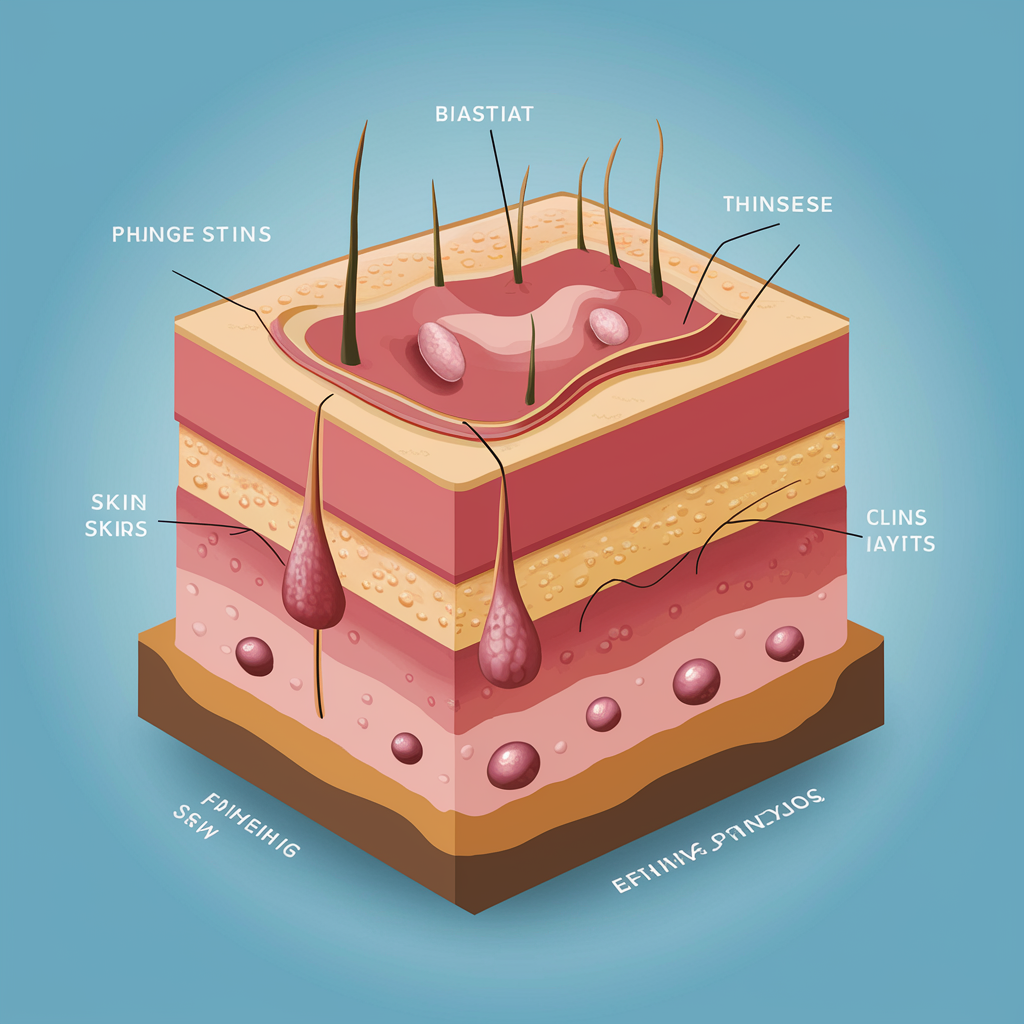
Skin bumps refer to any raised area or protrusion from the normal flat surface of the skin. These elevations develop within the complex structure of the skin, which consists of three primary layers: the epidermis (outermost), dermis (middle), and hypodermis (deepest). Skin bumps can originate in any of these layers, determining their appearance and characteristics.
The formation of skin bumps typically involves processes such as inflammation, fluid accumulation, cellular overgrowth, or trapped material within skin structures. Most skin bumps result from the body’s natural response to various triggers, including infections, allergic reactions, genetic factors, hormonal changes, and environmental irritants.
Skin bumps can be categorized as either temporary or chronic. Temporary bumps like hives or insect bites typically resolve within days or weeks without significant intervention. Chronic bumps, such as certain types of moles or persistent conditions like psoriasis, may remain for months, years, or even a lifetime, often requiring ongoing management strategies.
Common Causes of Skin Bumps
The etiology of skin bumps is diverse, encompassing infectious, inflammatory, allergic, and genetic factors. Understanding these underlying causes is essential for proper diagnosis and treatment.
Infections
Infectious causes of skin bumps include:
- Bacterial infections: Folliculitis (inflammation of hair follicles), impetigo (characterized by honey-colored crusts), and cellulitis (deeper skin infection) can all cause various types of skin bumps.
- Viral infections: Common viral causes include warts (caused by human papillomavirus), molluscum contagiosum (small flesh-colored bumps with central depression), and herpes simplex (grouped, painful blisters).
- Fungal infections: Ringworm presents as circular, itchy patches, while candidiasis (yeast infection) can cause red, sometimes pustular bumps in warm, moist areas of the body.
- Parasitic infestations: Scabies mites create intensely itchy, sometimes linear bumps, while bed bug bites typically appear as grouped, itchy red welts.

Allergic Reactions
Allergic skin reactions that manifest as bumps include:
- Contact dermatitis: Direct skin contact with allergens like nickel, latex, or certain plants causes red, itchy bumps at the site of exposure.
- Drug reactions: Medications can trigger various skin eruptions, from mild maculopapular rashes to severe reactions like Stevens-Johnson syndrome.
- Hives (urticaria): These raised, often itchy welts can appear suddenly and may resolve quickly or become chronic, lasting more than six weeks.
- Eczema flare-ups: This chronic condition causes patches of red, itchy bumps that may ooze, crust over, or become scaly.
Inflammatory Conditions
Various inflammatory skin disorders commonly present with bumps:
- Acne: This common condition affects approximately 85% of people between ages 12-24 and is characterized by comedones (blackheads and whiteheads), inflammatory papules, pustules, and sometimes cysts.
- Rosacea: This chronic inflammatory condition causes facial redness, small red bumps, and sometimes pustules, primarily affecting middle-aged adults.
- Psoriasis: This immune-mediated condition creates thick, red, scaly plaques most commonly on elbows, knees, and scalp.
- Eczema/dermatitis: Beyond allergic triggers, eczema can also be caused by genetic factors, stress, or environmental conditions.
Benign Growths
Many non-cancerous growths can appear as skin bumps:
- Seborrheic keratosis: These wartlike growths have a “stuck-on” appearance and range from light tan to black.
- Skin tags (acrochordons): These small, soft flesh-colored or slightly darker growths typically appear in areas where skin rubs against skin.
- Cherry angiomas: These small, bright red dome-shaped bumps contain blood vessels and become more common with age.
- Dermatofibromas: These firm, raised growths are typically brown to reddish and may dimple when pinched.
- Lipomas: These soft, movable masses of fatty tissue develop slowly under the skin.
- Sebaceous hyperplasia: These small, yellowish or flesh-colored papules with central depression are caused by enlarged oil glands.
Environmental Factors
Environmental conditions frequently trigger skin bumps:
- Heat rash (miliaria): Small, red, often itchy bumps develop when sweat ducts become blocked in hot, humid conditions.
- Cold-induced bumps: Some people develop “goosebumps” or even hives in response to cold exposure.
- Sun exposure reactions: Polymorphous light eruption (PMLE) causes red, itchy bumps after sun exposure in sensitive individuals.
- Reaction to irritants: Various chemicals, plants, and materials can cause non-allergic irritant contact dermatitis with bumpy skin rashes.
Types of Skin Bumps and Identification
Proper identification of skin bumps involves careful observation of their appearance, location, associated symptoms, and other distinguishing features.
Based on Appearance
Skin bumps can be classified according to their visual characteristics:
- Red bumps (papules): Solid, raised lesions less than 1 cm in diameter, often indicating inflammation.
- White/flesh-colored bumps: May represent milia, closed comedones, certain benign growths, or certain viral infections.
- Fluid-filled bumps: Include vesicles (clear fluid), pustules (purulent fluid), and bullae (larger fluid-filled lesions).
- Flat vs. raised bumps: The elevation from the skin surface can provide important diagnostic clues.
- Scaly bumps: Often associated with conditions like psoriasis, seborrheic dermatitis, or certain fungal infections.
Based on Location
The distribution of skin bumps often helps narrow down potential causes:
- Facial bumps: Common causes include acne, rosacea, milia, sebaceous hyperplasia, and various forms of dermatitis.
- Bumps on arms and legs: Frequently seen conditions include keratosis pilaris, folliculitis, cherry angiomas, and insect bites.
- Torso bumps: May represent conditions such as acne, folliculitis, seborrheic keratosis, or viral exanthems.
- Bumps in sensitive areas: Genital or underarm bumps may be caused by folliculitis, hidradenitis suppurativa, molluscum contagiosum, or conditions specific to these areas.
- Scalp bumps: Can be due to seborrheic dermatitis, folliculitis, pilar cysts, or other scalp-specific conditions.
Based on Symptoms
Associated symptoms provide important diagnostic information:
- Itchy bumps: Often indicate allergic reactions, insect bites, eczema, or certain infections like scabies.
- Painful bumps: May suggest infection, inflammation, or pressure on nerves, as seen in cystic acne, boils, or herpes outbreaks.
- Bumps that bleed or ooze: Could indicate infection, trauma, or in some cases, concerning growths that require medical evaluation.
- Non-symptomatic bumps: Often represent benign growths like seborrheic keratosis, dermatofibromas, or lipomas.
Specific Common Skin Bumps
Several distinctive skin bump conditions deserve special attention:
- Acne: Manifests as different types of lesions including blackheads (open comedones), whiteheads (closed comedones), inflammatory papules, pustules, and deeper nodules or cysts.
- Keratosis pilaris: Often described as “chicken skin,” this common genetic condition causes small, rough bumps typically on the upper arms, thighs, cheeks, or buttocks due to keratin buildup around hair follicles.
- Milia: These small, hard, white keratin-filled cysts commonly appear on the face, particularly around the eyes and cheeks.
- Cysts: Including epidermoid cysts (containing skin material) and sebaceous cysts (from oil glands), these larger, slow-growing bumps form beneath the skin.
- Hives and angioedema: Hives present as raised welts on the skin surface, while angioedema involves deeper swelling, often affecting the lips, eyelids, hands, or feet.
Diagnosing Skin Bumps
Accurate diagnosis is crucial for proper treatment of skin bumps, involving both self-assessment and professional evaluation when necessary.
Self-assessment Techniques
When evaluating skin bumps at home, consider:
- Noting when the bumps first appeared and how they’ve changed over time
- Identifying potential triggers (new products, foods, medications, environmental exposures)
- Observing patterns, distribution, and symmetry of the bumps
- Assessing associated symptoms like itching, pain, or systemic issues like fever
- Considering recent activities or exposures that might explain the condition
Documentation for Medical Visits
When preparing to consult a healthcare provider:
- Take clear, well-lit photographs of the affected areas, ideally including images from when the condition first appeared
- Keep a diary of symptoms, potential triggers, and any treatments attempted
- Note any changes in size, color, texture, or other characteristics
- Prepare a list of current medications, supplements, and recent changes to health status
Professional Diagnostic Procedures
Dermatologists may use various techniques to diagnose skin bumps:
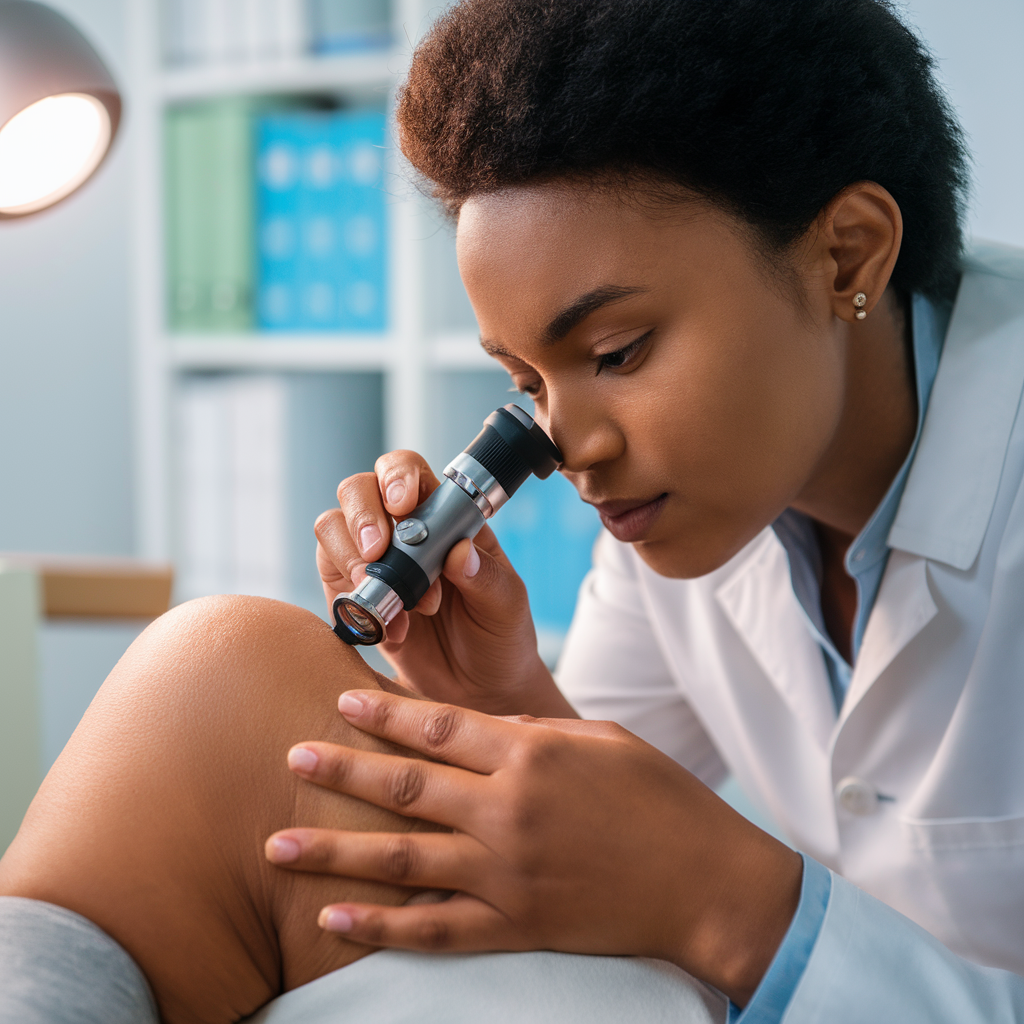
- Visual examination: Often with magnification devices like dermatoscopes
- Skin scrapings: For microscopic examination, particularly for fungal infections
- Culture: To identify bacterial, viral, or fungal causes
- Patch testing: To identify allergic triggers
- Skin biopsy: Removal of a small skin sample for microscopic examination, the gold standard for diagnosing many skin conditions
- Blood tests: To identify systemic conditions that may manifest with skin bumps
Treatment Options
Treatment approaches vary widely depending on the type and cause of skin bumps, ranging from simple home care to complex medical interventions.
Home Remedies
For minor or self-limiting skin bumps, several home care strategies may be effective:
- Proper skin hygiene: Gentle cleansing with mild, fragrance-free soap and warm (not hot) water
- Over-the-counter treatments: Including benzoyl peroxide or salicylic acid for acne, hydrocortisone cream for mild inflammatory conditions, or antifungal preparations for suspected fungal infections
- Evidence-based natural remedies: Such as tea tree oil for mild acne (diluted appropriately), oatmeal baths for itchy skin conditions, or aloe vera for soothing inflammation
- Warm compresses: To relieve discomfort and promote drainage of certain types of bumps
- Cold compresses: To reduce swelling and itching, particularly for hives or insect bites
- Lifestyle modifications: Including stress management, adequate hydration, and avoiding known triggers
Prescription Treatments
Medical interventions prescribed by healthcare providers may include:
- Topical medications: Such as prescription-strength retinoids, antibiotics, antifungals, stronger corticosteroids, or specialized treatments like calcineurin inhibitors for eczema
- Oral medications: Including antibiotics for bacterial infections, antifungals for widespread fungal infections, antivirals for conditions like herpes, or systemic treatments like isotretinoin for severe acne
- Steroid treatments: Ranging from topical preparations of varying strengths to oral or injectable forms for more severe inflammatory conditions
- Specialized treatments: Such as biologic medications for conditions like psoriasis or antihistamines for chronic hives
Procedural Treatments
For certain types of skin bumps, in-office procedures may be recommended:
- Drainage procedures: For certain cysts or abscesses
- Cryotherapy: Using liquid nitrogen to freeze and remove warts, seborrheic keratoses, or other benign growths
- Laser therapy: For conditions like certain types of vascular lesions, severe acne scars, or hair removal in cases of folliculitis
- Surgical removal: For larger cysts, lipomas, or suspicious lesions requiring biopsy
- Chemical peels: For certain types of acne, sun damage, or other skin texture issues
- Electrodesiccation: Using electrical current to remove small benign growths
Treatment Approaches by Condition
Specific conditions require tailored treatment strategies:
- Managing acne: Often involves a combination of topical treatments, oral medications, lifestyle modifications, and sometimes procedures like chemical peels or laser therapy
- Treating keratosis pilaris: Typically focuses on gentle exfoliation with products containing alpha or beta hydroxy acids, combined with intensive moisturizing
- Addressing eczema bumps: Requires careful trigger avoidance, skin barrier repair with appropriate moisturizers, and anti-inflammatory treatments
- Dealing with infectious bumps: Necessitates specific antimicrobial treatments targeting the causative organism
Prevention Strategies
Many skin bump conditions can be prevented or minimized with proactive approaches:
Skin Care Routines
Customized skin care regimens based on skin type can help prevent many types of bumps:
- For oily/acne-prone skin: Non-comedogenic products, gentle exfoliation, and oil-free moisturizers
- For dry/sensitive skin: Fragrance-free, gentle cleansers and rich moisturizers to maintain skin barrier integrity
- For combination skin: Targeted treatments for different facial zones
- For all skin types: Sun protection, adequate hydration, and gentle cleansing
Avoiding Triggers
Identifying and minimizing exposure to personal triggers is crucial:
- Known allergens in cosmetics, detergents, and environmental substances
- Excessive friction or pressure on the skin from tight clothing or equipment
- Extreme temperature changes or high humidity environments for susceptible individuals
- Sharing personal items that could transmit infections
Dietary and Lifestyle Considerations
Evidence suggests certain lifestyle factors may influence skin health:
- Maintaining a balanced diet rich in fruits, vegetables, and omega-3 fatty acids
- Limiting high-glycemic foods and dairy products if they trigger flare-ups (particularly for acne)
- Adequate hydration to support overall skin health
- Stress management techniques, as stress can exacerbate many skin conditions
- Regular exercise with proper post-workout cleansing to prevent sweat-related breakouts
When to Seek Medical Attention
While many skin bumps are harmless, certain warning signs warrant prompt medical evaluation.
Warning Signs
Be alert to these potentially concerning features:
- Rapidly changing bumps: Significant growth, shape changes, or color changes over weeks rather than months
- Bleeding or ulcerating bumps: Especially when occurring spontaneously without injury
- Severely painful bumps: Particularly when accompanied by spreading redness, warmth, or pus
- Bumps with systemic symptoms: Such as fever, fatigue, joint pain, or unexplained weight loss
High-Risk Characteristics
Certain features may indicate a need for closer evaluation:
- ABCDE criteria for concerning skin lesions: Asymmetry, Border irregularity, Color variation, Diameter greater than 6mm, and Evolution or change over time
- Multiple or widespread bumps: Especially when appearing suddenly without clear cause
- Recurrent bumps: That don’t respond to appropriate treatments
- Bumps in sensitive locations: Such as the eyes, genitals, or within existing moles
Skin Bumps That May Indicate Serious Conditions
Some skin manifestations may signal underlying health concerns:
- Potential signs of skin cancer: Including melanoma (often dark, irregular moles), basal cell carcinoma (pearly or waxy bumps), or squamous cell carcinoma (scaly red patches or wart-like growths)
- Autoimmune indicators: Certain distinctive rashes may suggest lupus, dermatomyositis, or other autoimmune conditions
- Systemic disease manifestations: Conditions like diabetes, kidney disease, or liver disorders can sometimes present with characteristic skin changes
- Infectious disease warning signs: Certain patterns of skin bumps may indicate more serious infections requiring prompt treatment
Special Populations and Considerations
Certain groups may experience unique skin bump manifestations or require special management approaches.
Age-Specific Considerations
- Skin bumps in infants and children: Common conditions include molluscum contagiosum, various viral exanthems, and atopic dermatitis. Certain birthmarks may also present as bumps.
- Adolescents: Hormonal changes often trigger acne, while young adults may develop conditions like pseudofolliculitis barbae (razor bumps).
- Aging-related skin changes: Older adults commonly develop seborrheic keratoses, cherry angiomas, and other benign growths that increase with age.
Skin Bumps in Special Situations
- Pregnancy-related skin bumps: Hormonal changes can trigger conditions like pruritic urticarial papules and plaques of pregnancy (PUPPP) or melasma.
- Immunocompromised individuals: May develop atypical presentations of common conditions or unique opportunistic infections.
- Ethnic skin considerations: Certain conditions like keloids, dermatosis papulosa nigra, or post-inflammatory hyperpigmentation may be more common or present differently in various skin types.
Conclusion
Skin bumps represent a diverse array of conditions ranging from completely benign to potentially serious. The key to managing them effectively lies in proper identification, understanding their underlying causes, and selecting appropriate treatment strategies. While many skin bumps can be safely managed at home with proper skin care and over-the-counter remedies, others require professional medical intervention.
Remember that your skin often reflects your overall health, and unexplained changes should never be ignored. Be particularly vigilant about bumps that change rapidly, bleed spontaneously, cause significant pain, or are accompanied by systemic symptoms. With the information provided in this comprehensive guide, you can approach skin bumps with greater confidence, knowing when self-care is appropriate and when to seek professional evaluation.
FAQs About Skin Bumps
Are all skin bumps contagious?
No, most skin bumps are not contagious. However, certain types caused by viral, bacterial, fungal, or parasitic infections can spread through direct contact or sharing personal items. Examples include warts, molluscum contagiosum, impetigo, ringworm, and scabies. Most other bumps, including acne, cysts, allergic reactions, and benign growths, cannot be transmitted to others.
How long do different types of skin bumps typically last?
Duration varies widely depending on the cause. Temporary bumps like hives might last hours to days, insect bites typically resolve within a week, and viral rashes often fade in 1-2 weeks. Conditions like acne can persist for years without proper treatment, while benign growths like moles or seborrheic keratoses are generally permanent unless removed. Chronic conditions like psoriasis or eczema tend to cycle through periods of flare-ups and remission.
Can diet affect skin bumps?
Research suggests diet may influence certain skin conditions, particularly acne. High-glycemic foods and dairy products have been associated with acne exacerbation in some individuals. Food allergies can trigger hives or other skin reactions. For conditions like rosacea, specific dietary triggers like spicy foods, alcohol, or hot beverages may cause flare-ups. However, the relationship between diet and skin health varies significantly between individuals and conditions.
Is it safe to pop or remove skin bumps at home?
Generally, it’s not recommended to pop or remove skin bumps at home. Attempting to pop acne, cysts, or boils can drive bacteria deeper into the skin, worsen inflammation, increase the risk of infection, and potentially cause scarring. Self-removal of moles, skin tags, or other growths can lead to bleeding, infection, and makes professional evaluation of the tissue impossible. For concerning or bothersome bumps, consult a healthcare provider for safe, appropriate treatment options.
Can stress cause skin bumps?
Yes, stress can trigger or exacerbate various skin conditions that manifest as bumps. Stress hormones can increase inflammation, sebum production, and worsen existing skin disorders like acne, eczema, psoriasis, and hives. Stress may also contribute to behaviors like face-touching or picking that can further irritate the skin. Stress management techniques such as meditation, exercise, adequate sleep, and sometimes psychological support can help improve stress-related skin conditions.
How can I tell if a skin bump is cancerous?
The “ABCDE” rule provides helpful warning signs: Asymmetry (uneven shape), Border irregularity (ragged or blurred edges), Color variation (multiple colors within one lesion), Diameter larger than 6mm (pencil eraser size), and Evolution (changing in size, shape, color, or symptoms). Additional concerning features include non-healing sores, persistent itching, tenderness, or bleeding without injury. Any suspicious bumps should be evaluated by a dermatologist, who may perform a biopsy for definitive diagnosis.