

Strong oblique muscles are the foundation of a powerful, stable core that enhances athletic performance, improves posture, and reduces injury risk. Whether you’re a fitness beginner looking to strengthen your midsection or an experienced athlete seeking advanced oblique training techniques, this comprehensive guide provides evidence-based exercises and programming strategies to help you build defined, functional obliques. You’ll discover proper form techniques, progressive workout routines, and expert tips to maximize your core strength development safely and effectively.
Understanding Your Oblique Muscles
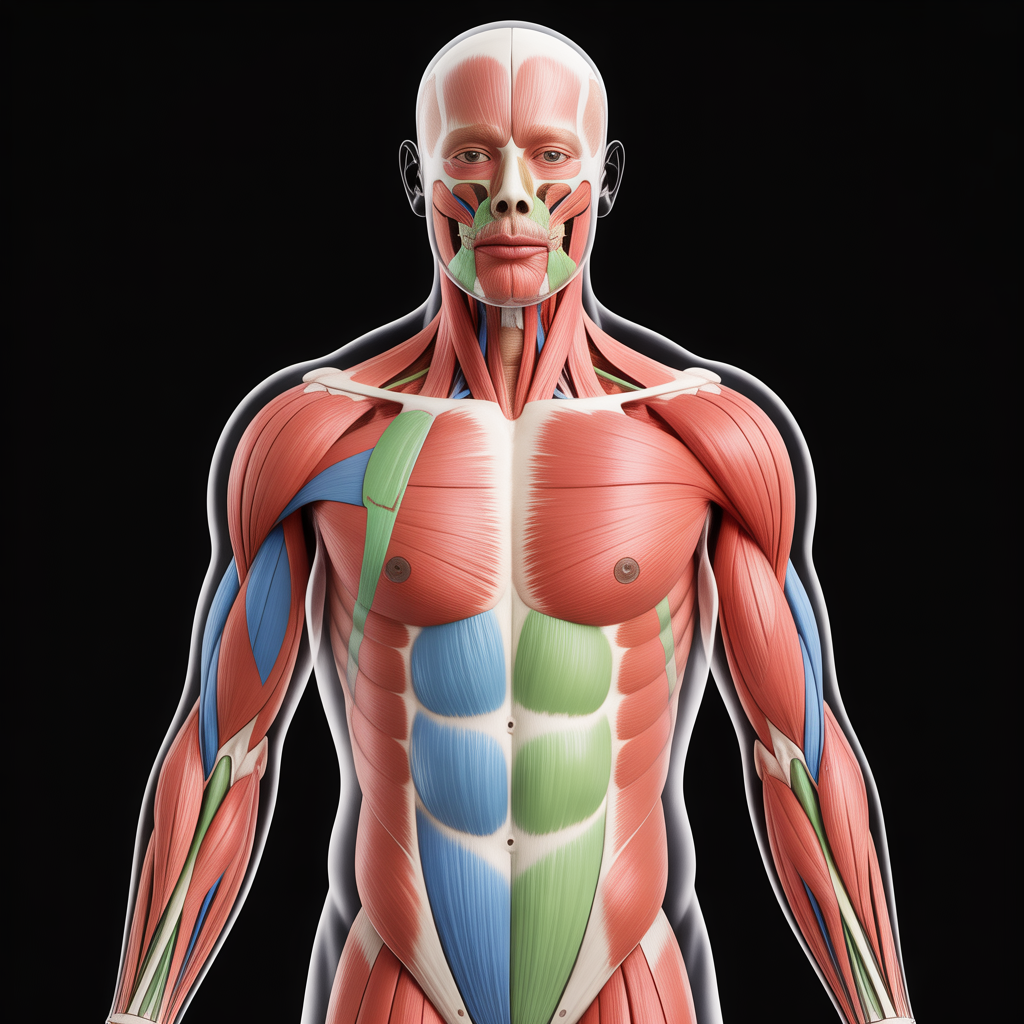
The oblique muscles consist of two distinct layers that work together to create rotational movement, lateral flexion, and core stability. Understanding their anatomy and function is crucial for effective training and injury prevention.
External Obliques: Your Outer Core Layer
The external obliques are the largest and most superficial of the oblique muscles, running diagonally from your lower ribs to your pelvis. These muscles are responsible for:
- Rotating your torso to the opposite side
- Side bending (lateral flexion)
- Compressing your abdominal contents
- Assisting in forced expiration
- Supporting spinal stability during movement
Internal Obliques: The Deep Stabilizers
Located beneath the external obliques, the internal obliques run perpendicular to their external counterparts. Their primary functions include:
- Rotating your torso to the same side
- Working with external obliques for lateral flexion
- Providing deep core stability
- Supporting proper breathing mechanics
- Maintaining intra-abdominal pressure
How Obliques Work with Other Core Muscles
Your obliques don’t work in isolation. They function as part of an integrated system that includes the rectus abdominis, transverse abdominis, erector spinae, and diaphragm. This muscular collaboration creates:
- Dynamic stability during multi-planar movements
- Force transfer between upper and lower body
- Protection for your spine during daily activities
- Enhanced athletic performance in rotational sports

Best Oblique Exercises for Beginners
Starting with fundamental movements ensures proper muscle activation and reduces injury risk. These beginner-friendly exercises focus on building basic strength and movement patterns.
Side Plank (Basic Hold)
The side plank is the foundation of oblique training, teaching isometric strength and proper alignment.
How to perform:
- Lie on your side with your elbow directly under your shoulder
- Stack your feet and engage your core
- Lift your hips to create a straight line from head to feet
- Hold for 15-30 seconds, focusing on breathing normally
- Repeat on both sides
Common errors to avoid:
- Allowing hips to sag or pike upward
- Placing elbow too far from shoulder
- Holding breath during the exercise
- Neglecting to engage the core throughout
Standing Side Crunches
This exercise introduces lateral flexion movement while maintaining balance and coordination.
Execution:
- Stand with feet hip-width apart, hands behind head
- Lift one knee toward your elbow on the same side
- Contract your obliques to bring elbow and knee together
- Return to starting position with control
- Complete 10-15 repetitions per side
Seated Russian Twists (Bodyweight)
This rotational exercise builds oblique strength while improving core endurance.
Step-by-step guide:
- Sit with knees bent, feet flat on floor
- Lean back slightly, maintaining straight spine
- Lift feet off ground if comfortable
- Rotate torso side to side, touching ground beside hips
- Perform 20-30 total rotations
Dead Bug with Rotation
This exercise combines anti-extension with rotational stability, perfect for building foundational strength.
Technique:
- Lie on back with arms extended toward ceiling
- Bend hips and knees to 90 degrees
- Slowly extend opposite arm and leg while rotating slightly
- Return to starting position and repeat
- Perform 8-12 repetitions per side
Intermediate Oblique Exercises
Once you’ve mastered basic movements, these intermediate exercises add complexity and challenge to accelerate your progress.
Side Plank with Leg Lifts
This progression adds dynamic movement to the static side plank, increasing difficulty and muscle activation.
Performance:
- Assume side plank position
- Lift top leg 6-12 inches while maintaining plank
- Lower leg with control
- Complete 8-15 repetitions before switching sides
Bicycle Crunches
This classic exercise targets both obliques simultaneously through alternating rotation and flexion.
Proper form:
- Lie on back with hands behind head
- Lift shoulder blades off ground
- Bring opposite elbow and knee together
- Alternate sides in a pedaling motion
- Perform 20-40 total repetitions
Russian Twists with Weight
Adding resistance increases the challenge and promotes strength development.
Instructions:
- Hold a dumbbell or medicine ball at chest level
- Sit with knees bent, leaning back slightly
- Rotate weight from side to side
- Keep core engaged throughout movement
- Complete 15-25 repetitions per side
Mountain Climber Cross-Body
This dynamic exercise combines cardiovascular challenge with oblique strengthening.
Execution:
- Start in plank position
- Bring one knee toward opposite elbow
- Return to plank and repeat with other leg
- Maintain steady rhythm for 30-60 seconds
Advanced Oblique Exercises
Advanced exercises require significant strength, stability, and coordination. Progress gradually to these movements to avoid injury.
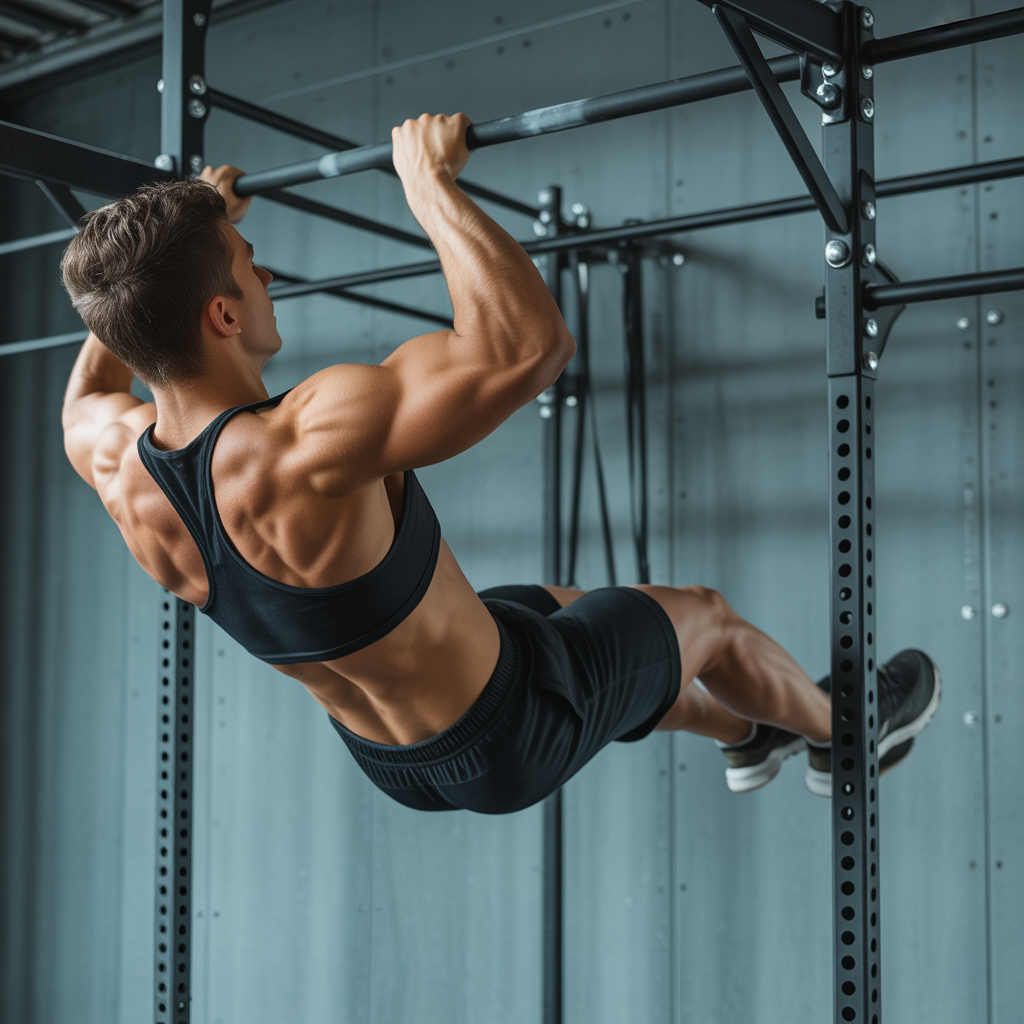
Hanging Oblique Crunches
This challenging exercise requires significant grip strength and core stability.
Technique:
- Hang from pull-up bar with straight arms
- Lift knees toward one elbow
- Contract obliques to bring knees up and across
- Lower with control and repeat
- Perform 5-12 repetitions per side
Turkish Get-Ups
This full-body movement challenges oblique stability throughout multiple movement patterns.
Basic progression:
- Lie on back holding weight in one hand
- Follow the seven-step get-up sequence
- Focus on maintaining weight overhead
- Return to lying position with control
- Complete 3-5 repetitions per side
Landmine Rotations
Using a barbell in a landmine setup provides variable resistance and functional movement patterns.
Setup and execution:
- Hold barbell end at chest level
- Stand with feet shoulder-width apart
- Rotate weight from side to side
- Keep hips facing forward
- Perform 10-15 repetitions per side
Equipment-Based Oblique Exercises
Various equipment options can enhance your oblique training by providing different resistance curves and movement patterns.
Cable Machine Exercises
Cable Woodchoppers (High-to-Low):
- Set cable at high position
- Pull weight diagonally across body
- Rotate through core, not just arms
- Complete 12-15 repetitions per side
Cable Side Bends:
- Hold cable handle at side
- Bend laterally away from weight
- Return to upright position with control
- Focus on oblique contraction
Resistance Band Exercises
Resistance bands provide portable, versatile training options for oblique development.
Band Woodchoppers:
- Anchor band at shoulder height
- Pull diagonally across body
- Control the return movement
- Perform 15-20 repetitions per side
Medicine Ball and Dumbbell Exercises
Medicine Ball Diagonal Slams:
- Hold ball overhead
- Slam diagonally toward opposite foot
- Engage obliques throughout movement
- Complete 8-12 repetitions per side
Sample Oblique Workout Routines
Structured routines ensure balanced development and progressive overload for optimal results.
Beginner Routine (3x/week)
Warm-up (5 minutes):
- Cat-cow stretches
- Torso rotations
- Arm circles
- Gentle side bends
Main workout:
- Side Plank Hold: 2 sets x 15-30 seconds each side
- Standing Side Crunches: 2 sets x 10-15 per side
- Seated Russian Twists: 2 sets x 20-30 total
- Dead Bug with Rotation: 2 sets x 8-12 per side
Cool-down (5 minutes):
- Child’s pose with side reach
- Seated spinal twist
- Standing quad stretch
Intermediate Routine (3-4x/week)
Circuit format (3 rounds):
- Side Plank with Leg Lifts: 45 seconds
- Bicycle Crunches: 60 seconds
- Russian Twists with Weight: 45 seconds
- Mountain Climber Cross-Body: 30 seconds
- Rest: 60-90 seconds between rounds
Advanced Routine (4-5x/week)
Strength focus:
- Hanging Oblique Crunches: 3 sets x 5-12 per side
- Turkish Get-Ups: 3 sets x 3-5 per side
- Landmine Rotations: 3 sets x 10-15 per side
- Pallof Press: 3 sets x 12-15 per side
Programming and Progression
Systematic progression ensures continued adaptation and prevents plateaus in your oblique development.
Training Frequency
Optimal oblique training frequency depends on your fitness level and recovery capacity:
- Beginners: 2-3 times per week with full rest days between sessions
- Intermediate: 3-4 times per week with varied intensity
- Advanced: 4-5 times per week with periodized programming
Sets, Reps, and Rest Periods
Strength Development:
- Sets: 3-4
- Reps: 6-12
- Rest: 90-120 seconds
Endurance and Definition:
- Sets: 2-3
- Reps: 15-25
- Rest: 45-60 seconds
Progressive Overload Strategies
Continuously challenge your obliques through:
- Increasing hold times for isometric exercises
- Adding external resistance
- Progressing to more challenging exercise variations
- Increasing training volume gradually
- Improving range of motion and control
Common Mistakes and How to Avoid Them
Avoiding these frequent errors will accelerate your progress and reduce injury risk.
Neglecting Proper Form for Quick Results
Many people sacrifice form to perform more repetitions or use heavier weights. This approach leads to:
- Reduced muscle activation
- Increased injury risk
- Poor movement patterns
- Limited long-term progress
Solution: Focus on quality over quantity. Master basic movements before progressing to advanced variations.
Overtraining the Obliques
Excessive oblique training can lead to muscle imbalances and overuse injuries. Signs include:
- Persistent muscle soreness
- Decreased performance
- Lower back pain
- Reduced motivation
Solution: Allow adequate recovery time and balance oblique work with other core exercises.
Ignoring the Mind-Muscle Connection
Failing to focus on the target muscles reduces exercise effectiveness. Improve your connection by:
- Slowing down movement tempo
- Concentrating on muscle contraction
- Using lighter weights initially
- Practicing proper breathing patterns
Nutrition and Recovery for Oblique Development
Proper nutrition and recovery practices are essential for maximizing your oblique training results.
Role of Diet in Revealing Oblique Definition
Visible oblique definition requires reducing body fat percentage through:
- Creating a moderate caloric deficit
- Emphasizing whole, nutrient-dense foods
- Balancing macronutrients appropriately
- Staying consistent with healthy eating habits
Remember that spot reduction is not possible – overall body fat reduction is necessary to reveal oblique definition.
Protein Requirements for Muscle Development
Adequate protein intake supports muscle recovery and growth:
- General population: 0.8-1.2 grams per kilogram body weight
- Active individuals: 1.2-1.6 grams per kilogram body weight
- Athletes: 1.6-2.2 grams per kilogram body weight
Hydration and Sleep Importance
Proper hydration and sleep are crucial for:
- Muscle recovery and repair
- Hormone production and regulation
- Energy maintenance during workouts
- Cognitive function for proper form
Aim for 7-9 hours of quality sleep and adequate water intake based on your activity level and climate.
Troubleshooting and Frequently Asked Questions
“I Don’t Feel My Obliques Working” – Activation Tips
If you’re struggling to feel your obliques during exercises:
- Start with basic isometric holds like side planks
- Place your hand on the working muscle
- Slow down the movement tempo
- Focus on exhaling during the contraction phase
- Ensure proper exercise setup and alignment
“How Long Until I See Results?” – Realistic Expectations
Timeline for oblique development varies based on several factors:
- Strength improvements: 2-4 weeks
- Muscle size changes: 6-8 weeks
- Visible definition: 12-16 weeks (with proper nutrition)
- Advanced definition: 6-12 months of consistent training
“Can I Do Obliques Every Day?” – Recovery Needs
While obliques can recover relatively quickly, daily high-intensity training isn’t recommended:
- Allow 24-48 hours between intense sessions
- Light activation work can be done daily
- Listen to your body for signs of overtraining
- Vary exercise selection and intensity
Integration with Full Core Training
Effective core training requires balancing oblique work with exercises targeting all core muscles.
Creating a Complete Core Routine
A well-rounded core program should include:
- Anti-extension exercises: Planks, dead bugs
- Anti-flexion exercises: Bird dogs, back extensions
- Anti-rotation exercises: Pallof press, single-arm carries
- Rotation exercises: Russian twists, woodchoppers
- Lateral flexion exercises: Side planks, side bends
Functional Movement Patterns
Incorporate exercises that mimic real-world activities:
- Carrying objects on one side (farmer’s walks)
- Throwing and catching movements
- Rotational sports activities
- Multi-planar movement combinations
Modifications for Special Populations
Exercises for Lower Back Issues
If you have lower back concerns, prioritize:
- Isometric exercises over dynamic movements
- Maintaining neutral spine alignment
- Avoiding excessive spinal flexion
- Starting with shorter hold times and ranges of motion
Recommended exercises:
- Modified side planks (from knees)
- Wall-supported standing exercises
- Gentle breathing exercises
- Bird dog variations
Pregnancy-Safe Oblique Exercises
During pregnancy, modify oblique training by:
- Avoiding supine positions after the first trimester
- Reducing intensity and range of motion
- Focusing on breath control and gentle activation
- Avoiding exercises that cause abdominal coning
Safe options include:
- Standing side bends
- Modified side planks against wall
- Seated rotations with support
- Pelvic tilts and breath work
Senior-Friendly Modifications
Older adults can benefit from oblique training with appropriate modifications:
- Use chair or wall support for balance
- Focus on controlled, slower movements
- Emphasize functional patterns
- Start with shorter durations and progress gradually
Conclusion
Building strong, defined obliques requires consistent training, proper progression, and a comprehensive approach that includes appropriate nutrition and recovery. Start with basic exercises that match your current fitness level, focus on quality movement patterns, and gradually progress to more challenging variations as your strength and stability improve.
Remember that oblique development is a long-term process that extends beyond aesthetic goals. Strong obliques contribute to better posture, reduced injury risk, improved athletic performance, and enhanced quality of life during daily activities. The key to success lies in consistency, patience, and listening to your body throughout your fitness journey.
Whether you’re just beginning your core training journey or looking to advance your current routine, the exercises and strategies outlined in this guide provide a solid foundation for achieving your oblique strength and definition goals. Start today with exercises appropriate for your level, stay consistent with your training, and don’t forget to consult with a qualified fitness professional if you have any concerns or specific health conditions.
Your core strength journey begins with a single exercise – take that first step today and build the strong, functional obliques that will serve you for years to come.