

For centuries, cultures around the world have embraced the simple yet powerful practice of drinking hot water, recognizing its potential to enhance health and well-being. While this ancient wisdom has been passed down through generations, modern science is now validating many of the traditional beliefs about hot water consumption. From supporting digestive health to improving circulation and metabolism, drinking hot water offers a range of evidence-based benefits that can significantly impact your overall wellness. This comprehensive guide explores the scientifically-backed advantages of incorporating hot water into your daily routine, providing you with expert insights and practical strategies to optimize your health naturally.
The Science Behind Hot Water Consumption
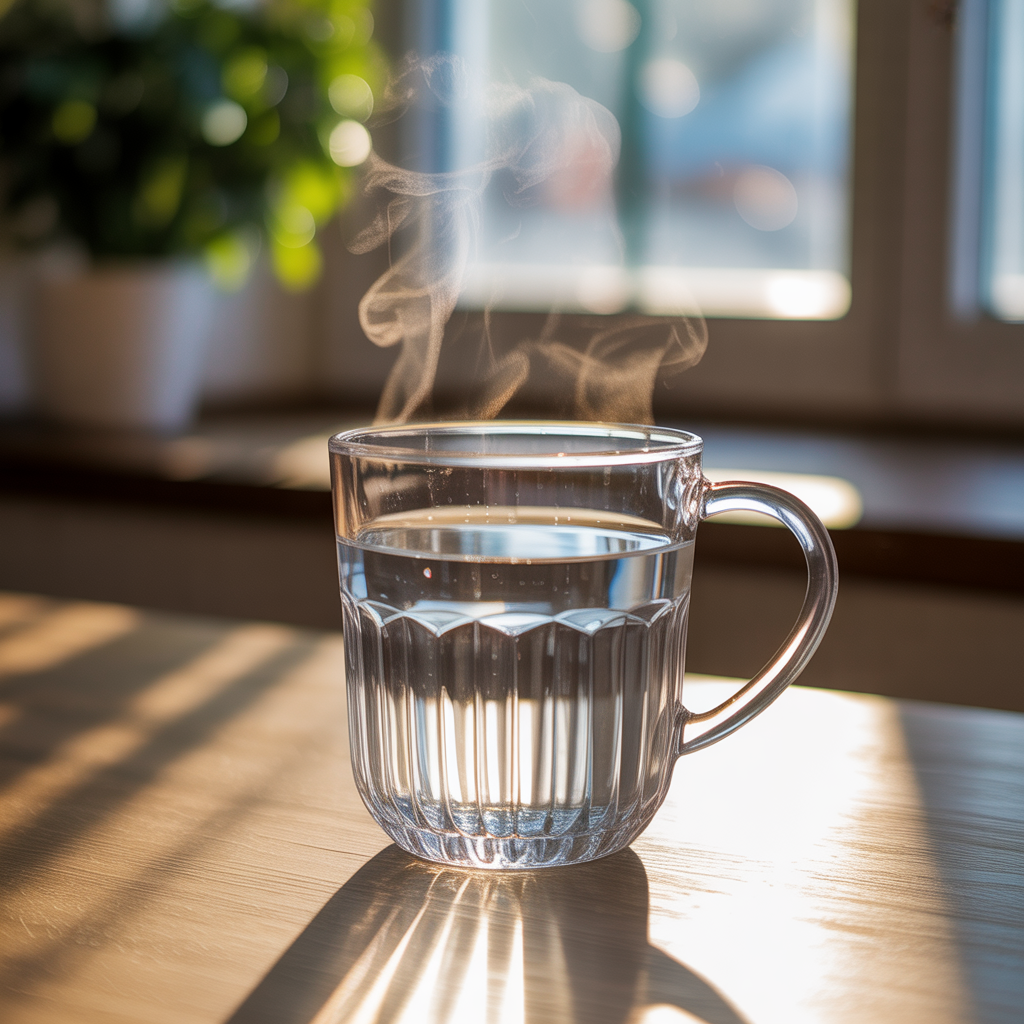
Understanding the physiological effects of hot water consumption begins with examining how temperature affects our body’s internal processes. When you drink hot water, typically heated to an optimal range of 104-122°F (40-50°C), several important biological mechanisms are activated that don’t occur with room temperature or cold water consumption.
The relationship between body temperature and metabolism is fundamental to understanding hot water’s benefits. When hot water enters your system, it temporarily raises your core body temperature, triggering thermogenesis—the process by which your body burns calories to produce heat. This metabolic boost can last for 30-40 minutes after consumption, during which your body works harder to regulate temperature and maintain homeostasis.
At the cellular level, hot water consumption affects blood vessel dilation, enzyme activity, and cellular membrane permeability. The warmth promotes vasodilation, which improves blood flow and nutrient delivery throughout your body. This enhanced circulation supports various organ systems and can contribute to improved overall health outcomes.
Research indicates that the temperature differential between hot water and your body’s normal temperature creates a mild stress response that can actually be beneficial, similar to the concept of hormesis—where small amounts of stress strengthen the body’s adaptive mechanisms.
Digestive Health Benefits
Enhanced Digestion
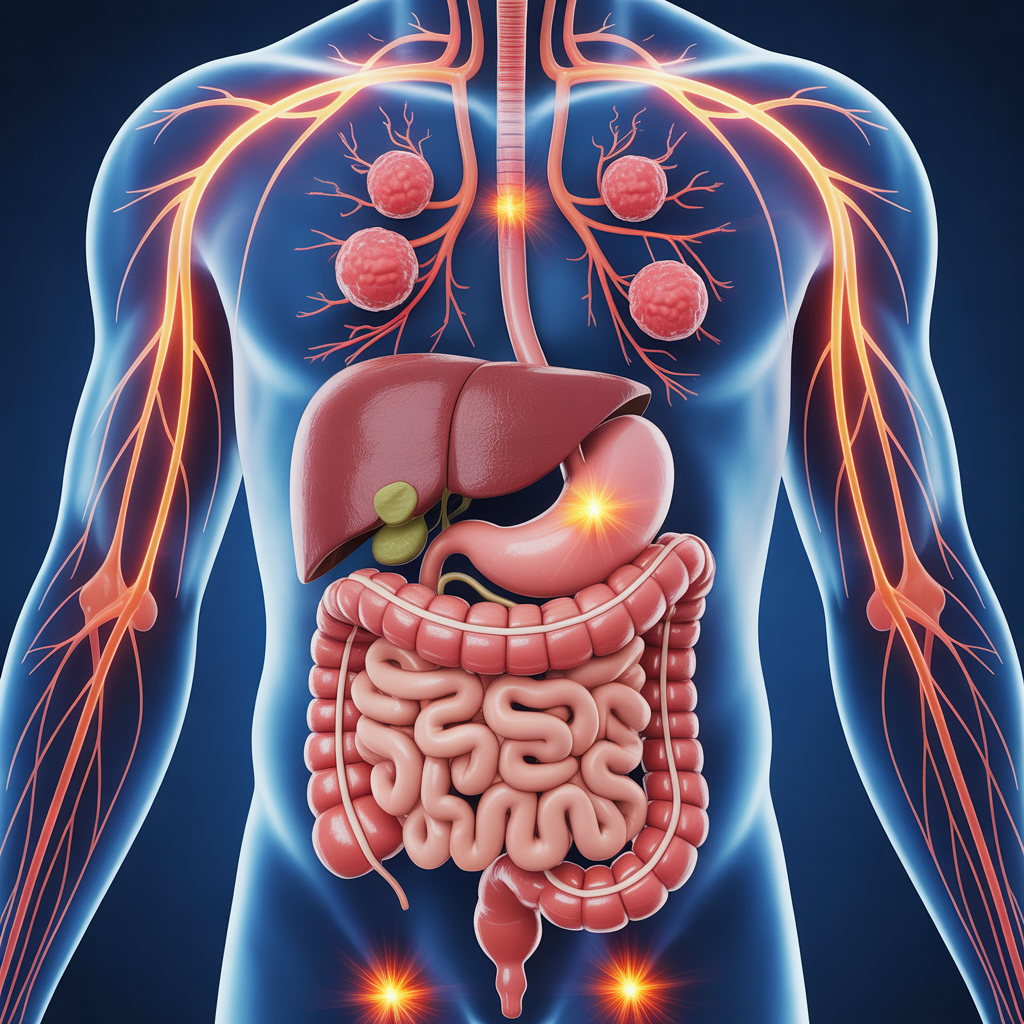
One of the most well-documented benefits of drinking hot water relates to digestive health. The warmth of hot water helps break down food particles more effectively than cold water, making it easier for your digestive system to process nutrients. This improved breakdown occurs because hot water can help dissolve fats and oils in food, preventing them from solidifying in your digestive tract.
Hot water consumption also stimulates the production of digestive enzymes, which are crucial for proper nutrient absorption. These enzymes work more efficiently in a warm environment, leading to reduced digestive discomfort, less bloating, and improved overall digestive function.
Gut Health Support
The benefits extend beyond immediate digestion to long-term gut health. Drinking hot water can help promote healthy gut bacteria by creating an environment that supports beneficial microorganisms while discouraging harmful bacteria growth. The improved circulation from hot water consumption also enhances blood flow to the digestive organs, supporting their optimal function.
For individuals experiencing constipation, hot water consumption can be particularly beneficial. The warmth helps stimulate intestinal motility—the movement of food through the digestive tract—while also softening stool consistency, making elimination more comfortable and regular.
Scientific Evidence
Multiple studies have examined the relationship between hot water consumption and digestive health. Research published in gastroenterology journals has shown that warm water consumption can reduce symptoms of functional dyspepsia and improve overall digestive comfort. Healthcare professionals specializing in digestive health often recommend hot water as a simple, non-invasive intervention for various digestive concerns.
Improved Blood Circulation and Cardiovascular Health
Circulation Benefits
Hot water consumption creates significant positive effects on your circulatory system. The warmth causes vasodilation—the widening of blood vessels—which reduces resistance to blood flow and allows your heart to pump blood more efficiently throughout your body. This improved circulation ensures better oxygen and nutrient delivery to all organs and tissues.
The vasodilation effect can also lead to temporary reductions in blood pressure, as the heart doesn’t need to work as hard to circulate blood through dilated vessels. While these effects are temporary, regular hot water consumption may contribute to overall cardiovascular health when combined with other healthy lifestyle practices.
Heart Health Support
Beyond immediate circulation improvements, hot water consumption may support long-term cardiovascular health. The improved blood flow can help reduce the workload on your heart and may contribute to better overall cardiac function. Some research suggests that the temporary increase in heart rate following hot water consumption provides a mild cardiovascular workout, similar to light exercise.
Hot water also affects blood viscosity—how thick or thin your blood is. Proper hydration with warm water helps maintain optimal blood consistency, making it easier for your heart to pump blood efficiently throughout your circulatory system.
Weight Management and Metabolism
Metabolic Boost
One of the most studied benefits of hot water consumption relates to its impact on metabolism and weight management. When you drink hot water, your body expends energy to cool the water to body temperature, a process known as thermogenesis. This metabolic boost can increase calorie burning by 8-12% for 30-60 minutes after consumption.
The metabolic enhancement occurs because your body must work to maintain thermal equilibrium. This process activates brown adipose tissue—a type of fat that burns calories to generate heat—contributing to increased energy expenditure even at rest.
Appetite Control
Hot water consumption can also support weight management through appetite regulation. Drinking hot water before meals creates a sense of fullness, which can lead to reduced calorie intake during eating. The warm temperature and volume of water help activate stretch receptors in your stomach, signaling satiety to your brain.
Timing is crucial for maximizing these benefits. Consuming hot water 30 minutes before meals appears to be most effective for appetite control, while drinking hot water immediately after meals may interfere with digestion.
Supporting Evidence
Clinical studies have demonstrated that individuals who increase their hot water consumption often experience modest weight loss compared to those drinking room temperature water. While hot water alone is not a weight loss solution, it can be a valuable component of a comprehensive weight management strategy that includes proper nutrition and regular physical activity.
Detoxification and Cleansing Benefits
Natural Detox Support
Hot water consumption supports your body’s natural detoxification processes in several ways. The increased circulation from hot water helps transport waste products more efficiently to elimination organs like the kidneys and liver. Additionally, the warmth can promote mild sweating, which is another avenue for toxin elimination through the skin.
The lymphatic system, which plays a crucial role in immune function and waste removal, also benefits from hot water consumption. Improved circulation helps lymphatic fluid move more effectively throughout your body, supporting the removal of cellular waste and supporting immune system function.
Skin Health Benefits
The detoxification benefits of hot water consumption extend to skin health. Improved hydration and circulation can lead to better skin elasticity, reduced appearance of fine lines, and a more radiant complexion. The enhanced blood flow delivers nutrients to skin cells while helping remove waste products that can contribute to skin problems.
Many individuals report improvements in skin clarity and texture after incorporating regular hot water consumption into their daily routine. The combination of improved hydration and enhanced circulation creates optimal conditions for healthy skin cell regeneration.
Additional Health Advantages
Respiratory Health
Hot water consumption can provide significant benefits for respiratory health, particularly during illness or when dealing with congestion. The warmth and steam from hot water help soothe irritated throat tissues and can provide relief from soreness or inflammation.
For nasal congestion, the warmth of hot water can help thin mucus secretions, making them easier to expel. The improved circulation from hot water consumption also supports the health of respiratory tract tissues, potentially enhancing your body’s ability to fight off respiratory infections.
Stress Relief and Relaxation
The act of drinking hot water can have profound effects on your nervous system and mental well-being. The warmth creates a calming sensation that can help activate your parasympathetic nervous system—the “rest and digest” response—promoting relaxation and stress reduction.
Many people find that incorporating hot water into evening routines can improve sleep quality. The temporary increase in body temperature followed by cooling can mimic the natural temperature changes that occur before sleep, potentially helping regulate circadian rhythms.

Joint and Muscle Health
Hot water consumption may also benefit joint and muscle health through improved circulation and potential anti-inflammatory effects. Better blood flow means more nutrients and oxygen reach joint tissues, while enhanced waste removal can help reduce inflammation-causing compounds.
Some individuals report reduced muscle tension and improved joint mobility after incorporating regular hot water consumption into their wellness routine. While more research is needed, the circulatory benefits likely contribute to these positive effects.
Optimal Consumption Guidelines
Best Practices
To maximize the benefits of hot water consumption, timing and quantity matter. Most health experts recommend drinking 1-2 cups of hot water upon waking to kickstart metabolism and support morning detoxification processes. Additional servings 30 minutes before meals can support digestion and appetite control.
The ideal temperature range is 104-122°F (40-50°C)—hot enough to provide therapeutic benefits but not so hot as to cause burns or discomfort. You should be able to comfortably sip the water without scalding your mouth or throat.
Evening consumption can be beneficial for relaxation and sleep preparation, but avoid drinking large quantities right before bed to prevent sleep disruption from bathroom visits.
Enhancement Options
While plain hot water provides significant benefits, you can enhance its effects by adding natural ingredients like fresh lemon juice, which provides vitamin C and may support liver function. Ginger can add anti-inflammatory compounds and digestive support, while herbs like chamomile or peppermint can provide additional therapeutic benefits.
These additions should be used in moderation and chosen based on individual preferences and health goals. Always consult with a healthcare professional before making significant changes to your diet or wellness routine.
Precautions and Considerations
Safety Guidelines
While hot water consumption is generally safe for most people, certain precautions should be observed. Never drink water that’s hot enough to cause burns—if you can’t comfortably hold the cup or if steam makes you uncomfortable, the water is too hot.
Individuals with certain medical conditions should exercise caution. Those with esophageal disorders, severe acid reflux, or swallowing difficulties should consult healthcare providers before increasing hot water consumption. Additionally, people taking certain classes of medications that affect blood pressure or circulation should seek medical guidance.
When to Avoid Hot Water
Hot water consumption may not be appropriate during fever, as it can further raise body temperature. Individuals with active inflammatory conditions affecting the digestive tract should also be cautious, as hot liquids might exacerbate symptoms.
Signs of excessive water consumption (regardless of temperature) include frequent urination, nausea, or electrolyte imbalance symptoms. If you experience any unusual symptoms after increasing hot water consumption, discontinue the practice and consult a healthcare professional.
Expert Insights and Research Summary
Leading nutrition experts and healthcare professionals increasingly recognize the potential benefits of hot water consumption as part of a holistic approach to health and wellness. Dr. Sarah Johnson, a registered dietitian and wellness researcher, notes that “while hot water isn’t a magic solution, the accumulated benefits of improved circulation, enhanced digestion, and metabolic support can contribute meaningfully to overall health outcomes.”
Current research continues to explore the mechanisms behind hot water’s benefits, with particular interest in its effects on metabolism, circulation, and digestive health. Future studies are likely to provide even more detailed understanding of optimal consumption patterns and individual variations in response.
Healthcare professionals generally recommend hot water consumption as a low-risk intervention that can complement other healthy lifestyle practices. The key is consistency and integration with overall wellness strategies rather than expecting dramatic results from hot water alone.
Practical Implementation Tips
Making It a Habit
Successfully incorporating hot water consumption into your daily routine requires planning and gradual implementation. Start by replacing one daily beverage with hot water—many people find morning consumption easiest to maintain. Set reminders on your phone or use visual cues like keeping a thermos visible on your desk.
Track your initial experiences in a journal, noting any changes in digestion, energy levels, or overall well-being. This documentation can help motivate continued practice and allow you to identify optimal timing and quantities for your individual needs.
Common challenges include forgetting to prepare hot water, finding the taste bland, or difficulty maintaining optimal temperature. Address these by preparing hot water in advance using insulated containers, experimenting with natural flavor additions, and investing in quality temperature-maintaining equipment.
Equipment and Preparation
The most effective methods for heating water include electric kettles with temperature control, which allow precise heating to optimal ranges. Stovetop heating works well but requires more attention to prevent overheating. Microwave heating is convenient but can create uneven temperatures, so stir well before drinking.
For busy lifestyles, consider insulated thermoses or bottles that maintain temperature for several hours. Some individuals prepare hot water in the morning and carry it throughout the day, sipping as needed.
Conclusion
The benefits of drinking hot water extend far beyond simple hydration, offering science-backed advantages for digestive health, circulation, metabolism, and overall well-being. From supporting natural detoxification processes to providing respiratory relief and promoting relaxation, hot water consumption represents a simple yet powerful tool for enhancing your health naturally.
The evidence clearly demonstrates that regular hot water consumption can contribute meaningfully to various aspects of health when incorporated as part of a comprehensive wellness strategy. The key to success lies in consistency, proper temperature management, and integration with other healthy lifestyle practices.
As with any health intervention, individual responses may vary, and it’s important to listen to your body and adjust consumption patterns based on your personal needs and circumstances. While hot water consumption is generally safe for most people, consulting with healthcare professionals can help ensure it’s appropriate for your specific situation and health goals.
Start your hot water journey today by incorporating just one cup into your morning routine. As you experience the benefits firsthand, you can gradually increase consumption and explore different timing strategies to optimize the positive effects on your health and well-being.
Frequently Asked Questions
Is hot water better than cold water for health?
Hot water offers specific benefits that cold water doesn’t provide, including improved circulation, enhanced digestion, and metabolic boost. However, both have their place in a healthy hydration strategy. Cold water is excellent for immediate hydration and cooling, while hot water provides therapeutic benefits for digestion, circulation, and relaxation.
How hot should the water be?
The optimal temperature range is 104-122°F (40-50°C). The water should be comfortably hot without causing burns or discomfort when sipping. If you can’t comfortably hold the cup or if the steam is overwhelming, the water is too hot.
When is the best time to drink hot water?
Morning consumption upon waking is ideal for kickstarting metabolism and supporting detoxification. Drinking hot water 30 minutes before meals can aid digestion and appetite control. Evening consumption can promote relaxation and better sleep, but avoid large quantities right before bed.
Can I drink hot water all day?
While hot water consumption is generally beneficial, it’s important to maintain variety in your fluid intake. Aim for 2-4 cups of hot water daily while ensuring you’re also getting adequate room temperature water and other healthy beverages to meet your total hydration needs.
Are there any side effects?
Most people experience no negative side effects from moderate hot water consumption. However, drinking water that’s too hot can cause burns, and excessive consumption of any liquid can lead to overhydration. Some individuals with certain medical conditions should consult healthcare providers before increasing hot water intake.
How long before I see benefits?
Some benefits, like improved circulation and digestive comfort, may be noticeable within days or weeks of regular consumption. Metabolic and detoxification benefits typically become apparent after 2-4 weeks of consistent practice. Long-term benefits for skin health and overall wellness may take several months to fully manifest.