

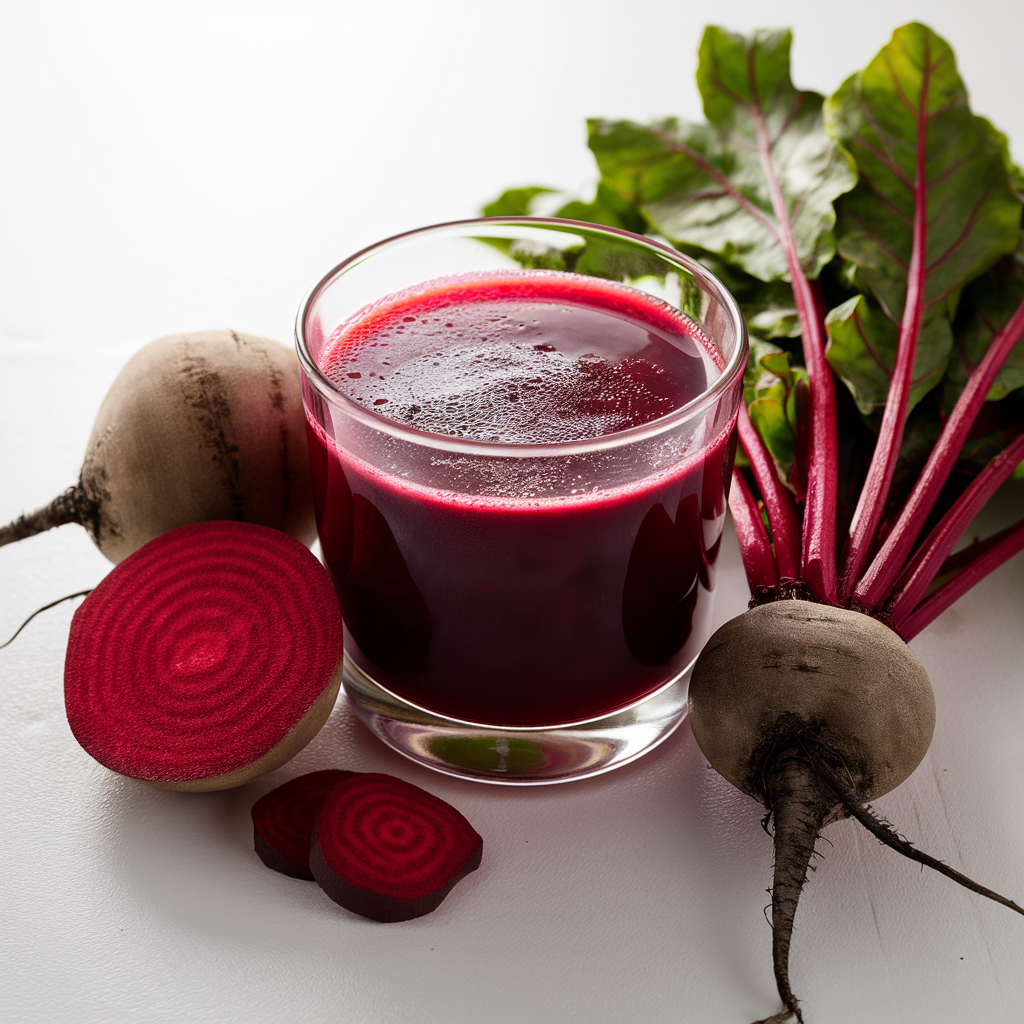
Beet juice has emerged as a powerful superfood in the health and wellness community, revered for its exceptional nutritional profile and impressive range of benefits. This vibrant red liquid, derived from the humble beetroot (Beta vulgaris), has been used for centuries across various cultures for both culinary and medicinal purposes. Today, modern science confirms what traditional wisdom has long suggested – that this ruby-colored elixir offers remarkable advantages for cardiovascular health, athletic performance, and cognitive function. Whether you’re an athlete looking to enhance endurance, someone managing blood pressure concerns, or simply a health enthusiast seeking to diversify your nutrient intake, beet juice offers something valuable. This comprehensive guide explores everything you need to know about beet juice – from its rich nutritional composition to practical ways of incorporating it into your daily routine, all backed by the latest scientific research.
Nutritional Profile of Beet Juice
Beet juice stands out as an exceptionally nutrient-dense beverage with an impressive array of vitamins, minerals, and bioactive compounds that contribute to its health-promoting properties.
Comprehensive Nutrient Breakdown
A standard 8-ounce (240ml) serving of fresh beet juice typically contains:
- Calories: Approximately 70-100 calories, making it relatively low in energy
- Carbohydrates: 18-24g, primarily from natural sugars
- Protein: 1-2g
- Fat: Negligible (less than 1g)
- Fiber: 1-2g (reduced from whole beets due to juicing)
Key vitamins and minerals include:
- Folate (Vitamin B9): About 148μg (37% of Daily Value)
- Manganese: 0.4mg (20% DV)
- Potassium: 442mg (13% DV)
- Vitamin C: 6mg (10% DV)
- Iron: 0.8mg (4% DV)
- Magnesium: 31mg (8% DV)
Unique Bioactive Compounds
What truly distinguishes beet juice are its specialized plant compounds:
- Dietary Nitrates: Beets are one of the richest sources of dietary nitrates (250-500mg per 8oz), which convert to nitric oxide in the body
- Betalains: Pigments responsible for the deep red color, including betacyanins and betaxanthins with powerful antioxidant properties
- Polyphenols: Including flavonoids and phenolic acids that contribute to anti-inflammatory effects
Compared to other vegetable juices, beet juice contains significantly higher levels of nitrates than most alternatives, including carrot, tomato, or spinach juice. However, it has a higher natural sugar content than some green vegetable juices.
Scientifically-Backed Health Benefits
Blood Pressure Regulation
One of the most well-documented benefits of beet juice is its ability to reduce blood pressure, particularly systolic blood pressure (the top number in a reading).
The mechanism behind this effect lies in the dietary nitrates abundant in beet juice. Once consumed, these nitrates are converted to nitrite by bacteria in the mouth, and then to nitric oxide in the acidic environment of the stomach. Nitric oxide is a potent vasodilator that relaxes and widens blood vessels, improving blood flow and reducing pressure.
Research findings are compelling:
- A meta-analysis published in the Journal of Nutrition found that beet juice consumption was associated with an average reduction in systolic blood pressure of 3-10 mmHg
- Most studies indicate that blood pressure benefits can be observed within 2-3 hours of consumption, with effects lasting up to 24 hours
- For hypertension management, consuming 250ml (about 8oz) of beet juice daily appears to be effective
These modest but meaningful reductions in blood pressure can translate to significant cardiovascular benefits when maintained over time.
Exercise Performance Enhancement
Athletes and fitness enthusiasts have increasingly turned to beet juice as a natural performance enhancer, with substantial scientific support.
The nitrates in beet juice improve the efficiency of mitochondria, the cellular powerhouses that generate energy. This leads to:
- Reduced oxygen cost during exercise, allowing athletes to maintain the same intensity with less effort
- Improved endurance capacity, particularly beneficial for activities lasting longer than 30 minutes
- Enhanced high-intensity exercise performance by improving muscle contractile efficiency
Research shows that consuming 300-500ml of beet juice approximately 2-3 hours before exercise provides optimal benefits. The performance-enhancing effects appear most pronounced in recreational athletes and less elite competitors, though benefits have been observed across fitness levels.
Cognitive Benefits
Emerging research suggests beet juice may support brain health through several mechanisms:
- The nitric oxide derived from beet juice increases cerebral blood flow, particularly to frontal lobes responsible for executive function and working memory
- A study in older adults found that daily beet juice consumption for 14 days increased blood flow to the brain and improved cognitive performance on certain tasks
- The anti-inflammatory and antioxidant properties of betalains may provide neuroprotective effects, potentially slowing age-related cognitive decline
While research in this area is still developing, the mechanistic pathway through improved cerebral circulation is well-established, suggesting beet juice could be particularly beneficial for cognitive health as we age.
Anti-Inflammatory Properties
Chronic inflammation underlies many diseases, making the anti-inflammatory effects of beet juice particularly valuable:
- The betalains in beet juice have been shown to inhibit cyclooxygenase enzymes (similar to some anti-inflammatory medications)
- Regular consumption may reduce C-reactive protein and other inflammatory markers
- These properties may benefit conditions with inflammatory components, including arthritis and cardiovascular disease
Compared to other anti-inflammatory foods like turmeric or tart cherry, beet juice offers the additional benefits of nitrates, making it multifunctional for both inflammatory and circulatory health.
Digestive Health
While juicing removes much of the fiber found in whole beets, beet juice still offers digestive benefits:
- The remaining soluble fiber may support gut microbiome health
- Beet juice stimulates bile flow, supporting liver function and digestion
- The natural nitrates may improve gut blood flow and overall digestive efficiency
For maximum digestive benefits, consider combining beet juice with some of the pulp or consuming it alongside high-fiber foods.
Additional Benefits
Beyond the primary benefits discussed above, research suggests beet juice may:
- Support immune function: The high vitamin C content and antioxidants enhance immune response
- Exhibit anti-cancer potential: Preliminary studies indicate that betalains may inhibit the growth of cancer cells, though more human studies are needed
- Aid diabetes management: By improving insulin sensitivity and potentially regulating blood glucose
- Enhance skin health: The antioxidants in beet juice may protect against premature aging and support collagen production
- Support eye health: Through carotenoids that protect against age-related macular degeneration

How to Make Fresh Beet Juice
Creating nutritious beet juice at home is straightforward with the right equipment and techniques.
Equipment Options
- Juicers:
- Centrifugal juicers are fast and affordable but may generate heat that reduces some nutrients
- Masticating (slow) juicers preserve more nutrients and yield more juice, making them ideal for beets
- Twin-gear juicers offer maximum extraction and nutrient retention but are more expensive
- Blenders: Can be used with additional steps:
- Blend beets with a small amount of water
- Strain through a nut milk bag or fine mesh strainer
Step-by-Step Preparation Guide
- Select fresh beets: Choose firm, smooth-skinned beets with vibrant greens attached (indicating freshness)
- Prepare the beets:
- Wash thoroughly to remove dirt
- Trim the tops and bottoms
- For organic beets, peeling is optional; otherwise, peel to remove potential pesticides
- Cut into pieces that fit your juicer’s feed tube (typically quarters or eighths)
- Juice preparation:
- Consider adding other ingredients like apple, carrot, or ginger to balance flavor
- For maximum nitrate content, include some beet greens
- Juicing process:
- Feed beet pieces slowly into the juicer
- Alternate with other ingredients if using
- Serving: Consume immediately for maximum nutritional benefit
Tips for Maximum Nutrient Retention
- Use a slow juicer when possible to minimize heat exposure
- Consume immediately after juicing; nitrate content begins to diminish after 3-4 hours
- If storing, fill container to the top to minimize air exposure
- Add a squeeze of lemon or lime to help preserve nutrients and enhance absorption of iron
Storage Recommendations
- Store in an airtight glass container in the refrigerator
- Consume within 24-48 hours for optimal nutritional value
- Freeze in ice cube trays for longer storage (up to 3 months), though some nutrient loss will occur
Incorporating Beet Juice Into Your Diet
Recommended Daily Intake
The optimal amount of beet juice varies based on your health goals:
- General health maintenance: 4-8 ounces (120-240ml) daily
- Blood pressure management: 8-10 ounces (240-300ml) daily
- Exercise performance: 10-16 ounces (300-500ml) approximately 2-3 hours before activity
For those new to beet juice, start with a smaller amount (2-4 ounces) and gradually increase to allow your digestive system to adjust. This minimizes potential side effects like stomach discomfort or beeturia (pink-colored urine or stool).
Creative Ways to Consume
Standalone Juice Options
- Classic beet juice: 100% pure for maximum benefits
- Beet-citrus blend: Add orange or lemon to brighten the flavor
- Beet-apple juice: The sweetness of apple balances beet’s earthiness
- Spiced beet juice: Add ginger, cinnamon, or turmeric for additional benefits and flavor
Smoothie Combinations
- Berry beet smoothie: Combine with strawberries, blueberries, and banana
- Green beet smoothie: Mix with spinach, cucumber, and pineapple
- Protein-packed option: Add Greek yogurt or plant protein powder with beet juice
Cooking Applications
- Use as a natural food coloring for frostings or baked goods
- Incorporate into salad dressings or marinades
- Reduce to create a beet syrup for pancakes or desserts
- Add to soups for color, flavor, and nutrition
Beet Juice Shots
- Create concentrated 2-ounce shots for a quick nutrient boost
- Combine with ginger and lemon for an immunity shot
- Mix with apple cider vinegar for digestive support
Store-Bought vs. Homemade Beet Juice
When choosing between commercial and homemade beet juice, several factors come into play:
Nutritional Comparison
| Factor | Homemade Fresh | Commercial Products |
|---|---|---|
| Nitrate Content | Highest when fresh | Often lower due to processing |
| Added Sugars | None unless added | Common in many brands |
| Preservatives | None | Often present |
| Pasteurization | Unpasteurized | Usually pasteurized, reducing some heat-sensitive nutrients |
What to Look for on Labels
When purchasing commercial beet juice products:
- Check for “100% juice” on the label
- Avoid products with added sugars
- Look for organic options to minimize pesticide exposure
- Consider products that specify their nitrate content
- Check for additional ingredients – simpler is usually better
Price Considerations
Cost comparison varies by location and product quality:
- Homemade: Approximately $1-2 per 8-ounce serving, plus equipment investment
- Commercial bottled: $3-8 per 8-ounce serving
- Beet juice powder: Often more economical for regular consumption
Recommended Commercial Brands
While brand availability varies by location, some generally well-regarded options include:
- Biotta Beetroot Juice – 100% organic with no additives
- Dynamic Health Beetroot Juice – Pure juice with no added sugars
- Lakewood Organic Beet Juice – Cold-pressed and organic
- James White Beet It – Known for consistent nitrate levels
- BluePrint Organic Beet Blast – Contains additional vegetables
For powdered alternatives, look for options that specify they’re freeze-dried to preserve nutrients.
Potential Side Effects and Precautions
While beet juice is generally safe for most people, there are some considerations to keep in mind:
Common Side Effects
- Beeturia: Pink or red discoloration of urine and stool, affecting 10-14% of the population. This is harmless but can be alarming if unexpected
- Temporary vocal changes: Some people experience a slightly hoarse voice due to the effect of nitrates on vocal cords
- Digestive discomfort: Gas, bloating, or stomach upset can occur, especially when first introducing beet juice
- Temporary blood glucose rises: Due to natural sugar content, those with diabetes should monitor blood sugar when consuming
Potential Drug Interactions
Beet juice may interact with certain medications:
- Blood pressure medications: May enhance their effects, potentially causing hypotension
- Erectile dysfunction drugs: Potential additive effects with nitrates, causing dangerous blood pressure drops
- Blood thinners: The vitamin K in beet juice might theoretically interfere with warfarin, though this is generally minimal
Who Should Exercise Caution
- People with kidney stones: Beets are high in oxalates, which may contribute to kidney stone formation in susceptible individuals
- Those with gout: The moderate purine content may theoretically affect some individuals
- Individuals with low blood pressure: May experience lightheadedness due to the blood pressure-lowering effect
- Pregnant women: While generally safe in moderation, excessive amounts are not recommended due to limited research
Always consult with healthcare providers before using beet juice therapeutically, especially if you have existing health conditions or take medications.

Beet Juice Recipes
Expand your beet juice repertoire with these versatile recipes:
Basic Beet Juice
Ingredients:
- 2 medium beets, washed and quartered
- 1 small apple, cored
- 1-inch piece of fresh ginger
- 1/2 lemon, peeled
Instructions: Run all ingredients through a juicer. Stir and serve immediately over ice if desired.
Berry Beet Blend
Ingredients:
- 1 medium beet, washed and quartered
- 1 cup mixed berries (strawberries, blueberries, raspberries)
- 1 orange, peeled
- 1/2 cup water or coconut water
Instructions: Juice the beet and orange. Blend the juice with berries and water until smooth. Strain if desired.
Green Goddess Beet Juice
Ingredients:
- 1 small beet, washed and quartered
- 2 cups spinach or kale
- 1 cucumber, sliced
- 1 green apple, cored
- 1/2 lemon, peeled
- Small handful of mint leaves
Instructions: Pass all ingredients through a juicer. Stir well and serve chilled.
Tropical Beet Energizer
Ingredients:
- 1 medium beet, washed and quartered
- 1 cup pineapple chunks
- 1/2 mango, peeled and pitted
- 1-inch piece of turmeric root
- Squeeze of lime
Instructions: Juice the beet, pineapple, and turmeric. Blend with mango and lime. Serve over ice.
Savory Beet Juice
Ingredients:
- 2 medium beets, washed and quartered
- 2 stalks celery
- 1 small cucumber
- 1 tomato
- Dash of hot sauce
- Pinch of sea salt
Instructions: Juice all vegetables. Stir in hot sauce and salt to taste. Serve chilled with a celery stick.
Frequently Asked Questions
Does beet juice stain teeth?
Yes, beet juice can temporarily stain teeth due to its intense pigmentation. To minimize staining, drink through a straw, rinse your mouth afterward, or brush teeth about 30 minutes after consumption. The staining is not permanent and will fade.
How quickly do the benefits of beet juice take effect?
Different benefits appear on different timelines:
- Blood pressure effects typically begin within 2-3 hours and can last up to 24 hours
- Exercise performance benefits peak 2-3 hours after consumption
- Long-term benefits like improved vascular function require regular consumption over weeks
Can children drink beet juice?
Yes, children can safely consume beet juice in moderation. However, due to the concentrated nature and natural sugar content, it’s best to dilute it for younger children. Start with small amounts (2-4 ounces) and monitor for any digestive discomfort. The bright color often makes it appealing to children when mixed with fruit juices.
Is powdered beet juice as effective as fresh?
High-quality beetroot powder can be nearly as effective as fresh juice, particularly for nitrate content. Look for freeze-dried options that preserve nutrients better than heat-dried alternatives. While some antioxidants may be slightly reduced, studies show comparable blood pressure and performance benefits with proper dosing. The convenience of powder makes it a practical option for regular consumption.
How can I reduce the earthy taste of beet juice?
Several strategies can make beet juice more palatable:
- Add sweet fruits like apple, pineapple, or orange
- Incorporate bright flavors from lemon, lime, or ginger
- Include a small amount of honey or cinnamon
- Blend with berries for a flavor-masking effect
- Start with smaller quantities mixed into other juices until you acclimate to the taste
Conclusion
Beet juice stands as one of nature’s most powerful functional foods, offering a remarkable range of evidence-based health benefits. From its ability to naturally lower blood pressure through nitric oxide pathways to its capacity to enhance exercise performance and support cognitive function, this vibrant juice deserves its reputation as a nutritional powerhouse.
The key to maximizing beet juice benefits lies in consistent consumption and proper preparation methods that preserve its unique compounds. Whether you choose to juice fresh beets at home or opt for high-quality commercial products, incorporating this ruby elixir into your routine several times weekly can contribute significantly to your overall wellness strategy.
As with any nutritional approach, balance remains essential. Beet juice works best as part of a varied, plant-rich diet rather than as a singular solution. Start with modest amounts, especially if you’re new to this potent juice, and gradually increase as your body adapts to its effects.
With its remarkable nutritional profile and well-documented benefits, beet juice offers a accessible, natural approach to supporting cardiovascular health, enhancing physical performance, and promoting longevity – truly earning its place among today’s most valuable functional foods.