

Getting braces is a significant investment in your oral health and confidence, but understanding the costs involved can help you make an informed decision. With over 4 million Americans currently wearing braces, the question “how much do braces cost?” is more relevant than ever. The total cost of orthodontic treatment varies widely based on several factors, from the type of braces you choose to your geographic location and the complexity of your case. This comprehensive guide will break down everything you need to know about braces costs, insurance coverage, payment options, and strategies to make treatment more affordable.
Average Cost of Braces: What to Expect
The national average cost for braces ranges from $3,000 to $7,000, depending on the type of treatment you choose. However, this wide range reflects the significant variation in orthodontic costs across different regions and treatment options.
Here’s a quick overview of average costs by brace type:
- Traditional Metal Braces: $3,000 – $6,000
- Ceramic Braces: $4,000 – $8,000
- Lingual Braces: $8,000 – $13,000
- Clear Aligners: $3,500 – $8,500
Geographic location plays a crucial role in pricing. Urban areas typically have higher costs due to increased overhead expenses and higher demand for orthodontic services. Rural areas often offer more affordable options, with costs potentially 10-20% lower than metropolitan rates.
Treatment duration also impacts total cost. Most orthodontic treatments last 12-36 months, with longer treatments requiring more frequent adjustments and follow-up appointments, ultimately increasing the overall expense.

Detailed Cost Breakdown by Brace Type
Traditional Metal Braces
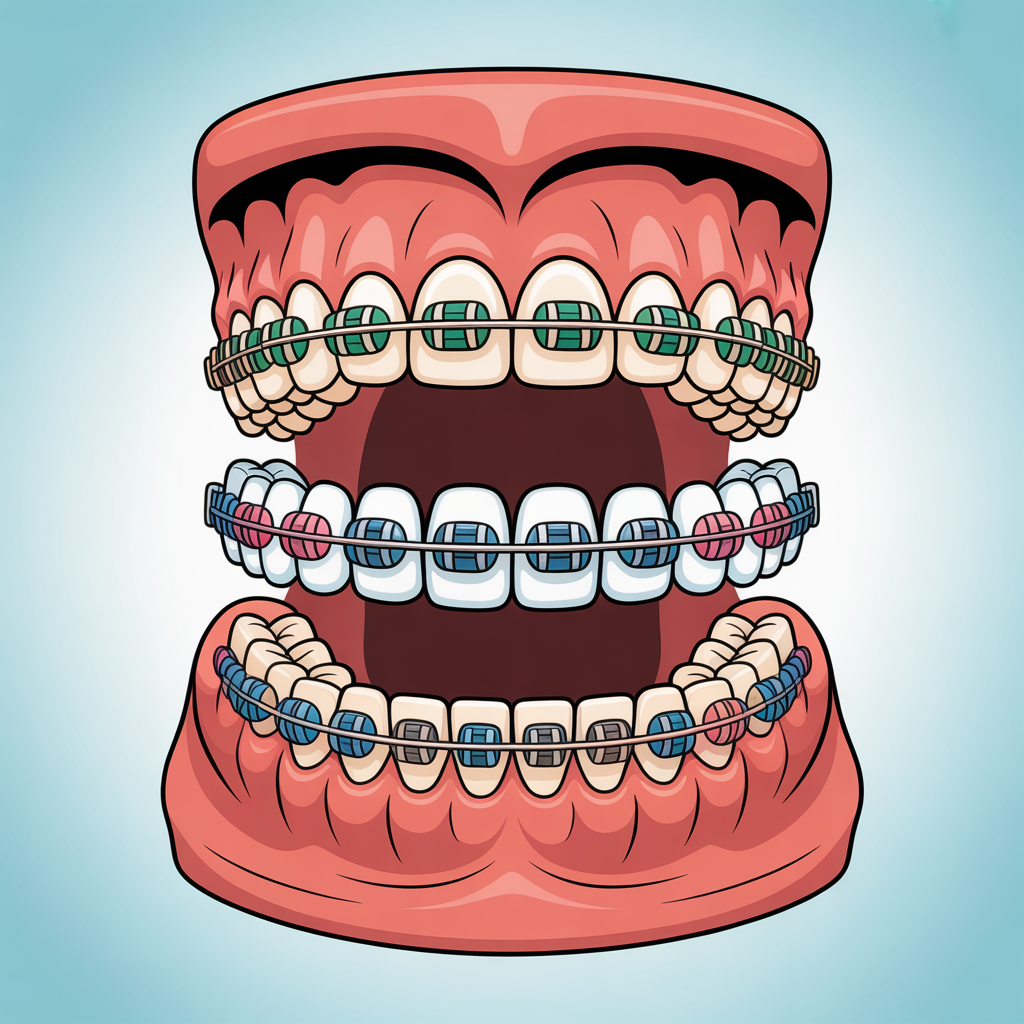
Traditional metal braces remain the most cost-effective option, ranging from $3,000 to $6,000. These time-tested appliances use metal brackets and wires to gradually move teeth into proper alignment. While they’re the most noticeable option, they’re also the most durable and effective for complex orthodontic issues.
Metal braces are ideal for:
- Severe crowding or spacing issues
- Complex bite problems
- Patients seeking the most cost-effective solution
- Children and teenagers who aren’t concerned about aesthetics
Ceramic Braces
Ceramic braces cost between $4,000 and $8,000, making them more expensive than metal braces but offering superior aesthetics. The tooth-colored or clear brackets blend with your natural teeth, making them less noticeable while providing the same effectiveness as metal braces.
The higher cost reflects the more expensive materials and the additional care required during treatment. Ceramic brackets are more prone to staining and may require more frequent replacements.
Lingual Braces
Lingual braces represent the premium option, costing $8,000 to $13,000. Placed on the inside surface of teeth, they’re completely invisible from the outside. The higher cost reflects the specialized training required for orthodontists to place and adjust them, as well as the custom manufacturing process needed for each patient.
Treatment with lingual braces often takes longer than traditional options, contributing to the increased cost through additional appointments and adjustments.
Clear Aligners
Clear aligner systems typically cost between $3,500 and $8,500. The wide price range depends on the complexity of your case, the number of aligners needed, and whether you choose a premium brand or a more affordable alternative.
Factors affecting clear aligner costs include:
- Treatment complexity and duration
- Number of aligner sets required
- Brand selection and technology used
- Additional features like compliance indicators
Key Factors That Influence Braces Cost
Severity of Dental Issues
The complexity of your orthodontic problems significantly impacts treatment cost. Simple alignment issues requiring minor tooth movement typically cost less than complex cases involving severe crowding, spacing, or bite problems.
Simple cases may include:
- Minor crowding or spacing
- Slight rotations
- Minor bite adjustments
Complex cases often involve:
- Severe crowding requiring tooth extraction
- Significant bite problems
- Jaw alignment issues
- Multiple orthodontic problems requiring comprehensive treatment
Geographic Location and Market Factors
Your location dramatically affects orthodontic costs. Major metropolitan areas like New York, Los Angeles, and Chicago typically have the highest prices due to increased overhead costs and higher demand for services.
Regional variations include:
- Northeast and West Coast: Highest costs, often 20-30% above national average
- South and Midwest: More moderate pricing, closer to national averages
- Rural areas: Lowest costs, potentially 10-20% below urban rates
Orthodontist Experience and Qualifications
The orthodontist’s experience, reputation, and qualifications affect pricing. Board-certified orthodontists with extensive experience typically charge more than general dentists offering orthodontic services. However, specialists often provide more efficient treatment and better outcomes.
Factors influencing practitioner costs:
- Board certification in orthodontics
- Years of experience and reputation
- Practice location and overhead expenses
- Technology and equipment investments
Additional Costs to Budget For
Beyond the base cost of braces, several additional expenses should be factored into your budget:
Initial Consultation and Diagnostics
- Consultation fees: $50 – $300
- X-rays and imaging: $100 – $300
- Digital scans and models: $100 – $500
Ongoing Treatment Costs
- Monthly adjustments: $0 – $100 per visit
- Emergency repairs: $100 – $500
- Additional appliances: $200 – $800
Post-Treatment Expenses
- Retainers: $200 – $1,000
- Retainer replacements: $150 – $500 per set
- Follow-up appointments: $50 – $200 per visit
Insurance Coverage for Orthodontic Treatment
Dental Insurance Coverage
Most dental insurance plans provide some orthodontic coverage, typically covering 50% of treatment costs up to a lifetime maximum. Common coverage details include:
- Coverage percentage: 50% of total treatment cost
- Lifetime maximum: $1,000 – $3,000
- Age restrictions: Some plans only cover children under 18
- Waiting periods: 12-24 months before orthodontic benefits activate
Medical Insurance Applications
Medical insurance may cover orthodontic treatment when it’s deemed medically necessary rather than cosmetic. Qualifying conditions include:
- Severe jaw misalignment affecting speech or eating
- Sleep apnea related to jaw positioning
- Traumatic injuries requiring orthodontic correction
- Birth defects affecting oral function
Maximizing Insurance Benefits
To maximize your insurance coverage:
- Verify orthodontic benefits before starting treatment
- Understand your plan’s lifetime maximum and percentage coverage
- Time treatment to maximize calendar year benefits
- Keep detailed records of all treatments and payments
- Consider supplemental orthodontic insurance if available
Payment Options and Financial Solutions
In-House Payment Plans
Most orthodontic practices offer flexible payment plans to make treatment more affordable. Common options include:
- Zero-interest payment plans: Spread costs over 12-24 months without interest
- Extended payment terms: Lower monthly payments over longer periods
- Down payment options: Reduce monthly payments with larger upfront payments
- Family discounts: Reduced rates for multiple family members receiving treatment
Third-Party Financing
Medical financing companies offer loans specifically for healthcare expenses:
- Healthcare credit cards: Special financing terms for medical expenses
- Personal loans: Fixed-rate loans for orthodontic treatment
- Medical financing companies: Specialized lenders offering healthcare loans
Interest rates and terms vary based on credit qualifications, with promotional 0% interest periods often available for qualified applicants.
Flexible Spending Accounts (FSA) and Health Savings Accounts (HSA)
Pre-tax healthcare accounts can significantly reduce orthodontic costs:
- Tax savings: Use pre-tax dollars for treatment expenses
- Annual limits: Plan contributions around treatment timing
- Eligible expenses: Most orthodontic treatments qualify
- Carryover rules: Understand your plan’s use-it-or-lose-it policies
Strategies to Reduce Orthodontic Costs
Alternative Treatment Providers
Several options can provide quality orthodontic care at reduced costs:
- Dental schools: Student treatment under faculty supervision, 30-50% cost savings
- Orthodontic residency programs: Resident treatment with specialist oversight
- Community health centers: Sliding fee scales based on income
- Charitable organizations: Programs providing free or low-cost orthodontic care
Timing Considerations
Strategic timing can reduce orthodontic costs:
- Early treatment: Interceptive orthodontics may prevent more complex issues
- Insurance timing: Coordinate treatment with benefit years
- Seasonal promotions: Many practices offer discounts during slower periods
- Multiple family members: Group treatments often qualify for family discounts

Cost Comparison: Braces vs. Alternative Options
At-Home Alignment Systems
Direct-to-consumer alignment systems offer lower costs but come with significant limitations:
- Cost advantages: $1,200 – $3,000, significantly less than traditional treatment
- Limitations: Only suitable for minor alignment issues
- Risks: Lack of professional oversight may lead to complications
- Long-term considerations: May require additional treatment later
Dental Tourism Considerations
Seeking orthodontic treatment abroad can offer cost savings but requires careful consideration:
- Potential savings: 50-80% cost reduction in some countries
- Quality concerns: Varying standards of care and regulation
- Follow-up challenges: Difficulty with ongoing care and emergencies
- Total cost analysis: Include travel and accommodation expenses
Age-Related Cost Factors
Children vs. Adult Treatment
Treatment timing affects both cost and complexity:
Children’s Orthodontics
- Often less expensive due to simpler corrections needed
- Better insurance coverage for pediatric patients
- Faster treatment times with developing jaws
- Early intervention can prevent complex problems
Adult Orthodontics
- May require additional procedures like tooth extraction
- Longer treatment times increase overall costs
- Limited insurance coverage for adult treatment
- Higher likelihood of needing comprehensive treatment
Frequently Asked Questions
How much do braces cost per month?
Monthly costs typically range from $100 to $300, depending on your payment plan and total treatment cost. Most orthodontists offer interest-free payment plans that divide the total cost over the treatment period.
Are braces covered by insurance?
Many dental insurance plans cover orthodontic treatment, typically providing 50% coverage up to a lifetime maximum of $1,000-$3,000. Coverage varies significantly between plans, so verify your benefits before starting treatment.
Can I get braces for free?
Free braces may be available through dental schools, charitable organizations, community health centers with sliding fee scales, or specific programs for low-income families. Research local options and qualification requirements.
What’s the cheapest type of braces?
Traditional metal braces are typically the most affordable option, costing $3,000-$6,000. They’re also the most effective for complex orthodontic problems.
How can I get affordable braces without insurance?
Consider dental schools, payment plans, healthcare financing, community health centers, or orthodontic residency programs. Many practices also offer cash discounts or family pricing.
Do braces cost more for adults?
Adult treatment may cost more due to increased complexity, longer treatment times, and the potential need for additional procedures. However, the base cost of braces remains similar regardless of age.
Making Your Decision: Next Steps
Understanding the full scope of orthodontic costs helps you make an informed decision about your treatment. The investment in braces extends beyond the financial aspect—you’re investing in improved oral health, enhanced confidence, and long-term dental wellness.
Key takeaways for planning your orthodontic treatment:
- Budget comprehensively: Include all associated costs, not just the base treatment price
- Explore financing options: Take advantage of payment plans, insurance, and pre-tax healthcare accounts
- Consider long-term value: Quality treatment from experienced providers often provides better outcomes
- Time your treatment strategically: Coordinate with insurance benefits and family needs
Before making your final decision, schedule consultations with multiple orthodontists to compare treatment plans and costs. Verify your insurance benefits and explore all available financing options. Remember that the cheapest option isn’t always the best value—focus on finding quality care that fits your budget.
Investing in orthodontic treatment is a decision that will benefit you for years to come. With proper planning and understanding of your options, you can achieve the smile you’ve always wanted while managing the financial investment responsibly.