

White spots on tonsils can be alarming when you first notice them, but they’re actually a common occurrence that affects millions of people worldwide. These white or yellowish patches can appear for various reasons, ranging from simple viral infections to more complex conditions requiring medical attention. Understanding what causes these spots, recognizing accompanying symptoms, and knowing when to seek medical help is crucial for proper treatment and peace of mind. This comprehensive guide will walk you through everything you need to know about white spots on tonsils, empowering you to make informed decisions about your health.
Understanding Tonsils and Their Function
Your tonsils are two oval-shaped masses of lymphoid tissue located at the back of your throat, one on each side. These small but important organs serve as your body’s first line of defense against bacteria, viruses, and other harmful microorganisms that enter through your mouth or nose. Tonsils are part of your lymphatic system and play a crucial role in your immune response.
Healthy tonsils typically appear pink and have a slightly bumpy texture due to the crypts (small pockets) on their surface. They should be relatively small and not obstruct your breathing or swallowing. When tonsils are functioning normally, you may barely notice them.
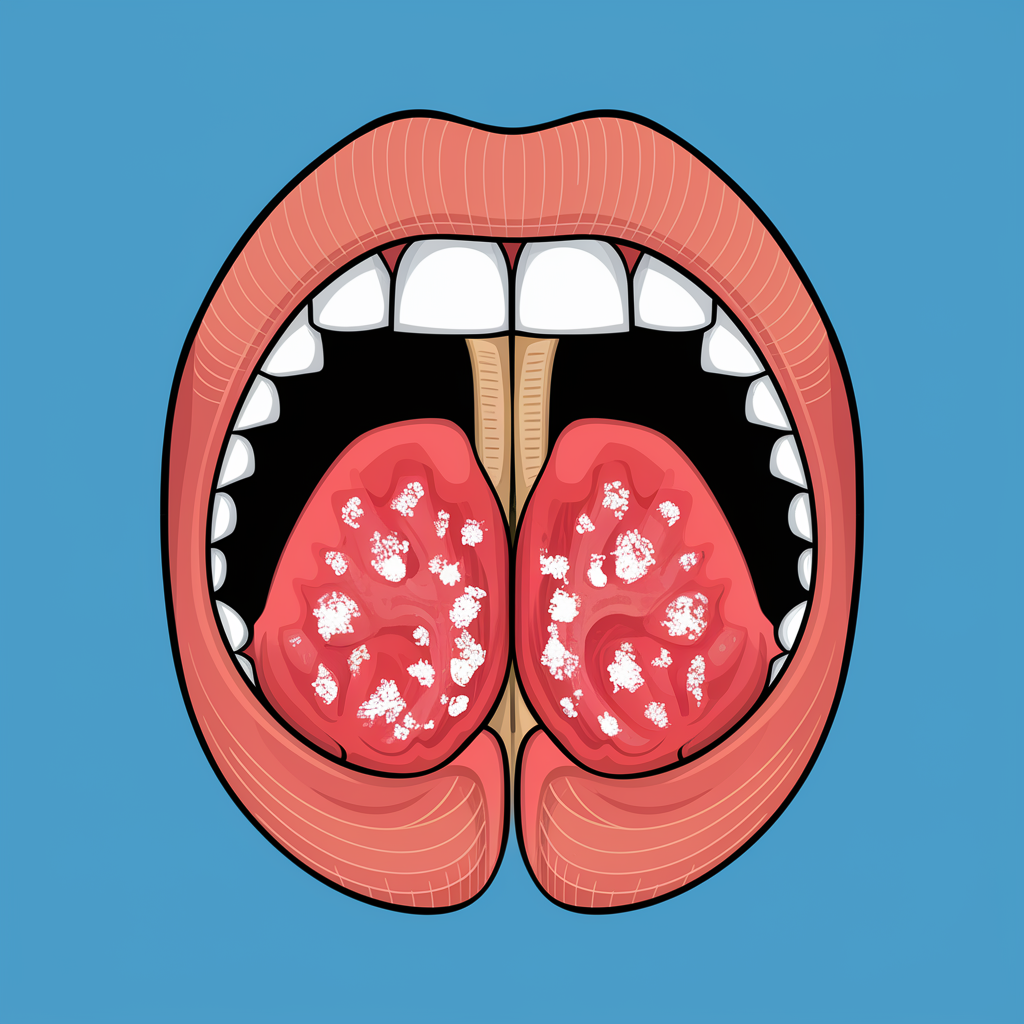
However, when white spots appear on your tonsils, it often indicates that your immune system is actively fighting an infection or dealing with accumulated debris. The white appearance usually results from pus (white blood cells fighting infection), food particles, dead cells, or calcium deposits.
Common Causes of White Spots on Tonsils
Bacterial Infections
Strep throat is one of the most common bacterial causes of white spots on tonsils. Caused by Group A Streptococcus bacteria, strep throat typically produces characteristic white or yellow patches on swollen, red tonsils. The infection develops rapidly and can cause severe throat pain, difficulty swallowing, and systemic symptoms like fever and headache.
Other bacterial infections can also cause white spots, including various forms of bacterial tonsillitis. These infections often require antibiotic treatment and can lead to complications if left untreated.
Viral Infections
Viral tonsillitis is another frequent cause of white spots on tonsils. Common viruses include adenovirus, rhinovirus, and influenza virus. Unlike bacterial infections, viral tonsillitis usually resolves on its own with supportive care.
Mononucleosis, often called “mono,” is caused primarily by the Epstein-Barr virus and can produce prominent white patches on the tonsils. Mono typically affects teenagers and young adults and is characterized by severe fatigue, swollen lymph nodes, and a prolonged recovery period.
Fungal Infections
Oral thrush or candidiasis can cause white patches that may extend to the tonsils. This fungal infection is more common in people with compromised immune systems, those taking certain medications (especially antibiotics), or individuals with diabetes. The white patches from thrush often have a cottage cheese-like appearance and can be wiped away, revealing red, irritated tissue underneath.
Tonsil Stones (Tonsilloliths)
Tonsil stones are small, calcified formations that develop in the crypts of your tonsils. They form when food particles, dead cells, mucus, and bacteria become trapped and calcify over time. These stones appear as white or yellowish spots and can cause bad breath, throat irritation, and difficulty swallowing.
Tonsil stones are more common in adults and people with deep tonsil crypts. While generally harmless, they can be bothersome and may require removal if they become large or symptomatic.
Other Causes
Less common causes include leukoplakia (white patches that may be precancerous), oral cancer (very rare), and post-nasal drip that can cause white debris to accumulate on the tonsils.
Key Symptoms to Watch For
Symptoms Accompanying White Spots
White spots on tonsils rarely appear in isolation. Common accompanying symptoms include:
- Sore throat: Ranging from mild discomfort to severe pain that interferes with swallowing
- Difficulty swallowing: May affect both liquids and solids
- Fever: Often indicates bacterial or viral infection
- Swollen lymph nodes: Particularly in the neck area
- Bad breath: Especially common with tonsil stones
- Ear pain: Due to shared nerve pathways
- Fatigue and malaise: General feeling of being unwell
Red Flag Symptoms
Certain symptoms require immediate medical attention:
- Difficulty breathing or swallowing
- High fever (over 101°F/38.3°C)
- Severe throat pain that prevents swallowing liquids
- Signs of dehydration
- Neck stiffness
- Rash accompanying the throat symptoms
Diagnosis: How Healthcare Providers Identify the Cause
Proper diagnosis is essential for effective treatment. Healthcare providers use several methods to determine the cause of white spots on tonsils:
Physical Examination
Your doctor will examine your throat using a tongue depressor and flashlight, looking for the size, color, and distribution of white spots. They’ll also check for swollen lymph nodes, examine your ears, and assess overall symptoms.
Diagnostic Tests
Rapid strep test: This quick test can detect Group A Streptococcus bacteria within minutes. A throat swab is tested for strep antigens.
Throat culture: If the rapid test is negative but strep is still suspected, a throat culture may be performed. This more comprehensive test takes 24-48 hours but can detect other bacterial causes.
Blood tests: May be ordered if mono is suspected or if systemic infection is a concern.

Treatment Options by Cause
Bacterial Infections Treatment
Bacterial infections like strep throat require antibiotic treatment. Commonly prescribed antibiotics include:
- Penicillin (oral or injection)
- Amoxicillin (especially for children)
- Azithromycin (for penicillin-allergic patients)
- Cephalexin
It’s crucial to complete the entire antibiotic course, even if symptoms improve before finishing the medication. This prevents antibiotic resistance and reduces the risk of complications.
Viral Infections Treatment
Viral infections don’t respond to antibiotics and typically resolve on their own. Treatment focuses on symptom relief:
- Rest and adequate sleep
- Increased fluid intake
- Pain relievers (acetaminophen or ibuprofen)
- Throat lozenges or sprays
- Warm salt water gargles
Fungal Infections Treatment
Oral thrush requires antifungal medications such as:
- Nystatin oral suspension
- Fluconazole tablets
- Clotrimazole lozenges
Improving oral hygiene and addressing underlying risk factors are also important.
Tonsil Stones Treatment
Treatment options for tonsil stones include:
- Conservative management: Regular gargling with salt water
- Manual removal: Using a cotton swab or water pick (with caution)
- Professional removal: By an ENT specialist
- Tonsillectomy: For recurrent, problematic stones
Home Remedies and Self-Care
Safe and Effective Home Treatments
Several home remedies can provide relief and support healing:
Salt water gargles: Mix 1/2 teaspoon of salt in a cup of warm water and gargle several times daily. This helps reduce swelling and flush out debris.
Warm compresses: Apply to the neck area to reduce lymph node swelling and pain.
Hydration: Drink plenty of fluids to keep throat tissues moist and help flush out toxins.
Humidified air: Use a humidifier or breathe steam from a hot shower to soothe irritated throat tissues.
What NOT to Do
Avoid these potentially harmful practices:
- Don’t try to scrape or pick at white spots with objects
- Avoid sharing eating utensils or drinks
- Don’t ignore persistent or worsening symptoms
- Avoid smoking or exposure to secondhand smoke
Prevention Strategies
General Prevention
Preventing white spots on tonsils involves maintaining good overall health and hygiene:
- Hand hygiene: Wash hands frequently with soap and water
- Oral hygiene: Brush teeth twice daily and use mouthwash
- Avoid close contact: Stay away from people with throat infections
- Don’t share personal items: Avoid sharing utensils, cups, or toothbrushes
- Boost immune system: Eat a balanced diet, exercise regularly, and get adequate sleep
Specific Prevention for Tonsil Stones
- Regular gargling with antibacterial mouthwash
- Staying well-hydrated
- Regular dental checkups and cleanings
- Avoiding foods that frequently get stuck in teeth
When to Seek Medical Attention
Immediate Medical Care Needed
Seek emergency medical care if you experience:
- Severe difficulty swallowing or breathing
- High fever with neck stiffness
- Signs of severe dehydration
- Inability to open your mouth fully
- Drooling due to inability to swallow
Routine Medical Consultation
Schedule a doctor’s appointment if:
- White spots persist for more than a few days
- Symptoms worsen despite home treatment
- You have recurrent episodes of white spots
- You’re unsure about the cause
- You have risk factors for complications
Complications and Long-term Considerations
Potential Complications
While most cases of white spots on tonsils resolve without complications, untreated bacterial infections can lead to:
- Rheumatic fever
- Kidney inflammation (post-streptococcal glomerulonephritis)
- Abscess formation
- Spread of infection to surrounding tissues
Long-term Management
For people with recurrent issues, long-term strategies may include:
- Regular follow-ups with healthcare providers
- Consideration of tonsillectomy for chronic problems
- Ongoing preventive measures
- Management of underlying health conditions
Frequently Asked Questions
Are white spots on tonsils always serious?
No, white spots are often harmless and result from minor infections or tonsil stones. However, persistent or severe symptoms warrant medical evaluation.
How long do white spots typically last?
This depends on the cause. Viral infections may resolve in 7-10 days, while bacterial infections improve within 24-48 hours of starting antibiotics.
Can white spots be contagious?
If caused by bacterial or viral infections, yes. Tonsil stones are not contagious.
Is it normal for children vs. adults?
White spots can occur at any age, but strep throat is more common in children, while tonsil stones are more frequent in adults.
Can I remove white spots myself safely?
While gentle gargling is safe, avoid aggressive manipulation. Professional removal is safer for persistent spots.
Conclusion
White spots on tonsils are a common occurrence with various potential causes, from simple viral infections to tonsil stones. While often harmless, proper identification of the underlying cause is essential for appropriate treatment. Most cases respond well to conservative treatment or resolve on their own, but bacterial infections require antibiotic therapy.
The key to managing white spots on tonsils effectively lies in understanding when to seek medical attention and following appropriate treatment guidelines. Preventive measures, including good hygiene and regular healthcare maintenance, can significantly reduce your risk of developing problematic white spots.
Remember that while this guide provides comprehensive information, it doesn’t replace professional medical advice. When in doubt about your symptoms or if you experience severe or persistent symptoms, consult with a healthcare provider for proper diagnosis and treatment. Your health and peace of mind are worth the professional evaluation.