

Acid reflux affects millions of people worldwide, causing uncomfortable symptoms like heartburn, chest pain, and regurgitation. While medication can provide relief, choosing the right beverages plays a crucial role in managing acid reflux symptoms naturally. Understanding what to drink for acid reflux can significantly improve your quality of life and reduce the frequency of uncomfortable episodes.
The beverages you consume can either trigger or soothe acid reflux symptoms, depending on their pH levels, ingredients, and how they interact with your digestive system. Some drinks can relax the lower esophageal sphincter (LES), allowing stomach acid to flow back into the esophagus, while others can help neutralize acid and provide protective benefits to your digestive tract.
In this comprehensive guide, we’ll explore the best drinks for acid reflux relief, identify beverages you should avoid, and provide expert tips for managing GERD symptoms through strategic beverage choices. Whether you’re newly diagnosed with acid reflux or looking for natural ways to complement your current treatment plan, this article will help you make informed decisions about what to drink for optimal digestive health.
Understanding Acid Reflux and How Beverages Affect Your Symptoms
Acid reflux occurs when stomach acid flows backward into the esophagus, the tube connecting your mouth to your stomach. This happens when the lower esophageal sphincter (LES), a ring of muscle that acts as a valve between the esophagus and stomach, becomes weakened or relaxes inappropriately. The result is the characteristic burning sensation known as heartburn, along with other symptoms like regurgitation, chest pain, and difficulty swallowing.
Beverages play a significant role in acid reflux management because they directly interact with your digestive system in several ways. First, the pH level of drinks determines whether they will increase or decrease the acidity in your stomach. The pH scale ranges from 0 to 14, with 7 being neutral. Drinks with a pH below 7 are acidic and can potentially worsen reflux symptoms, while those with a pH above 7 are alkaline and may help neutralize stomach acid.
Temperature also matters when considering what to drink for acid reflux. Very hot beverages can irritate an already inflamed esophagus, while extremely cold drinks might cause the LES to contract suddenly. Room temperature or slightly warm beverages are generally better tolerated by people with acid reflux.
The timing of beverage consumption is equally important. Drinking large amounts of liquid during meals can increase stomach pressure and promote reflux. It’s generally recommended to limit fluid intake during meals and focus on hydration between meals. Additionally, consuming acidic or trigger beverages close to bedtime can worsen nighttime reflux symptoms.
Carbonation presents another challenge for acid reflux sufferers. The bubbles in carbonated beverages can increase pressure in the stomach, forcing the LES to open and allowing acid to escape into the esophagus. Even if a carbonated drink isn’t particularly acidic, the physical effect of carbonation can trigger symptoms.

Best Drinks for Acid Reflux Relief
Herbal Teas (Non-Caffeinated)
Herbal teas are among the best beverages for acid reflux relief, offering both hydration and therapeutic benefits. Unlike regular tea and coffee, most herbal teas are naturally caffeine-free and have soothing properties that can help calm an irritated digestive system.
Ginger tea stands out as one of the most effective herbal remedies for acid reflux. Ginger contains powerful anti-inflammatory compounds called gingerols, which can help reduce inflammation in the esophagus and stomach lining. To prepare ginger tea, steep fresh ginger slices or ginger tea bags in hot water for 5-10 minutes. Start with mild concentrations and gradually increase the strength as tolerated. Ginger tea is best consumed 30 minutes before meals or between meals for optimal benefit.
Chamomile tea offers gentle, soothing effects on the entire digestive tract. This herb has been used for centuries to calm stomach upset and reduce inflammation. Chamomile tea can help relax the muscles in the digestive system and may reduce the production of stomach acid. It’s particularly beneficial when consumed in the evening, as it can also promote better sleep quality, which is important for acid reflux management.
Licorice root tea provides unique benefits for acid reflux sufferers due to its high mucilage content. Mucilage is a gel-like substance that can coat and protect the esophageal lining from acid damage. However, it’s important to choose deglycyrrhizinated licorice (DGL) products to avoid potential side effects associated with glycyrrhizin, such as elevated blood pressure. Pregnant women and people with certain medical conditions should consult their healthcare provider before using licorice root.
Marshmallow root tea works similarly to licorice root, creating a protective coating in the digestive tract. This herb is particularly gentle and well-tolerated by most people. The mucilaginous properties of marshmallow root can help soothe irritated tissues and provide a barrier against stomach acid.
Plant-Based Milks
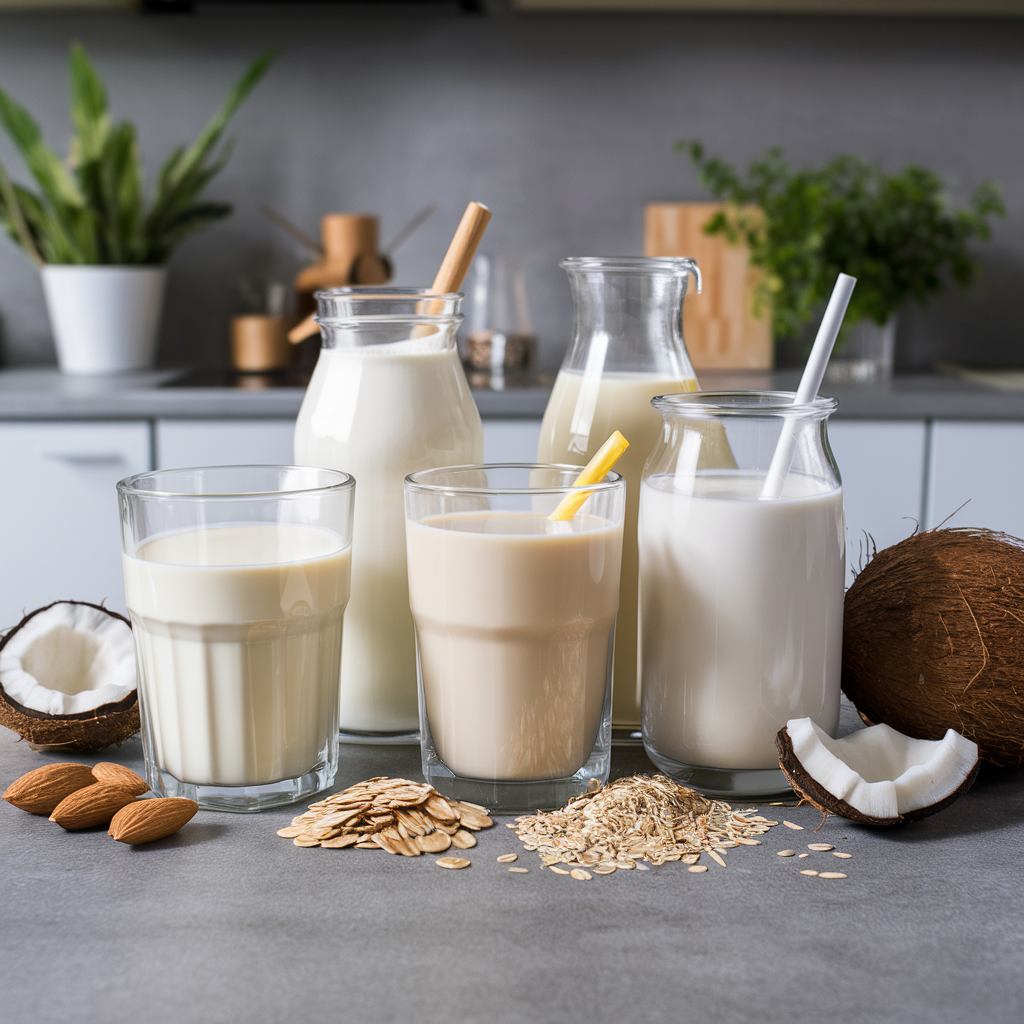
Plant-based milks are excellent alternatives to dairy milk for people with acid reflux, as they tend to be less acidic and don’t contain the proteins and fats that can trigger symptoms in some individuals.
Almond milk is naturally alkaline, with a pH around 8-9, making it an ideal choice for neutralizing stomach acid. Choose unsweetened varieties to avoid added sugars that might worsen symptoms. Almond milk is also low in fat, which is beneficial since high-fat foods can slow digestion and increase the risk of reflux. The smooth texture and mild flavor make it a versatile option for drinking on its own or using in smoothies and cereals.
Oat milk provides additional benefits beyond its neutral pH. The soluble fiber in oat milk can help absorb excess stomach acid and promote healthy digestion. This fiber also helps create a feeling of fullness, which may prevent overeating – a common trigger for acid reflux. Oat milk’s creamy texture makes it a satisfying alternative to dairy milk in coffee and tea, though it’s best to choose caffeine-free options.
Coconut milk contains medium-chain fatty acids that have anti-inflammatory properties. These healthy fats are easier to digest than the long-chain fatty acids found in many other foods, reducing the likelihood of triggering reflux symptoms. Coconut milk also has natural antimicrobial properties that may support overall digestive health.
Alkaline and Low-Acid Beverages
Alkaline water has gained popularity among acid reflux sufferers for its potential to neutralize stomach acid. With a pH typically between 8-10, alkaline water may help balance the body’s pH levels and reduce acid reflux symptoms. However, quality matters when choosing alkaline water. Look for naturally alkaline water or water that has been properly alkalized through electrolysis rather than simply having minerals added for flavor.
Low-acid fruit juices can provide essential nutrients while minimizing reflux triggers. Diluted apple juice, when made from sweet apple varieties, tends to be less acidic than citrus juices. Pear juice is another excellent option, as pears are naturally low in acid and high in fiber. Always dilute fruit juices with water to further reduce acidity and sugar content. A 1:1 ratio of juice to water is often well-tolerated.
Coconut water is naturally alkaline and provides essential electrolytes without the high sugar content of many sports drinks. The potassium in coconut water may help regulate stomach acid production and support overall digestive health. Choose pure coconut water without added flavors or sweeteners for the best results.
Bone broth offers unique healing properties for the digestive tract. Rich in collagen, amino acids, and minerals, bone broth can help repair and strengthen the gut lining. The warm temperature and nourishing properties make it an excellent choice for soothing an irritated esophagus. Choose low-sodium versions or make your own to control the salt content.
Other Beneficial Drinks
Room temperature water remains the gold standard for hydration and acid reflux management. Proper hydration helps dilute stomach acid and supports overall digestive function. Room temperature water is less likely to shock the digestive system compared to very cold or hot water. Aim to drink water between meals rather than during meals to avoid increasing stomach pressure.
Diluted vegetable juices can provide essential nutrients while being gentle on the digestive system. Carrot juice is naturally sweet and low in acid, making it a good choice when diluted with water. Celery juice has gained attention for its potential digestive benefits, though it should also be diluted and consumed in moderation. Always choose fresh, organic vegetables when possible and avoid adding salt or acidic ingredients.
Drinks to Avoid with Acid Reflux
High-Acid Beverages
Understanding which drinks to avoid is just as important as knowing what to drink for acid reflux. High-acid beverages can directly irritate the esophagus and increase stomach acid production, leading to more frequent and severe symptoms.
Citrus juices are among the most problematic beverages for acid reflux sufferers. Orange juice has a pH of around 3.3-4.2, making it highly acidic. Grapefruit juice is even more acidic, with a pH around 3.0-3.3. Lemon juice, while often touted for its health benefits, has a pH of about 2.0-2.6, making it extremely acidic. Even small amounts of these juices can trigger symptoms in sensitive individuals. The high vitamin C content, while beneficial for general health, can also increase stomach acid production.
Tomato-based drinks like V8 juice and straight tomato juice are surprisingly acidic, with pH levels around 4.0-4.6. Tomatoes contain both citric acid and malic acid, which can irritate an already sensitive esophagus. Additionally, many commercial tomato juices are high in sodium, which can worsen acid reflux symptoms in some people.
Caffeinated Beverages
Coffee poses a double threat for acid reflux sufferers. Not only is coffee naturally acidic (pH 4.85-5.10), but caffeine also relaxes the lower esophageal sphincter, making it easier for stomach acid to escape into the esophagus. Dark roast coffees tend to be slightly less acidic than light roasts, but the caffeine content remains problematic. For coffee lovers unwilling to give up their morning ritual completely, consider cold brew coffee, which tends to be less acidic, or limit consumption to small amounts early in the day.
Black and green tea contain varying amounts of caffeine and tannins, both of which can trigger acid reflux symptoms. Black tea typically contains 40-70mg of caffeine per cup, while green tea contains 25-50mg. The tannins in tea can also increase stomach acid production. Herbal teas are a much better alternative for people with acid reflux.
Energy drinks are particularly problematic due to their high caffeine content (often 50-300mg per serving) combined with high acidity levels. Many energy drinks have pH levels below 3.0, making them extremely acidic. The combination of caffeine, acid, and often carbonation creates a perfect storm for triggering reflux symptoms.
Carbonated Drinks
Soda and soft drinks present multiple problems for acid reflux sufferers. Most sodas are highly acidic, with pH levels between 2.4-4.0. Coca-Cola, for example, has a pH of about 2.5, making it nearly as acidic as stomach acid itself. The carbonation increases pressure in the stomach, forcing the LES to open and allowing acid to escape. Additionally, many sodas contain caffeine, creating an additional trigger mechanism.
Sparkling water may seem like a healthier alternative to soda, but the carbonation can still be problematic for some acid reflux sufferers. While plain sparkling water doesn’t have the added acid from flavoring or sweeteners, the bubbles alone can increase stomach pressure and trigger symptoms in sensitive individuals. If you enjoy sparkling water, try allowing it to go slightly flat before drinking, or limit consumption to small amounts.
Alcoholic Beverages
Wine affects acid reflux through multiple mechanisms. Alcohol relaxes the LES, making reflux more likely to occur. Red wine tends to be more acidic than white wine, with pH levels around 3.3-3.8, while white wine typically ranges from 3.1-3.4. Wine also contains sulfites, which can trigger symptoms in sensitive individuals. The tannins in red wine may provide some antioxidant benefits, but these don’t outweigh the negative effects for acid reflux sufferers.
Beer and spirits also relax the LES and can increase stomach acid production. Beer has a pH around 4.0-5.0, making it moderately acidic. The carbonation in beer adds another trigger mechanism. Hard liquors, while not acidic themselves, can irritate the esophageal lining and significantly relax the LES. Mixed drinks often combine alcohol with acidic mixers like citrus juices, creating multiple trigger factors.
Other Problematic Drinks
Chocolate-based beverages like hot chocolate and chocolate milk contain compounds that can relax the LES and trigger acid reflux. Chocolate contains caffeine, theobromine, and fat – all of which can contribute to reflux symptoms. The high sugar content in many chocolate drinks can also worsen symptoms.
Mint teas, particularly peppermint tea, can actually worsen acid reflux symptoms despite their reputation for soothing digestive issues. Peppermint relaxes the LES, making it easier for stomach acid to escape into the esophagus. Spearmint has similar effects, though typically to a lesser degree. While mint may provide temporary relief from nausea, it’s generally not recommended for people with acid reflux.
Expert Tips for Managing GERD with Beverages
Timing Strategies
The timing of when you consume beverages can be just as important as what you drink for acid reflux management. During meals, it’s best to limit fluid intake to small sips as needed. Large amounts of liquid can increase stomach volume and pressure, making reflux more likely to occur. Instead, focus on staying well-hydrated between meals.
Aim to drink most of your daily fluids 30-60 minutes before meals or at least 2-3 hours after eating. This timing allows your stomach to empty properly without the added pressure from excess fluid. For evening consumption, establish a cut-off time at least 2-3 hours before bedtime to prevent nighttime reflux symptoms.
If you take medications for acid reflux, timing your beverage consumption around medication schedules can optimize effectiveness. For example, if you take proton pump inhibitors (PPIs), drinking alkaline water or herbal tea 30-60 minutes after taking your medication may provide additional symptom relief.
Preparation Methods
How you prepare and consume beverages can significantly impact their effect on acid reflux symptoms. Temperature plays a crucial role – room temperature or slightly warm beverages are generally better tolerated than very hot or ice-cold drinks. When preparing herbal teas, allow them to cool to a comfortable drinking temperature before consuming.
Dilution is an effective strategy for reducing the acidity of potentially problematic beverages. If you occasionally want to enjoy a small amount of fruit juice, dilute it with water in a 1:1 or 1:2 ratio. This reduces both the acidity and sugar content while still providing some flavor and nutrients.
When preparing homemade beverages, avoid adding acidic ingredients like lemon juice or vinegar. Instead, enhance flavor with gentle herbs like ginger, chamomile, or a small amount of honey if tolerated. Always taste-test new beverage combinations in small amounts to assess your individual tolerance.
Portion Control and Hydration Balance
Portion control is essential when managing acid reflux through beverage choices. Even beneficial drinks can cause problems if consumed in large quantities. Start with 4-6 ounces of any new beverage to test your tolerance, gradually increasing the amount as symptoms permit.
Take small, frequent sips rather than drinking large amounts quickly. This approach reduces the likelihood of overwhelming your digestive system and allows you to better gauge how different beverages affect your symptoms. Keep a water bottle nearby for regular hydration throughout the day, but remember to sip slowly and steadily.
Meeting your daily hydration needs while managing acid reflux requires strategic planning. Most adults need 8-10 cups of fluid daily, but this should come primarily from water and other non-triggering beverages. Track your fluid intake to ensure you’re meeting hydration goals without overwhelming your digestive system.

Additional Natural Management Strategies
While choosing the right beverages is crucial for acid reflux management, combining drink choices with other natural strategies can provide more comprehensive symptom relief. Dietary modifications that complement your beverage choices include eating smaller, more frequent meals and avoiding trigger foods like spicy, fatty, or highly processed items.
Certain foods can enhance the benefits of reflux-friendly beverages. For example, eating a small amount of ginger candy or crystallized ginger along with ginger tea may provide additional anti-inflammatory benefits. Consuming probiotic-rich foods like yogurt (if dairy is tolerated) or fermented vegetables can support overall digestive health and may enhance the effectiveness of soothing beverages.
Lifestyle factors play a significant role in acid reflux management. Maintaining a healthy weight reduces pressure on the stomach and LES, making reflux less likely regardless of what you drink. Sleep positioning is also important – elevating the head of your bed 6-8 inches can help prevent nighttime reflux symptoms.
Stress reduction techniques like meditation, deep breathing exercises, or gentle yoga can help manage acid reflux symptoms. Stress can increase stomach acid production and affect digestion, so incorporating stress management alongside strategic beverage choices creates a more comprehensive approach to symptom control.
Regular physical activity, particularly gentle exercises like walking after meals, can aid digestion and reduce the likelihood of reflux symptoms. However, avoid vigorous exercise immediately after drinking large amounts of fluid, as this can increase the risk of reflux during physical activity.
When to Seek Medical Advice
While natural beverage strategies can be highly effective for managing mild to moderate acid reflux symptoms, it’s important to recognize when professional medical evaluation is necessary. Seek immediate medical attention if you experience severe chest pain, difficulty swallowing, persistent vomiting, or signs of bleeding such as black stools or vomiting blood.
Chronic acid reflux that doesn’t respond to dietary and lifestyle modifications may indicate gastroesophageal reflux disease (GERD), which requires medical management. If you’re experiencing symptoms more than twice a week, or if symptoms interfere with your daily activities despite following natural management strategies, consult with a healthcare provider.
When working with healthcare providers, discuss your beverage choices and any patterns you’ve noticed between what you drink and your symptoms. Keep a detailed symptom diary that includes information about timing, beverages consumed, and symptom severity. This information can help your doctor develop a more targeted treatment approach.
Be aware of potential interactions between natural beverages and medications. For example, grapefruit juice can interact with many medications, and some herbal teas may enhance or interfere with prescription drugs. Always inform your healthcare provider about any herbal remedies or significant dietary changes you’re implementing.
Frequently Asked Questions
Can I drink coffee if I have acid reflux?
Coffee is generally not recommended for people with acid reflux due to its acidity and caffeine content, both of which can trigger symptoms. If you must have coffee, try cold brew varieties, which tend to be less acidic, limit consumption to small amounts early in the day, and consider adding plant-based milk to reduce acidity. However, many people find that eliminating coffee completely provides the best symptom relief.
Is it safe to drink alkaline water every day?
Alkaline water can be safely consumed daily by most people and may provide benefits for acid reflux sufferers. However, extremely high pH water (above 10) should be consumed in moderation, as it may interfere with normal stomach acid production needed for digestion. Choose naturally alkaline water or properly ionized water with a pH between 8-9 for daily consumption.
How long after eating should I wait to drink?
It’s best to limit fluid intake during meals and wait at least 30-60 minutes after eating before drinking large amounts of liquid. This allows your stomach to begin emptying and reduces the pressure that can contribute to reflux symptoms. Small sips during meals are generally acceptable if needed.
Are there any herbal teas I should avoid?
Yes, avoid peppermint and spearmint teas, as these can relax the lower esophageal sphincter and worsen reflux symptoms. Also be cautious with very hot teas, which can irritate an already inflamed esophagus. Stick to mild, non-caffeinated herbal teas like chamomile, ginger, or marshmallow root for the best results.
Can drinking too much water worsen acid reflux?
Drinking large amounts of water, especially during meals, can increase stomach pressure and potentially worsen reflux symptoms. However, proper hydration between meals is important for overall digestive health. Focus on steady, moderate fluid intake throughout the day rather than consuming large amounts at once.
What’s the best drink to have first thing in the morning?
Room temperature water or warm ginger tea are excellent choices for morning consumption. These beverages help with hydration after the overnight fast without triggering acid production. Avoid acidic juices, coffee, or very cold beverages first thing in the morning, as these can shock your digestive system.
How do I know if a drink is triggering my symptoms?
Keep a detailed symptom diary that tracks what you drink, when you drink it, and any symptoms that follow. Note the timing, severity, and duration of symptoms. Patterns typically emerge within 1-2 weeks of consistent tracking. If you suspect a particular beverage is triggering symptoms, eliminate it for a few days and then reintroduce it to confirm the connection.
Conclusion
Managing acid reflux through strategic beverage choices is a powerful tool that can significantly improve your quality of life and reduce uncomfortable symptoms. The key is understanding that what you drink matters just as much as what you eat when it comes to digestive health. By choosing alkaline and neutral beverages like herbal teas, plant-based milks, and room temperature water, while avoiding acidic, caffeinated, and carbonated drinks, you can take control of your acid reflux symptoms naturally.
Remember that individual tolerance varies, and what works for one person may not work for another. The most effective approach involves careful observation of your body’s responses to different beverages and adjusting your choices accordingly. Start by eliminating the most common trigger drinks and gradually introducing beneficial options, paying close attention to timing, portion sizes, and preparation methods.
Combining smart beverage choices with other natural management strategies – including proper meal timing, stress reduction, and lifestyle modifications – creates a comprehensive approach to acid reflux management. While these natural strategies can be highly effective, don’t hesitate to seek medical advice if symptoms persist or worsen. With patience, consistency, and the right combination of beverages and lifestyle choices, most people can successfully manage their acid reflux symptoms and enjoy better digestive health.