

Discovering skin peeling off the bottom of your feet can be both uncomfortable and concerning. This common condition affects millions of people and can range from a minor inconvenience to a sign of an underlying health issue. Whether you’re dealing with dry, flaking skin or more extensive peeling, understanding the root causes can help you determine the best course of action. In this comprehensive guide, we’ll explore the most common reasons why foot skin peels, when to be concerned, and practical steps you can take to address this issue. Most cases of foot skin peeling are treatable and not serious, so let’s dive into what might be causing your symptoms.
Understanding Foot Skin Peeling
Foot skin peeling occurs when the outer layer of skin on your feet sheds more rapidly or extensively than normal. This process, medically known as desquamation, can affect various areas of your feet, including the soles, heels, toes, and spaces between toes. The skin on our feet naturally renews itself approximately every 28 days, but certain conditions can accelerate or disrupt this process.
Normal skin shedding is typically microscopic and goes unnoticed. However, when peeling becomes visible, it often appears as flakes, scales, or larger sheets of skin coming off. The peeling may be accompanied by other symptoms such as itching, burning, redness, or pain, which can provide important clues about the underlying cause.
It’s important to distinguish between normal skin renewal and problematic peeling. Concerning signs include peeling accompanied by severe itching, foul odor, bleeding, pus, fever, or pain that interferes with walking. Additionally, if the peeling spreads rapidly, recurs frequently, or doesn’t improve with basic care measures, it may indicate a condition that requires professional medical attention.
Most Common Causes of Foot Skin Peeling
Dry Skin (Xerosis)
Dry skin is one of the most frequent culprits behind foot skin peeling. When your feet lack adequate moisture, the skin becomes tight, flaky, and prone to cracking and peeling. This condition is particularly common during winter months when indoor heating reduces humidity levels, or in dry climates where moisture evaporates quickly from the skin.
Several factors contribute to foot dryness, including age-related changes in skin structure, excessive washing with harsh soaps, hot showers, and certain medical conditions that affect skin hydration. Signs of dry skin include rough texture, visible flakes, tightness, and sometimes small cracks that can be painful.
Fungal Infections
Fungal infections, particularly athlete’s foot, are another leading cause of foot skin peeling. These infections thrive in warm, moist environments and can cause significant skin shedding along with itching, burning, and sometimes a distinct odor. The fungus breaks down the outer layer of skin, leading to peeling that often starts between the toes and can spread to other areas of the foot.
Risk factors for fungal infections include walking barefoot in public areas like pools or locker rooms, wearing tight or non-breathable shoes, having sweaty feet, and having a compromised immune system. The peeling caused by fungal infections is typically accompanied by intense itching and may have a white, scaly appearance.
Excessive Moisture and Maceration
Paradoxically, too much moisture can also cause skin peeling. When feet remain wet for extended periods, the skin becomes soft and waterlogged, a condition called maceration. This weakens the skin barrier and makes it more prone to peeling and breakdown.
Common scenarios leading to excessive moisture include wearing wet socks or shoes, having hyperhidrosis (excessive sweating), working in wet conditions, or not properly drying feet after bathing. The affected skin often appears white, wrinkled, and feels soft to the touch before beginning to peel.
Friction and Mechanical Irritation
Physical irritation from ill-fitting shoes, repetitive activities, or sports can cause the skin on your feet to peel. When shoes are too tight, too loose, or made from rough materials, they create friction that damages the skin surface. This is particularly common among athletes, people who walk or stand for extended periods, or those who wear new shoes without proper break-in periods.
Blisters often form as a result of friction, and when they heal, the overlying skin may peel off. Calluses, which develop as protective responses to repeated pressure, can also lead to peeling when they become thick and eventually shed.
Other Potential Causes
Contact Dermatitis
Contact dermatitis occurs when your feet react to substances they come into contact with. This can be either allergic contact dermatitis, where your immune system responds to a specific allergen, or irritant contact dermatitis, caused by harsh chemicals or materials.
Common triggers include rubber or latex in shoes, leather dyes, adhesives, cleaning products, soaps, or topical treatments. The reaction typically causes redness, swelling, and eventual peeling of the affected skin. Identifying and avoiding the trigger substance is crucial for preventing future episodes.
Eczema (Atopic Dermatitis)
Eczema can affect the feet, causing chronic inflammation that leads to skin peeling. This condition often runs in families and is associated with allergies and asthma. Foot eczema typically presents as red, itchy patches that become dry and flaky, eventually leading to peeling skin.
The condition may flare up in response to stress, certain fabrics, temperature changes, or allergens. Managing eczema requires consistent skincare and sometimes professional treatment to control inflammation.
Psoriasis
Plantar psoriasis affects the soles of the feet and can cause significant skin peeling. This autoimmune condition accelerates skin cell production, leading to thick, scaly patches that eventually shed. Unlike other causes of peeling, psoriatic lesions often have well-defined borders and may appear silvery-white.
Psoriasis can be triggered by stress, infections, certain medications, or skin injuries. Family history plays a significant role in developing this condition.
Chemical Burns or Reactions
Exposure to harsh chemicals can cause chemical burns that result in skin peeling. This might occur from using strong cleaning products without proper protection, exposure to pool chemicals, or adverse reactions to over-the-counter treatments applied too aggressively.
Chemical-induced peeling is often accompanied by burning sensations, redness, and sometimes blistering. The severity depends on the chemical involved and the duration of exposure.
Less Common but Serious Causes
Autoimmune Conditions
Certain autoimmune conditions can cause skin peeling on the feet. Kawasaki disease, though more common in children, can cause peeling of the skin on hands and feet. Other systemic autoimmune conditions may also manifest with skin symptoms including peeling.
These conditions often present with additional symptoms beyond skin peeling, such as fever, joint pain, or other systemic signs that require immediate medical attention.
Nutritional Deficiencies
Severe nutritional deficiencies, particularly deficiencies in vitamins A, B, C, or zinc, can affect skin health and lead to abnormal peeling. Protein malnutrition can also compromise skin integrity and healing processes.
While nutritional deficiencies are less common in developed countries, they can occur in people with restrictive diets, absorption disorders, or certain chronic illnesses.
Risk Factors and Contributing Elements
Lifestyle Factors
Several lifestyle choices can increase your risk of developing foot skin peeling. Poor foot hygiene, such as infrequent washing or not drying feet properly, creates conditions favorable for bacterial or fungal growth. Wearing the same shoes daily without allowing them to dry completely can also contribute to moisture-related skin problems.
Athletic activities, particularly those involving prolonged moisture exposure or repetitive motions, can increase the risk of both friction-related and infection-related peeling. People who participate in swimming, running, or other sports may be more susceptible to these issues.
Environmental Factors
Climate and seasonal changes significantly impact foot skin health. Cold, dry winter air can lead to excessive dryness and peeling, while hot, humid conditions may promote fungal growth. Air conditioning and heating systems that reduce humidity can exacerbate dry skin conditions.
Occupational exposures, such as working in wet environments, exposure to chemicals, or jobs requiring prolonged standing or walking, can also contribute to foot skin problems.
Health Conditions
Certain medical conditions increase the risk of foot skin peeling. Diabetes can affect circulation and immune function, making feet more susceptible to infections and slower healing. Immune system disorders can reduce the body’s ability to fight off fungal or bacterial infections.
People with pre-existing skin conditions like eczema or psoriasis are more likely to experience foot-related skin problems. Additionally, conditions that affect circulation, such as peripheral artery disease, can compromise skin health.
When to See a Healthcare Provider
Warning Signs Requiring Immediate Attention
Certain symptoms accompanying foot skin peeling require immediate medical attention. These include signs of serious infection such as fever, red streaking extending up the leg, pus or discharge with a foul odor, or severe pain that prevents walking.
If you have diabetes and notice any foot skin changes, it’s particularly important to seek prompt medical care, as diabetic individuals are at higher risk for serious foot complications.
Symptoms Warranting Medical Consultation
You should consider consulting a healthcare provider if your foot skin peeling persists despite proper home care measures, covers a large area of your feet, or is accompanied by severe itching, burning, or pain. Recurring episodes of peeling, especially if they’re associated with other symptoms, also warrant professional evaluation.
Additionally, if you’re unsure about the cause of your foot peeling or if it’s affecting your daily activities, seeking medical guidance can provide peace of mind and appropriate treatment recommendations.
Who to See
For most cases of foot skin peeling, your primary care physician can provide initial evaluation and treatment recommendations. They can assess your symptoms, review your medical history, and determine if further specialized care is needed.
Dermatologists specialize in skin conditions and may be recommended for complex or persistent cases. Podiatrists focus specifically on foot and ankle health and can be particularly helpful for recurring foot problems or when the peeling is related to structural foot issues.
Prevention Strategies
Proper Foot Hygiene
Maintaining good foot hygiene is fundamental to preventing skin peeling. This involves washing your feet daily with mild soap and lukewarm water, being sure to clean between your toes where moisture and bacteria can accumulate. After washing, thoroughly dry your feet, paying special attention to the spaces between toes.
Choose gentle, fragrance-free soaps that won’t strip your skin of natural oils. Avoid using harsh scrubbing tools or abrasive products that can damage the skin barrier and increase susceptibility to problems.
Moisture Management
Balancing moisture levels is crucial for healthy foot skin. Apply a quality foot moisturizer daily, focusing on dry areas like heels and soles, but avoid applying moisturizer between toes where excess moisture can promote fungal growth.
For those with sweaty feet, consider using moisture-wicking socks made from synthetic materials or merino wool, and change socks daily or more frequently if they become damp. Antifungal powders can help keep feet dry and reduce the risk of fungal infections.
Footwear Considerations
Proper footwear plays a vital role in preventing foot skin problems. Ensure your shoes fit correctly – not too tight or too loose – and are made from breathable materials when possible. Leather and canvas allow better air circulation than synthetic materials.
Rotate your shoes daily to allow them to dry completely between wears. Consider having at least two pairs of shoes to alternate. For athletes or people with active lifestyles, sport-specific shoes with proper support and moisture-wicking properties are essential.
Basic Home Care and Management
Immediate Care Steps
When dealing with peeling foot skin, gentle care is essential. Avoid the temptation to aggressively peel or pick at loose skin, as this can lead to injury and potential infection. Instead, after bathing when the skin is soft, gently remove only loose, dead skin with a soft towel or pumice stone.
Keep the affected area clean and dry, and avoid walking barefoot in public areas to prevent additional infections. If there are any open areas from peeling, keep them covered with clean, breathable bandages.
Moisturizing Strategies
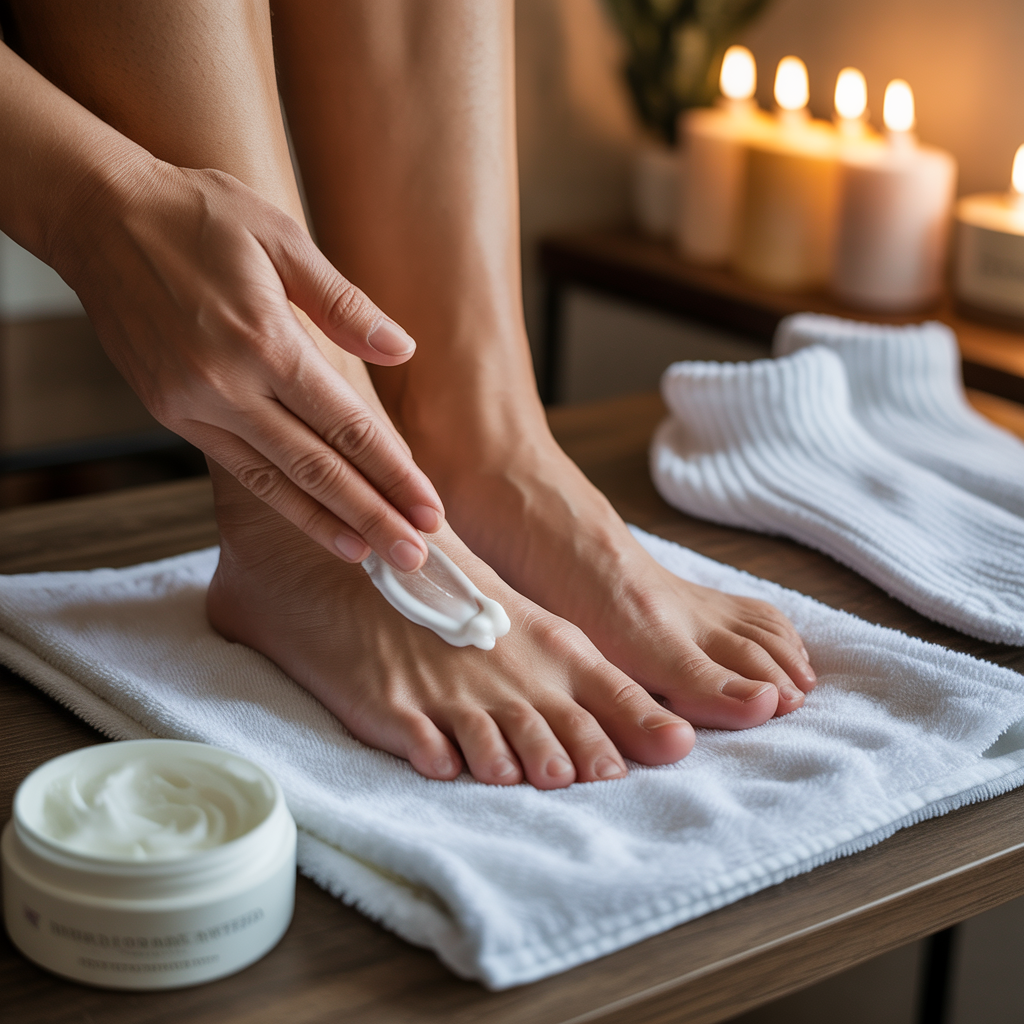
Effective moisturizing can help restore the skin barrier and reduce peeling. Look for moisturizers containing ingredients like ceramides, hyaluronic acid, or urea, which help retain moisture in the skin. Apply moisturizer to slightly damp skin to help lock in hydration.
For severely dry feet, consider using thicker ointments or creams at night, and wear cotton socks to help the product absorb and prevent it from rubbing off on bedding.
Over-the-Counter Treatments
Several over-the-counter options may help with foot skin peeling, depending on the underlying cause. For suspected fungal infections, antifungal creams or powders may be beneficial, though it’s important to use them as directed and for the full recommended duration.
Gentle exfoliating products containing alpha-hydroxy acids or urea can help remove dead skin and promote healthy skin renewal, but should be used sparingly and according to package directions to avoid irritation.
Conclusion
Skin peeling off the bottom of your feet is a common condition with numerous potential causes, ranging from simple dry skin to fungal infections and other underlying health issues. While most cases are not serious and can be effectively managed with proper care and lifestyle adjustments, understanding the specific cause of your foot peeling is important for choosing the most appropriate treatment approach.
The key to addressing foot skin peeling lies in identifying the underlying cause and implementing targeted prevention and treatment strategies. Simple measures such as maintaining proper foot hygiene, managing moisture levels, wearing appropriate footwear, and using suitable moisturizing products can go a long way in preventing and treating most cases of foot skin peeling.
Remember that persistent, severe, or recurring foot skin peeling warrants professional medical evaluation. Healthcare providers can properly diagnose the underlying cause and recommend specific treatments tailored to your situation. Don’t hesitate to seek medical advice, especially if you have diabetes, immune system issues, or if your symptoms are interfering with your daily activities.
With the right approach and consistent care, most people can successfully manage foot skin peeling and maintain healthy, comfortable feet. Take action by implementing the prevention strategies discussed, and consult with a healthcare professional when needed to ensure the best possible outcome for your foot health.