

Foot reflexology is an ancient healing practice that has gained significant popularity in modern wellness circles. This therapeutic technique involves applying pressure to specific points on the feet, which are believed to correspond to different organs and systems throughout the body. Whether you’re seeking natural pain relief, stress reduction, or overall wellness enhancement, understanding foot reflexology can open doors to a powerful self-care practice that has been trusted for thousands of years.
What is Foot Reflexology?
Foot reflexology is a non-invasive therapeutic practice that involves applying controlled pressure to specific reflex points on the feet. Unlike a regular foot massage that focuses primarily on muscle relaxation, reflexology is based on the theory that these reflex points correspond to different organs, glands, and systems throughout the body.
The practice has ancient roots, with evidence of reflexology-like techniques found in Egyptian tomb paintings dating back to 2330 BCE. Traditional Chinese medicine has also incorporated similar concepts for over 3,000 years, believing that energy pathways called meridians connect the feet to various body parts.
Modern reflexology was developed in the early 20th century by Dr. William Fitzgerald, who introduced the concept of “zone therapy.” This was later refined by physiotherapist Eunice Ingham, who mapped the feet in greater detail and established the foundation for contemporary reflexology practices.
How Foot Reflexology Works
The fundamental principle behind foot reflexology is that the feet contain a complete map of the body. Practitioners believe that applying pressure to specific reflex points can stimulate corresponding organs and promote healing throughout the body. The feet are divided into zones and areas that mirror the body’s anatomy, with the toes representing the head and neck, the ball of the foot corresponding to the chest and lung area, and the heel relating to the pelvis and lower back.
From a scientific perspective, reflexology may work through several mechanisms. Pressure applied to nerve endings in the feet can stimulate the nervous system, potentially triggering the release of endorphins and promoting relaxation. The practice may also improve circulation and activate the body’s natural healing processes through the gate control theory of pain management.
Understanding Foot Reflexology Pressure Points
Learning to identify and locate pressure points is crucial for effective foot reflexology practice. The foot reflexology chart serves as a roadmap, showing the precise locations of reflex points that correspond to different body systems and organs.
Foot Reflexology Chart and Mapping
A comprehensive foot reflexology chart divides each foot into specific zones and areas. The right foot primarily corresponds to the right side of the body, while the left foot relates to the left side. However, some organs that are centrally located, such as the spine, are represented on both feet.
The zone theory divides the body into ten vertical zones, five on each side, running from the head to the toes. Each toe represents one zone, with the big toe corresponding to zone one and the little toe to zone five. This systematic approach helps practitioners locate reflex points accurately.
Key Pressure Points by Body System
Head and Brain Reflex Points: Located primarily on the big toes, these points correspond to the brain, pituitary gland, and head regions. The tip of the big toe represents the brain, while areas around the nail correspond to the sinuses.
Respiratory System Points: Found mainly on the ball of the foot, just below the toes. The area under the big toe relates to the lungs and bronchi, while points near the base of the toes correspond to the throat and neck.
Digestive System Points: The arch area of the foot contains reflex points for digestive organs. The stomach point is located on the left foot’s inner arch, while the liver point is found on the right foot’s outer edge.
Cardiovascular System Points: Heart reflex points are primarily located on the left foot, in the area just below the ball of the foot and slightly toward the inner edge.
Reproductive System Points: These points are found around the ankle area and the heel. The ovaries or testes points are located on the outer side of the foot, while the uterus or prostate points are on the inner ankle area.
How to Locate Pressure Points
Accurate point location requires understanding anatomical landmarks and using finger-width measurements. The width of your thumb or the distance between finger joints can serve as measuring units. Start by identifying major landmarks like the ball of the foot, the arch, and the heel, then use the reflexology chart to pinpoint specific areas.
Common beginner mistakes include applying too much pressure initially, working too quickly through points, and neglecting to maintain consistent contact with the reflex areas. Take time to familiarize yourself with the foot’s geography before attempting full sessions.
Step-by-Step Foot Reflexology Techniques
Preparation
Creating the right environment is essential for effective reflexology. Choose a quiet, comfortable space with adequate lighting and ventilation. You’ll need a comfortable chair or recliner, clean towels, and optional items like reflexology charts, essential oils, or specialized tools.
Proper positioning involves either sitting comfortably with the foot resting on your opposite thigh or having someone else perform the technique while you lie down. Ensure both the practitioner and recipient are comfortable, as sessions can last 30-60 minutes.
Basic Techniques
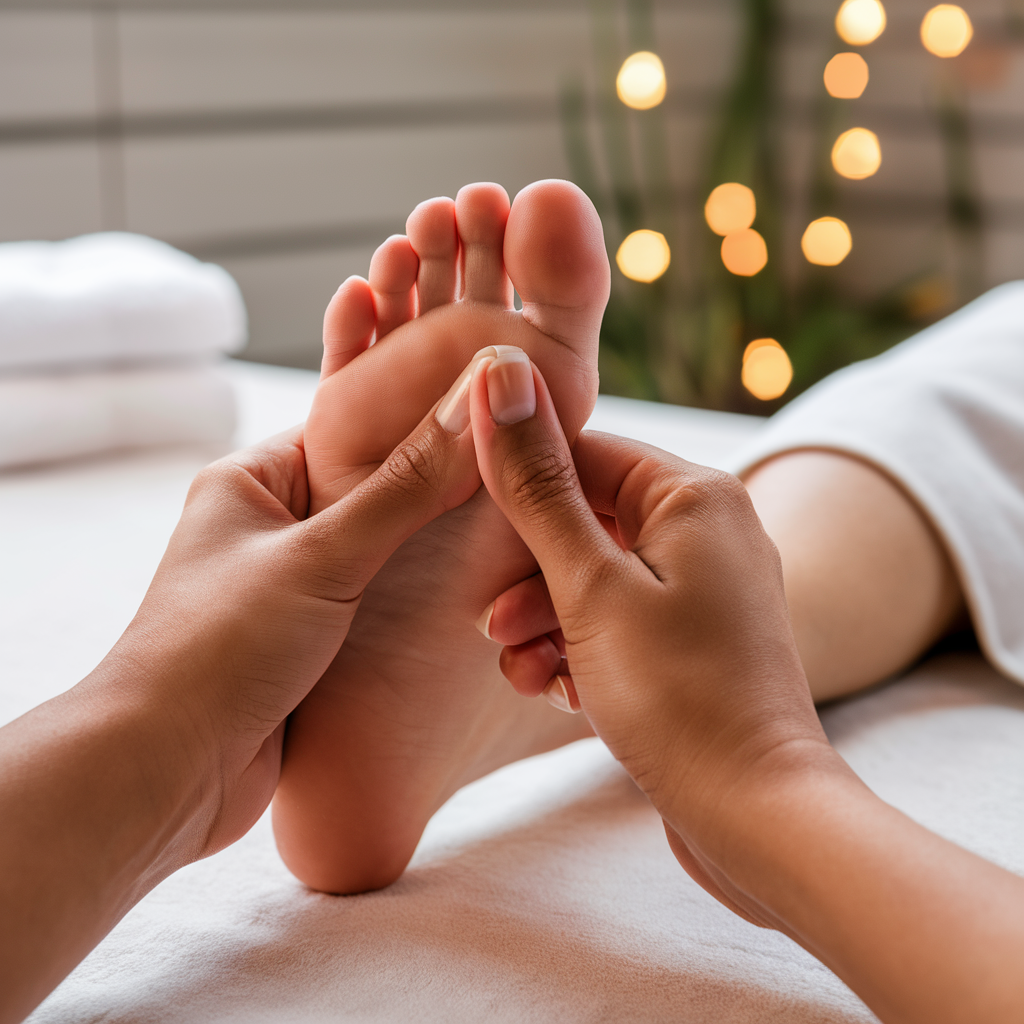
Thumb Walking Technique: This is the primary method used in reflexology. Place your thumb on the foot with the tip pointing forward. Bend and straighten the thumb joint while maintaining contact, creating a “walking” motion across the reflex area.
Finger Pressure Methods: Use the tip of your index finger or thumb to apply steady, focused pressure to specific points. Hold for 10-30 seconds, gradually increasing pressure to a comfortable level.
Rotation and Stretching: Gently rotate the toes and ankle joints to improve circulation and flexibility. This helps prepare the foot for more targeted pressure point work.
Pressure Intensity Guidelines: Start with light pressure and gradually increase based on comfort level. The pressure should be firm enough to stimulate the reflex points but not cause pain or discomfort.
Complete Session Routine
Begin each session with relaxation techniques, including gentle foot massage and joint rotations. This helps prepare the feet and promotes overall relaxation. Start working from the toes and systematically move down to the heel, spending 30-60 seconds on each reflex area.
A typical session lasts 45-60 minutes, with equal time spent on each foot. For self-reflexology, 15-20 minutes per foot is usually sufficient. Frequency recommendations vary, but most practitioners suggest 1-2 sessions per week for general wellness and daily sessions for specific health concerns.
Finish each session with gentle stroking motions and encourage the recipient to rest quietly for a few minutes while drinking water to help flush toxins from the system.
Self-Reflexology vs. Professional Treatment
Self-reflexology offers convenience and cost-effectiveness, allowing you to practice whenever needed. Basic techniques can be easily learned and applied to address common issues like stress, headaches, and digestive problems. Tools such as reflexology balls, wooden rollers, and pressure point devices can enhance self-treatment sessions.
Professional treatment provides expertise, proper technique, and the ability to reach all reflex points effectively. Certified reflexologists can identify subtle changes in the feet and adjust treatments accordingly. Consider professional help for serious health concerns, chronic conditions, or when self-treatment doesn’t provide desired results.
Proven Health Benefits of Foot Reflexology
Physical Health Benefits
Pain Relief and Management: Studies have shown that reflexology can help reduce various types of pain, including headaches, arthritis discomfort, and lower back pain. The practice may trigger the release of endorphins, the body’s natural pain-relieving chemicals.
Improved Circulation: The pressure and manipulation involved in reflexology can enhance blood flow throughout the body, potentially improving oxygen delivery to tissues and organs.
Better Sleep Quality: Many people report improved sleep patterns after regular reflexology sessions. The relaxation response triggered by the practice can help regulate sleep cycles and reduce insomnia.
Digestive Health Improvements: Stimulating digestive system reflex points may help improve gut function, reduce bloating, and enhance nutrient absorption.
Immune System Support: Regular reflexology sessions may help boost immune function by reducing stress hormones and promoting overall wellness.
Mental and Emotional Benefits
Stress Reduction: Reflexology activates the parasympathetic nervous system, promoting the body’s relaxation response and reducing cortisol levels.
Anxiety Relief: The focused attention and therapeutic touch involved in reflexology can help calm anxious thoughts and promote mental clarity.
Enhanced Mood and Well-being: Regular sessions may help balance neurotransmitters and improve overall emotional stability.
Improved Focus and Mental Clarity: By reducing stress and promoting relaxation, reflexology can enhance cognitive function and concentration.
Scientific Evidence
Research on reflexology shows promising results, though more large-scale studies are needed. A systematic review published in the Journal of Advanced Nursing found evidence supporting reflexology’s effectiveness for anxiety reduction and pain management. Another study in the European Journal of Cancer Care demonstrated benefits for cancer patients receiving reflexology alongside conventional treatment.
However, the medical community remains divided on reflexology’s mechanisms and effectiveness. While many healthcare providers acknowledge its benefits for relaxation and stress reduction, claims about organ-specific healing require more scientific validation.

Safety Tips and Precautions
Who Should Avoid Foot Reflexology
Pregnancy Considerations: Pregnant women should exercise caution with reflexology, particularly during the first trimester. Certain pressure points may potentially stimulate uterine contractions. Always consult with a healthcare provider and work with a qualified reflexologist experienced in prenatal care.
Medical Conditions and Contraindications: People with certain conditions should avoid or modify reflexology practice. These include active foot infections, open wounds, severe circulation problems, blood clots, and recent foot injuries or surgeries.
Age-related Precautions: Very young children and elderly individuals may require gentler pressure and shorter sessions. Always adjust techniques based on age, health status, and individual tolerance levels.
Safety Guidelines
Proper Pressure Application: Never apply excessive pressure that causes pain or discomfort. The pressure should be firm but comfortable, and communication is essential to ensure appropriate intensity levels.
Hygiene and Cleanliness: Always wash hands and feet before sessions. Use clean towels and equipment, and avoid practicing on feet with cuts, infections, or contagious conditions.
Signs to Stop Treatment: Discontinue immediately if you experience severe pain, dizziness, nausea, or any unusual symptoms. These may indicate that the pressure is too intense or that reflexology isn’t appropriate for your current condition.
Common Side Effects
Normal reactions after reflexology include temporary soreness in the feet, increased urination, mild fatigue, or emotional release. These typically resolve within 24-48 hours and are considered signs that the body is responding to treatment.
Concerning symptoms that warrant medical attention include severe pain, persistent swelling, signs of infection, or worsening of existing health conditions. Always listen to your body and seek professional guidance when in doubt.
Getting Started: Practical Tips for Beginners
Choosing a Qualified Practitioner
When selecting a reflexologist, look for proper certification from recognized organizations such as the American Reflexology Certification Board (ARCB) or International Institute of Reflexology. Ask about their training background, experience, and specializations.
Important questions to ask include their certification status, continuing education participation, experience with your specific concerns, and their approach to treatment. Red flags include promises of miracle cures, pressure to purchase expensive packages, or practitioners who discourage you from seeking medical care for serious conditions.
DIY Foot Reflexology
Essential supplies for home practice include a reflexology chart, comfortable seating, clean towels, and optional tools like reflexology balls or wooden rollers. Start with basic techniques focusing on relaxation and stress relief before progressing to specific health concerns.
Create a consistent routine by setting aside 15-30 minutes several times per week. Begin with gentle warm-up techniques, work systematically through major reflex points, and end with relaxation strokes. Keep a journal to track your experiences and any changes you notice.
Cost Considerations
Professional reflexology sessions typically range from $50-150 per hour, depending on location, practitioner experience, and session length. Package deals may offer cost savings for multiple sessions.
DIY reflexology requires minimal initial investment in charts and basic tools, making it highly cost-effective for long-term practice. While insurance rarely covers reflexology, some flexible spending accounts or health savings accounts may allow reimbursement for qualified practitioners.
Frequently Asked Questions
How often should you do foot reflexology? For general wellness, 1-2 sessions per week are typically sufficient. For specific health concerns, daily self-reflexology or weekly professional sessions may be beneficial. Always listen to your body and adjust frequency based on your response to treatment.
Is foot reflexology painful? Properly performed reflexology should not be painful. You may experience some tenderness in sensitive areas, but this should be tolerable and often decreases with regular practice. Communicate with your practitioner about pressure preferences.
Can children receive foot reflexology? Yes, but techniques should be gentler and sessions shorter than for adults. Children often respond well to reflexology for issues like sleep problems, digestive concerns, and stress. Always use age-appropriate pressure and duration.
How long before seeing results? Some people notice immediate relaxation effects, while others may require several sessions to experience benefits. Acute issues may respond quickly, while chronic conditions typically require consistent treatment over weeks or months.
Can foot reflexology replace medical treatment? No, reflexology should complement, not replace, conventional medical care. It’s a wellness practice that can support overall health, but serious medical conditions require proper medical diagnosis and treatment.
Conclusion
Foot reflexology offers a natural, accessible approach to promoting wellness and managing various health concerns. By understanding the proper techniques, safety considerations, and realistic expectations, you can incorporate this ancient practice into your modern wellness routine. Whether you choose professional treatments or develop a self-care practice, reflexology provides valuable tools for stress management, pain relief, and overall health enhancement.
Remember that reflexology works best as part of a comprehensive wellness approach that includes proper nutrition, regular exercise, adequate sleep, and appropriate medical care when needed. Start slowly, listen to your body, and enjoy discovering the potential benefits this time-tested practice can offer for your physical and emotional well-being.