

One of the most frequently asked questions in sexual health involves pre-ejaculate, commonly known as precum, and whether it contains sperm. This concern stems from its direct impact on pregnancy risk and contraceptive effectiveness. Pre-ejaculate is a clear, colorless fluid produced by the Cowper’s glands during sexual arousal, while ejaculate is the fluid expelled during orgasm containing high concentrations of sperm. Understanding the difference between these fluids and the potential presence of sperm in precum is crucial for making informed decisions about sexual health and contraception.
What is Precum (Pre-ejaculate)?
Scientific Definition
Pre-ejaculate, medically termed pre-ejaculatory fluid, is a clear, viscous secretion produced by the bulbourethral glands, also known as Cowper’s glands. These pea-sized glands are located beneath the prostate and release their fluid during sexual arousal, typically before ejaculation occurs. The production of precum is an involuntary response that can happen at any point during sexual stimulation, often without the individual’s awareness.
The Cowper’s glands serve as auxiliary reproductive organs that activate during the arousal phase of sexual response. Unlike the prostate and seminal vesicles that contribute to ejaculate composition, these glands specifically produce the pre-ejaculatory fluid that may appear at the tip of the penis during arousal.
Composition of Precum
Pre-ejaculate consists primarily of mucus, enzymes, and alkaline fluid. The main components include mucoproteins that provide the characteristic clear, slippery texture, along with acid phosphatase, zinc, and various electrolytes. The fluid has an alkaline pH, typically ranging from 7.1 to 8.0, which serves specific biological functions in the male reproductive system.

The volume of precum produced varies significantly among individuals, typically ranging from a few drops to approximately 5 milliliters. This variation depends on factors such as duration of arousal, individual physiology, and overall health status.
Purpose and Function
The primary biological functions of precum include providing lubrication during sexual activity and neutralizing the acidic environment within the urethra. The male urethra maintains an acidic pH due to residual urine, which can be harmful to sperm survival. By releasing alkaline fluid before ejaculation, the Cowper’s glands help create a more hospitable environment for sperm passage.
Additionally, precum helps clear the urethral tract of any residual substances that might interfere with sperm transport during ejaculation. This preparation function is essential for optimal reproductive success in biological terms.
Does Precum Contain Sperm? – The Scientific Answer
Direct Sperm Production
The definitive answer is that precum itself does not initially contain sperm. The Cowper’s glands that produce pre-ejaculate do not manufacture or store sperm cells. These glands are anatomically separate from the testes, epididymis, and other sperm-producing structures in the male reproductive system.
However, the critical distinction lies in understanding that while precum doesn’t inherently contain sperm, it can pick up sperm cells during its passage through the urethra.
Residual Sperm Presence
The primary concern regarding sperm in precum stems from residual sperm that may remain in the urethral tract from previous ejaculation. When a man ejaculates, millions of sperm cells travel through the urethra, and some may remain in the urethral lining even after the ejaculation is complete.
During subsequent arousal, when precum is produced and travels through the same urethral pathway, it can potentially collect these residual sperm cells. This mixing process explains why some precum samples test positive for sperm presence while others do not.
Research Studies and Findings
Scientific research on this topic has produced varying but consistent findings. Multiple peer-reviewed studies have examined precum samples from different populations, with results showing that approximately 16-41% of precum samples contain sperm cells. However, the concentration of sperm in precum is typically much lower than in ejaculate.
A landmark study published in Human Fertility found that among 27 healthy men, 37% had motile sperm in their pre-ejaculatory fluid. Another study in the American Journal of Obstetrics and Gynecology examined 40 men and found sperm in 41% of precum samples, with 37% containing motile sperm capable of fertilization.
Research Evidence and Statistics
Clinical Studies Overview
Comprehensive research spanning multiple decades has provided valuable insights into sperm presence in precum. Studies have been conducted across different geographical regions and demographic groups, generally showing consistent patterns in findings. The methodologies typically involve collecting precum samples under controlled laboratory conditions and analyzing them for sperm presence, concentration, and motility.
Sample sizes in major studies have ranged from 20 to 40 participants, which, while relatively small, provide statistically significant data given the controlled nature of the research. The consistency of findings across different studies strengthens the reliability of the conclusions.
Sperm Viability in Precum
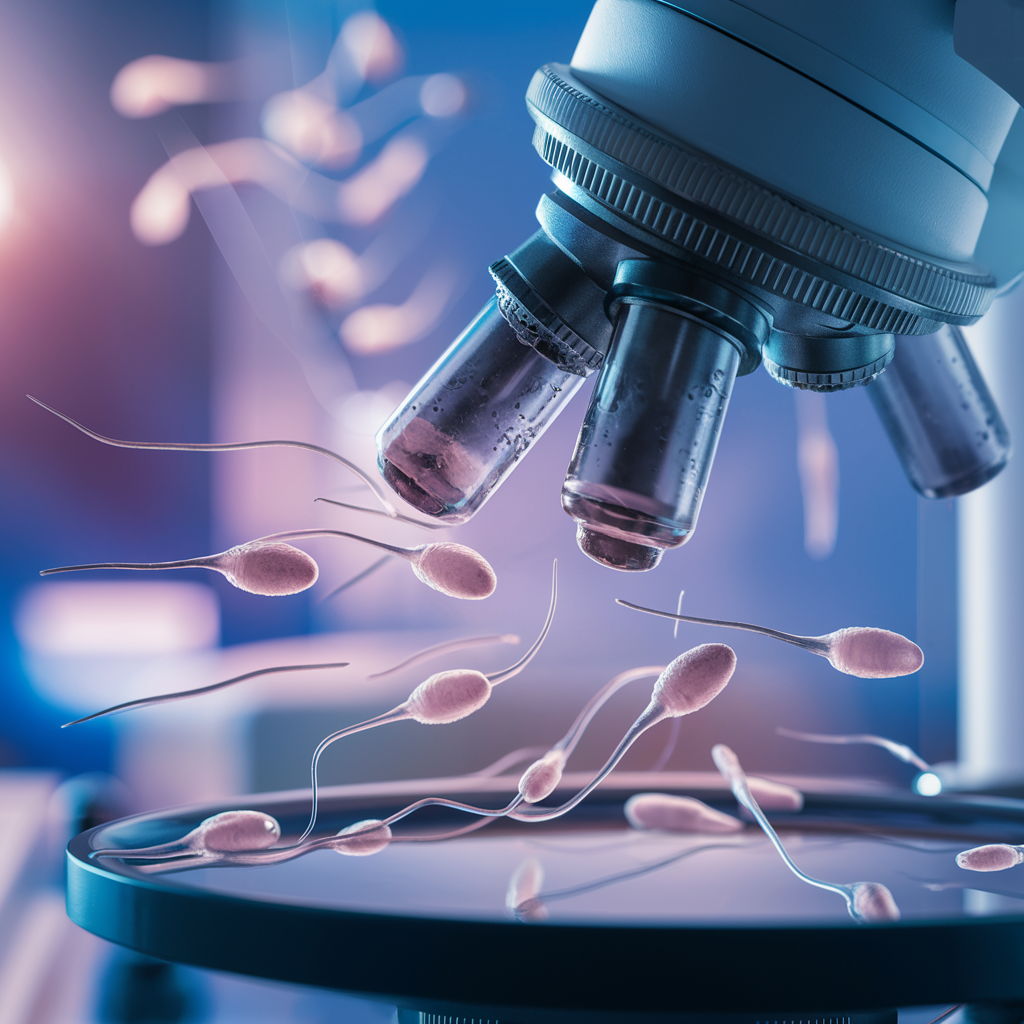
Not only can precum contain sperm, but research indicates that these sperm cells can be viable and motile. Studies examining sperm quality in precum have found that when present, sperm cells often retain their fertilization potential. The motility rates of sperm found in precum samples range from 23% to 31% in various studies, which is lower than typical ejaculate samples but still represents fertilization capability.
The concentration of sperm in precum is generally much lower than in ejaculate, typically ranging from thousands to hundreds of thousands per milliliter, compared to millions per milliliter in regular ejaculate. However, pregnancy requires only one viable sperm cell to successfully fertilize an egg.
Factors Affecting Sperm Presence
Several factors influence whether precum will contain sperm. The most significant factor is the time elapsed since the last ejaculation. Research shows that men who ejaculated within several hours before precum collection were more likely to have sperm-positive samples.
Urination between ejaculation and subsequent sexual activity appears to reduce the likelihood of sperm presence in precum, as the acidic urine can clear some residual sperm from the urethral tract. However, urination does not guarantee complete removal of all sperm cells.
Individual physiological differences also play a role, with some men consistently producing sperm-positive precum while others consistently produce sperm-free samples, regardless of other factors.
Pregnancy Risk and Contraception Implications
Pregnancy Probability
The pregnancy risk from precum exposure is lower than from ejaculate but is not negligible. While exact statistics vary, studies suggest that the withdrawal method (relying on avoiding ejaculation inside the vagina) has a typical-use failure rate of approximately 20-27% per year, with precum contributing to some of these failures.
Real-world conditions differ significantly from laboratory settings, and factors such as timing, fertility status of both partners, and proper execution of withdrawal all influence actual pregnancy risk. The presence of viable sperm in precum means that pregnancy can theoretically occur even without full ejaculation inside the vagina.
Withdrawal Method Effectiveness
The withdrawal method, also known as coitus interruptus or the “pull-out method,” is not 100% effective partially due to the potential presence of sperm in precum. Perfect use of the withdrawal method shows higher effectiveness rates (approximately 96%) compared to typical use, indicating that user error is a significant factor in method failure.
However, even with perfect timing and execution, the possibility of sperm-containing precum means that some risk remains. This is why healthcare providers typically recommend more reliable contraceptive methods for those who want to avoid pregnancy.
Safer Sex Recommendations
Given the potential presence of sperm in precum, healthcare providers recommend using reliable contraceptive methods rather than relying solely on withdrawal. Barrier methods such as condoms provide protection against both pregnancy and sexually transmitted infections, while hormonal contraceptives offer highly effective pregnancy prevention.
For individuals who prefer to combine methods, using withdrawal along with another contraceptive method can provide additional protection. Emergency contraception should also be considered as a backup option when contraceptive failures occur.
Common Myths and Misconceptions
“Precum Never Contains Sperm”
This absolute statement is scientifically inaccurate based on current research evidence. While precum doesn’t initially contain sperm from its source glands, the documented presence of sperm in a significant percentage of precum samples debunks this myth. The persistence of this misconception may stem from incomplete understanding of male reproductive anatomy and the distinction between sperm production and sperm transport.

“Precum Always Causes Pregnancy”
The opposite extreme is equally incorrect. Not all precum contains sperm, and even when sperm are present, pregnancy is not guaranteed. Multiple factors must align for conception to occur, including ovulation timing, sperm viability, and successful fertilization. The actual probability of pregnancy from precum exposure is lower than from ejaculate exposure but remains a legitimate concern.
“Urinating Clears All Sperm”
While urination between ejaculations can help clear some residual sperm from the urethral tract, it doesn’t guarantee complete removal. The acidic nature of urine can kill some sperm cells and flush others out, but sperm may persist in urethral folds or be protected by mucus. Research shows that while urination reduces sperm presence in subsequent precum, it doesn’t eliminate the possibility entirely.
Factors That Influence Sperm in Precum
Timing Considerations
The temporal relationship between ejaculation and precum production significantly affects sperm presence. Recent ejaculation increases the likelihood of residual sperm in the urethral tract, while longer intervals typically reduce this probability. Multiple sexual encounters within a short timeframe can also increase the chances of sperm-positive precum due to repeated sperm passage through the urethra.
The duration of arousal before precum production may also influence sperm content, though this relationship is less clearly established in research literature.
Individual Biological Factors
Age and overall fertility status can influence sperm presence in precum. Men with higher baseline sperm counts may be more likely to have residual sperm in their urethral tract. Additionally, anatomical variations in urethral structure or Cowper’s gland function may affect how precum interacts with any residual sperm.
Some men appear to consistently produce sperm-positive precum samples, while others rarely or never do, suggesting individual physiological differences that aren’t fully understood.
External Factors
Certain medications that affect sperm production or urethral function may influence sperm presence in precum. Health conditions affecting the reproductive system, prostate, or urethral health could also play a role. Lifestyle factors such as hydration status, recent physical activity, and overall health may have subtle effects on precum composition and sperm content.
Medical and Health Perspectives
Healthcare Provider Recommendations
Medical professionals typically advise patients that precum can contain sperm and should be considered in contraceptive planning. Clinical guidelines for contraceptive counseling emphasize the importance of reliable methods rather than withdrawal alone for pregnancy prevention. Healthcare providers assess individual risk factors and help patients choose appropriate contraceptive strategies based on their specific circumstances and preferences.
Sexual Health Education
Comprehensive sexual health education includes accurate information about all aspects of reproductive biology, including precum and its potential sperm content. Age-appropriate education helps individuals make informed decisions about their sexual health throughout their lives. Addressing common misconceptions through evidence-based education is crucial for promoting sexual health and preventing unintended pregnancies.
STI Considerations
Beyond pregnancy concerns, precum can also transmit sexually transmitted infections. Many viral and bacterial STIs can be present in pre-ejaculatory fluid, making barrier protection important for overall sexual health. This additional consideration reinforces the importance of comprehensive protection strategies rather than focusing solely on pregnancy prevention.
Practical Implications and Advice
For Those Trying to Conceive
Couples trying to conceive should understand that precum represents a potential source of sperm, though typically in lower concentrations than ejaculate. While this shouldn’t be relied upon as the primary means of conception, it’s part of the complete picture of fertility and reproduction. Medical consultation can provide personalized guidance for optimizing conception chances.
For Those Avoiding Pregnancy
Individuals seeking to avoid pregnancy should consider precum as a potential risk factor and choose contraceptive methods accordingly. Combining multiple protection methods, maintaining open communication with partners, and having emergency contraception available can provide comprehensive pregnancy prevention strategies. Regular consultation with healthcare providers ensures that contraceptive choices remain appropriate and effective.
Communication with Partners
Open, honest communication between sexual partners about contraception, risks, and protection strategies is essential. Both partners should understand the potential risks and share responsibility for contraceptive decisions. Making informed choices together strengthens both the relationship and sexual health outcomes.
Conclusion
The scientific evidence clearly indicates that precum can contain sperm, though it doesn’t always. While the Cowper’s glands don’t produce sperm directly, residual sperm from previous ejaculation can mix with precum as it travels through the urethra. Research shows that approximately 16-41% of precum samples contain sperm, with these sperm often being viable and capable of fertilization.
This finding has important implications for contraception and pregnancy prevention. The withdrawal method’s effectiveness is compromised by the potential presence of sperm in precum, making more reliable contraceptive methods advisable for those seeking to avoid pregnancy. Individual variation in sperm presence, timing factors, and biological differences all contribute to the complexity of this issue.
Evidence-based decision making, consultation with healthcare providers, and comprehensive approaches to sexual health remain the best strategies for managing reproductive health. Understanding the facts about precum and sperm content empowers individuals to make informed choices about their sexual health and contraceptive needs.